From Longevity To Climate Adaptation, Mintel Spots 4 Trends That Could Define Beauty In 2025
“We’ve seen how various regulatory changes is driving new need for products that cater to this new regulatory landscape as well as how things like an increase in extreme weather events is driving demand for climate-adaptive products,” says Clare Hennigan, senior global beauty and personal care analyst at the market research firm.
Hennigan elaborated on sustainability’s evolution and consumers’ interest in personalization, a slower pace of life and simplistic routines, which have been championed by TikTok’s trad wives and accelerated by economic concerns, during Mintel’s 2025 beauty and personal care trend webinar on Thursday last week. Ahead, we run down the firm’s predictions for the year ahead, strategies brands should consider in the changing market and products speaking to rising trends.
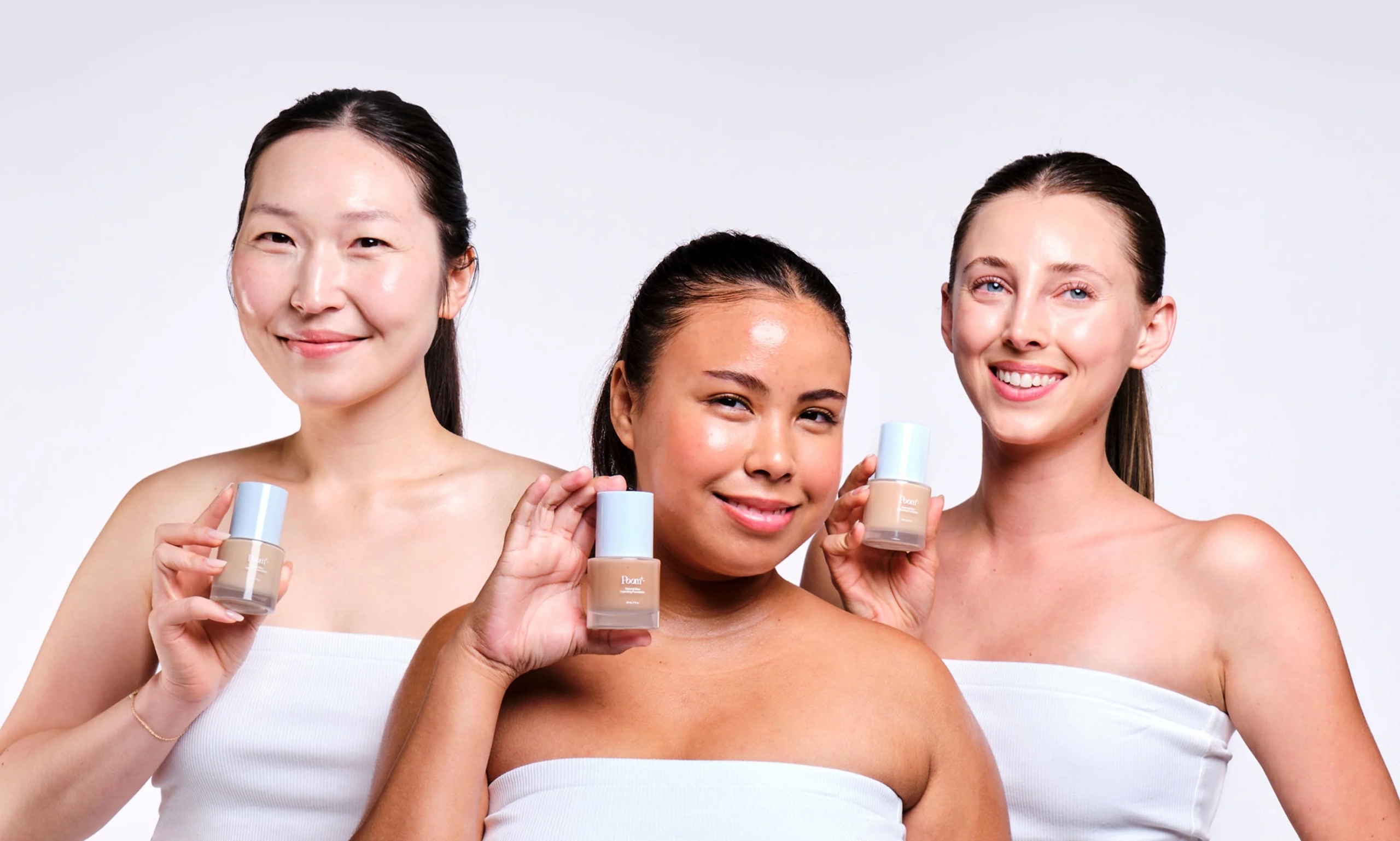
Hyper-Personalization
Mintel survey results indicate 62% of beauty and personal care buyers in the United States are intrigued by hyper-personalized products and 28% would be willing to pay a premium for them. The firm also discovered 59% of American adults want more beauty products specifically designed for their age and 45% of Americans like to be among the first to try nascent technologies. Hennigan expects the spread of artificial intelligence to facilitate precise product matches and recommendations, ushering in an era of next-level individuality.
She highlights Parfait, a brand utilizing AI to develop personalized wigs based on images taken and data submitted. Another example is Japanese conglomerate Kosé’s partnership with I Peace, Inc. and Reju, Inc. to develop personalized beauty products with iPSF cells extracted from consumers’ blood. Yet another example is Maison M tapping AI to customize lipstick colors for consumers. They can pick from 60,000 colors or AI will suggest a color based on a photo diagnosis. The shade is then manufactured on demand. Hennigan says, “Consumers want to be able to express themselves, and beauty is certainly a tool to do so.”
Climate-Adaptive Products
With all signs pointing to climate change worsening, Hennigan says, “Brands must balance eco-ethics with high-performance beauty in order to win over consumers trust and ultimately their purchase.” She adds, “As we see more extreme weather events occur, more and more consumers are going to be discerning with what sort of products they’re choosing to ensure that not only will the product work in their climate, but also that the brand isn’t causing any harm that might act as a catalyst for more extreme weather events.”
Mintel survey data shows 61% of adults expect brands to take the lead on addressing environmental issues and 65% oppose buying from companies with unethical behaviors. “Consumers are expecting the onus to really be in the hands of the brands,” stresses Hennigan. “In 2025, sustainability is not an option, it’s a baseline expectation.”
The expectation that brands will be sustainable goes beyond packaging to ingredients and formulations. Hennigan spotlights Asteri Beauty’s makeup designed to withstand desert heat as exemplary of formulations responding to mounting expectations. It’s blush is promoted as not smudging in extreme temperatures. Hennigan predicts brands will increasingly incorporate ingredients from specific areas to highlight climate-adaptive benefits.
She anticipates upcycled ingredients or ingredients derived from materials that would otherwise be waste to proliferate. Fragrance brand Ellis Brooklyn and fragrance ingredient supplier Firmenich have been foregrounding upcycled ingredients. Firmenich sells a cedarwood ingredient upcycled from the furniture industry. Marin Skincare has teamed up with lobster processor Luke’s Lobster to upcycle marine glycoproteins from lobster.
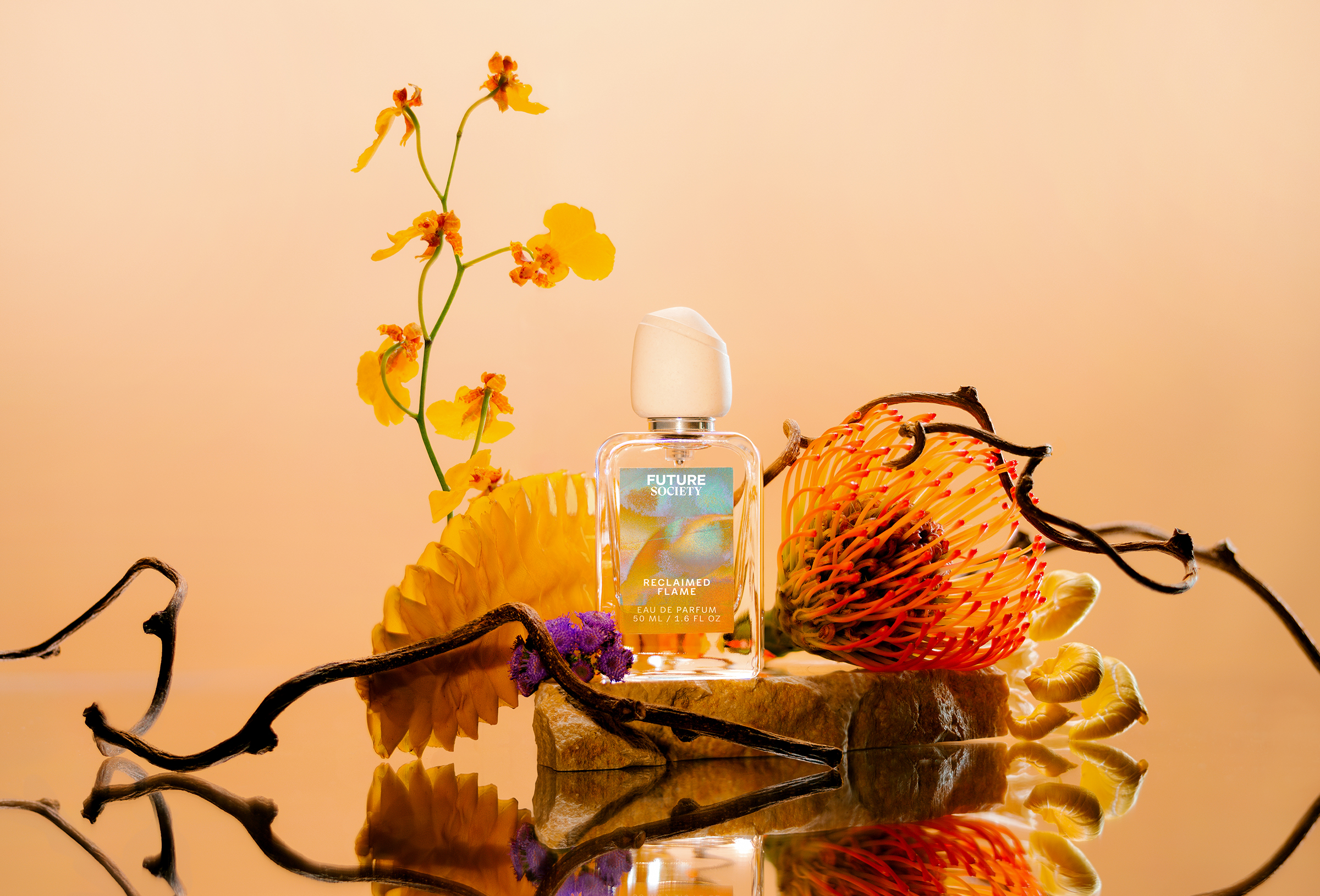
Hennigan emphasizes that cultivating new links in the supply chain by collaborating with industries such as the food and beverage industry will have greater importance in beauty in the future. She identifies biotechnology as playing a role, too. Mentioned in Mintel’s beauty trend forecasting as far back as 2019, Hennigan predicts biotech continue to be big into 2025 and identifies Future Society, the perfume brand from biotech company Arcaea recreating the smells of extinct flowers, as illustrative of the possibilities of biotech in beauty.
In a word of caution, though, she notes contemporary consumers don’t completely grasp biotech beauty. Mintel’s surveys have learned 20% of US consumers have heard of biotech beauty and know what it means. Hennigan says, “Because of this, brands are still being tasked with educating audiences on what it means for an ingredient to be biotech derived and how exactly it is more sustainable without losing that efficacy deliverable.”
A Desire For Simplicity
Consumers desire less complicated lives, and that desire has contributed to the glamorization of trad wives and slower rustic lifestyles, according to Hennigan. Economic concerns and a reaction to hustle culture factor in the rise of the appeal of simplicity and minimalism in beauty routines. Hennigan says brands should ponder, “How can we improve consumer’s life, support their health and wellness holistically without causing unnecessary steps or being an arduous process for them to participate in?”
In a response to that question, brands are embracing products touted as low impact with maximum results. Hennigan identifies James Read’s Sleep Face Mask With Retinol as among the low effort, high results products. It promises anti-aging effects while tanning the skin. “It really is reflective of how consumers are seeking out passive beauty options,” says Hennigan, remarking, “Consumers looking for ways to essentially hack their routine or do more with less or less time.”
A second product in the low effort, high results group is Jawliner’s Facial Fitness Chewing Gum. It claims to define the jawline of people chewing it. Hennigan believes it can appeal to young male consumers not as immersed in beauty as their female counterparts. She says. “It’s a unique positioning where you are ultimately offering aesthetic related benefits, but you’re doing so in a way that aligns more with fitness rather than a traditional beauty product.”
Longevity As The New Anti-Aging
Brands are shifting from focusing on anti-aging messages and leaning into longevity instead by communicating about prolonging the health of skin and hair. Hennigan says, “It’s really reframed in a way that’s positive and in a way that doesn’t try to fight what’s happening, but in a way that tries to extend our current health for life.” She pronounces, “We’re just at the start when it comes to longevity, and we’ll see it enter nearly every category in beauty and personal care.”
Eucerin’s Hyaluron-Filler Epigenetic Serum claims to take a gradual approach to skin rejuvenation and reactivating youth genes, highlighting the idea of preventative care. “A lot of products say they offer quick results, but we know that those aren’t always long term,” says Hennigan. “So, leaning into science and studies as a way to say, if you use this product for an extended period of time, you will see those benefits maybe more slowly, but it might have a longer lasting impact on our skin and hair health.”
Longevity has been more prominent in skincare than haircare to date, but Hennigan foresees it expanding in haircare. Scalp care, a growing subsegment of haircare, is jumping on longevity positioning. Hennigan says, “That’s going to be really critical, particularly when it comes to combating some of those scalp conditions.”
Oral care could be a hotbed for the longevity trend, too. Hennigan points to Ojook, a brand pulls from Eastern wellness philosophies that links oral health with longevity. She says, “Some messages maintain that having all of your original teeth is something that’s really critical to overall health and longevity.”
The players
5 mentionedMarin Skincare

AS Beauty
Under Your Skin
Too Faced
Formulate