What Emerging Beauty Brands Need To Know About Jumping On Chinese Social Media App RedNote
However, in what could be the ultimate irony of the ban should it go into effect on Sunday, hordes of Americans are saying hello to another Chinese entity, Xiaohongshu, a privately held TikTok alternative known as RedNote, Little Red Book or Red that was founded in 2013 by president Miranda Qu Fang and CEO Charlwin Mao. In two days, more than 700,000 new users joined the social media app, and U.S. downloads of it were up more than 200% year-over-year this week. Americans hopping on Xiaohongshu have been calling themselves #tiktokrefugees in videos on it, and the hashtag amassed 640 million views and 12 million comments as of Wednesday afternoon.
TikTok émigrés may be transitioning to Xiaohongshu in search of a TikTok dupe, but longtime Xiaohongshu users report Little Red Book, which has 300 million users globally to TikTok’s over 1 billion, including 170 million in the U.S., isn’t a TikTok copy. For emerging American beauty brands and content creators interested in Xiaohongshu, they point out the algorithm, functions and influencer set on the platform is unique to it, and they’ll be entering a digital environment already populated by large American brands like Maybelline, Lancôme, Pantene and Tampax.
Ze Yan, founder of Traditional Chinese Medicine skincare brand Omad, explains Little Red Book’s algorithm doesn’t have the virality power of TikTok, where posts can seemingly out of nowhere gain hundreds of thousands or millions of views. “TikTok’s algorithm makes sure everyone has a chance to go viral. Little Red Book, at least in China, is more pay-for-play,” he says. “Brands dump money into the ecosystem for awareness, impressions and customers. In China at least, you usually see a brand on LRB and place orders on a different platform.” In the U.S., he adds that Little Red Book doesn’t have a robust payment processing system akin to TikTok’s payment processing system.
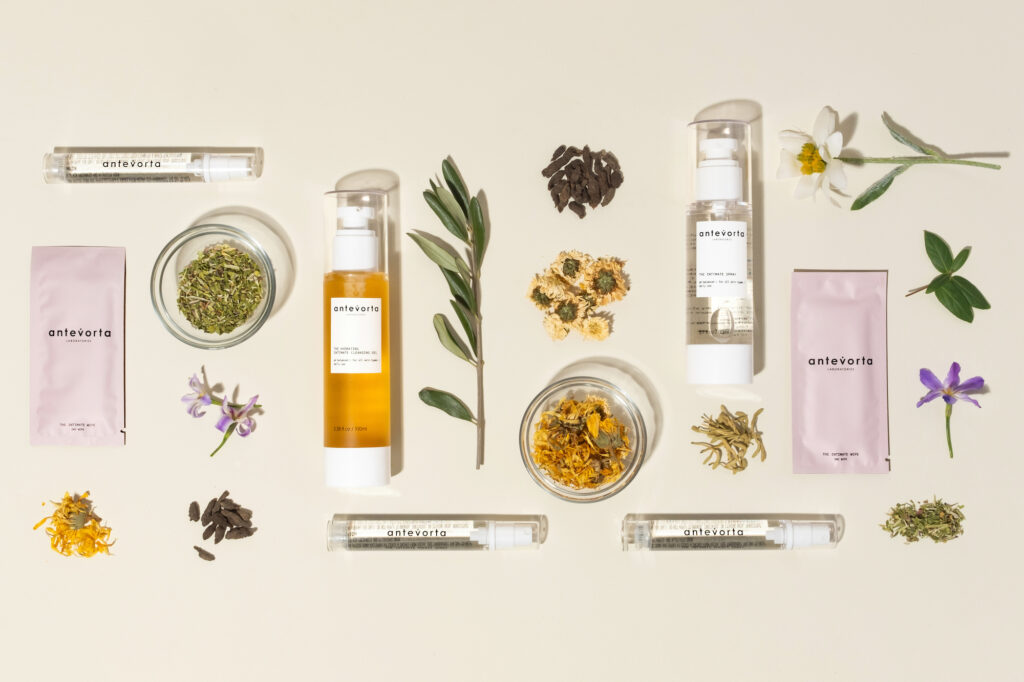
Sara Jane Ho, author, content creator, founder of TCM-inspired intimate care brand Antevorta and host of Netflix series “Mind Your Manners,” compares Xiaohongshu to a blend of Pinterest and Instagram. Charlie Gu, president and founder of cross-cultural marketing agency Kollective Influence, also mentions the Instagram comparison, remarking that Xiaohongshu is a visually driven format similar to Instagram. Lifestyle, travel, beauty and fashion content is popular on RedNote, and sensitive political content is removed from it under its content moderation guidelines. The majority of its users are young women.
Gu and Ho emphasize the social media platform comparisons don’t adequately convey Xiaohongshu’s distinctness. Gu says its “algorithm and purpose are quite different [from Instagram]. Often called China’s lifestyle search engine, the platform’s algorithm recommends content based on users’ interests rather than demographics.” Ho has relied on Xiaohongshu as a comprehensive resource, notably for travel. When she hosted 12 friends in Beijing for New Year’s Eve, her assistant hired a bilingual tour guide to take the group to the Great Wall and other historical sites on Little Red Book.
Ho elaborates, “If I’m going to a city that I don’t go to often like Changsha, and I need a cool restaurant to go to, I’ll literally put ‘Changsha cuisine’ into the search function and all the new stuff will pop up.” She adds, “America’s good at making apps that are siloed. Instagram is probably as general as it gets. China’s very good at making super apps.” WeChat, which has 1.3 billion users, is the most super of China’s super apps. Users can pay rent and electricity bills on it as well as schedule a package for pickup and engage in personal chats.
Xiaohongshu hasn’t reached that level of utility. Yet, there’s functionality on it that’s extensive relative to the functionality of American social media apps. Ho, who has nearly 380,000 followers on Little Red Book and regularly partners with luxury fashion and beauty brands on the platform, shares that brand deals are largely handled in-app. “Brands apply to collab with you through the back end of Little Red Book. Then, you accept, and everything is done through the app because Little Red Book takes a cut,” she details, noting further negotiation is handled off the app, but final payment can be made directly from brand to creator on Xiaohongshu. Gu says that Xiaohongshu takes 10% of all deals executed in-app but that there are “unofficial deals being done between creators and brands.”
The big American beauty brands—think Olay, Maybelline, Lancôme—on Xiaohongshu develop profiles for the platform and sell products through its shopping function. Ho suggests emerging brands with low awareness that want to sell on Xiaohongshu partner with Key Opinion Leaders (KOLs) that have followings on it and align with their business. Antevorta has partnered with Taiwanese creator Melody Liu, who has 565,000 followers on Xiaohongshu. Users can buy Antevorta’s products via a link on Liu’s videos about the brand similar to TikTok Shop. Ho says, “You can buy, add to cart, live customer chat. Brands can also [post] a whole product detail page.”
Brands, particularly in taboo categories, regularly encounter censorship on Xiaohongshu. Just as sexual wellness brands have to avoid certain words, phrases or images to operate on Instagram and Facebook and often depend on euphemisms or indirect symbolic imagery, brands tend to speak in a code of sorts on Little Red Book. “We have to use a lot of synonyms,” says Ho. “For example, we can’t say the words ‘vagina,’ ‘vulva.’ We say ‘secret garden.’ It sounds better in Chinese. People just kind of get it.”
Once brands have an account on Xiaohongshu, they can apply for its commerce program, and they can sell through their Xiaohongshu profiles via cross-border e-commerce. Ho advises emerging brands it can take a up to a couple months to get approved, and they shouldn’t anticipate gangbuster sales immediately. She says, “It’s kind of like Instagram Shop. People don’t buy on Instagram that much, so don’t expect huge numbers.”
Yan counsels U.S. brands moving to sell on Xiaohongshu employ a small local team or agency in China to navigate the Chinese market. “[You need] someone who understands the ecosystem and culture,” he says. “Doing business in China is very different and has a lot of hidden rules.” Gu believes emerging American brands should consider joining Xiaohongshu, even if they haven’t officially entered the Chinese market, because establishing a presence on it is important for building trust with consumers on the app.
“Xiaohongshu is not purely transactional,” he says. “Users go to the platform seeking educational, inspiring and visually pleasing content. If your brand has a strong USP and a compelling story, this is an ideal platform to communicate it through storytelling and collaborations with KOLs and KOCs [Key Opinion Consumers], especially through overseas Chinese influencers who could be both early adopters and evangelists for your brand. It’s an investment in long-term brand awareness and trust.”
Gu’s step one for American brands ready to take the Xiaohongshu plunge? Register trademarks in China. He stresses, “Ensure your IP rights are protected.”
The players
4 mentionedBetter Being

AS Beauty
TikTok Shop
T Investment