Do Founders Have To Build Their Brands In Public?
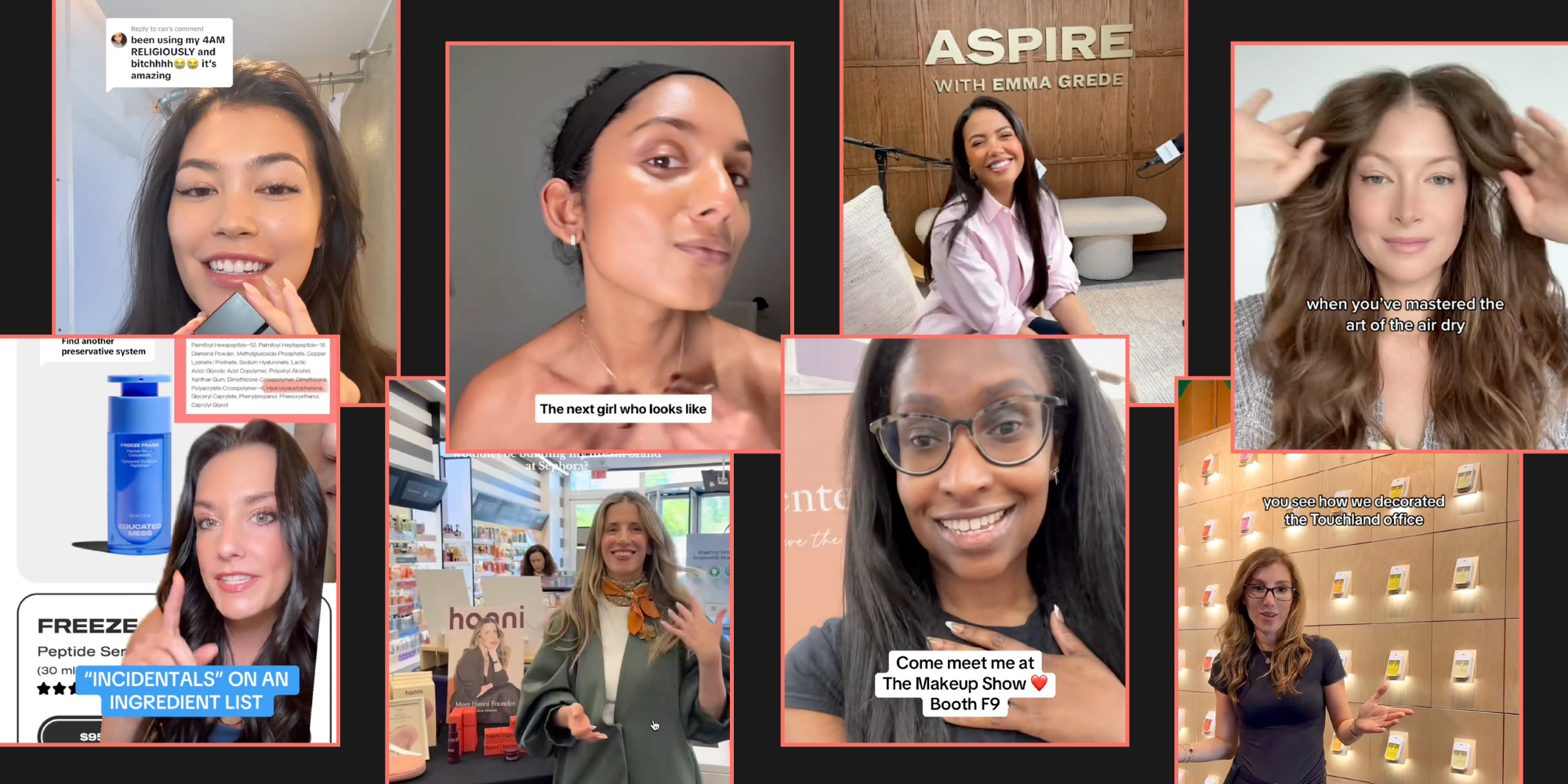
She told us, “It’s much harder to convert consumers without putting yourself out there, telling your story and getting them to believe in you and understand why you built the brand. Getting them bought into your energy is such a critical part of the funnel.”
Kriegsman’s Substack post was prompted by Church & Dwight’s acquisition of Touchland, which was built by Andrea Lisbona, a founder with a relatively low social media profile (she has nearly 20,000 followers on Instagram and 11,000 on TikTok). She points out that Hero Cosmetics co-founder Ju Rhyu, another talent who has entered the Church & Dwight universe, shepherded her brand without simultaneously turning content creation into a first-order job responsibility.
But Kriegsman finds there are many more examples of male founders avoiding the pressures to become influencers. She cites Danny Harris of All Yoga, Andrew Benin of Graza and Andrew Dudum and Jack Abraham of Hims. Kriegsman writes, “In a twisted way, it’s almost like the female consumer needs to believe that the woman they are buying from is ‘worth’ supporting, so by putting her front and center, the brand can check that box.”
Diving deeper into this discussion, for this edition of our ongoing series posing questions relevant to indie beauty, we asked 13 beauty entrepreneurs, consultants and investors the following: How important is it for brand founders to also be influencing on social media in support of their business? What are the upsides and downsides? How would you characterize the founder of this era of CPG entrepreneurship? Five years from now, if we were to reflect on this era of front-facing founders, what do you think we will conclude?
The players
5 mentionedAS Beauty

The Center
Hero Cosmetics
Church & Dwight
Deeper