Black-Owned Beauty Brands Are Being Vulnerable And Public With Their Financial Struggles
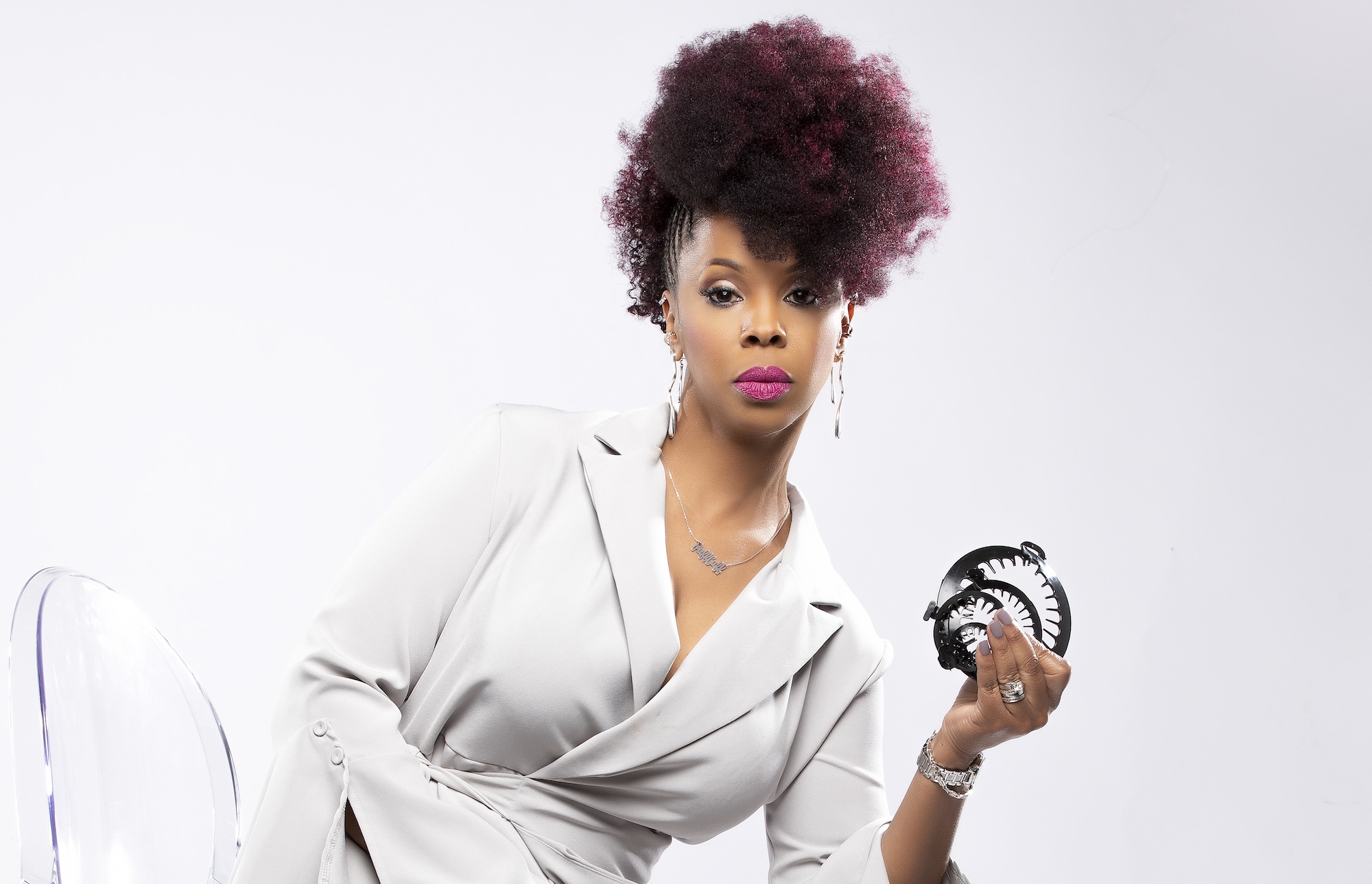
Founded in 2013, the hair accessories brand generated up to $1.3 million to $2.3 million annually prior to the Apple iOS 14 update in 2021, which decimated its ability to unearth new customers online. Lash has sought investment to prop up Puff Cuff and trimmed its staff, but the moves haven’t been enough to put it on solid footing. Discouraged, she decided to go public with the brand’s challenges and ask for financial support.
“With a very heavy heart, I’m facing the harsh reality of having to close my business after 12 years,” Lash wrote in a LinkedIn post earlier this month. “We are running out of cash. My need is minimal in the big scheme but we need sales to keep going.”
To date, she’s raised nearly $16,000 of her $60,000 minimum goal. The Sistah Shop in Atlanta, where Lash is based, is hosting a Puff Cuff Rent Party inspired by the rent parties thrown during the Harlem Renaissance on Saturday to fundraise for the brand in person. Lash hopes to raise another $10,000 at the event.
Lash is far from the only brand founder struggling nor the only one to be forthcoming about those struggles on social media. Indie beauty brands on the whole have been under tremendous pressure, but Black-owned beauty brands are pinched the most. Venture capital funding dropped 37% last year overall, but funding for Black-led businesses fell 71%. Many diversity, equity and inclusion initiatives are vanishing or being attacked. Compounding the difficulties Black brand founders face, Karen Young, founder of body care brand Oui The People, says they frequently feel they have to succeed for their families and culture.
With traditional sources of help hard for Black brand founders to tap, they’re discovering that being honest publicly about their need for help can be beneficial. Loyal customers and social media followers are often a better avenue than traditional routes for aid, and breaking the silence about their troubles is a cathartic exercise.
“I’ve been more open about the challenges because shouldering the burden otherwise is more than I’m interested in taking on solo any longer,” says Young. “Social media is well curated to make you feel as though everyone has it all figured out, and I’ve found that one founder’s vulnerability creates space for others to be vulnerable as well.”
Lash says, “We all face highs and lows on this journey, but letting pride, embarrassment and cultural stigma get in the way can cost you the chance for support that’s already waiting. Closed mouths don’t get fed.”
Young took to Instagram and TikTok in July to fill people in on the hardships Black-owned brands are enduring. A text across a video posted by Oui The People, which has been shared over 1,000 times on Instagram and TikTok and saved another 1,500 times, reads, “Real talk: your favorite Black owned brand may close this year.” In the video, Young says, “We are experiencing what I would call a recession within a recession. That is a recession of capital, that is a recession of the ‘flood of support,’ and that is also a recession of visibility.”
In September, an Instagram post by Curlmix and 4C Only founder Kim Lewis proclaimed, “Black founders need you.” In it, Lewis relays she’s heard from about 15 Black founders that have hit $1 million in sales whose brands are on the brink of closing. “Everybody’s struggling, but nobody’s talking about it publicly,” says Lewis.
Lewis reasons Black brand founders are going public now because they realize, if their brands fail, the failure will be public anyway. “People will know that you no longer exist,” she says. “If you come out about the failure in the loss, I feel like you might as well come out about the struggle because that’s the direction that is headed. Why not be honest and ask for help when you need it?”
This month, Cora and Stefan Miller, the married founders of Young King Hair Care, went on their brand’s Instagram account to explain it has been dealing with inventory problems since the spring and a business partner that mismanaged it. Young King let its 36,000 followers know its products will be restocked soon at Target and Walmart.
“I always want our community to trust us, and so when you don’t see us on shelf or you notice that we’re not available online, and we don’t say anything, I think you break trust,” says Cora. “I’ve just always been in the mindset to be open and to be vulnerable, especially with those that cheer us on and that really love us and that support us and that are really champions of the brand instead of shying away from everything that’s going on.”
At the urging of her mother and recognizing her indebted brand Just Move Supplements was at risk of closure, founder Keaira Lashae turned to her social media community of 343,000 followers to lend it a hand. Her raw post about the state of Just Move Supplements’ business has received 19,802 likes. Lashae’s mother told her, “You owe it to your community to talk to them and give them an opportunity to pour into you the way that you’ve done for them all these years.”
And pour they did. After Lashae’s post, the brand received 7,000 orders and $250,000 in less than two weeks. Slutty Vegan owner Pinky Cole Hayes amplified Lashae’s plea for help by requesting that her 1 million followers purchase Just Move Supplements’ products or donate money for paying down the brand’s debt, compensating its employees and taking care of ingredient and manufacturing costs.
Although Just Move Supplements’ experience shows that brand’s communities want to chip in, Romina Brown, founder and CEO of category management firm Strategic Solutions International, cautions that leaning on them isn’t generally enough. While she commends brand founders for being candid, she worries that it’s not a long-term solution. Brown says, “I can see them wanting to invite the community in to help them survive and thrive, but you have to have a strategy to withstand the competitive pressure.”
At Puff Cuff, Lash is looking beyond the brand’s community to venture capital and angel investors. She’s also signed on to participate in Morehouse College’s Small Business Development Center (SBDC) program. Her ultimate goal for Puff Cuff is for it to reach $7 million in sales and exit within the next three to four years.
At Just Move Supplements, Lashae plans to hire a financial advisor and launch a crowdfunding campaign in the near future with the objective of drawing at least $1 million in funding. She says, “We’re still growing, and we’re still going to have to continue to raise capital and continue to sell as much product as possible to get to the next level of what we’re trying to do.”
Lashae is proud of women founders, particularly Black women founders, who’ve been honest about business issues. Following her social media post delving into Just Move Supplements’ issues, she received hundreds of messages from Black women in similar situations. “We want to portray being this strong Black woman and be like I got it, but sometimes we don’t have it and that’s OK,” she says. “We don’t look weak, we actually look strong asking for help.”
The players
5 mentionedNot Your Mother's

Too Faced
Better Being
AS Beauty
The Center