Beauty's Mental Health Connection
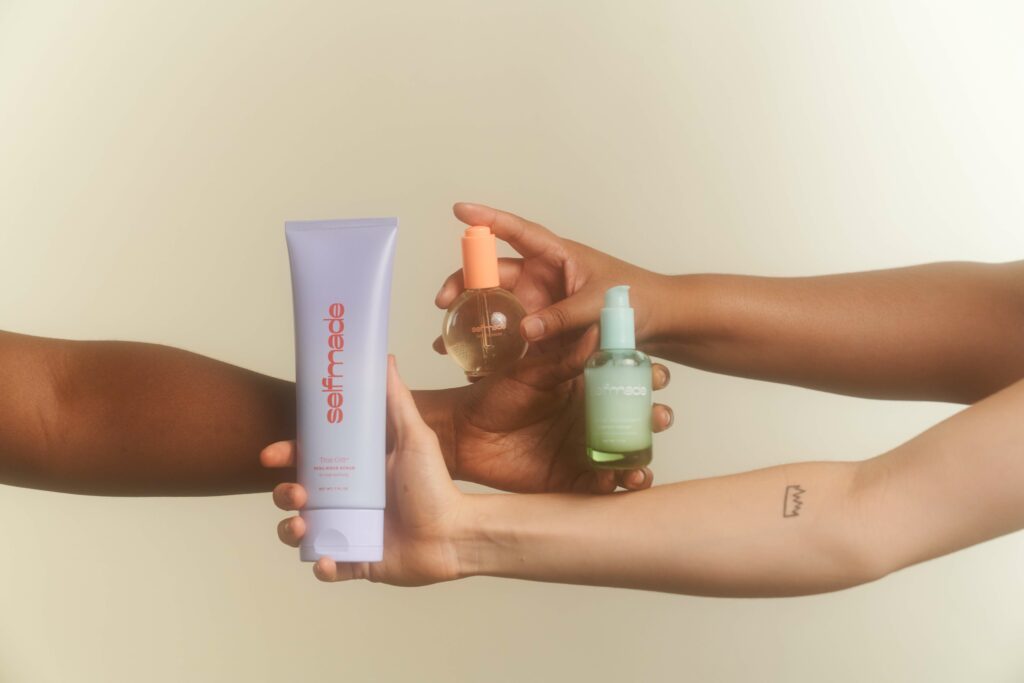
Lee, who suffered from a mental health collapse after grinding it out at Estée Lauder for four years, continually questions societal ideals and the beauty industry’s role in forming them, leading her to speak with 25 mental health professionals prior to developing Selfmade to inform its merchandise and messaging, and many more potential users to understand how their mental health affects their self-worth. “Beauty is your relationship to yourself, not how others perceive you,” she told Beauty Independent upon the brand’s 2020 debut.
Lee is one of several entrepreneurs introducing beauty brands that, inspired by their personal mental health struggles, confront mental health issues. Last fall, Nick Gavrelis, former SVP of product development at MAC Cosmetics, unveiled Ieró Beauty, a skincare brand featuring mindfulness cues to help people during difficult times.
From co-founders wellness coach Mark A. Turnipseed and celebrity makeup artist Tim Quinn, the brand Halo42 urges its customers to practice beauty thoughtfully to boost their internal as well as external assets. Even haircare is getting beneath the scalp. Adam Reed, a celebrity hairdresser open about the pandemic being devastating his mental health, released Arkive Headcare to fill a void between mental health and haircare conversations. The brand delves into the effects of stress on the health of the hair.
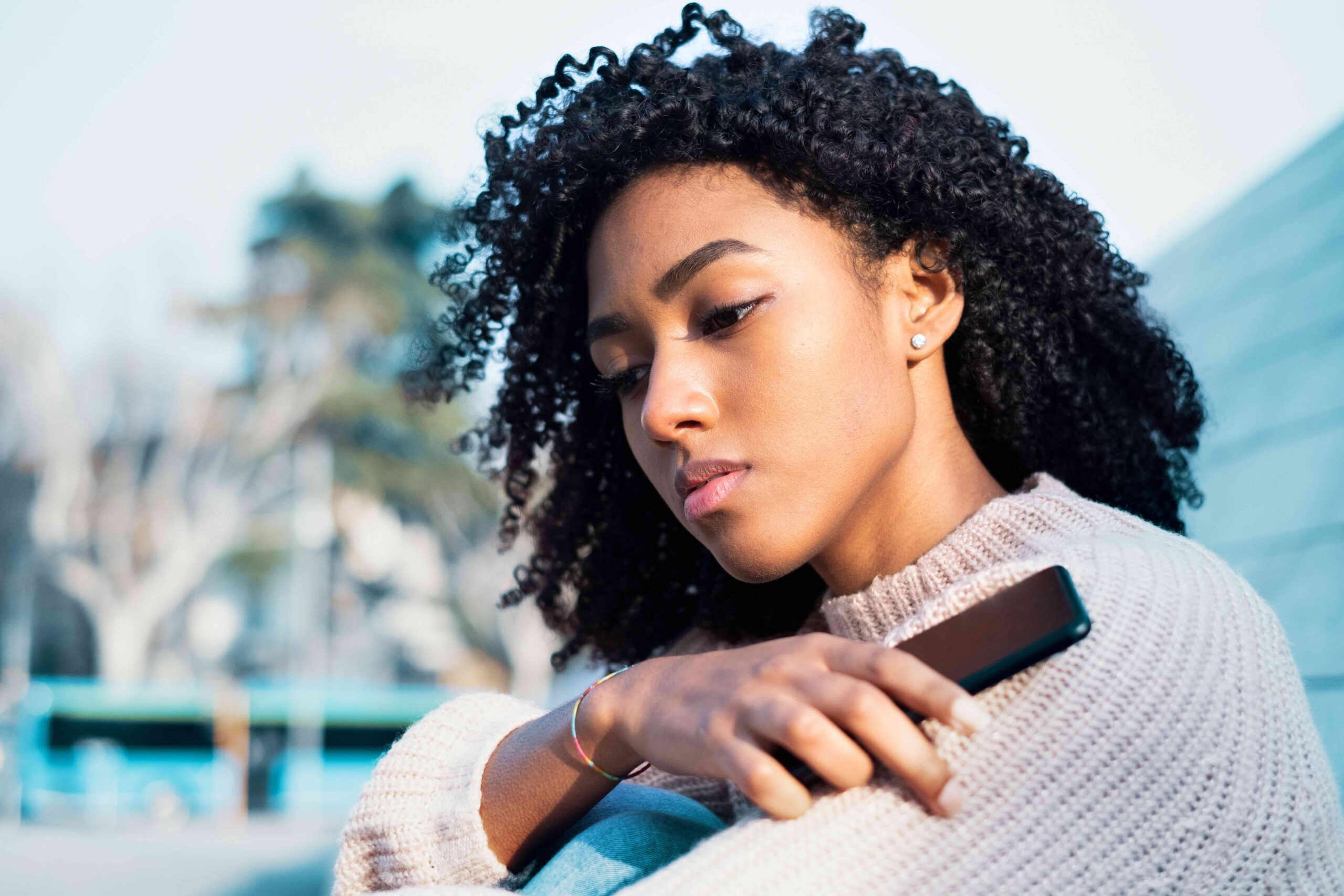
But the mental health crisis plaguing society predates the pandemic and grips people, particularly girls, younger and younger. Kathryn Beaton, co-founder of GRYT, a forthcoming self-care brand for tweens and teens, says the past few years whipped up a psychological “perfect storm,” triggering feelings of isolation, fear and anxiety. The storm has been exacerbated by a lack of mental health education and resources along with persistent stigmas.
The United States Centers for Disease Control and Prevention estimates that, in the decade leading up to the pandemic, unrelenting sadness, hopelessness and suicidal ideation skyrocketed 40% among youth. The public health agency finds that roughly one-third of schoolgirls have seriously considered attempting suicide, up from under 20% 10 years earlier.
Social media factors into the mental health emergency. It can be a vehicle for cyberbullying and stalking, foster remote tendencies and flood teenagers with unachievable depictions of life, not to mention beauty. Facebook’s internal studies have linked Instagram to mental health damage in girls.
That’s why Utah and Arkansas have passed laws requiring people under 18 to obtain consent from their parents or guardians to be on social media networks like TikTok and Instagram, and networks to verify the ages of people setting up accounts. Similar restrictions are being considered in more states and at the federal level.
“We know adolescents on social media constantly see images that promote unrealistic beauty standards. Research shows that teens and adolescents are much more susceptible to these images than adults,” says Nina Vasan, a psychiatrist and chief medical officer at mental health app Real. “Unrealistic beauty standards are often perpetuated by advertising, leading to poor self-esteem, depression and eating disorders.”
Amy Keller Laird, founder of digital platform Mental who has obsessive-compulsive disorder, says some teens may think they have to conform to the portrayals of perfection they view on social media and are often unable to distinguish fact from fiction. Filters that configure people to fit prevailing concepts of beauty worsen the problem. Data shows that 85% of girls have employed a retouching app by age 13.
“Over time, as someone recognizes that this filtered look is unattainable, they feel worse about themselves, which can lead to body image issues and even eating disorders,” says Vasan. Some brands such as Indē Wild have implemented no filter or Photoshop policies as a result. On Monday, via social media and its website, the brand Cocokind pronounced that it’s committed to not applying “filters that perpetuate unrealistic, Westernized beauty standards that make us feel like sh*t.” Vasan applauds brands that grasp their impact on people’s perceptions and harness that impact positively.
Beaton says, “Outside influence holds a lot of power and can often lead to self-destructive thoughts and behavior, so any positive transformation in messaging in general, but also specific to this demographic, will affect how they see themselves and their future.”
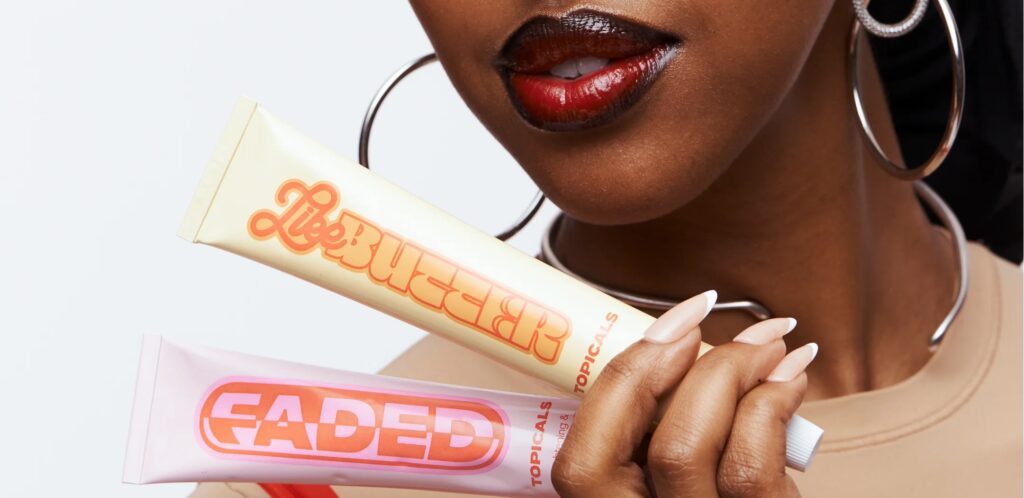
Empathetic communities can play a fruitful role in teen mental health. Brands like Topicals and Rare Beauty, the Selena Gomez-founded brand that’s pledged to raise $100 million for youth mental health initiatives, attempt to cultivate communities where members embrace flaws and are candid about mental health challenges. On its site, Topicals divulges, “People with skin conditions are two to six times more likely to experience anxiety and depression.”
Keller Laird says, “Beauty can be the gateway to discussing larger issues. So, in that way, using beauty rituals as self-care can help us discover certain things about ourselves and spark a new line of thinking.” She points out that the pandemic was a catalyst for beauty colliding with mental health in a big way. Keller Laird says, “People started thinking beyond the generic definition of wellness and going into more mental health and the condition-specific side of it—and now it’s almost become trendy, but mental health is not a trend.”
The beauty industry isn’t faultless, though, when it comes to the mental health crisis. What role does the industry play in instigating it? Beaton says blame can be placed on several industries, including beauty, for marketing that establishes and reinforces archetypal beauty and renders a substantial portion of the population outsiders.
“The beauty industry isn’t single-handedly responsible for the current state of affairs,” she concludes. “There’s no denying that it has contributed to the decline of a healthy mental outlook due to unattainable pressures and goals in terms of body image and looks from messaging.”
The beauty industry has long acknowledged mental health degradation—and increasingly it’s acknowledging its stoking of it. Philosophy was an early brand to interweave mental health into its business. In 2014, it started donating 1% of net sales over five years to mental health causes. The brand Hope Fragrances donates 100% of its profits to the Hope for Depression Research Foundation in honor of founder Audrey Gruss’s late mother, Hope, who battled clinical depression. In 2021, Maybelline struck a partnership with Urban Sophistication on a custom bundle that benefited The Jed Foundation, a nonprofit dedicated to preventing teen and young adult suicide.
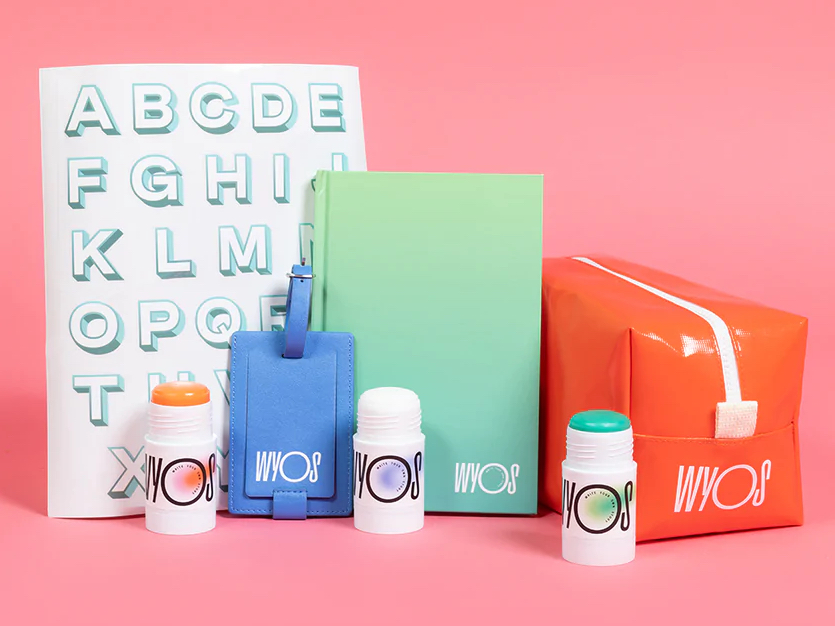
Topicals has set up a mental health fund awarding funds to women-founded organizations focused on BIPOC mental health. Gen Z skincare brand Bubble donates 1% of proceeds to nonprofits specializing in emotional encouragement for teens and young adults. Also aimed at young consumers, the brand WYOS supports The Madhappy Foundation, an organization advancing mental health awareness. A report from the American Psychological Association discovers that gen Z is likelier than any other demographic group to have mental health concerns.
Simply talking about mental health issues is a crucial step to normalizing them. Beaton says, “The courage of individuals to speak out about this ongoing problem has helped to shape a new reality for all of us and sparked resonance in a wide audience.” Keller Laird says, “These issues are just as commonplace as physical health issues. However, people have been saying that forever. They started to experience it for themselves in large numbers during the pandemic. There’s a difference between hearing a celebrity or anyone talk about their own experiences with a specific condition versus just seeing statistics.”
Keller Laird champions beauty brands that integrate mental health initiatives into their DNA from the beginning. “This approach taps into what makes the brand unique, especially concerning mental health,” she says. “When brands find their uniqueness and have an authentic story, it offers the potential to help someone differently.”
Brands shouldn’t enter the mental health field opportunistically, asserts Keller Laird. Teenagers can sniff out brands that don’t authentically align with mental health efforts. Keller Laird says, “It matters who’s talking about it. Who’s in the room when these marketing campaigns occur? Who is helping to shape the content and strategies?”
Lee emphasizes brands shouldn’t champion mental health initiatives unless they’re willing to change their marketing to not be destructive to mental health. She says, “It is performative to have a fund or donate to mental health organizations when there are brands out there contributing to an increase of body dysmorphia, disordered eating and feelings of anxiety and stress from the pressure to appear anywhere close to the unrealistic beauty standards.”
She adds, “It’s only acceptable if the brands and people running the brands are doing the work to learn, unlearn and change their behaviors on how they create a relationship with their consumers—and that takes a ton of work and has to be central to how the business is run as well, especially as we prioritize psychological safety as a part of how we have better mental health and care.”
Keller Laird notes that the beauty industry can diminish and fortify mental health outside of marketing “Pimple patches are perfect for people with dermatillomania, a skin-picking disorder even though hydrocolloid patches have a history in wound-healing, and psychologists often recommend them for people with dermatillomania to cover scabs or raw patches so it’s harder to pick at them,” she says. “There’s a way for brands to educate on these types of problem-solution associations to make even more of an impact and have people feel seen in a deeper way.”
Rituals and routines can be mental health aides, too. “There are beauty products that someone can use to help with more depressive situations, and others that can be used as mental health management tools—and it’s important to have those things,” says Keller Laird. “For example, if you can find a product that makes it easier to get ready in the morning, that’s great. the right headband cam help if you aren’t able to muster the energy to shower.”
Beauty products associated with mental health lifts are still at their core beauty products. They’re not medications. Keller Laird underscores beauty products and rituals won’t cure or solve the root problem, and there needs to be reasonable expectations attached to them. Keller Laird says, “But if a beauty product can make you feel good or a little bit better, that’s worth something.”
The players
5 mentionedCocokind

Bubble
Ritual
Not Your Mother's
iS Clinical