The Battle For Generation Alpha’s Hearts, Minds And Beauty Bucks Is Heating Up
Convincing alphas to whip out their Apple Pay won’t be easy. The generation born between 2010 and 2025 is shrewd, self-aware and even more opinionated and in tune with the world around them than their predecessors. But companies that get alphas to open their digital wallets will welcome a boon. At 2.5 billion strong globally and counting, alpha is projected to be the largest generation by 2025 and have the greatest spending power of any generation. In the United States, it’s also the most diverse generation, with less than half of American children today white.
“Brands are waking up and realizing that there is a generation after gen Z,” says Ashley Fell, social researcher and director of advisory at insights firm McCrindle. “We have already seen a lot of future-focused global brands thinking about this younger generation and trying to be ahead of the curve so that they are ready for them.”
Every alpha was born after the first iPhone. A quarter of them have a phone before they turn 11 years old, according to a Stanford Medicine analysis, and three-quarters of them have a phone before they’re 13 years old, offering a gateway to beauty products that earlier generations couldn’t have imagined at their age.
Social media is generation alpha’s primary source of news, information and inspiration. Fully enveloped in scroll culture, its members often turn to beauty videos to learn about viral products. Over half of gen alpha parents say their children watch shopping content, according to a report from business insights firm Morning Consult shared with the publication Retail Dive.
Marnie Nathanson, founder and CEO at digital agency The Social Status Co., says, “Technology is all they know, which has resulted in them having little patience, low attention spans [and] the desire for instant gratification.” She points out that many gen alpha children were initiated into the digital universe during the pandemic and “learned life skills to navigate stress and change” online. Beginning with Zoom school, they’ve becoming dependent on screens to socialize.
Kendall Becker, fashion and beauty trends editor at Trendalytics, says their ease of access to information yields an intelligent generation highly conscious of cultural trends, product choices and corporate responsibility. She emphasizes, “There won’t be any greenwashing or selling to them merely with a pretty label. Instead, products must be innovative and ethical to capture their attention.”
Compared to previous generations, Fell suggests gen alpha is empowered to wield technology rather than be passive subjects to it. “Particularly for alphas, the technology they engage with is so immersive and more so than it has ever been,” she says. “Even things like the metaverse, where they are creating situations and solutions in the moment and being active participants translates into different behavior.”
Gen alpha succeeds gen Z, but they’re closely linked to millennials, the generation they’re parents largely are a part of. “Millennial parents remember a time before devices and all these platforms, but, for their children, it is different,” says Fell. “So, while the millennial parent is visual, digital and social, these qualities are exacerbated amongst the alphas who are far more virtual and tech-savvy.”
Xennial mom Mandi Degennaro says her 10-year-old daughter Ava devotes close to two hours a day on social media—that figure can go up on the weekends—mainly perusing TikTok to learn about skincare and shop for beauty products. Per insights and social strategy group Cassandra, 55% of alphas use social media, and they’d rather be an influencer than president of the country.
By being steeped in social media, Degennaro says Ava is familiar with brands such as Drunk Elephant and Tree Hut, and “knows what slugging and contouring are.” She follows influencers Alix Earle, Sarah Betts and Mirta Miler because she’s a fan of their product recommendations and finds them entertaining. From them and other influencers, she’s picked up how to curl her eyelashes, clean her makeup brushes and make skincare smoothies.
But it’s not just influencers that affect alphas’ buying decisions. In a survey of alphas by communications agency Wunderman Thompson, a quarter said what influences them most to buy products are friends (28%), social media (25%) and family (21%). Nathanson says they’re heavily swayed by the generation raising them, whether that person is in their home or on TikTok, along with socioeconomic factors.
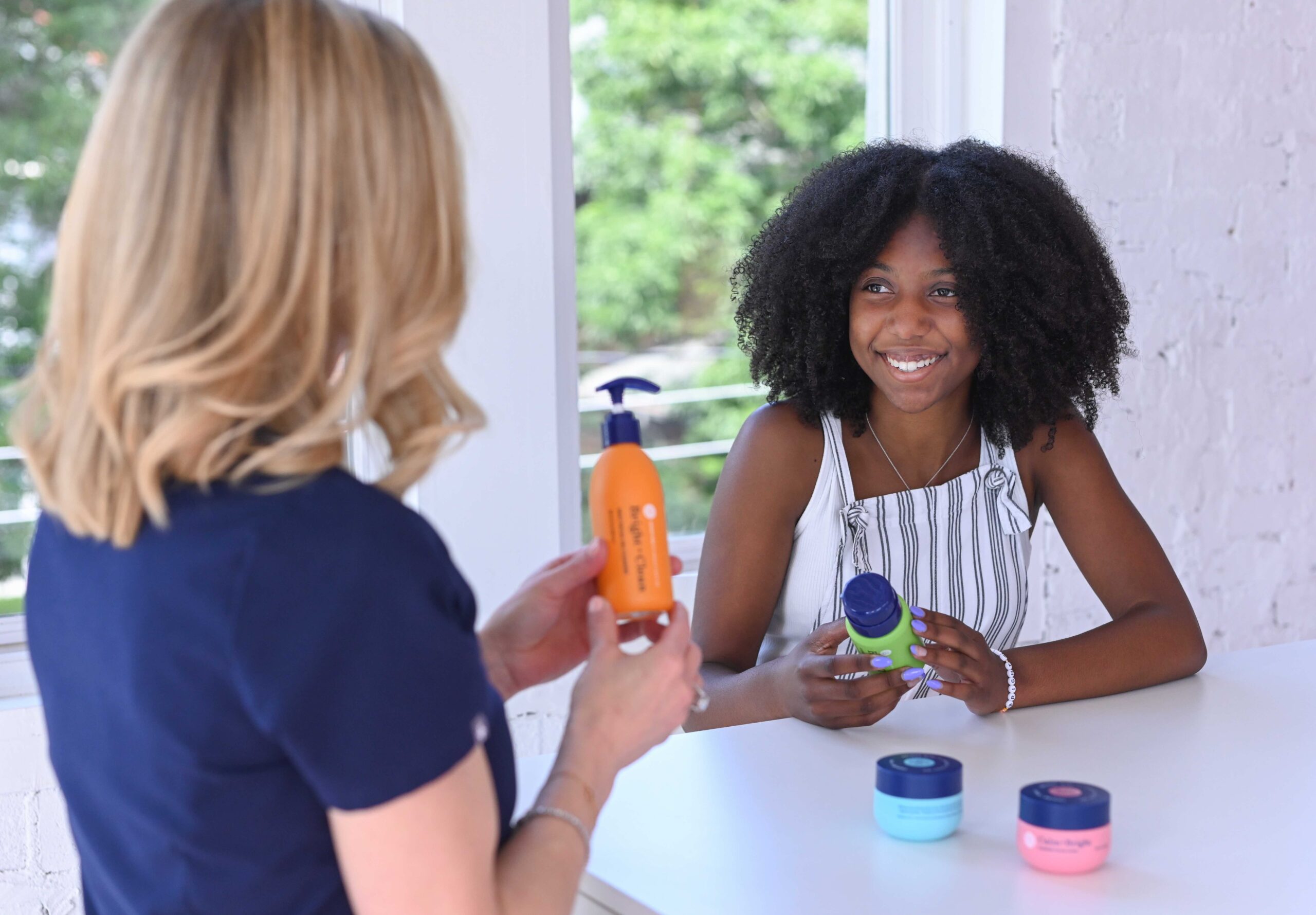
It can be impossible to distinguish the import of social media and social pressure as there’s a trickle-down effect from screens to social circles. “Their peers practice skincare, and they see celebrities’ kids on social media doing the same. So rather than watch content creators in their 20s and 30s, they are following nine and 10-year-olds who show their skincare routines,” Nathanson says. “After one girl gets a product, she shows her friends on messenger or FaceTime, the next kid inquires to their parents, and soon we are adding it to the cart.” Dermatologist and founder of Bright Girl Angela Casey’s 11-year-old daughter had a viral skincare fridge at the top of her Christmas list this year because it was plastered over everything she runs across.
Alphas aren’t waiting until they’re in the thick of their teenage years dealing with acne and oily skin to dip their toes into beauty. Millennial parents dialed into skincare and makeup are filling them in on the basics early on. “Millennial and gen Z parents take care of their skin differently than how the rest of us were raised,” says Nathanson. “Skincare, health and knowing how to fuel their bodies is something they implement as parents for alphas. They lean into natural and organic products, especially for little ones, as they venture into the beauty world. Millennial moms want to bond with their kids, so having this as a new ‘activity’ and an educational and fun moment is something young parents enjoy.”
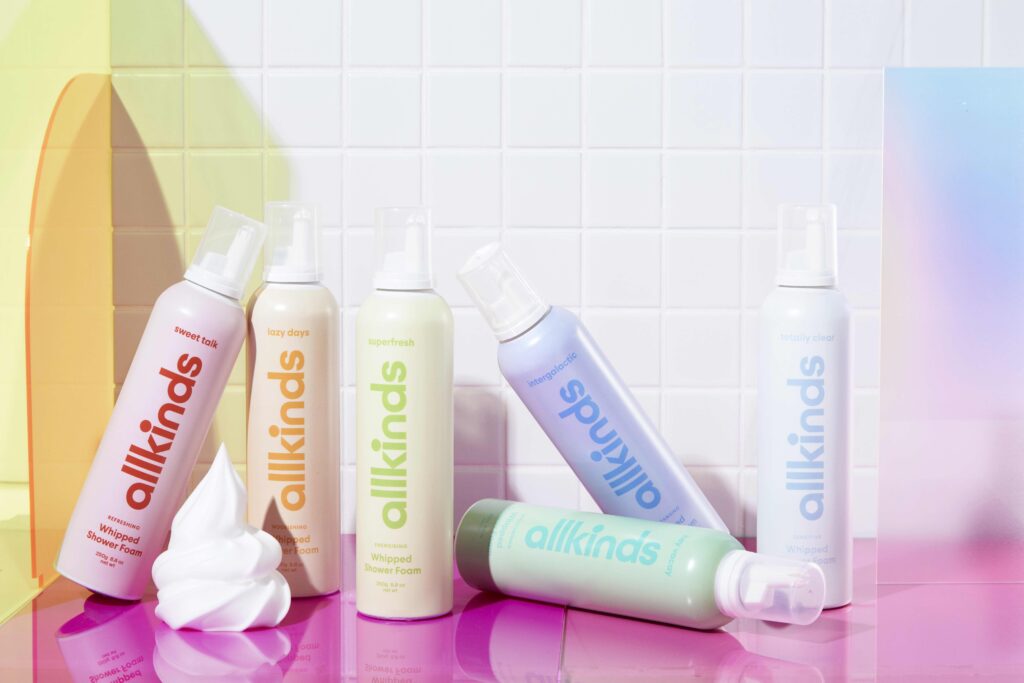
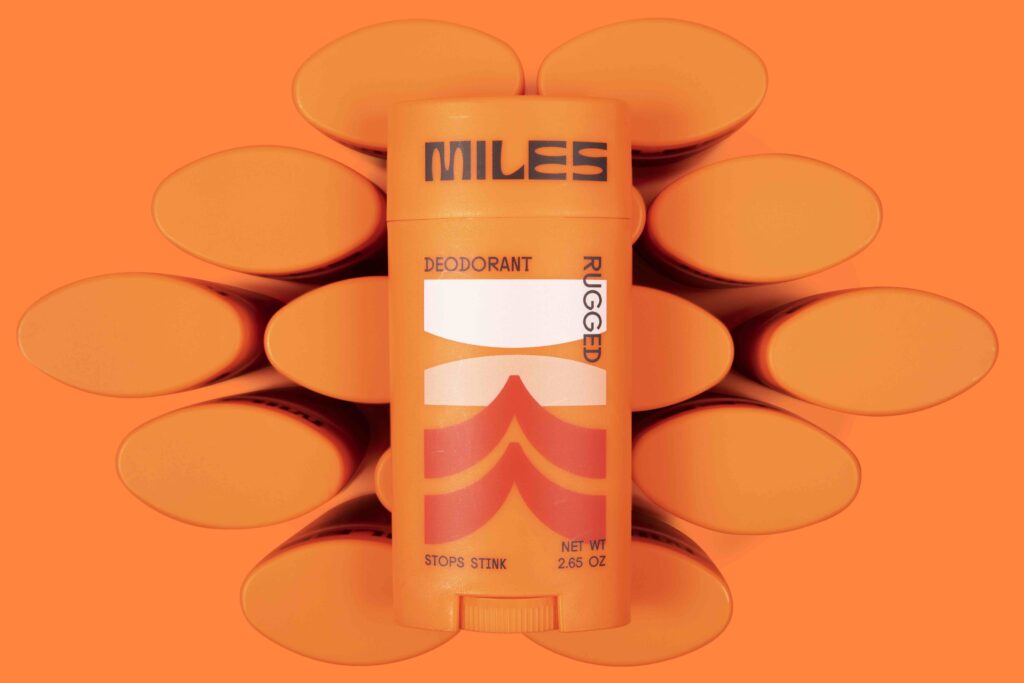
While alphas are attracted to beauty brands that skew older, a growing group of brands such as Florence by Mills, Allkinds, Bright Girl, JB Skrub, Miles, Petite ‘n Pretty and Bubble are paying close attention them and delivering products catering to them. Even Zara is getting acquainted with younger consumers with its new Mini Artists collection, a kid-oriented collaboration with makeup artist Diane Kendal. The collaboration received pushback on social media for selling makeup to young kids.
Casey decided to create Bright Girl, a line of elevated skincare for younger skin, to encourage a regular skincare practice. As a dermatologist, she’s cared for patients who lacked skincare awareness dating back to their youth and, as a mother, she’s struggled to get her three daughters excited about skincare. She says, “I see the consequences of years of sun damage and inflammation on patients’ skin and thought, ‘How can I reach more people and teach them about the importance of consistent skincare?’ When these kids understand why daily skincare is important, it could prevent much of the skin damage accumulated in our first two decades, which accelerates the appearance of aging and the advent of skin cancers later on in life.”
As young consumers enter the beauty sector, Becker says products like lip gloss are fun for them, and nostalgic trends are resonating. Speaking to Beauty Independent last month, she details the lip gloss “category is currently seeing 33% growth in average weekly searches since last year and a 13% increase in products in the market within the last 30 days.”
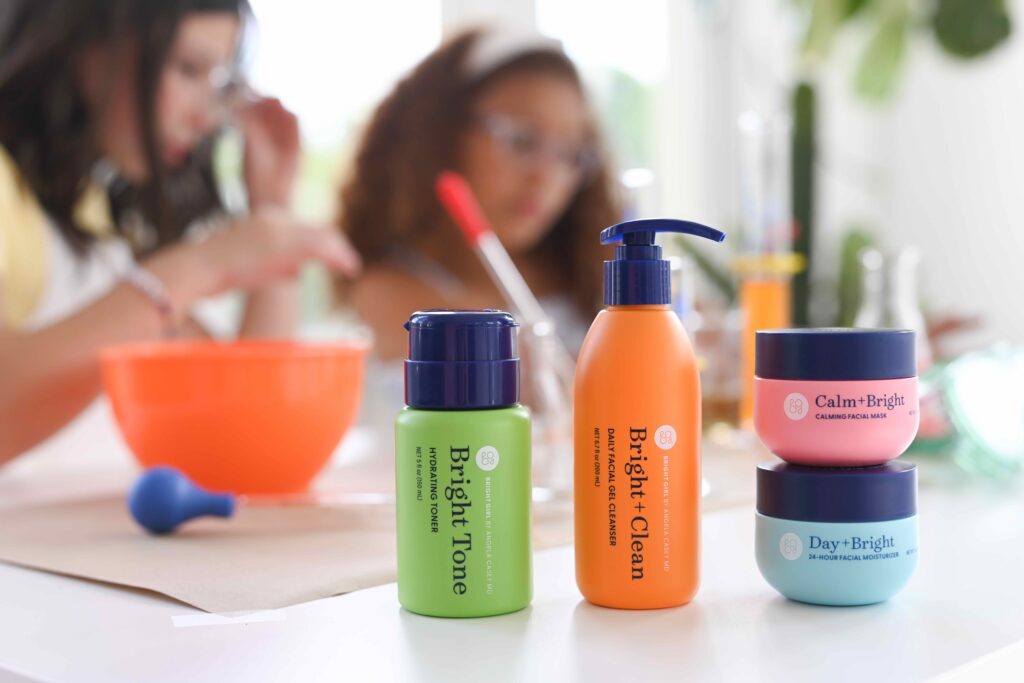
Gen alpha consumers are purchasing products online and offline. Fell says there are aspects of traditional retail that have merit to them. They’re captivated by checking out beauty products in person. Ulta is gen Z’s favorite beauty retailer, per investment bank Piper Sandler’s semiannual gen Z survey, and it’s angling for gen alpha adoration, too, by carrying brands like Florence by Mills and responding to social media trends.
In fall last year, Piper Sandler reports teens estimated they spent $2,331 a year on discretionary purchases, up 3% from the year-ago period. On beauty, their spending rose 20% to $264 a year, including $103 on skincare, $96 on makeup and $91 on haircare. More than 40% of teens surveyed wear makeup everyday.
Ava Degennaro prefers beauty shopping at stores for brands like Glossier, The Inkey List and Drunk Elephant. “I love going to Ulta to shop for makeup because I can see the colors and feel the textures. Sometimes, when I order something online, the product melts in shipping. Then, when I get it, it is not as it should be,” she says. Still, she isn’t against e-commerce and purchases items she replenishes frequently like micellar water and pimple patches online.
Fell mentions that gen alpha consumers are supportive of small, independent and local businesses. Smaller brands that they usually discover on TikTok and Instagram aren’t always available at giant beauty retailers. She says, “It’s going away from that industrialized market to one that’s more of an artisan one, which I think will be an opportunity for smaller beauty brands to thrive amongst these children, especially perhaps those smaller players who can offer that level of customization, which gen alpha is very into and all about.”
Fell notes gen alpha has come to expect a level of personalization in the products they buy. “Their physical and digital worlds have merged, but the degree to which customization will exist, especially in beauty, is something we will see in the future,” she says. “I think that component shapes their expectation of a brand.”
For example, Fell predicts alphas may expect beauty product packaging to be customized in ways it hasn’t been customized so far. She says, “It may be very challenging for large companies and mass-produced products to achieve the level of personalization they are used to with avatars, for example, which can cause friction in the purchasing process.”
Nathanson mentions gen alpha consumers will investigate a brand to determine if its values align with theirs prior to purchasing. She says, “To make that connection, beauty brands must build online communities where they can share a strong brand story highlighting where their products come from, how they are made and how their company makes a difference.”
Gen alpha consumers are drawn to businesses concerned about sustainability, inclusivity, open mindedness, respect, and gender and racial equity. Nathanson says, “Their role models condition them to care about sustainability and social responsibility, so they look for brands who support those causes.”
Content must appeal both to parents and children to solidify a gen alpha purchase. As beauty brands attempt to entice scrolling gen alphas, Nathanson stresses they must woo parents as well. “Trust and transparency are what the parents want,” she says. “Social storytelling needs to be engaging, show real humans and products, and proof that it works and is safe for their younger children.”
In creating content that kids devour, beauty brands must be mindful of social media’s impact on mental health, too. Depression in girls has been associated with higher usage of social media, and images on social media can make them self-critical about their appearance, body and weight. Research from the American Psychological Association shows that teens who reduced their social media use by 50% for a few weeks registered improvement in how they felt about their weight and appearance compared to those who didn’t reduce social media use.
Degennaro worries about how brands are marketing to gen alpha at a tender age. She says, “Brands that skew older are now marketing towards a younger demographic and are taking advantage of them to a fault. TikTok and Instagram target these young girls. It’s out of control that brands use influencers to make these young girls want to look like them…Just because younger kids are easily influenced to buy whatever they see on Instagram or TikTok does not mean it is in a brand’s best interest to go after a younger demographic intently.”
Plenty of brands are cognizant that marketing to kids is a sensitive matter. Several are making mental health a priority. For example, Bubble donates a percentage of proceeds to nonprofits that support young people struggling with mental health issues. Unilever brands support self-esteem and well-being, and Rare Beauty has pledged to raise over $100 million for mental health services.
Gen alpha consumer Ava Degennaro considers design—packaging and branding are critical—effectiveness, and safe and cruelty-free formulas when buying beauty products. She says, “I like products that look nice and clean with a pop of color like Drunk Elephant. I don’t care if it has fragrance or not.”
Degennaro estimates Ava spends, on average, $50 to $100 a month on beauty products. Degennaro pays for 50% of the products. The rest is generally covered by gift cards and money from grandparents. Degenerro says price is definitely a factor in product purchases. Ava’s most recent purchase—and priciest to date—is the $60 Drunk Elephant Lala Retro Whipped Cream. “It’s expensive, but I think it is worth it because it lasts a long time, and I think it is really good,” says Degennaro, who has her eyes on the viral $40 Dior Lip Glow. “People I know who have it say it is good, but I have not bought it yet because it is pricey.”
Ava’s fascination with beauty is quite different from her mother’s at the same age. In a story illustrating Ava’s beauty knowledge, Degennaro recounts, “Her dermatologist told her that CeraVe is good and that it is better to use fewer products. Ava said, ‘That may work for your other patients, but CeraVe made me break out, and I love having a skincare routine with multiple products.’ However, I think my daughter can be more practical and not fall for everything she sees on TikTok, thinking just because it is there, that it is a ‘must-have.’”
Degennaro reflects, “I was not nearly as self-aware or obsessed with trends at such a young age. I did not take care of my skin nor did I care about it until my early teens when I started wearing makeup and using Sun In in my hair. Ava is much more into products than I was at her age.”
The players
5 mentionedMomentous

AS Beauty
Glossier
Merit
Rare Beauty