Why Cold Plasma Is The Hottest Facial Technology Right Now
While people’s appetite for incorporating animal ejaculate into their beauty routine may vary, most consumers—and esthetic treatment providers—are always looking for new technology that gives maximum results with minimum downtime. That’s why cold plasma is garnering major buzz among in-demand facialists and derms.
Eunice Park, plastic surgeon and founder of Airem Aesthetic Spa & Plastic Surgery, which has locations in Manhattan, Syosset, Long Island and the Hamptons, explains that cold plasma, also known as non-thermal plasma, involves the application of ionized gases at room temperature applied to the skin. The treatment is usually administered with a handheld wand or gun type device. The “cold” is a bit of a misnomer: In this case, cold means 55 degrees—or room temperature. Unlike many modern laser treatments which are either ablative or non-ablative, cold plasma does not heat up or damage the skin, so there is little to no post-treatment downtime, making it an attractive option to busy medispa clients. “The technology is being explored for various applications, including aesthetic medicine and skincare,” says Park.
Doctors like Park—as well as estheticians—are excited about cold plasma not only because of clients’ ability to go straight from the treatment room to an event, but also because of the breadth of its esthetic uses. According to Park, benefits include the treatment of acne, due to cold plasma’s antimicrobial effects; anti-aging, due to cold plasma’s ability to stimulating collagen and elastin production; inflammation reduction which can benefit people who suffer from conditions like rosacea; and wound healing. “Enhanced wound healing properties make it suitable for post-procedural care and treatment of chronic wounds,” Park instructs.
Like many modalities that find their way into medispas, cold plasma has its roots in the medical space. The technology has been used for years to help treat warts, and due to its wound healing ability, is even being brought into the operating room. In May, plasma technology specialist US Medical Innovations received FDA 510k clearance for its Canady Helios Cold Plasma Ablation System for the ablation of soft tissue during surgery. This means that the plasma jet is used during surgical procedures immediately following the removal of a solid tumor to help inhibit tumor regrowth as well as encourage overall healing.
For veteran New York City facialist Jillian Wright, a big draw of cold plasma is its ability to play well with other esthetic technology. She brought cold plasma into her treatment room about a month ago. Wright, who was co-founder of Indie Beauty Media Group, books her facials by duration of time rather than facial type, from 60 to 140 minutes, starting at $300. She says of her bespoke approach, “I treat everybody individually, as if they’re my art. I look at someone’s face as my canvas and I have all of these amazing tools and devices at my fingertips. I don’t follow a certain protocol. I’m very present while I’m doing the facial and I see how the skin reacts.”
After analyzing clients’ skin and ascertaining their goals, Wright draws upon several different technologies and modalities, including dermaplaning, high frequency, LED light therapy, radio frequency and microcurrent, which she adds as needed to traditional facial steps like exfoliation and extractions. Cold plasma can be seamlessly integrated as a step—treating the whole face takes under 10 minutes—in a treatment without worry of contraindications.
Wright explains, “I’m always searching for non-invasive, non-surgical options that I can layer with the modalities that I currently offer that will give my clients the results that they’re looking for. Or, even if they don’t know that they’re looking for these particular results, I want to find something that is really good for pigmentation, for aging, for acne.” She adds that she often explains cold plasma to her clients as “high frequency on steroids. It’s going to smell very similar, it’s going to feel very similar and it’s going to help to disinfect their skin. It’s also very healing to the skin.” Wright also appreciates that cold plasma is not only safe to use on clients with rosacea, eczema, contact dermatitis and similar skin issues, but can help alleviate them.
At Airem, Park also combines cold plasma with other technology to provide maximum results. Park calls the one-hour, minimally invasive PlasmaTite treatment a “weekend neck lift.” Priced just under $11,000, the customized treatment uses cold plasma for skin tightening and toning and improved jawline definition. Park says cold plasma can also be effectively combined with microdermabrasion, microneedling, chemical peels and lasers. With the latter two, cold plasma can be administered after the treatments to promote faster healing.
Another draw of cold plasma is the lower cost of the machine when compared to many other professional use treatment devices. A Hydrafacial machine, for instance, can run from $20,000 to $30,000, depending on the model. Adding a body contouring Eon laser to a treatment studio can cost nearly $300,000 all in. Wright and fellow New York City facialist Pietro Simone each spent about $5,000 on their cold plasma machines.
For Wright, when looking at choosing different devices to bring into her treatment room, a six figure machine that may also have consumables like needles or applicators that must be replaced for each client is a tough sell. “How are you ever going to make your money back?” she asks. “Five thousand is affordable. You can work that number into your monthly [expenses] that you have to pay for your business. You don’t have to spend a lot to have amazing equipment, which will in turn give you amazing results. And your client’s coming back for more.”
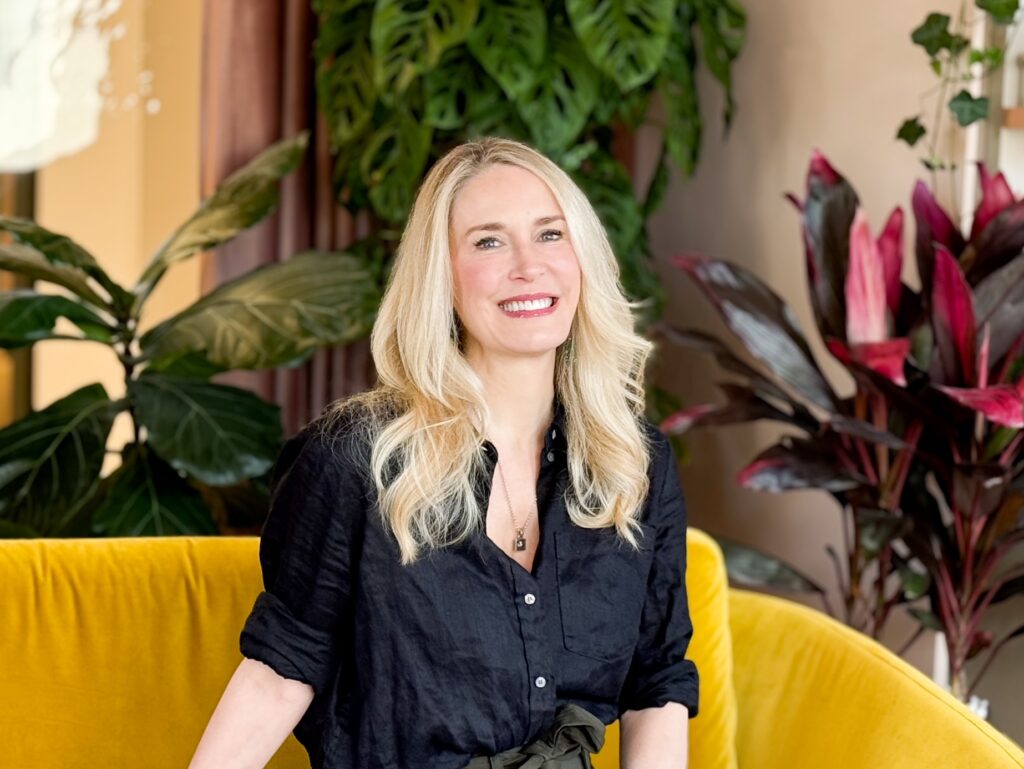
Simone also offers different buildable treatments at his Soho and London studios that he works cold plasma into. For that reason, you won’t find a cold plasma facial listed on his treatment menu. Simone offers The Corrective Lift Facial for 60 or 90 minutes, $475 and $675, respectively, that he has incorporated cold plasma into in the past year.
“Let’s say I’m doing peels, cotton thread, dry massage, then I’m going to use endospheres, then radio frequency and then even microcurrent,” he explains. “At the end, prior to the application of either exosomes or peptides, I’m working cold plasma all over the face. The level of penetration of active ingredients is going to be way stronger.”
Simone shares that cold plasma plus polynucleotides is one of his favorite ways to address eye area concerns. He is no stranger to using bleeding edge ingredients like exosomes and lesser known peptides in his treatment room. “All of these very skilled active ingredients [can] actually be paired with cold plasma,” he instructs. “There’s definitely a big boost in allowing a better penetration of active ingredients.”
While Wright promotes a holistic approach to her treatments—everyone that lays on her table enjoys the benefits of its warming, crystal-infused chakra balancing mat and the sensorial pleasure of the clean skincare products she uses—many of her clients, who range in age from twenties to over eighty, get esthetic treatments like Botox and fillers. She notes that cold plasma is fine for those faces, too, though not immediately after an injectable. Other contraindications include people with pacemakers or other severe cardiac conditions. While pregnancy isn’t listed as an official cold plasma contraindication, she hasn’t done a treatment on a pregnant person yet.
As far as pain during the procedure, on the gentlest setting she doesn’t use any numbing agents, though she preps her clients by telling them there will be a prickly sensation. “But,” she notes, “If we were going to address something like acne or pigmentation, I would suggest doing the machine on a higher level and numbing the area that we were going to be working on. It’s very powerful. And some areas might be more sensitive than others. Your cheeks might be more sensitive than your neck.” Wright says you can also use cold plasma on any part of the body for skin tightening, acne, etc. “I’m willing to do what my clients need to achieve their goals.”
The players
4 mentionedToo Faced

Under Your Skin
Better Being
AS Beauty