The War In Iran Is Straining Both Beauty Indies And Conglomerates
For now, MNQA is absorbing the increased costs rather than passing them on to consumers, particularly because the brand is still new to the market. Instead, Alturaif is considering doubling its MOQs from 10,000 to 20,000 and increasing her backup stock from 15% to 30% to avoid future stockouts and shipping uncertainty.
“It’s going to be an extra investment, but then again, I won’t have to have this loop of going back and forth of not knowing if it’s going to get shipped, if it’s going to get stuck, if the prices of the shipping are increasing,” she says. “This helps to avoid all of that.”
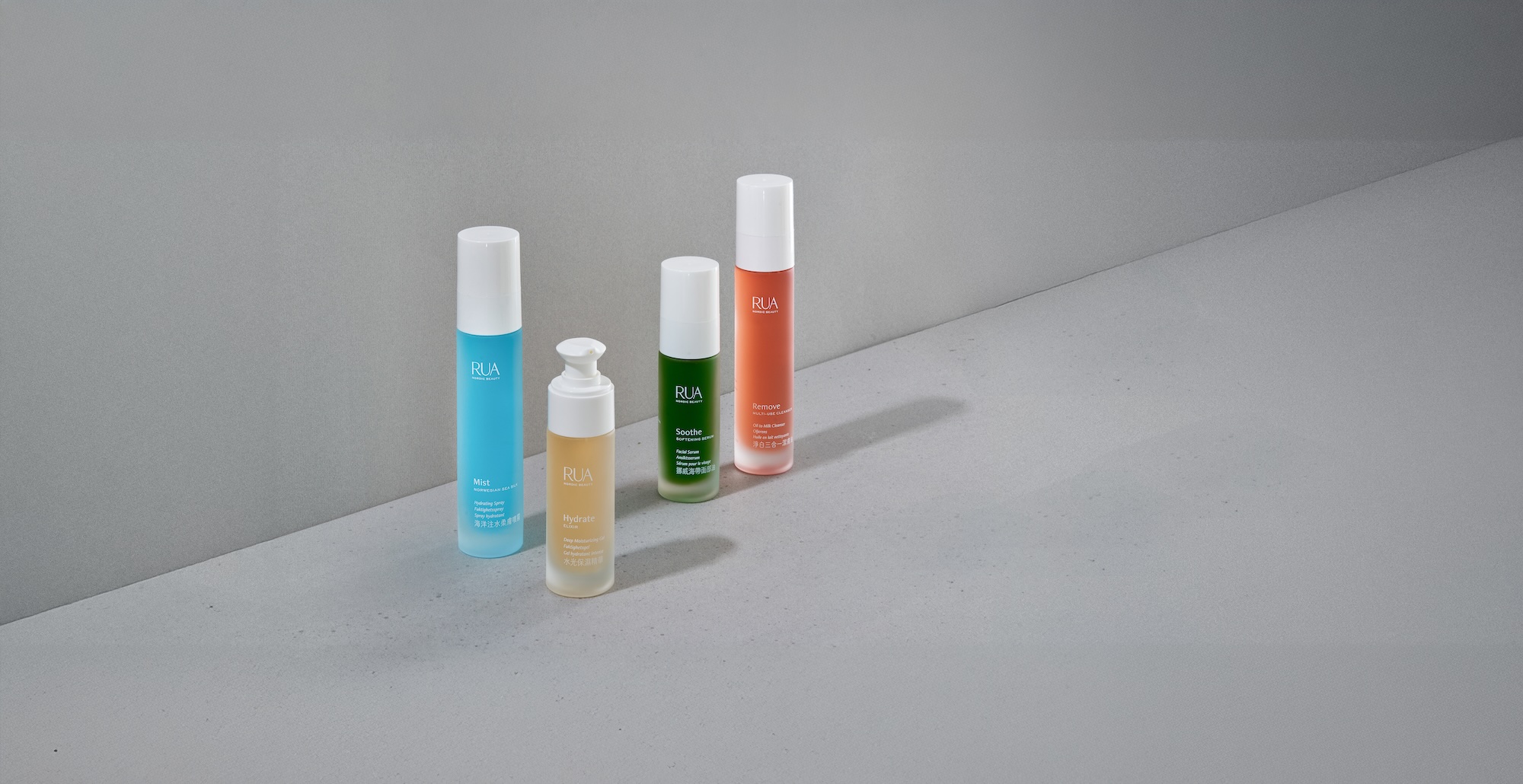
Dunn is choosing to reorient her business closer to home by focusing on local customers rather than pursuing global distribution and sales. She’s looking to host skincare workshops and foster community building, something she believes has gotten lost in the explosion of indie beauty post-pandemic.
She says, “Hopefully this will be a return to what indie beauty really represents, and that is a community-based, customer-based experience versus having goals to be in major retailers such as Sephora, for example.”
As the war continues to expose beauty’s packaging problem, particularly its reliance on plastic, Dunn sees this moment as a wake-up call for brands to rethink the industry’s infrastructure altogether. “Hopefully, this is the demise of this really destructive and deathly industry for our planet and for humankind,” she says. “Rua, she is the daughter of Mother Earth, so she’s out here fighting every way she can to protect our planet and to protect human beings.”