The Everlane Example: Lessons From The Once-Darling DTC Brand Selling (Out) To Shein
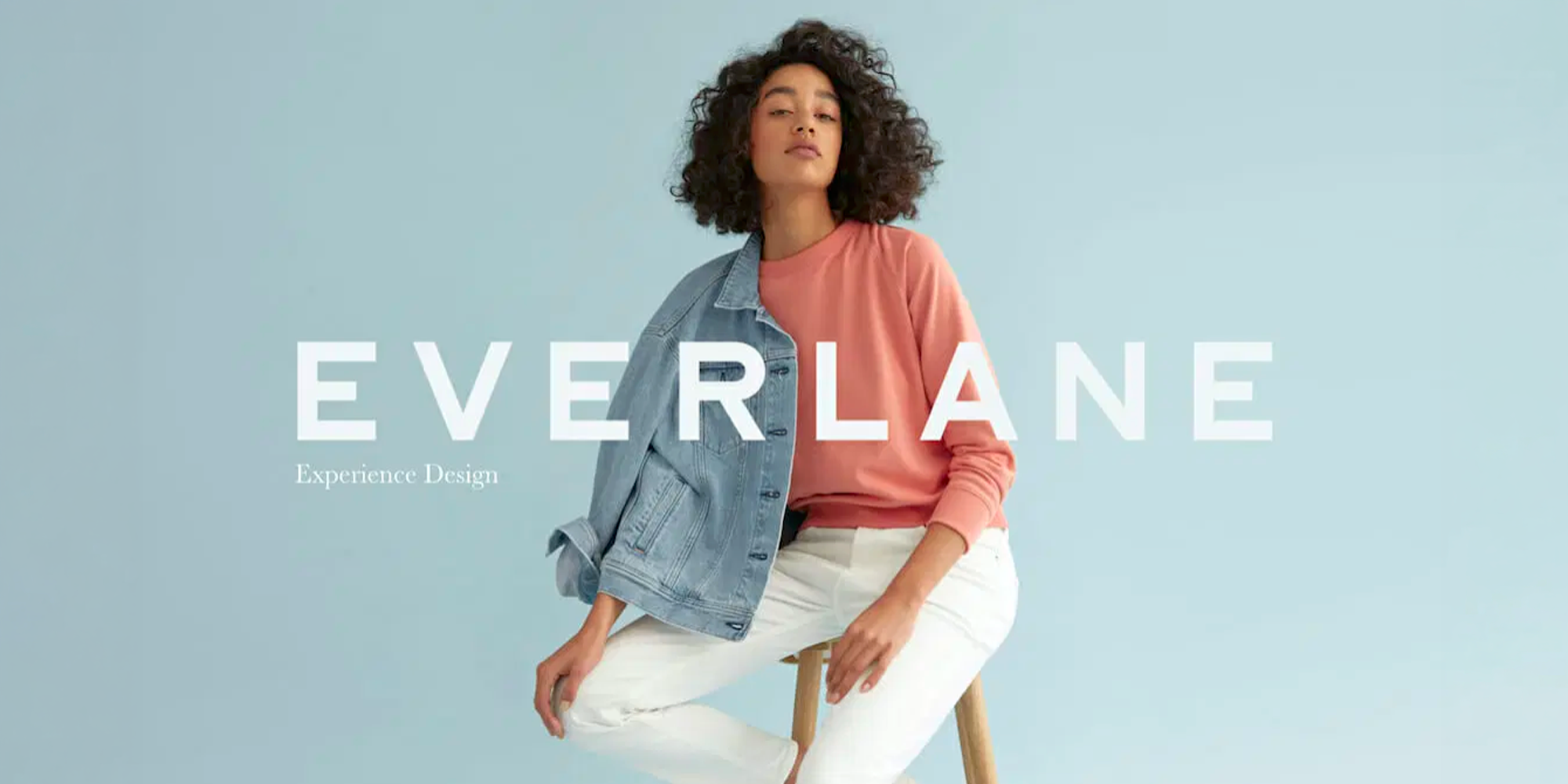
For a generation of consumers sold on the ideal that fashion could be stylish and ethical at the same time, news of Everlane’s sale to Shein this week is an unsettling development.
Reported first by the publication Puck News, the deal values the once-megawatt direct-to-consumer apparel brand at roughly $100 million, well below the $550 million valuation it received in 2020 when private equity giant L Catterton took a minority stake in it, and sent tongues wagging in fashion, retail and consumer packaged goods circles over the irony of its mismatched pairing.
Everlane spent over a decade positioning itself as an anti-fast-fashion brand, championing pricing transparency and ethical supply chain practices for its primarily millennial audience. Meanwhile, China-founded Shein is everything Everlane is not. Valued between $30 billion and $50 billion, it’s become the global face of ultra-fast fashion, known for its super cheap and highly replenishable clothing as well as a long list of controversies over labor and environmental practices.
According to Puck, Everlane’s common shareholders are expected to walk away with nothing from the sale. L Catterton took majority ownership of the brand in 2024.
The deal marks a precipitous fall for one of the original millennial DTC darlings and underscores how dramatically valuations for mission-driven startups across fashion and beauty have cratered since the 2010s. Like Glossier and Allbirds, Everlane was viewed as a major industry disruptor until surging customer acquisition costs, profitability pressures, fierce competition and changing consumer behavior undermined its business model.
Founded in 2011 by Michael Preysman and Jesse Farmer, Everlane built a loyal following for minimalist basics and radical transparency about product markups, sourcing and costs. Over the years, Everlane raised more than $130 million from investors, including Index Ventures, Maveron, IVP and L Catterton. In 2020, L Catterton led an $85 million round that reportedly valued the company at around $550 million, when Everlane was generating roughly $200 million in annual revenue.
However, Everlane struggled as the DTC boom burst. Competitors like Quince, the multibillion-dollar DTC fashion company that ships products to shoppers directly from factories, undercut the brand on price, and Everlane cycled through leadership changes while attempting to compete. Alfred Chang, a former executive at PacSun and Fear of God, was named CEO in 2024 with ambitions to push the brand toward a more elevated, clean luxury positioning. The turnaround failed to reverse Everlane’s trajectory, and annual revenue slid to around $160 million, with the company carrying roughly $90 million in debt. Preysman previously stepped down as CEO in 2021.
We were curious about the implications Everlane’s sale could have for beauty brands. For the latest edition of our ongoing series posing questions relevant to indie beauty, we asked 13 brand founders, investors and consultants the following: What lessons should beauty and wellness brand founders glean from Everlane’s sale to Shein?