Unpacking The Future Of The Subscription Beauty Box Business
As the new year approaches, though, subscription boxes are vying for survival in a crowded market, especially as physical shopping returns. Compounding their challenges are pesky hikes in shipping rates as well as a multiplicity of other costs heightened by the supply chain crisis, and subscription burnout on the part of consumers. The beauty subscription model may be facing its biggest test yet.
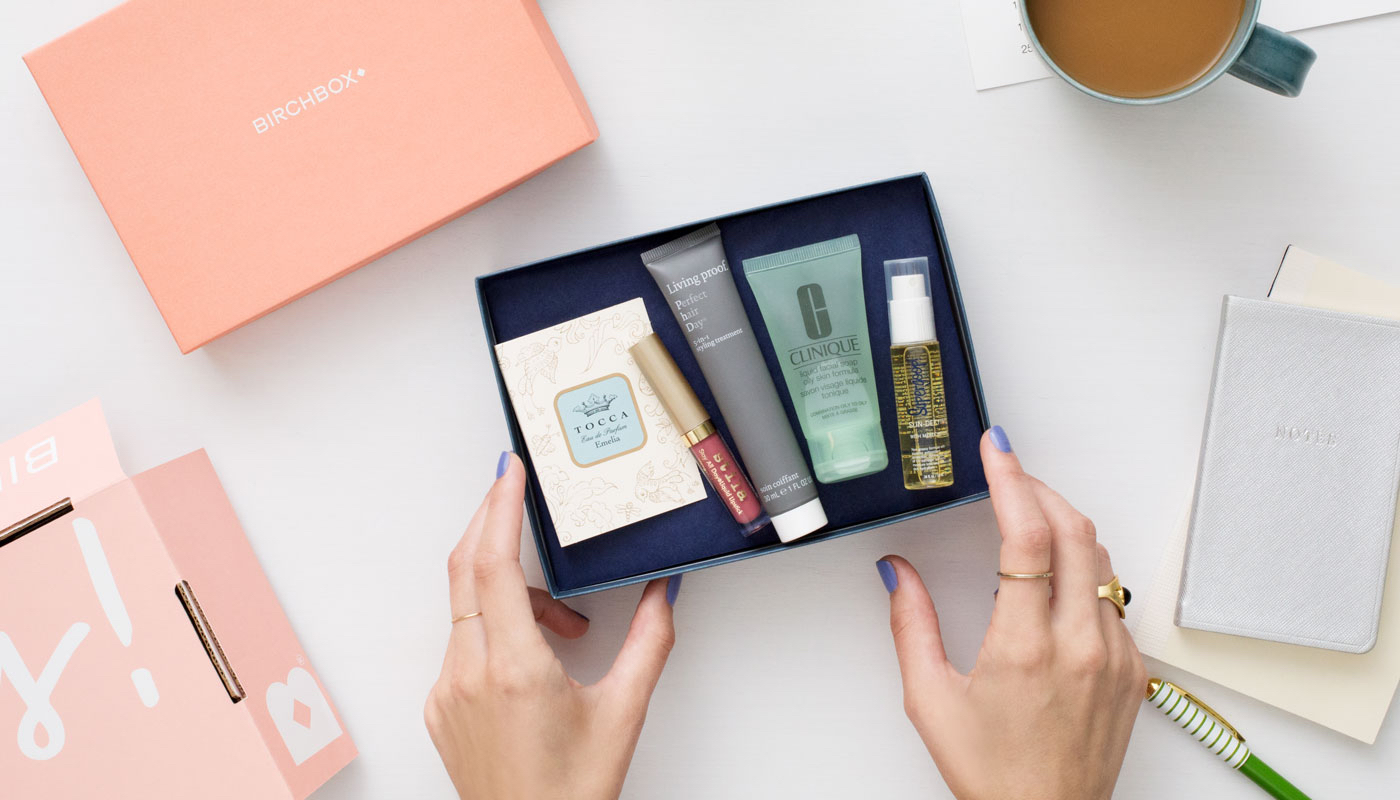
Signs are already emerging of difficulties in the beauty subscription box space. A handful of smaller boxes such as The Clean Beauty Box have folded. Birchbox recently sold to FemTec Health in a bargain $45 million deal that portends a shift to wellness. Since its founding 11 years ago, the subscription box pioneer once valued at around a half a billion dollars raised more than double its sale price.
Still, beauty box companies and the brands that rely on them for generating trial hold subscription discovery services will maintain a critical role in facilitating beauty brand awareness and sales, particularly as digital customer acquisition costs climb and Apple’s iOS 14 update impedes the performance of Facebook advertising. They argue boxes can build momentum if properly managed.
Mehir Sethi, founder of clean makeup brand True + Luscious, believes beauty subscription boxes will remain attractive to customers. “Most subscription boxes seem to have been thriving and growing during the pandemic, and I think this will continue as the world has tilted permanently toward more e-commerce purchases and curations as a service,” she says. “It is a great way for brands to introduce their products to a large, engaged and relevant audience.”
Andrew Bernstein, co-founder and CEO of Kinder Beauty, which specializes in boxes filled clean, vegan and cruelty-free products, says the company’s business “exploded” in 2020. The pendulum swung back this year as stores rebounded, leading to a period Bernstein acknowledges was “tough” for Kinder Beauty, but he’s confident the concept has legs because of its focus on better-for-you, ethical products resonates with today’s consumers. His confidence is grounded in sales. Despite hurdles this year, Kinder Beauty is on pace to grow 45%, and the week of Nov. 8 was its strongest of 2021, causing Bernstein to have optimism for the fourth quarter.
Birchbox Blunders
As the box field looks for ways to stand out, the industry is monitoring Birchbox’s wellness move. “FemTec’s vision for the future of women’s healthcare was inspirational to me and I could see the opportunity for the thousands of women in the Birchbox community to extend beyond consumer beauty products to a more holistic health and wellness offering,” said Birchbox founder Katia Beauchamp in a release. Beauchamp sold her Birchbox stake and is exiting her CEO post, but will stay on as an advisor to the company, which laid off a quarter of its staff in early 2020.
With 300,000 subscribers, down from more than 1 million five years ago, Birchbox has made a number of efforts to expand its reach and profitability. In 2018, Walgreens took a minority share and opened in-store shops with Birchbox to nab luxury brands and turn subscribers into shoppers. Recent visits to Walgreens locations in the Chicago area show the in-store shops have been disbanded. In addition, Birchbox dabbled in its own short-lived stores and initiated its own brands, too, including makeup brand LOC (Love of Color), athleisure beauty brand Arrow and refillable beauty brand Re.fil.
People in the box segment expect wellness to be a boost for Birchbox, but not a savior. It doesn’t wipe away Birchbox’s problems. Among them are pricing its boxes at a premium while running up against a dearth of premium products to load them with and consumer indifference. “The industry changed; Birchbox didn’t,” says one competitor. Another chimes in, “It was hard to fill the box with unique items. When people had something they liked, the simply purchased it online or at a store, and there haven’t been enough new items in their price range.”
Brands mention Birchbox had been undergoing changes of late that impacted its business. “We felt we gained awareness, but also thought there was a duplication of the same customers with each successive time. So, over a two-year period, we did not gain as much incremental awareness as we would have hoped,” said a source at a skincare startup that had products in Birchbox boxes three times in the past two years. Although the 10,000 samples sought by Birchbox were a substantial expense for the brand, it hoped to increase exposure through Birchbox’s clean beauty boxes—and did. In advance of the first mailing, 80% of recipients hadn’t heard of the brand. That percentage dropped to 70% after the second.
However, the founder isn’t convinced the conversion was as high as projected. Analytics from Birchbox suggested 61% of members receiving the brand’s item in a box had an intent to buy—13% definitely and 49% probably. In actuality, the founder estimates there were about 1,000 to 1,300 purchases fueled by the box, under what Birchbox’s figures would indicate.
Birchbox was in a decline by the third shipment of the brand’s merchandise. “There was no follow-up, there was a revolving door of personnel and, quite frankly, it was difficult to finish the program due to the changing managers all the time,” says the founder. “As a company, we are still new, so all exposure is good, but I got the feeling they were no longer reaching new users, and they had cycled through their user base list many, many times creating user fatigue and lack of excitement.”
Indie Brands And Boxes
For spring 2022, the brand is opting for two retailer-associated boxes that will be sent to a total of 12,800 consumers. “We will see if we gain more completed carts and actual purchases,” says the founder. “Their peer box purchase price is slightly higher than Birchbox, and we are able to measure the results more directly as it is attributable to one specific retailer’s sales.” The founder emphasizes it’s important to refresh member bases and support boxes with social media and advertising.
Another nascent beauty brand says it was previously able to quadruple orders after a shipment of a box from a major subscription company. In contrast, in the spring of this year, the box didn’t move the needle. “People aren’t spending, and they are not willing to take a risk on products they don’t know,” the founder concludes.
Subscription boxes have to counter subscriber fatigue, not a straightforward feat. Drawing and retaining subscribers is complicated by the flood of celebrity brands attempting to eat into the wallets of beauty enthusiasts. Ipsy has recognized the power of celebrity and, through its beauty brand incubator Madeby Collective, entered the celebrity fray with Item Beauty affiliated with Addison Rae and Treslúce Beauty affiliated with Becky G.
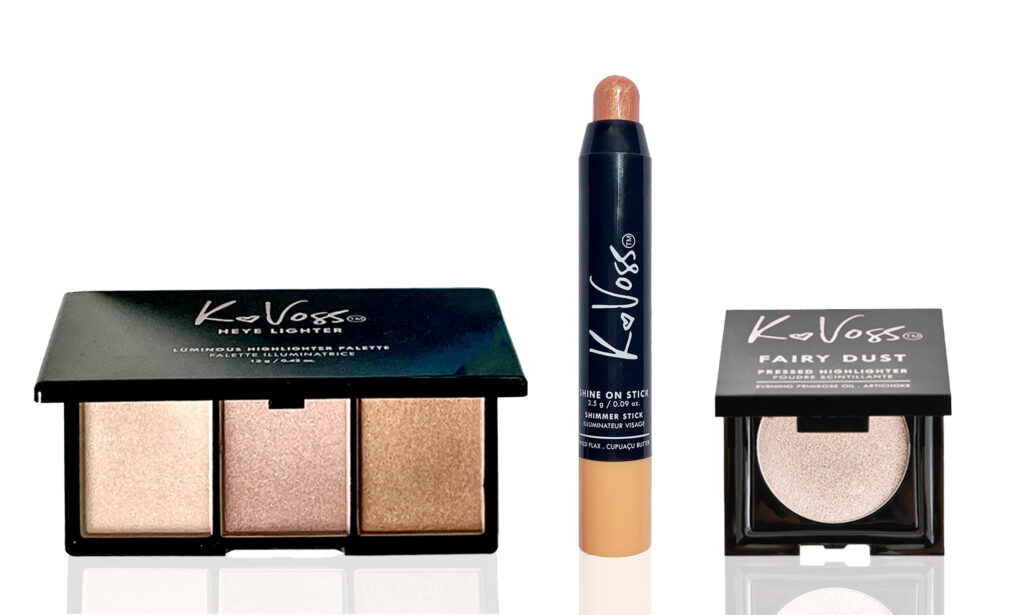
“Every other day it seems like a celebrity comes out and just slaps their name on a beauty brand without putting all the love and passion we small business owners do,” says Kristin Voss, founder of skincare and makeup brand KVoss. “It has been disheartening because it is hard to compete with a celebrity who already has a ton of presence and exposure.”
On top of the celebrity brand eruption, the sheer number of boxes inhibits the success of any single shipment, and boxes are putting pressure on brands by maneuvering to squeeze more money out of them to cope with mounting obstacles. As supply chain disruptions pinch beauty brand margins, those demands are becoming increasingly tricky. It can be cost-prohibitive for fledging brands to get involved.
“I single-handedly built my business through subscription boxes. However, they are not always easy for smaller brands,” cautions Voss. She’s been informed by some subscription companies that KVoss was too small to have items in its boxes or didn’t have enough of a social media presence. Boxes can be a huge commitment, so it’s not absurd that large box companies would be weary of the ability of small brands to fulfill sizable orders. KVoss has been in several boxes like Petit Vour, Kinder Beauty, TheraBox and Ipsy, which Voss lauds for concentrating on a brand’s product quality over social media metrics.
Ipsy asked for 400,000 of KVoss’s lip balms, and Voss realized that, if she were to hand-make that amount, she would not be done in a year if she churned out 1,000 a day. “I had to find a manufacturer, and Ipsy really held my hand,” says Voss.
The volume needed for boxes can definitely be a deal breaker for budding brands. An upstart skincare brand investigated participating in the NewBeauty TestTube. At this point, its founder says the 7,000 gifted units, costing roughly $35,000 in cost of goods, was beyond the brand’s capacity.
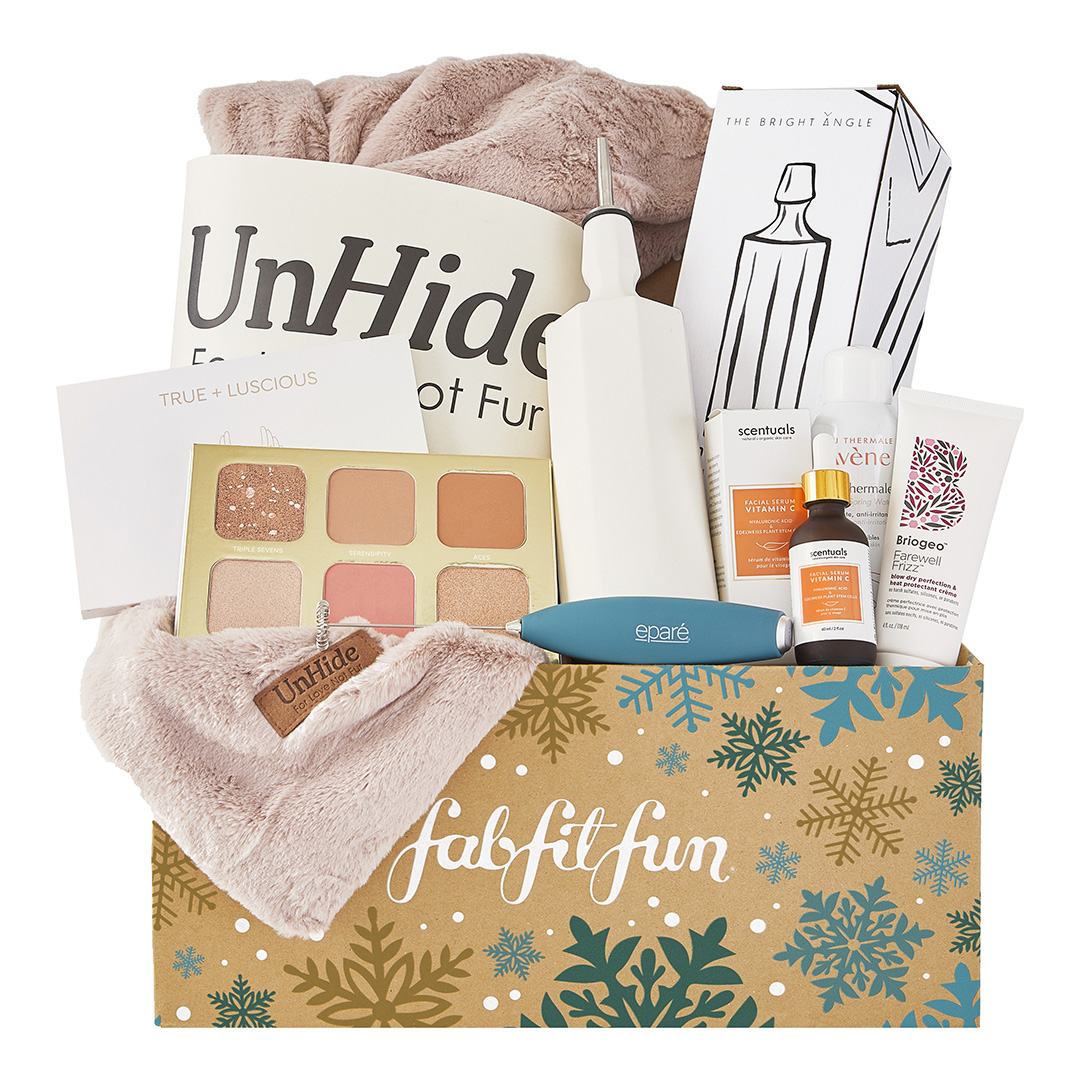
Co-founder Katie Ann Echevarria Rosen Kitchens stresses FabFitFun works hard to allow smaller brands, integral to its beauty business, to participate in its boxes. “We cover the cost of goods for products. We are not wholesale, not a percentage, but [cover] true cost of goods,” she says. “We know that sometimes our scale can be intimidating, usually 100,000 to a million units. We do have a robust growing e-comm platform for our members and that per unit might be more digestible for a brand starting out, where we can place orders of 1,000 to 5,000 units to get a feel of how members react, and [it’s] an easy way to test the waters.”
The economies of scale can be favorable for brands. Typically, Kitchens notes, “Our purchase orders are big, so we are able to help brands get down the cost of goods, not just for our order, but going into a factory and saying they have a 500,000-[piece] order is pretty darn good.”
Ipsy, which declined to speak for this story, has different membership options, and the options have different requirements for brands, providing smaller brands with more tenable means to partner with the company. For instance, brands can be in Ipsy’s Glam Bag Plus, an upper-tier option, or be add-on choices for members. Generally, even if a box will only break even, many small brands deem the possible exposure a win.
Indie beauty brands report beauty boxes paying a broad array of prices for their products mostly from $1 to $5 an item. Not discussing pricing specifics, Voss says, “Every single box and deal and agreement is different. There is no set price scale. You just have to negotiate and hold your breath. The wiggle room has massively closed in due to supply, demand and lack of demand.”
Boxes In Context
Along with brands considering subscription boxes as they diversify outreach tactics in the wake of Apple’s iOS 14 update enacted earlier this year, boxes are dealing with the consequences of the update. Before the update, companies could to track potential consumers across devices for 28 days, opening up opportunities to get attention. Apple shut off the data stream and users have to grant apps permission to track their activity.
“Apple destroyed the ability to see a customer through a journey,” says Bernstein. “It has completely changed the ability to target the right customer with the right messages. It is painful for small- to mid-sized companies who are still trying to get customers to simply know who we are.”
To combat the effects of the update, Kinder is leaning into private Facebook groups and SMS messaging. “We don’t need to worry about cookies or tracking, and we have the ability to communicate with them,” says Bernstein. Influencer marketing, on the decline leading into the pandemic, is heating up again, pushing Kinder Beauty toward it. Influencers are critical to FabFitFun, says Kitchens. Hundreds of thousands of impressions are served up by celebrities and influencers posting about opening their FabFitFun boxes.
Getting boxes out has become costlier as companies grabble with supply chain constraints and escalating shipping prices. “We have seen that we need to be more flexible and be able to pivot quickly. Any retailer who tries to forecast will tell you that even doing a 30-[day], 60-[day] or yearlong forecast isn’t always achievable right now,” says Elena Severin, director of brands at The Detox Market, the clean beauty retailer that sells monthly subscriptions to The Detox Box. “But we are still trying to forecast, even if it’s not in the traditional sense of three to six months. We are also preparing alternative scenarios based on supply chain challenges.”
FabFitFun’s girth has been beneficial. It can shift sourcing, and the company erected tents around its warehouses to store goods to ensure it has inventory available to offset products held up by supply chain kinks. “We are also investing in evergreen products that are not super seasonal so we can shift them to boxes,” says Kitchens.
Bernstein isn’t overwhelmingly concerned about the supply chain snags. “Beauty boxes have an advantage,” he says. The reason is boxes don’t need to worry about sourcing ingredients and can simply swap out a product if it’s delayed by the supply chain morass. Bernstein says, “If I have a toner in an upcoming box and it falls through or is stuck on a boat, I can turn to 20 other brands.”
What is concerning to him is rising packaging costs. Kinder Beauty has switched to boxes sourced in the United States from boxes sourced in China to save on freight costs and make its packaging greener. The new box weighs two ounces less than the old boxes.
The greener switch aligns with Kinder Beauty’s mission to ensure its boxes are more than just “transactions” to its customers, explains Bernstein. He says, “People want more for their purchase. They want to feel like they are something bigger, and that’s our secret sauce.”
Bernstein asserts brands should view beauty boxes as a component of their marketing programs that gets products into the hands of targeted consumers. A brand might not achieve the sales conversion they’re after, but they will achieve exposure. Bernstein says 80% or more of brands participating in Kinder Beauty boxes return for another go.
Severin at The Detox Market concurs. The Detox Box operates by zeroing in on a hero brand per month, although there are multibrand boxes occasionally—for instance, a prior sustainability box and staycation box—and will be in 2022.
“The subscription box model is a great business builder,” says Severin. “Sales aside, the box is the champion of elevating brands. In particular, this is a great way to introduce lines and products to a larger audience all at once.” She adds, “The saying goes motion creates motion, word of mouth takes over and propels more sales and interest in these brands carried at The Detox Market.”
Kitchens underscores FabFitFun delivers value with its boxes containing full-size products customized for subscribers. On its website, FabFitFun touts that it offers a $300 value for $45. Its boxes are $45 for customers paying on an annually basis and $49.99 for those paying on a seasonal basis. “People want products they are going to use instead of filing their drawers up with sample sizes,” says Kitchens. “And if you get a product you don’t like you can give it as a gift. You can’t do that with samples.”
Not all brands are enthused about consumer habits encouraged by subscription boxes. Julia Faller, founder of organic skincare brand Benedetta, thinks the boxes prod consumers to try new products rather than stick to systems that have been formulated to work together. She says, “I also like to have consultations to learn about how skin is behaving, and you can’t do that in a box.”
The players
5 mentionedCounter

Under Your Skin
Too Faced
The Detox Market
Formulate