Top Trade Show Execs Eye September For Events, Expect Smaller Shows Going Forward
The trade show executives postulated on possible resumptions of events in the absence of official word on when shelter-in-place restrictions will be lifted. No matter when the events ultimately occur, they agreed industry trade shows and conferences will be quite different in the post-pandemic era.
As the pandemic disrupts normal human activity in much of the world, it’s an open question how trade shows will survive, especially if retail buyers can’t or won’t travel. David Audrain, CEO and partner at Exposition Development Co., producer of SPTechCon and Home Furnishings Manufacturing Solutions Expo, among other trade shows, emphasized trade show companies should initially focus on ensuring people feel safe returning to events of various sizes. He suggested the creation of health and safety standards for events approved or mandated by the government is crucial to moving forward with events.
“We need to be able to say, ‘These standards are being upheld,’” said Audrain, adding, “We are working in the dark here. The first step is survival. The second is reinvention, which is working on how we promote safety and wellbeing for our events. As we go forward, we as organizers need to have some protection.”
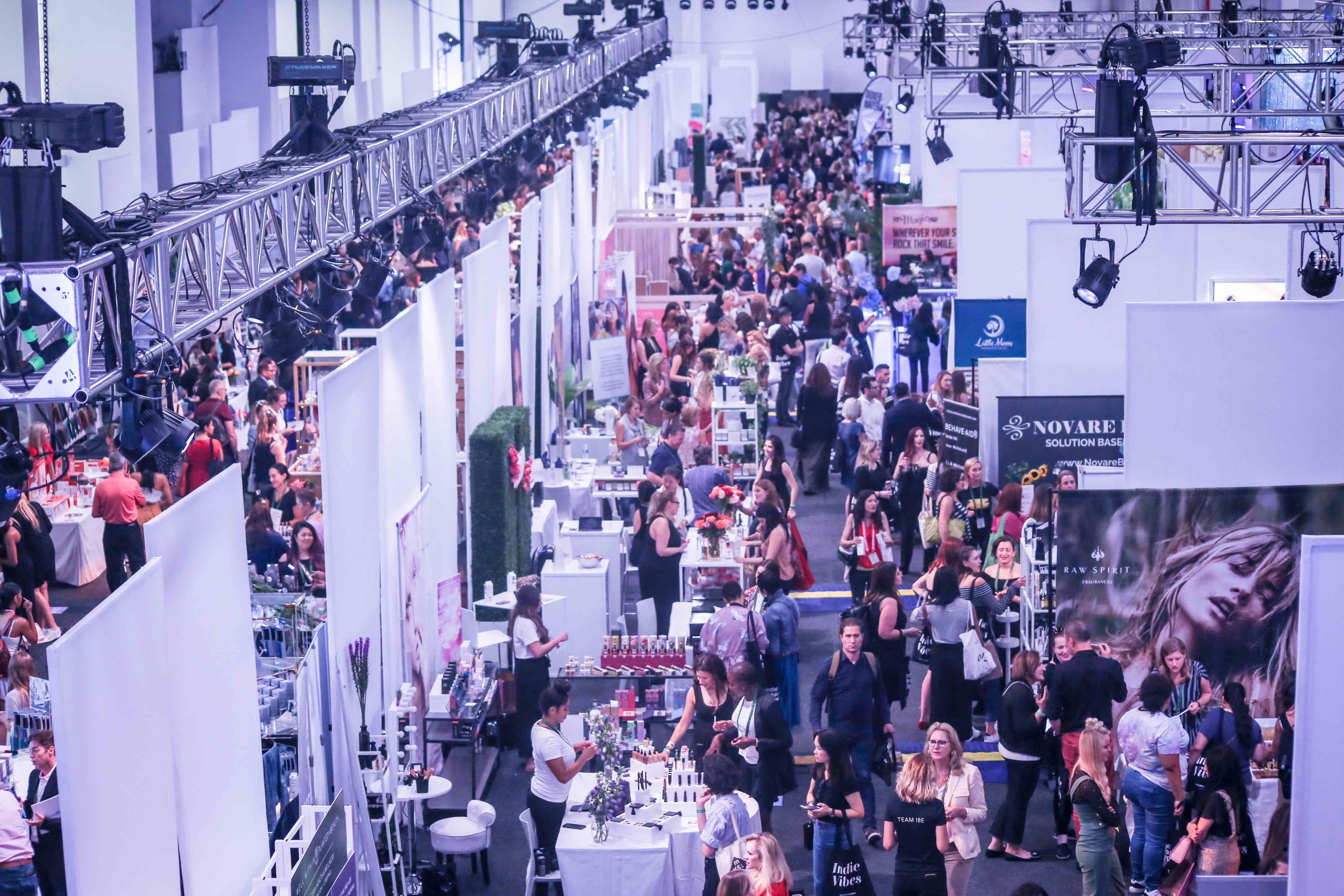
Post-pandemic trade shows won’t be as splashy as pre-pandemic events. Due to budget constraints, organizers are planning to pull back on investments in activations and venue aesthetics.
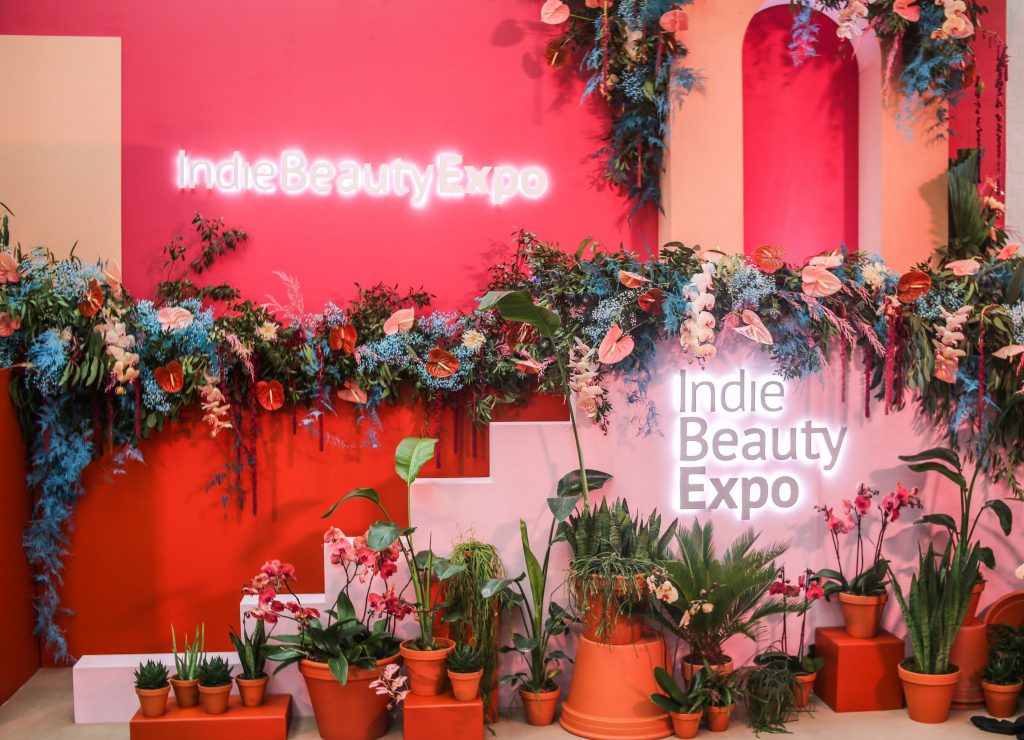
“Events will be less sexy,” said Kelly Helfman president of WWD Magic, Project Womens and MICAM Americas. She anticipates money previously spent on show design will be transferred to critical business activities. Helfman elaborated, “Our businesses will shrink tremendously. A show like Magic could typically spend half a million dollars just on carpet, but what if you actually put that money towards helping get the retailers there?”
The trade show executives predicted events will become smaller gathering of tightly-curated exhibitors and attendees, and they’ll happen in greater frequency throughout the year. The compact, continual model of trade shows represents a major overhaul of the traditional trade show apparatus that’s packed thousands of people into a space for relatively rare events, but it could benefit emerging brands searching for ways to stand out from the crowds.
Trade show executives are being called on to become dynamic facilitators of connections and conversations between retailer and brands as they attempt to keep their industry alive. Nicole Leinbach Reyhle, founder and publisher of Retail Minded, stressed the importance of keeping retailers, especially mom-and-pop enterprises, afloat because the decimation of the retail sector has disastrous ramifications for the trade show industry.
“If we don’t support small businesses, everyone will be hurt,” said Reyhle, who summoned trade show leaders to work together to provide small retail businesses actionable insight to prop up their stores. She highlighted that there should be more education on drop-ship delivery methods.
Along thinking about what it will take to restart trade shows, executives are watching out for a bottleneck of events due to a lack of venue and date availability after the postponement of so many. WWD Magic will be rolling out select shows together in the fall to help relieve bottlenecking pressures. The open discussion about the issue reveals the pandemic has already changed the trade show business and boosted a willingness to work together to make a better system.
Any adjusted system will undoubtedly rely increasingly on digital tools. Marketing teams have been amplifying digital strategies to aid exhibitors and keep audiences engaged. Indie Beauty Media Group, for example, is spearheading webinars and Instagram Live brand spotlights weekly.
Jillian Wright, co-founder of IBMG, owner of Indie Beauty Expo as well as Beauty Independent, and host of the company’s Instagram Live events, says that trade shows’ digital programs, while critical ways to interact with brands and consumers now, shouldn’t be thought of as long-term substitutes for shows. She underscores the vital importance of in-person interaction.
“We always say, ‘We are in the people business,’” says Wright. “Digital can’t replace live events, emotions. It can’t replace the relationships we all have with each other.”
The players
5 mentionedDavids

August
AS Beauty
Better Being
T Investment