The True Cost Of Launching At A Big Beauty Chain
It’s not enough to have great branding, an intriguing founder story, cool products and spot-on pricing these days. A brand has to be relevant on social media to appeal to leading retailers. Of course, buyers understand that a nascent company isn’t L’Oréal. “They know you are not going to have 100,000 or 200,000 followers. You are going to have 5,000 or 10,000, but what they want to see is that you have a plan, and you’re not just posting last minute,” says Ten. A plan means a clear strategy for content and amassing an audience, and a schedule of content going out three to six months.
No matter how gorgeous the Instagram feed or enormous the following, a retailer won’t bet on a brand that it doesn’t believe will make money for it. “If they are going to give you space in the store, you have to do something with it. You have to look at competitors and your point of difference,” says Ten. He recommends brands identify the five to eight bestsellers in their category at their target retailer and pin down their argument for why they’ll outsell them. Ten stresses, “If you can’t articulate that, why would the buyer give you space?” A retailer’s objective is to slot in a brand that can succeed relatively swiftly. They aren’t likely to nurture it over a long period. “The stores don’t have patience. They are not brand builders. They are real estate developers,” says Ten. “They give you a piece of real estate, and you have to work your magic on that real estate. If you don’t, you are gone.”
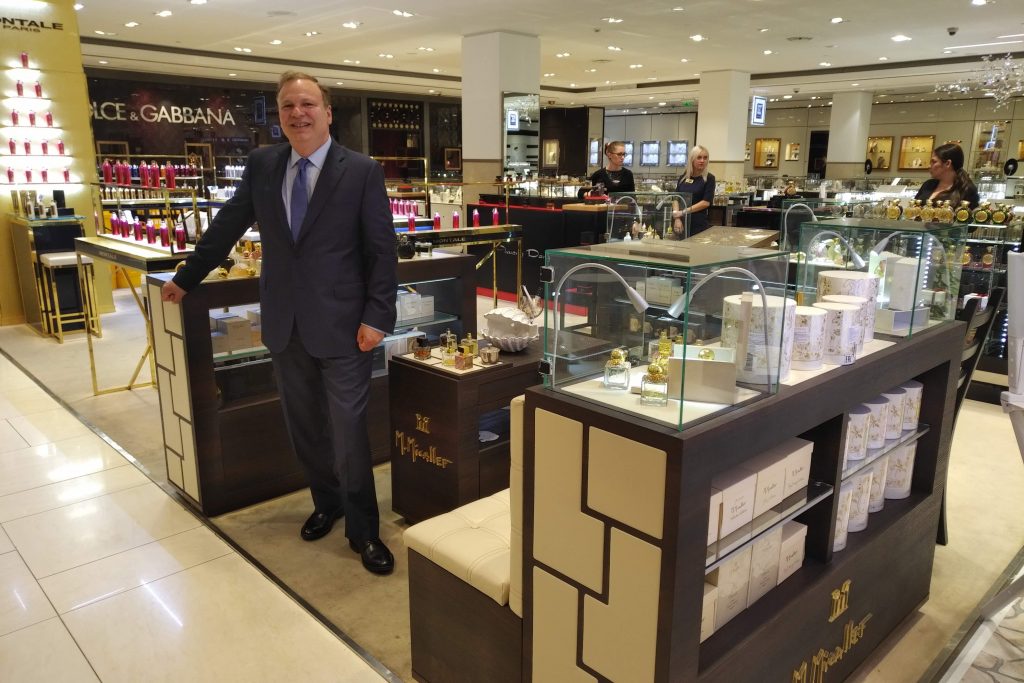
When a large beauty retailer takes a chance on a small brand, it doesn’t spread the brand across its store fleet overnight. Typically, it might put the brand in 50 to 100 doors and test it for 90 days. Right off the bat, to sync with the retailer’s backend, a brand generally has to link with a third-party logistics partner that’s EDI or electronic data interchange compliant. Once that occurs, the brand must have enough inventory to supply the retailer’s distribution centers with at least a month’s worth of merchandise plus a backup of one to one-and-a-half months’ worth of merchandise. Ten points out a sizable beauty retailer will request three to six pieces per stockkeeping unit per store. “The biggest risk for startups always is inventory,” he says. “When you work with a chain, it can be very risky in both ways. It can be risky on the upside if it blows out and you have to keep up and, on the downside, if it doesn’t do well, and it’s all going to come back to your doorstep in 60 to 90 days.”
Together, buyers and brands sort through the exact piece count for each SKU grounded in the brand’s existing data on strong products and the price suitability for stores. For a prestige skincare brand with six SKUs, Ten says, “You could be considering around 900 pieces for a month in the stores. If you ship out 900, you must have 900 to 2,000 more ready to go because the worst thing to tell the retailer is, ‘I only made 900 pieces, and you have to wait three months.’” Brands have to be capable of replenishing their inventory monthly for the retailer. Ten says, “Retailers today aren’t looking to stockpile. They are going to order a one-month supply or sometimes a six-week supply.”
Based on an average product price point of $75 and a retail margin of 60%, a hypothetical skincare brand could rack up sales of 2,700 units in three months and generate $81,000 in wholesale revenues over those three months. The money isn’t simply going to be pocketed. Ten counsels brands to have a six-month supply in their warehouse. For the fictional prestige skincare brand, that’s an amount valued at $240,000. And, as they get underway at a large retailer, Ten recommends brands dedicate 100% to 150% of their sell-in to digital marketing and training. He details that training consists of the founder or brand representatives physically touching down in at least half of the stores the brand is in. On the digital marketing side, Ten emphasizes investment in raising brand awareness to lift retail sales is crucial. He says, “If you have an e-commerce site, as much as you might like to focus on it, you have to focus on the brick-and-mortar with digital activities and contests to drive people to stores.”
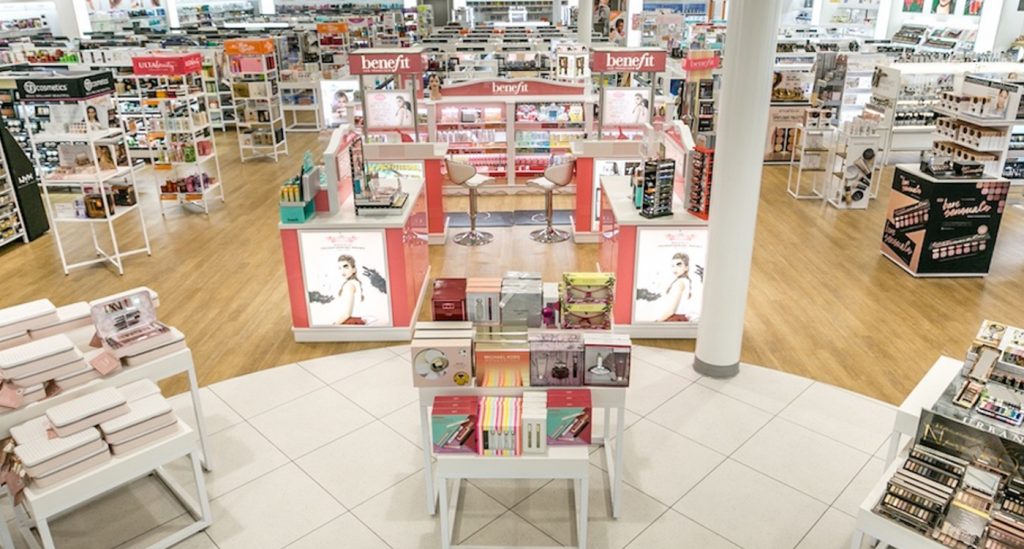
Costs don’t end at inventory, training and digital marketing. There’s a long list of other expenses. There are displays for the stores at that can be thousands of dollars per display if they are made by hand. Testers are essential for every store. A brand entering 50 stores with six SKUs has to dole out at least 300 testers. Samples are important, too. Ten suggests a brand produce a couple thousand samples of its top product. All of this cost is for naught if a brand doesn’t perform. For a month, Ten reveals, “The bare minimum a brand can do is $2,000 per store. For a prestige skincare line, it would be $5,000.” Given the gigantic outlay at the beginning, can a brand generate profits? Ten says, “If you are looking to make money in the first year or two, forget it. I’ve launched a lot of brands and the breakeven has been year three or four.”
To diminish the risk for retailers and save money for brands, it’s increasingly popular to introduce a brand online. The inventory demands of a website launch aren’t exorbitant. “Following our skincare example, the retailer is going to buy six pieces of each SKU and, if they sell well, they will reorder,” says Ten. “It’s a very low investment for them.” While the risk is minimal for the retailer, it can be towering for a brand. It’s easy for a brand to get lost in an extensive e-commerce assortment. Sure, it could become hot due to an influencer push or sudden trend, and customers will hunt for it, but that’s improbable. Ten says, “It’s risky because, if you don’t do well on the website, you will probably never get into the store.”
The players
5 mentionedAS Beauty

The Center
Ulta Beauty
Target
Credo