The New Nasties: 11 Ingredients Increasingly Not Making The Clean Beauty Cut
Today, clean beauty has moved well beyond the initial trio of ingredient no-nos to encompass a growing number of compounds questioned by government agencies, nonprofits, scientists, environmentalists and consumers. Additions to clean beauty’s group of deplorables include preservatives, the sorts of chemicals scrutinized from the start, but lean heavily toward ingredients believed to be harmful to workers and unsustainable, demonstrating the ascension of labor issues and eco-consciousness in shaping beauty formulations.
Beauty Independent identified 11 ingredients increasingly being excised from beauty products considered clean and the retailers selling them. By no means an exhaustive inventory, these ingredients reveal the disagreements (For instance, should now-hidden fragrance ingredients be revealed? Should the cautionary principle apply to ingredient assessments?) that separate clean beauty purists demanding significant shifts in the beauty industry from clean beauty moderates more comfortable with small strides toward change. They also underscore the difficulties facing brands and stores as they try to educate customers on the complicated rationale for why certain ingredients are permissable and others aren’t.
Phenoxyethanol
Phenoxyethanol is an ingredient that divides clean beauty retailers and brands. Follain, The Detox Market and Beauty Heroes don’t allow it. Credo does. Mia Davis, director of mission at Credo, reveals it’s one of the most asked about ingredients. The European Union has OK’d phenoxyethanol at a maximum concentration of 1%, and that’s the standard Credo and Beautycounter adhere to. Beautycounter partnered with Tufts University researchers to evaluate phenoxyethanol, among other ingredients, and determined it was safe at a low concentration. Lindsay Dahl, senior vice president of social mission at Beautycounter, says, “They deemed that phenoxyethanol was not a hormone-disrupting ingredient. We felt that we have gone the extra mile.”
Last year, when Follain stuck phenoxyethanol on its restricted ingredient list, the retailer offered explanations brands have given for avoiding it from skin irritation to carcinogenic potential in a blog post. But it’s main argument against the ingredient was the following: “When we know there are safer alternatives out there, why risk it?” Older brands with phenoxyethanol are replacing it with alternatives. Circell, for instance, has reformulated to use radish root instead. New brands are avoiding it. Codex Beauty excluded it from the start.
Dimethicone
A synthetic silicon-based polymer, dimethicone is widely considered safe for human health. For beauty reasons, it’s gotten a bad rap. It can weigh down thin hair, and some people believe it leads to breakouts by trapping impurities underneath it. However, most skincare experts argue that shouldn’t be the case. In fact, dimethicone is a key element of many acne products. The primary intention of it in beauty products, though, is to create an appealing texture. For instance, aluminum-free deodorant brand Type:A explains the dimethicone in its formula gives it a lightweight feel and helps it glide easily onto the skin.
As the beauty industry tilts toward sustainability, dimethicone is being put on no-no lists due to its environmental impacts. Beauty Heroes has been motivated to phase out products with dimethicone as part of an earth-friendly mission. Speaking of silicones like dimethicone, founder Jeannie Jarnot says, “They are in very microscopic ways polluting our oceans, and they are not biodegradable. When I learned about this, I thought, ‘We care about the ocean and are giving to 5 Gyres, why would I sell products that are contributing to ocean pollution?’” She continues, “If you think about all the people who are washing their hair every day with these silicones, it’s a load for the environment. I think, once we know better, we need to do better.”
Synthetic Fragrance
Credo is currently reviewing its stance on fragrance ingredients. The public is largely kept in the dark as to what scent compounds are since brands aren’t required to disclose them. “We know there are several concerning ingredients often used in confidential mixtures called ‘fragrance,’ even in cleaner beauty products,” says Davis. “It’s difficult for a consumer to make an informed choice when they don’t know what is in the product. In fact, many times the brand is also unaware of what is in their fragrance that they purchased from their supplier.”
To provide clarity to consumers, Credo is requiring 120 brand partners using fragrance to categorize their fragrance ingredients as natural, naturally-derived or synthetic, effective October of this year. David explains, “This is just baseline information that consumers should have. We are going further too by encouraging and incentivizing full disclosure of all fragrance ingredients, a rarity in the beauty industry, and championing those companies who are making that commitment.” Target is moving toward fragrance disclosure as well. Follain and The Detox Market outright forbid synthetic fragrance. In its clean beauty program, Sephora only allows synethic fragrance at less than 1%, a cutoff Gay Timmons, president of organic ingredients distributor Oh, Oh Organic, describes as “deceptive” since most fragrances are added in at 1%.
Mica
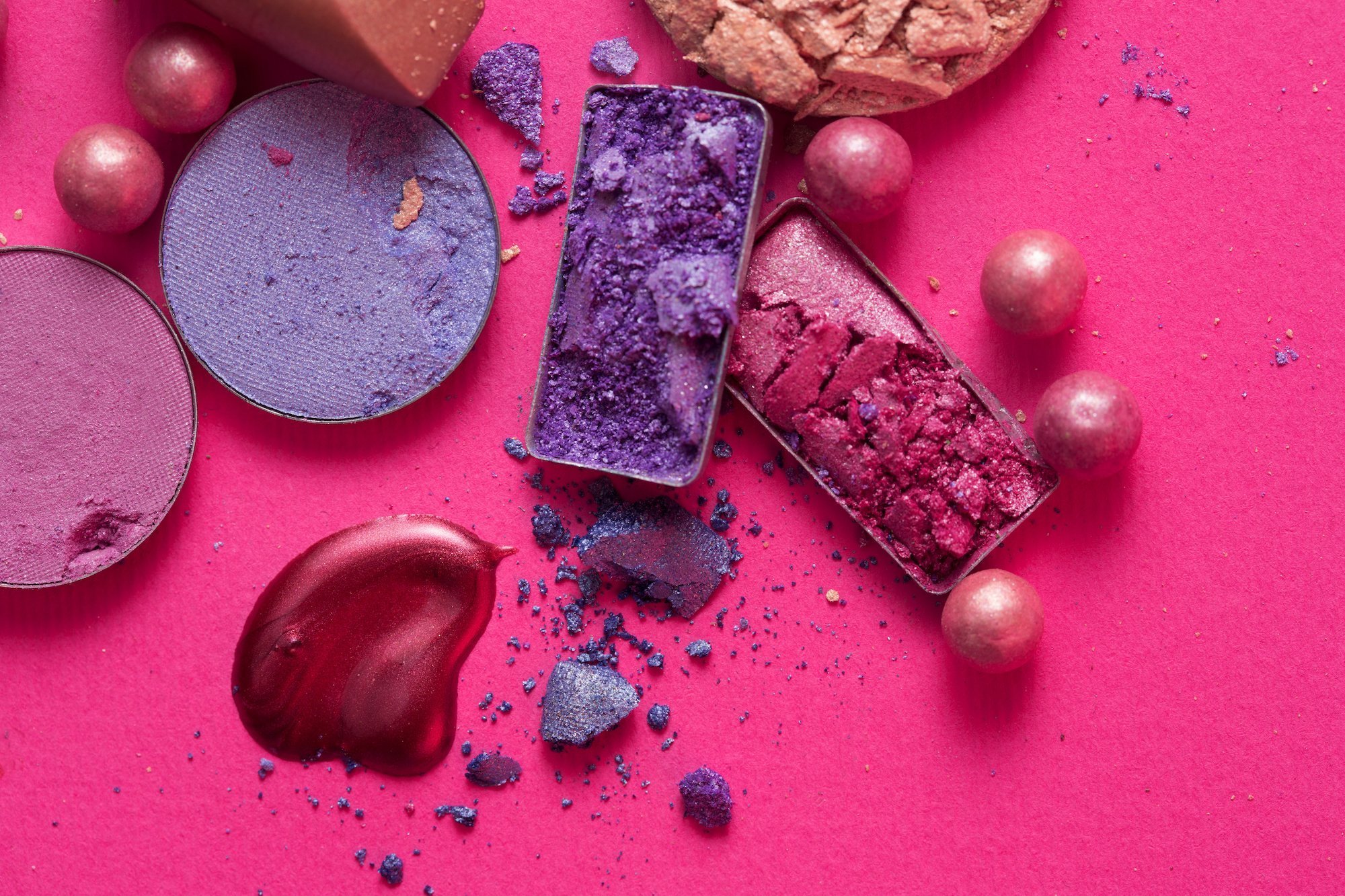
All that glitters isn’t gold—or good. Mica is a lustrous mineral that gives color cosmetics a sought-after shimmer. The supply chain for the raw material is globalized with woefully insufficient control, which has led to unsafe mining practices and child labor. “It is well studied that exposure of workers to mica powder may cause irritation of the respiratory tract and, after several years, nodular fibrotic pneumoconiosis that was long considered to be a form of silicosis but which may be due to pure mica dust containing no free silica,” says Kari Skulason, quality manager for Codex Beauty, which shuns mica in its products. “Supporting the exposure to manufacturing personnel to the substance would be irresponsible by our company.”
Other beauty brands also refuse to use mica caught up in the destructive global trade. Aether Beauty founder Tiila Abbitt swaps out natural mica for a synthetic version in her clean color cosmetics brand’s products. In response to mica’s supply chain problems, The Responsible Mica Initiative was founded in 2017 with goal of eradicating child labor and ending unacceptable working conditions in the Indian mica industry. Estée Lauder, L’Oréal, Coty, LVMH Moët Hennessy and Schwan Cosmetics are members from the beauty and personal care industry.
Retinyl Palmitate
Vitamin A or retinol is a prized skincare ingredient. Products containing it are regulars in regimens designed to fight lines and wrinkles. Retinyl palmitate, a compound derived from vitamin A and palmitic acid, a saturated fatty acid from palm oil, can be converted to retinol and has been incorporated into beauty products such as Eb5 Intense Moisture Anti-Aging Cream, No7 Early Defence Night Cream and L’Oréal Paris Revitalift for similar reasons to retinol, but it’s deemed to be gentler than retinol, a benefit particularly for people with sensitive skin. It’s also been put in sunscreens from the likes of Banana Boat and Coppertone for antioxidant protection.
In 2011, a study connected sunlight-exposed retinyl palmitate to cancer in mice, and the ingredient has been making its way out of products ever since. The Environmental Working Group subsequently called upon sunscreen makers to rid their products of it. Clean standards at retailers, including Sephora and Target, have forbidden retinyl palmitate. On the other hand, the Skin Cancer Foundation concludes there’s no evidence retinyl palmitate causes cancer. The story of retinyl palmitate demonstrates how various iterations of an ingredient, even the most coveted in the skincare arsenal, are regarded quite differently by beauty gatekeepers.
Alcohol
Many beauty companies are eschewing alcohol in their products. Emergings brands like Necessaire and Hermetica are marketing their alcohol-free ingredient decks as strong selling points. Necessaire lists “drying alcohol” as one of the 10 ingredients it formulates without “to support your skin health.” Hermetica created a page on its website on to tout is avoidance of alcohol, saying, “We are alcohol-free, making our perfumes gentle on the nose and gentler on the skin without losing their power. Hermetica perfumes can also be worn in the sun without the risk of staining like traditional alcohol-based perfumes.”
Either used as a preservative or fragrance agent, benzyl alcohol is a natural ingredient from plants and fruits that’s pervasive in the beauty industry. Brands are carefully dissecting it, though, and some are stepping away from it. Clean skincare line OZNaturals doesn’t use benzyl alcohol. The brand declares the ingredient “not only terrible for your skin, but can also be harmful to the human body as well.” Oral care specialist Tom’s of Maine, which asserts it only relies upon natural preservatives that are safe and effective, has chosen to put a alcohol derived from cassia or cinnamon oil in its formulas.
Single-Use Plastic
You’ve probably read mind-blowing statistics about the amount of plastic pouring into the world’s oceans and seen pictures of vast floating islands of plastic debris. The beauty industry is by no means blameless in the plastic crisis. Virgin plastic has been depended upon as an affordable, portable and sanitary carrier of shampoos, serums, soaps and more. But single-use plastic is now viewed as a scourge that beauty brands and retailers are desperately trying to break free from. Concentrating on recycling and recycled content has been a first step. Captain Blankenship, for example, bottles its Mer-Mane Shampoo, Mer-Mane Conditioner and Sea Mineral Liquid soaps in 100% recycled ocean-bound plastic, and Ren’s body wash is housed in a fully recyclable bottle containing 20% reclaimed ocean plastic.
But plastic containers are often left unrecycled, furthering the persistent problem of the inordinate plastic waste stream. Brands like Soapply and S.W. Basics attempt to stem the tide of plastic waste by encasing their products in glass. Glass, though, isn’t problem-free. Its weightiness can lead to a greater carbon footprint. Refill programs are on the rise to combat the carbon footprint and the excessive plastic issues. Brands such as Meow Meow Tweet, HiBar, Ethique and Unwrapped Life are leaving plastic totally behind by producing solid formulas packaged in cardboard. Retailers are just beginning to join the movement away from single-use plastic. Zero-waste stores are popping up, and clean beauty outlets are considering their contribution to plastic pollution. At ethically-minded British online retailer Rare Beauty, for example, the goal is to eliminate plastic packaging within the next few years.
Palm Oil
A cursory evaluation of palm oil would render the ingredient splendid for beauty purposes. According to Palm Done Right, the African oil palms that generate it can be harvested sustainably to yield a nutrient-dense oil ideal for an enormous array of beauty products. The problem is they aren’t being harvested sustainably. In Malaysia and Indonesia, where the ingredient is primarily sourced, global demand for cheap palm oil is instigating the devastation of rain forests and orangutans, and violations of human rights as laborers earning meager to no pay are forced to work on palm oil plantations. Even organizations that seemingly aim to help companies avoid problematic palm oil production like the Roundtable on Sustainable Palm Oil have been criticized for an inability to address the conditions plaguing it.
Few beauty companies have the resources to guarantee palm oil is obtained without harm to people, animals and the environment—or sort through the compounds that contain troublesome palm oil to make certain they’re steering clear of it. Ingredients that appear to not incorporate palm like stearic acid can be derived from it. A company that has ample resources, Dr. Bronner’s, established a sister company called Serendipalm to forge direct relationships with palm oil farmers in Ghana to ensure fair wages and habitat protection. In Southeast Asia, however, palm oil production remains a bleak picture. Bill Glaab, co-founder and CEO of Hand in Hand, which doesn’t use palm oil, says, “All palm oil production in this region of the world, regardless of any sustainable claims, is arguably the most destructive force we have ever seen.”
Talc
In less than a year, talc has gone from baby care mainstay to widely-banned substance. In 2018, lawsuits against Johnson & Johnson claiming the conglomerate’s baby powder product, the main ingredient of which is talc, of causing cancer started piling up. The number of talc-related lawsuits against J&J currently totally more than 13,000 and, in the past two weeks, the company has had to pay out over $300 million in punitive damages from losing such suits. Canada weighed in on the talc front in December by concluding that talc may be harmful to human health and recommended it be added to the country’s list of toxic substances.
Late last year, indie makeup brand Realher began the process of removing talc from its formulations. “We came to the realization here at Realher that foregoing the usage of the ingredient talc would help us reach the goal of becoming a cleaner makeup brand,” says Megan Merid, vice president of business development for the brand. Realher repackaged, redesigned, and rebranded five eye shadow palettes as part of the talc eradication process. “Talc has served as a perfect bulking agent to help dilute pigment in color cosmetics for what maybe even centuries. In its natural state, talc can sometimes contain asbestos, and even asbestos-free talc has been under scrutiny for sometimes,” says Merid. “We would like to stay clear of this ingredient as much as possible. Talc is prohibited in some parts of the world. We hope to continue to grow globally, therefore understanding other market’s ‘villain’ lists is a must moving forward.”
Benzophenone
If you’ve shopped in one of clean beauty retailer Follain’s eight locations, you’ll see a product category missing: nail polish. Follain founder Tara Foley is known for her deep ingredient knowledge and strict ingredient guidelines. So, even though other clean beauty retailers carry nail colors, Follain does not because of benzophenone, which is in almost most nail polishes, including 10-free options.
“We’re one of the only clean beauty retailers that have never stocked nail polish, and that’s because of the ingredient benzophenone, which is a benzene derivative,” says Foley. “Benzene is a known carcinogen. We haven’t added it officially yet, but we do restrict it.” At the government level, there’s no clear ruling on benzophenone, an ingredient that shields beauty products from UV light. In October, the Food and Drug Adminstration banned the use of benzophenone in food, where it’s used as a synthetic flavoring, but the substance in still allowed in cosmetics.
Avobenzone
With Hawaii and Key West prohibiting sunscreens with oxybenzone and octinoxate to protect coral reefs, attention is being turned to other chemical sunscreen ingredients that could damage people and ocean life. Avobenzone, a common UVA filter, is among those getting a second look. Craig Downs, executive director of the Haereticus Environmental Laboratory, a nonprofit influential in the passage of Hawaii’s legislation to forbid sunscreens with oxybenzone and octinoxate by 2021, advises brands to stay away from avobenzone. He notes it hasn’t been extensively studied. “This is a big problem because the little studies that exists so far in the public, peer-reviewed scientific literature is alarming,” says Downs.
Although not much is known about its environmental effects, Downs points out avobenzone rapidly breaks down and turns into different chemicals that could be environmentally toxic. When it comes to human health, he describes avobenzone as an endocrine disruptor that acts as an obesogen as well, a chemical that can increase fat. Downs also mentions avobenzone is typically combined with stabilizers such as octocrylene, a possible irritant, and benzophenone, which has been linked to cancer. On its own, he says, “Avobenzone is a horrible UVA OTC because it is so unstable, thereby dramatically increasing the risk/threat of UVA-induced carcinomas.”
The players
5 mentionedBeauty Heroes

Estée Lauder
Ethique
Formulate
Better Being