Ripple Effects Of The L'Oréal-Kering $4.7B Mega-Deal For Beauty’s Emerging Brands
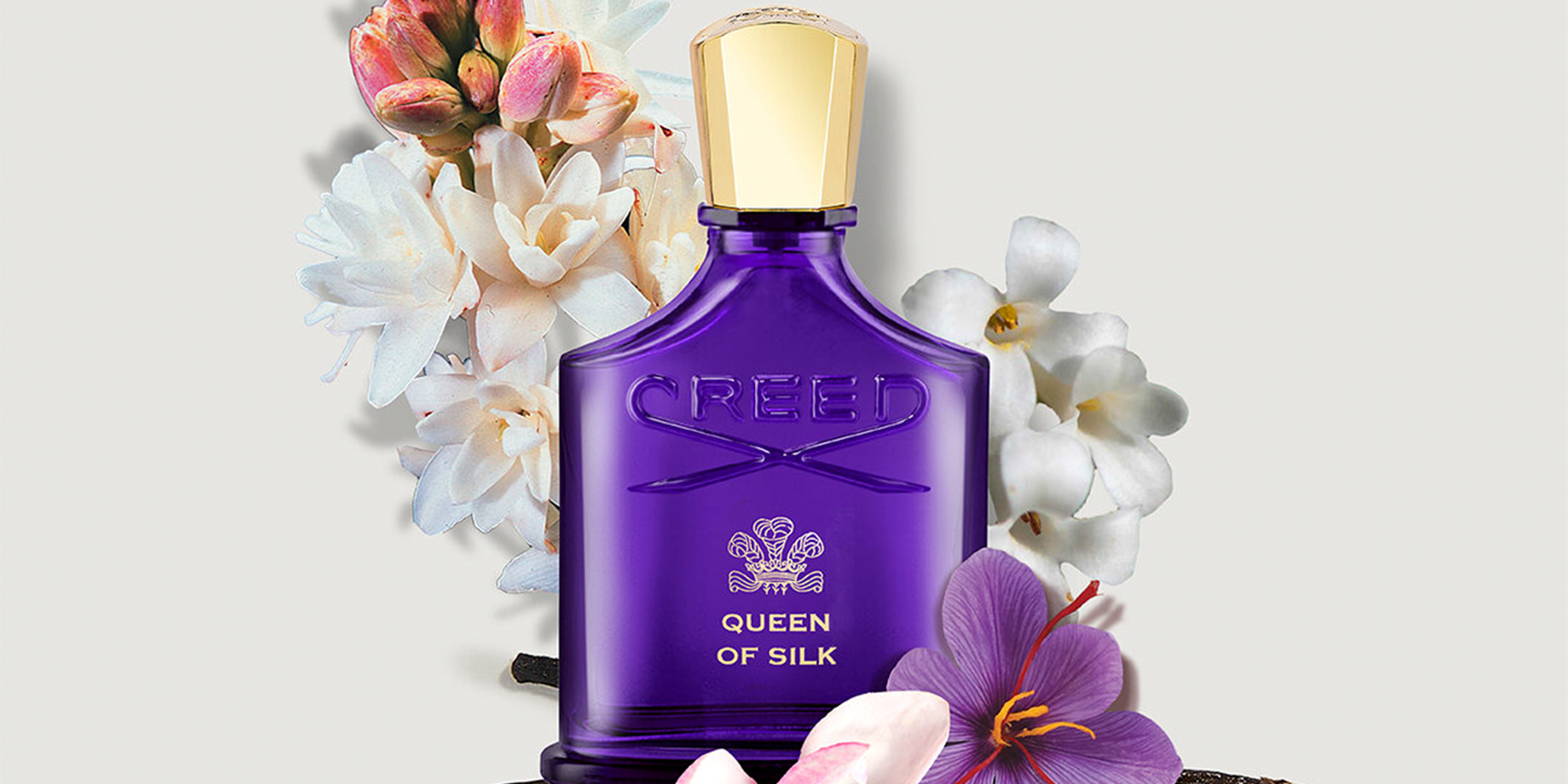
The move represents swift action on the part of Luca de Meo, who became Kering’s CEO two months ago, to lean into Kering’s strengths in fashion while continuing to mine that portfolio for beauty revenue streams and shore up its financial position by cutting debt. Just two years ago, Kering made a bold beauty play by buying heritage fragrance brand Creed for $3.8 billion at a valuation of 14X sales, throwing gasoline on the already white-hot fragrance category.
L’Oréal’s agreement with Kering gives it ownership of Creed and 50-year exclusive beauty and fragrance licenses for Bottega Veneta and Balenciaga. The conglomerate will also gain a 50-year exclusive license for Gucci fragrance and beauty products once Kering’s current license for that business with beauty conglomerate Coty ends in 2028.
On Tuesday, L’Oréal released third-quarter earnings showing solid sales acceleration, with like-for-like growth of 4.2% to reach almost $12 billion. However, the results missed analyst expectations, and the stock subsequently plunged around 6% to trade in the mid‑370 euro range on Wednesday. Despite the recent decline, the stock price remains up roughly 5% from the start of the year.
The loss of the Gucci license could be a devastating blow to a struggling Coty. As reported by Women’s Wear Daily, Barclays has estimated the Gucci license accounts for around 10% of Coty’s sales. On Sept. 30, the multinational unveiled that it’s exploring the sale of select assets in its consumer beauty division, including Cover Girl and Sally Hansen. Several other conglomerates such as Unilever and Estée Lauder have been or are considering divesting brands as well.
With several strategic beauty acquirers preoccupied with internal issues and L’Oréal integrating Kering’s beauty business, not to mention Medik8 and Color Wow, two brands it recently shelled out around $1 billion for, the state of dealmaking in the beauty industry is uncertain. The machinations of beauty’s biggest players like L’Oréal and Coty have potential impacts for emerging brands, especially for exit strategies and timelines.
For this latest edition of our ongoing series posing questions related to indie beauty, we asked eight beauty industry investors and insiders the following: What downmarket pressures might the Kering-L’Oréal deal create? What could they mean for future beauty acquisitions? How can emerging brands best navigate this moment?
The players
5 mentionedEstée Lauder

Color Wow
AS Beauty
Momentous
Sally Hansen