Obagi Medical Sells To Bridgepoint For $460M As Beauty’s Ties To Aesthetics Deepen
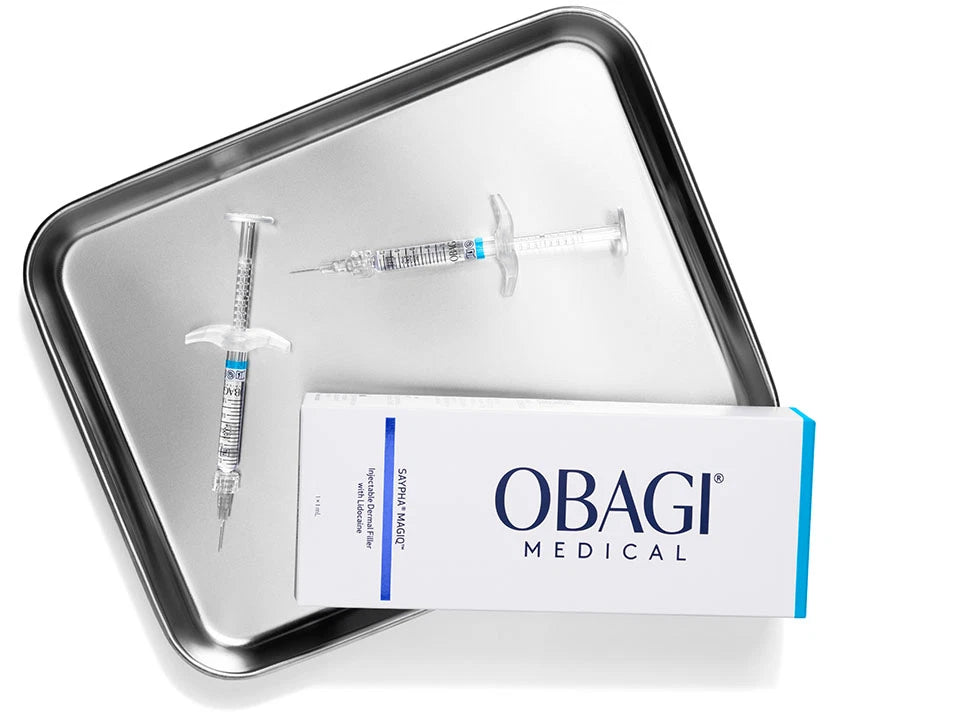
To drive growth, Brousset outlines Obagi has been pursuing a three-pronged growth strategy: leaning into its medical DNA, revving up innovation and expanding its footprint both geographically and in terms of product reach. In the past year, he says the brand’s sales due to new products jumped from a low single-digit percentage to a percentage in the mid-teens. He lists scalp care, longevity and injectables as areas of innovation for Obagi.
In November, Obagi sold the trademark for Obagi Japan to its longtime partner in the country, Rohto Pharmaceutical Co. Ltd., for $82.5 million, using $77.5 million of the proceeds to pay down debt. Currently, roughly two-thirds of Obagi’s revenue comes from the U.S., leaving considerable room for international expansion. Outside of North America, the brand has established a presence in the Middle East, Asia and Europe. Globally, it sells through dermatologists’ offices, aesthetics practices and other professional outlets.
Brousset stresses that Obagi’s growth strategy will remain unchanged under Bridgepoint and points out the brand will benefit from the firm’s expertise in aesthetics and skincare as well as access to technologies developed by portfolio companies, particularly Laboratoires Vivacy. He also expects Bridgepoint’s capital and network to facilitate dealmaking, with growth for Obagi potentially fueled by licensing agreements and acquisitions.
Obagi’s deal with Bridgepoint comes as consumers’ beauty routines extend beyond traditional skincare into aesthetics, prompting skincare companies to push deeper into aesthetics through innovation and acquisitions. Last year, L’Oréal Groupe doubled its stake in Galderma, the maker of Restylane and Dysport, to 20%.
In a Boston Consulting Group and Women’s Wear Daily survey, about 15 million Americans qualified as “optimizers,” highly engaged beauty consumers who spend roughly $3,000 annually across the beauty ecosystem and are among the earliest adopters of aesthetic treatments and longevity products. Brousset identifies optimizers as Obagi’s core demographic and maintains the adoption of professional skincare and aesthetic services will accelerate.
“This is not a trend. This is a fundamental shift,” he says. “There’s a lot of information today in the hands of consumers, and they very clearly understand the difference between performance-driven products and those that aren’t. They want to optimize their skincare and aesthetics, and we will see more and more consumers gravitating toward technologies that deliver better outcomes.”
With Obagi’s future unfolding under Bridgepoint, Waldencast’s future is now tied to Milk Makeup. The brand generated approximately $110.4 million in sales in 2025, down 11.4% year-over-year. Adjusted EBITDA fell 44.5% to $9.6 million. Brousset ascribes some of the pressure to difficult comparisons against 2024, when Milk Makeup was propelled by the success of the breakout beauty launch Cooling Water Jelly Tint Lip + Cheek Blush Stain.
Available at Sephora and Ulta Beauty, Milk Makeup is looking ahead in a challenging environment for prestige makeup. According to Circana, makeup was the slowest-growing prestige beauty category in the first quarter, with sales up just 2%. Beyond a limited pool of buyers, the category’s sluggishness has weighed on dealmaking activity.
Still, Brousset is bullish on Milk Makeup’s prospects. “It is a brand that is extremely unique, and real brands stand for something. They aren’t built on influencers,” he says. “It’s a real brand, not just a collection of products with a name. It’s a brand that has tremendous potential for growth.”