Professional Or Personal?: Entrepreneurs On Whether Beauty Treatments Should Go On The Company Card
The lawsuit accuses Grieco of embezzlement, but she adamantly denies embezzling from Thirteen Lune and points out the expenses were approved by former management. In a statement, her lawyer, Jeremy Stamelman, a partner at the firm Keller Anderle Scolnick, says the lawsuit “is a frivolous attempt to malign her and others. Plaintiffs’ allegations are focused largely on company finances that were managed by the former CEO, Patrick Herning, whose name is notably missing from the March 2025 complaint.”
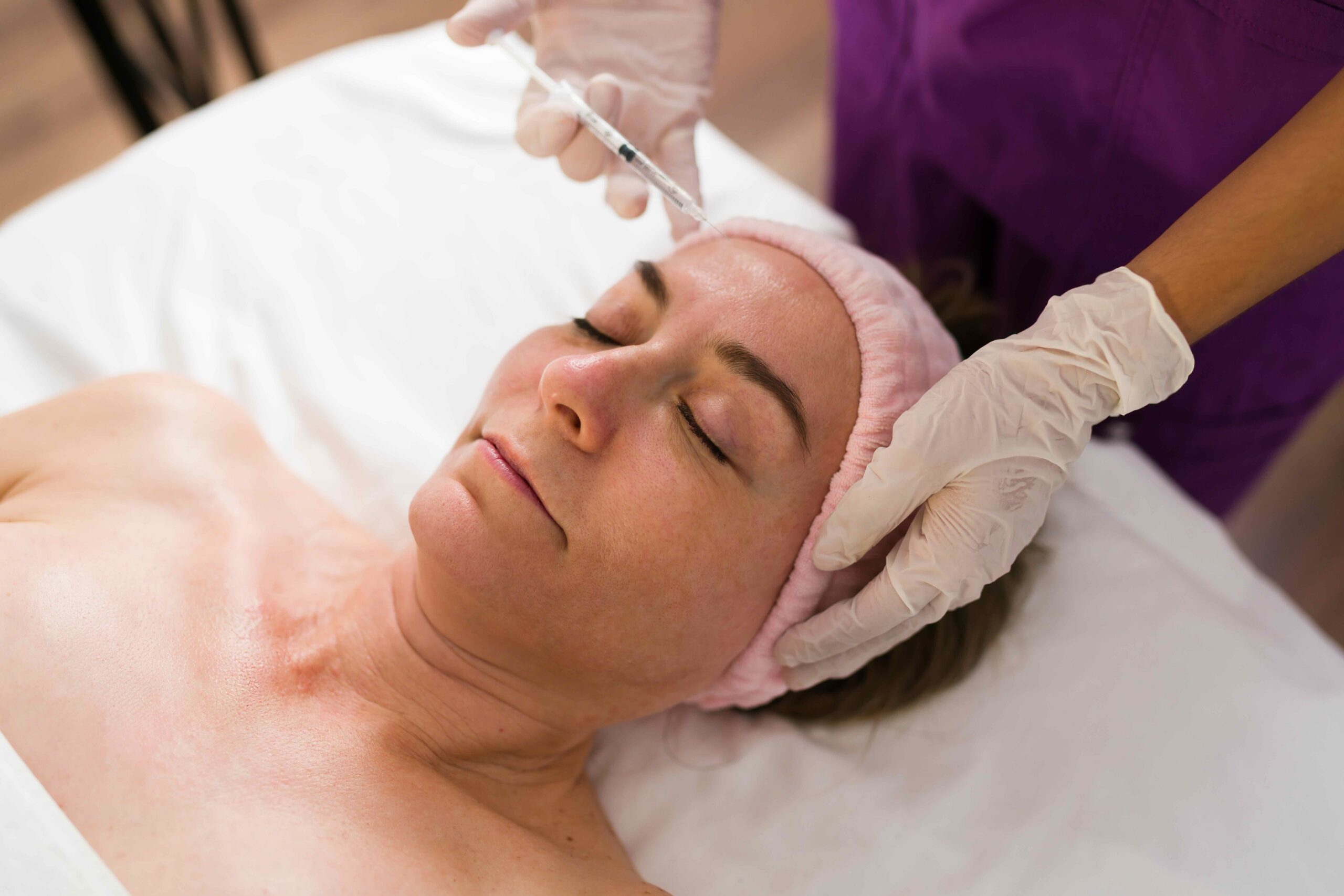
This story, however, isn’t about Thirteen Lune’s legal troubles, but about the expenses beauty entrepreneurs and executives charge to their companies. Beauty treatments, for example, are somewhat of a gray area that can’t be deducted if they’re routine, but can be if they’re directly tied to a job at hand. The idea for the story comes from a sharp question asked by Sarah Shapiro, a writer for the publication Puck, in her coverage of the suit, “What constitutes a legitimate business expense for a retail startup founder?”
Elaborating on Shapiro’s coverage, for the latest edition of our ongoing series posing questions relevant to indie beauty, we asked 10 beauty executives and entrepreneurs the following questions: What’s your stance on putting beauty treatments and other personal care maintenance–related expenses on your company? Do you think similarly about Amazon shopping and trips? As a person involved in a beauty company, how do you view the role of your appearance and tending to it?
The players
5 mentionedThirteen Lune

AS Beauty
Thirteen Lune
Amazon
SNR Capital