4 Popular Wellness Ingredients Crossing Over To Beauty
Methylene Blue
Methylene blue is a synthetic compound used to treat methemoglobinemia, a disease impacting how red blood cells carry oxygen, as a dye for textiles or to track conditions in the body and an antimalarial. These days, people are taking it in supplements for potential cognitive and anti-aging reasons, although the research on its positive implications for them is preliminary. According to Spate, methylene blue has registered 746.6% year-over-year growth across digital platforms, with 84.9% of what the data intelligence firm calls its Popularity Share going to TikTok.
Hugely influential in the beauty industry, United States Department of Health and Human Services Secretary Robert F. Kennedy Jr. has put it on the wellness stage in a bigger way. In February, a video on the social media platform X showed him squeezing droplets of what appeared to be the vibrant blue salt, formally known as methylthioninium chloride, into a drink. In a January episode of “The Joe Rogan Experience,” methylene blue was also brought up when actor Mel Gibson claimed it helped cure three of his friends’ stage 4 cancer, although claims the ingredient wards off cancer aren’t backed by robust scientific evidence.
Liquid forms of the substance have been taken by biohackers and fringe wellness personalities for years, but the blue liquid was usually housed in no-frills packaging. Now, more stylish personal care brands like 3-year-old Nobiesse are offering it in different formats. The brand sells the methylene blue-infused topical products $135 face cream Creme Bleue, $18 Methylene Blue Face & Body Soap and $45 Heliotherapy After Sun Tanning Accelerator. The brand sells methylene blue capsules as well in straightforward white pill bottles for $65.
Propolis
Bee-derived propolis, also known as bee glue, is a resin-like material made by bees to construct hives. It’s been used by humans for millennia for its purported healing and therapeutic properties. It’s become an especially buzzy (pun intended) wellness ingredient post-pandemic thanks to its immune-boosting, antiviral and antifungal abilities.
Beekeeper’s Naturals has built a burgeoning bee-centered empire largely based on propolis as an immunity booster. Since premiering in retail in 2021, the venture capital-backed wellness brand has entered over 18,000 retail locations nationwide. One of Beekeeper’s Naturals’ Propolis Throat Spray sells every 15 seconds, and it ranks as the No. 1 item in the cold and flu category at Amazon, Target and Whole Foods.
Propolis is gaining popularity for digestive health benefits, too. According to Spate, searches for propolis to support gut health are up a whopping 367.9% year-over-year across digital platforms. Searches for propolis alone have jumped 44.2% year-over-year. Last week, Beekeeper’s Naturals launched propolis-infused Kid’s Prebiotic Fiber Pops to support children’s digestive wellness.
With non-vegan skincare products all the rage, beauty brands are incorporating propolis in more products to address inflammation and blemish-causing bacteria. The ingredient is in New Zealand high-end honey specialist Manuka Health’s Pro Vitality Collection with three products—a hand cream, face cream and face serum priced from $38 to $98—released in January.
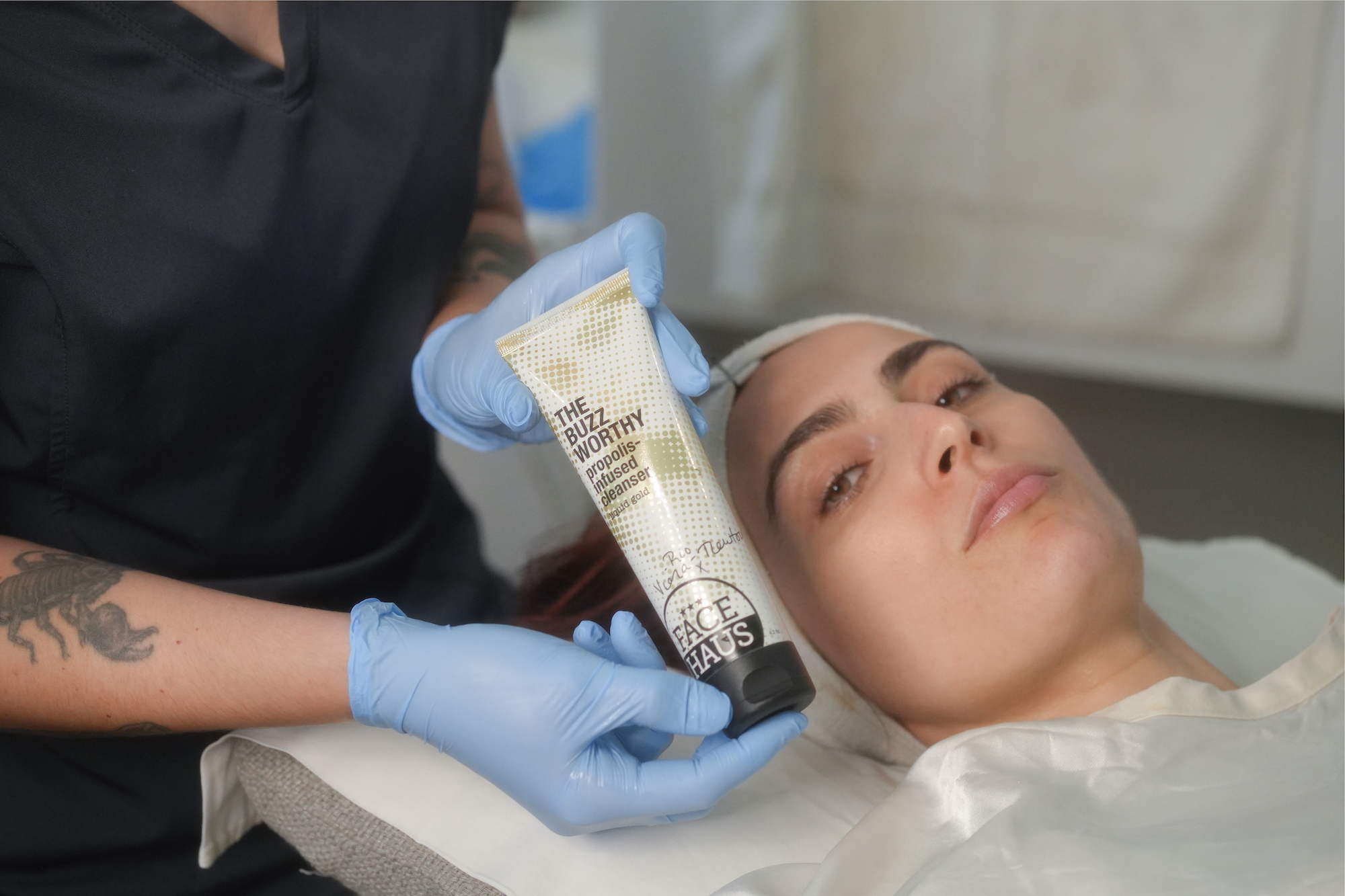
Beauty writer-cum-aesthetician Rio Viera Newton has created the $32 The Buzzworthy Propolis Cleanser for acne-prone skin with the facial bar chain Face Haus. For a limited time, clients at the chain can receive a $130 The Buzzworthy Facial starring the cleanser.
Glutathione
At wellness centers and gyms providing IV drips around the country, glutathione infusions have been widely popular. The “master antioxidant” has been assigned near mythic health-boosting properties, including detoxifying, decreasing inflammation, boosting energy and even slowing the progression of cancer. Kendall Jenner, Rihanna, Adele and the primus inter pares of wellness-obsessed celebs, Gwyneth Paltrow, have publicly extolled the benefits of glutathione IV therapy.
Along with IV drips, glutathione supplements are a booming business. According to British market research firm Exactitude Consultancy, the $1.2 billion global glutathione supplement market is projected to grow at a 8.5% rate to $2.5 billion by 2034. Touted as bestowing a “glutathione glow” on users, beauty brands such as Dr. Barbara Sturm, Tacha, 111 Skin, Auro Skincare and Rationale have introduced facial products with glutathione as a hero ingredient.
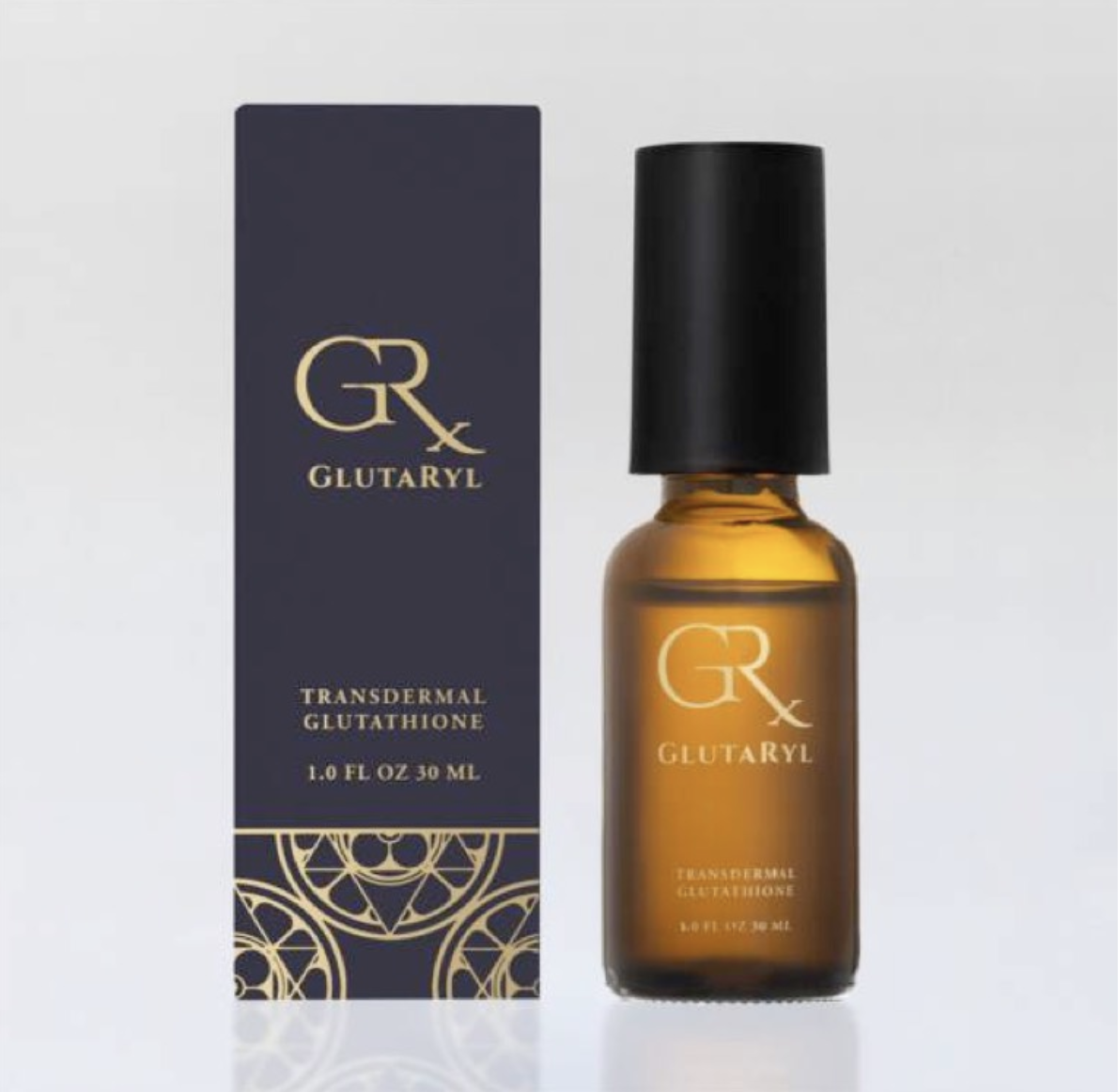
Glutathione is at the heart of Auro’s $179 G Serum to calm redness and improve radiance. The brand’s hero product, $126 Glutaryl Topical Glutathione Spray, is a topical supplement that delivers clinical-strength glutathione through a patented subdermal delivery system. Rationale landed at The Spa by Equinox Hotel in New York City earlier this year with an exclusive treatment, Signature Vitality Facial, featuring professional-only products like the Australian brand’s glutathione-driven Skin-Identical Antioxidant Infusion. Glutathione is also a key ingredient in two products in Rationale’s retail range: #2 The Serum and #2 The Light Crème.
Nayan Patel, pharmacist and founder of Auro, believes glutathione is one of the few active skincare ingredients that works on multiple levels. “It neutralizes free radicals, reduces oxidative stress and supports the skin barrier. It also inhibits tyrosinase activity, which helps promote a more even and radiant complexion,” he says. “Its ability to promote cellular repair and reduce inflammation makes it ideal for addressing dullness, environmental damage and signs of premature aging. When delivered through an optimized system, glutathione offers both protective and corrective benefits, making it a powerful, multifunctional ingredient in advanced skincare formulations.”
Astaxanthin
The terpene-rich bright red antioxidant astaxanthin is generally sourced from freshwater microalgae. It’s purported to support a range of bodily functions, including eye, joint, heart, circulatory and skin health. On TikTok, its often touted for its ability to deepen a tan. According to Spate, searches for astaxanthin have climbed 16.9% year-over-year growth across platforms, and 85.8% of the trend’s Popularity Share is going to Google Search. Anti-aging is the benefit most searched for with astaxanthin, growing 29.2% year-over-year in popularity.
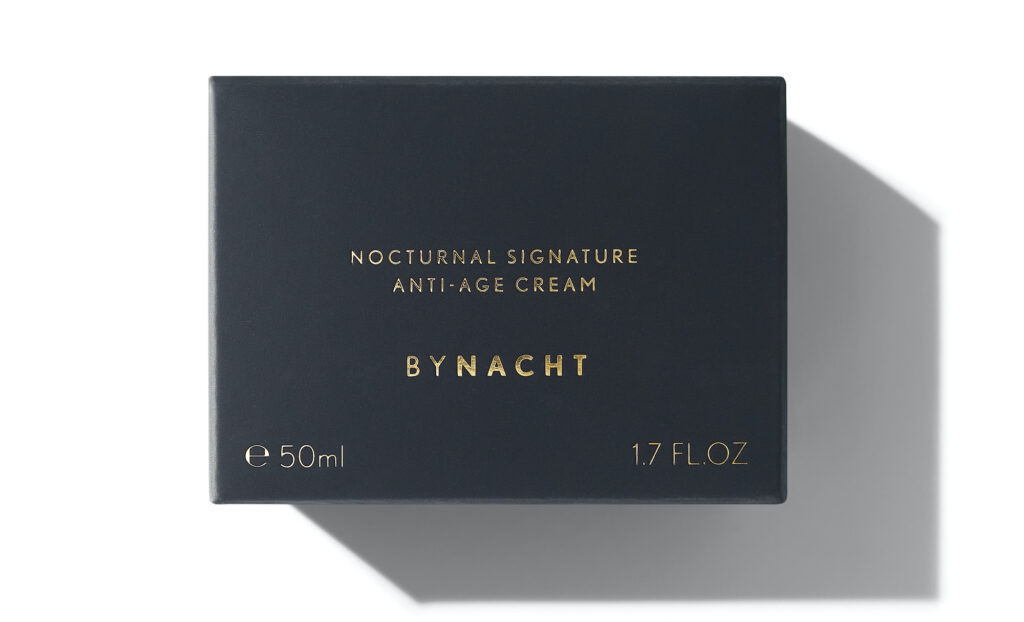
Moon Juice’s SuperBeauty supplement has astaxanthin and glutathione. The wellness brand asserts astaxanthin enhances skin elasticity and diminishes the appearance of lines. The beauty brands Bynacht, Byoma and Image Skincare have launched skincare products containing the ingredient.
The skincare brand Maya Chia began incorporating astaxanthin into its products over a decade ago. For founder Susanne Norwitz, the benefits were too compelling to ignore.
“Astaxanthin is up to 65 times stronger than vitamin C in combating free radicals, making it an exceptionally powerful antioxidant. When applied topically, it helps protect the skin from oxidative stress, improves elasticity and reduces the appearance of fine lines and wrinkles,” she says. “These effects have been supported by peer-reviewed and published studies, such as one published in Acta Biochimica Polonica, which demonstrated significant improvements in skin elasticity and reduction of visible aging signs with topical use. Ultimately, our commitment to science and visible results is why astaxanthin remains a cornerstone ingredient in our formulations.”
The players
5 mentionedBYOMA

Topicals
Too Faced
The Center
iS Clinical