The New Rules For Developing Bestselling Beauty Products
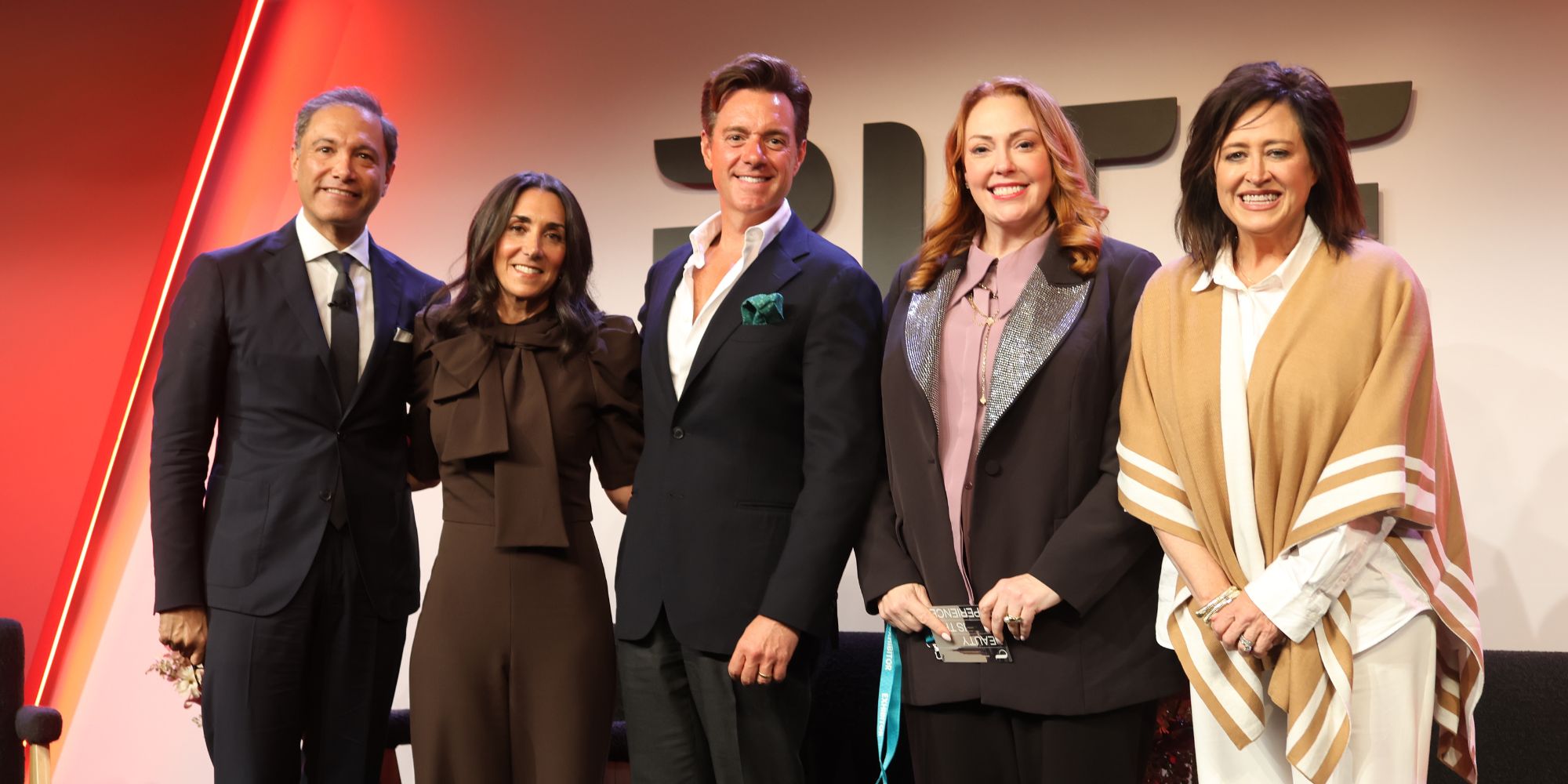
“Ten to 15 years ago, a typical product timeline was 24 to 36 months,” said Serena Godin, chief product officer at True Botanicals, during a panel session on product development at Beauty Independent’s BITE event on Sept. 10 in New York City in which she was joined by Fromm International CEO Martin Okner, Glasshouse Fragrances founder Nicole Eccles and Tish Poling, president and chief development officer at product development and manufacturing company IPG. “Now, if you wait that long, it’s already a has-been. You have to know where to cut corners and where to take risks.”
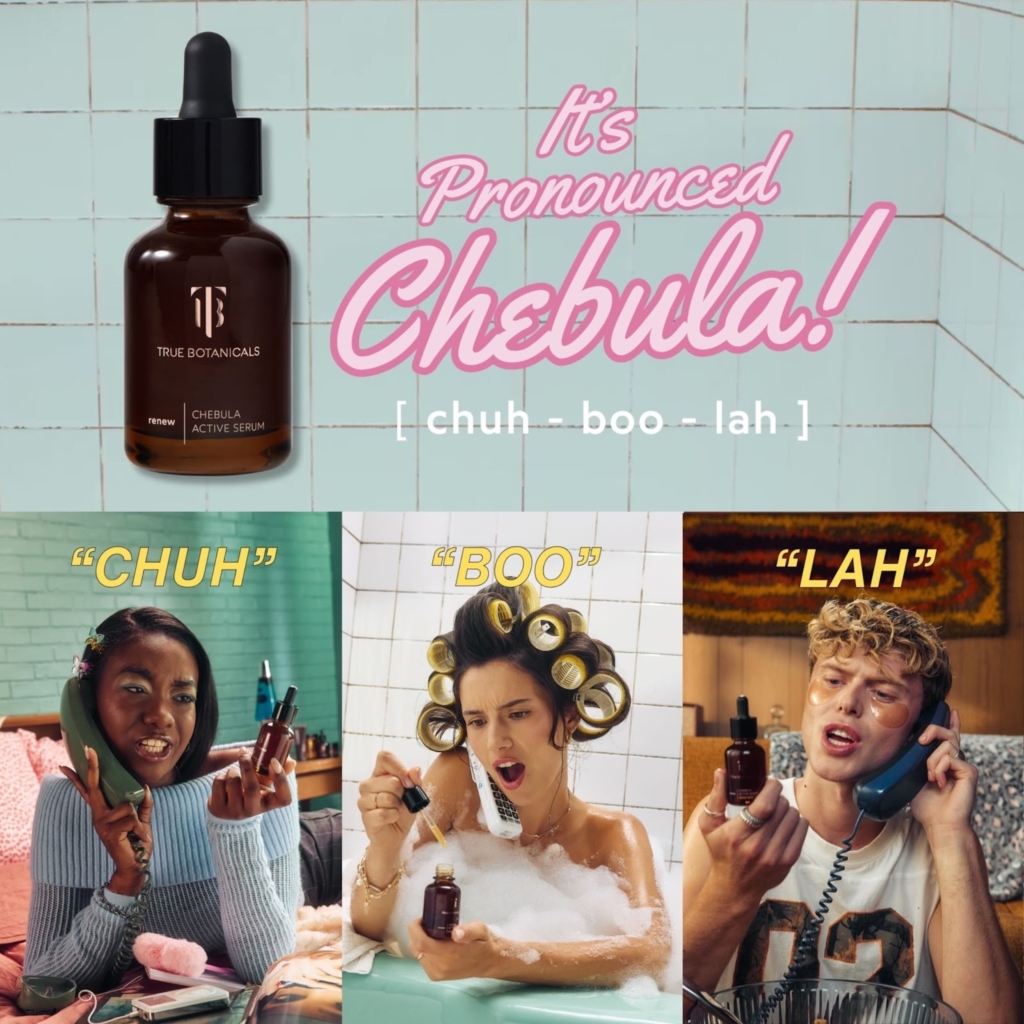
Godin pointed to True Botanicals’ Chebula Active Serum, the brand’s bestseller and a multiple award winner, as proof that uncompromising science and safety can meet luxury sensoriality when innovation is tightly managed. She calls out product testing as a potential bottleneck and as an area in the product development timeline that brands need to tightly manage. She says, “If you don’t have the right process in place upfront, that can be a very messy area.”
For Eccles, product development is deeply personal even as her brand juggles nearly 600 SKUs annually. “I still meet with all the perfumers and test more products than I probably should,” she said, underscoring the importance of customer-centric testing. “I don’t want everybody’s opinion. I want the opinion of the most difficult-to-please, heavy users of the category. If they like it, then I know we have a product.”
Okner oversees a portfolio of 2,000 SKUs and emphasized the CEO’s role in orchestrating innovation. “You really want to enable your team with clear direction, allocate resources wisely and build organizational capabilities,” he explained. “I stay closely involved, balancing space for creativity with what’s right for the market and our channels. My role is to surface the right information—from technology and manufacturing to finance, operations, and marketing—and ensure it’s shared transparently so we can meet customer needs while keeping innovation feasible and on-timeline.”
He cited a recent heatless curler launch at Ulta Beauty that went from concept in January to shelves and online within months. “If you’re two years out, you’re two years too late,” noted Okner. He shared Fromm’s sales are up 55% versus a year ago on Ulta’s website.
Poling warned that the biggest mistakes often happen before briefs ever reach a lab. “Probably the biggest mistake I see is someone who wants a me-too product, but, if I could buy True Botanicals, why would I buy you?” she said. With decades of launches behind her, Poling insisted clarity is paramount. “The more I know, the more my team knows exactly what you want,” she said. “If I don’t, we’re going back and forth to the lab, and that’s very expensive.”
The panelists stressed that product development doesn’t operate in a vacuum, and it must move in step with marketing. As Godin put it, “Sometimes product leads marketing and sometimes marketing leads product.”
Godin cautioned that chasing trends without grounding them in brand or consumer needs can backfire. “Sometimes you want to jump on a trend because you feel like your brand needs to represent a certain product type or category. That doesn’t always work, and it doesn’t always resonate with your customer. You need to be really sure the trend makes sense for your brand and for your audience,” she said, recalling a short-lived CBD face oil. “Our customer didn’t really care,” she admitted. “The trend wasn’t relevant in her life.”
Other panelists shared similar cautionary tales. Okner mentioned a Revlon lipstick that smoothed fine lines, which underperformed because it was marketed as moisturizing rather than anti-aging. Poling recounted a mint-laden shower gel at Bath & Body Works that left consumers literally shivering. When weighing how trends should influence product development, Okner said his formula is usually 50% existing customer insight, 25% retailer input and 25% trend.
Looking forward, the group highlighted innovations ranging from True Botanicals’ patented dermal delivery system to luxury transdermal patches from IPG. “For us, product is everything,” concluded Poling. “I’m only as good as my last launch, and, on TikTok, that’s about two minutes.”
The players
5 mentionedTrue Botanicals

Glasshouse Fragrances
Too Faced
AS Beauty
Ulta Beauty