The New Batch Of Ingredients Looking To Dethrone Long-Time Hyperpigmentation Heroes
Whether it’s for retinol, which is being limited by the European Union to concentrations .3% and under for facial products, or vitamin C, which is falling out of favor in elite skincare circles, there’s a race among suppliers and beauty brands to identify and produce different ingredient options for addressing conditions like sun spots, post-inflammatory pigmentation and melasma. Now, there’s a new batch of products with them challenging perennial star ingredients’ reign.
For brands, however, retinol and vitamin C have advantages over up-and-coming ingredient rivals because they’re two of the best-studied ingredients on the market and have widespread consumer recognition. Cosmetic chemist and Sula Labs founder AJ Addae points out that vitamin C’s ability to even skin tone has been observed in clinical studies. Still, she notes, “Given all the variables such as stability of the formulation, usage time, concentration and consistency of application, it’s hard to crown one ingredient a one-size-fits-all.”
In an article last year, Refinery29 writer Jacqueline Kilikita reported that vitamin C, otherwise known as ascorbic acid and one of the most searched for skincare ingredients in 2023, is being taken down a notch by some skincare experts. In the piece, she highlights a video posted by aesthetician and product developer Alicia Lartey faulting vitamin C serums for being expensive and, if the ingredient is at high percentages in them, irritating. Lartey says, “Vitamin C is not the most efficient way of dealing with pigmentation…In theory, [vitamin C] sounds great. In practice, it does not deliver results.”
There’s a lot on the line in the hunt for other ingredients that deliver results akin to vitamin C and retinol. Consumers and brands are hyper-focused on hyperpigmentation products. According to data provided by market research firm Mintel, global facial skincare product launches calling out hyperpigmentation on their packaging increased from 10.9% in 2019 to 30.9% in 2023. Global facial skincare product launches calling out vitamin C rose from 15.3% to 23.4% in the period. The firm Allied Market Research valued the global hyperpigmentation treatment market at $5.1 billion in 2022 and forecast it will reach $10.5 billion by 2032.
At Sula Labs, the demand for hyperpigmentation product development is surging. Nearly half of the inquiries it received in 2023 were related to hyperpigmentation. “It shows that there’s still a need for hyperpigmentation products that specifically speak to dark-skinned consumers and leverage efficacy for darker skinned consumers,” she says. “Not only am I seeing folks move away from just hinging all hyperpigmentation benefits on vitamin C, but I’m also starting to see a lot more brands launch alternatives, maybe ingredient innovations around vitamin C saying compare their efficacies on popular vitamin C efficacy endpoints like photo damage and collagen.”
Sula Labs is out to be a go-to resource for the creation of products driven by vitamin C alternatives. It’s partnered with California State University Dominguez Hills on a biotech ingredient tackling hyperpigmentation and supporting the skin microbiome set for release later this year. Meanwhile, brands such as La-Roche Posay, Mother Science and HUE have introduced products with vitamin C alternatives.
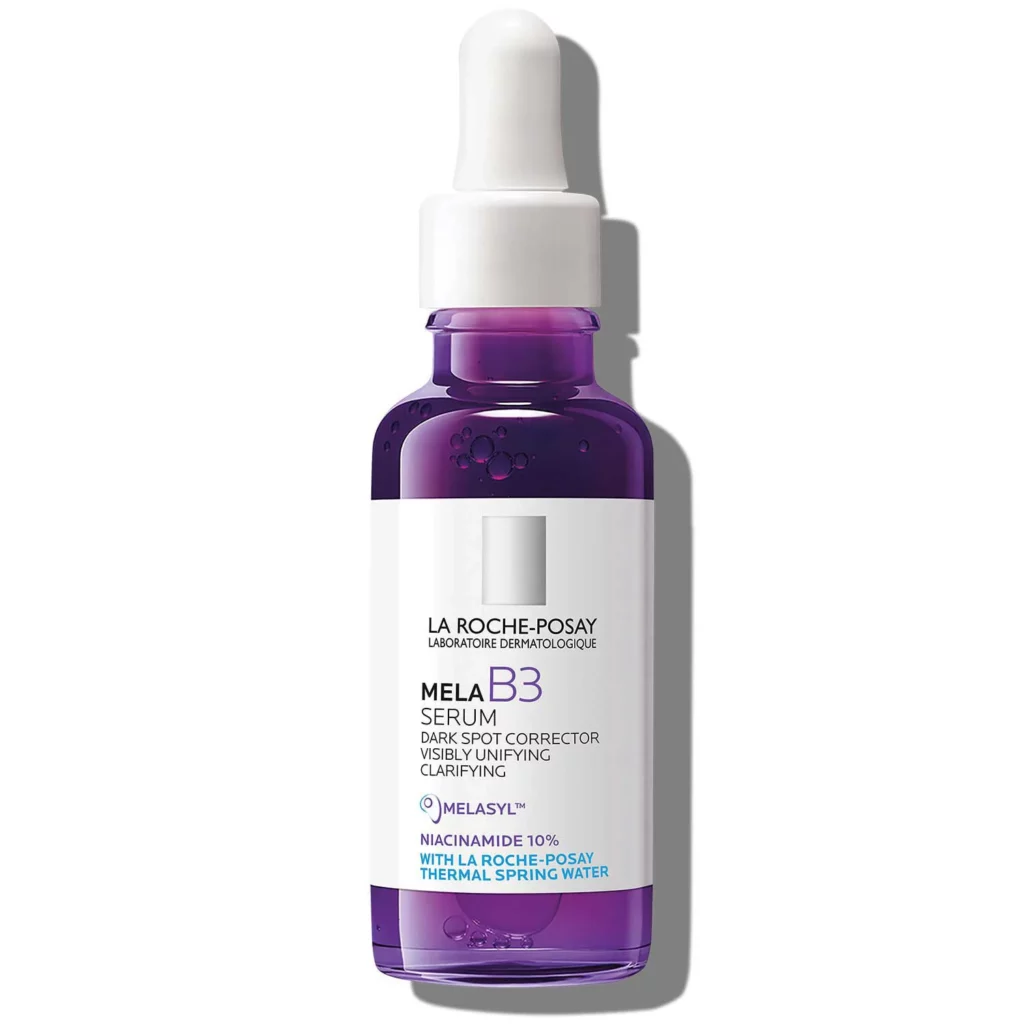
La-Roche Posay’s new Mela B3 Dark Spot Corrector features melasyl, a patented ingredient the brand promotes as being born out of 18 years of research and designed to “address localized hyperpigmentation and improve skin tone uniformity.” It shares melasyl has been vetted in 121 scientific studies, and clinical testing was performed on skin tones throughout the Fitzpatrick skin tone scale. L’Oréal, which acquired La-Roche Posay in 2018, plans to incorporate the ingredient in future L’Oréal Paris and Vichy products.
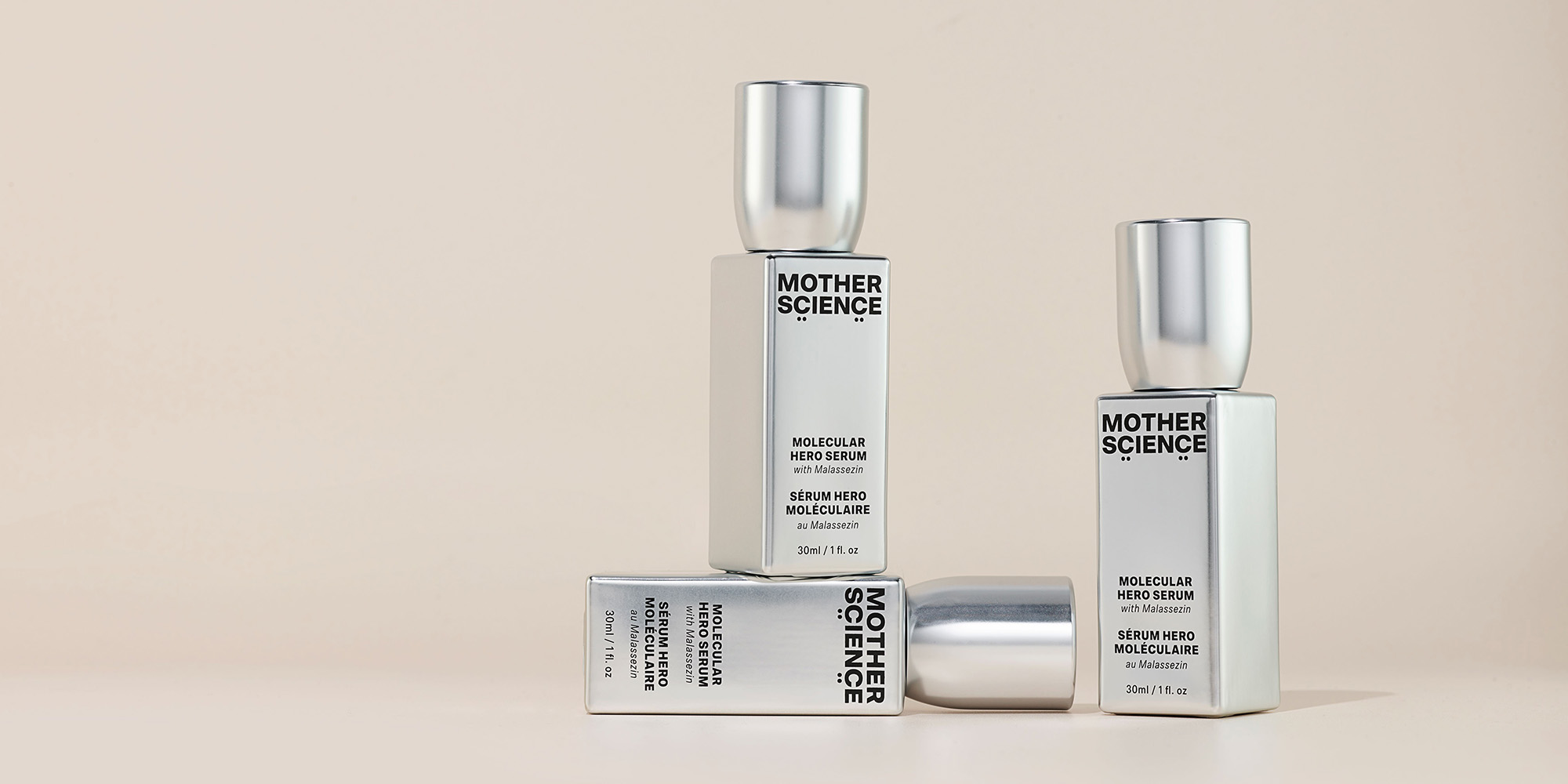
Mother Science, a brand that launched last year with $6.2 million in funding, uses the biotech-derived ingredient malassezin in its debut product Molecular Hero Serum for combatting dark spots and sun damage. Malassezin is a compound produced by malassezia furfur, a naturally occurring molecule found on the skin, but the brand recreated it in a lab and is the first to put it in skincare.
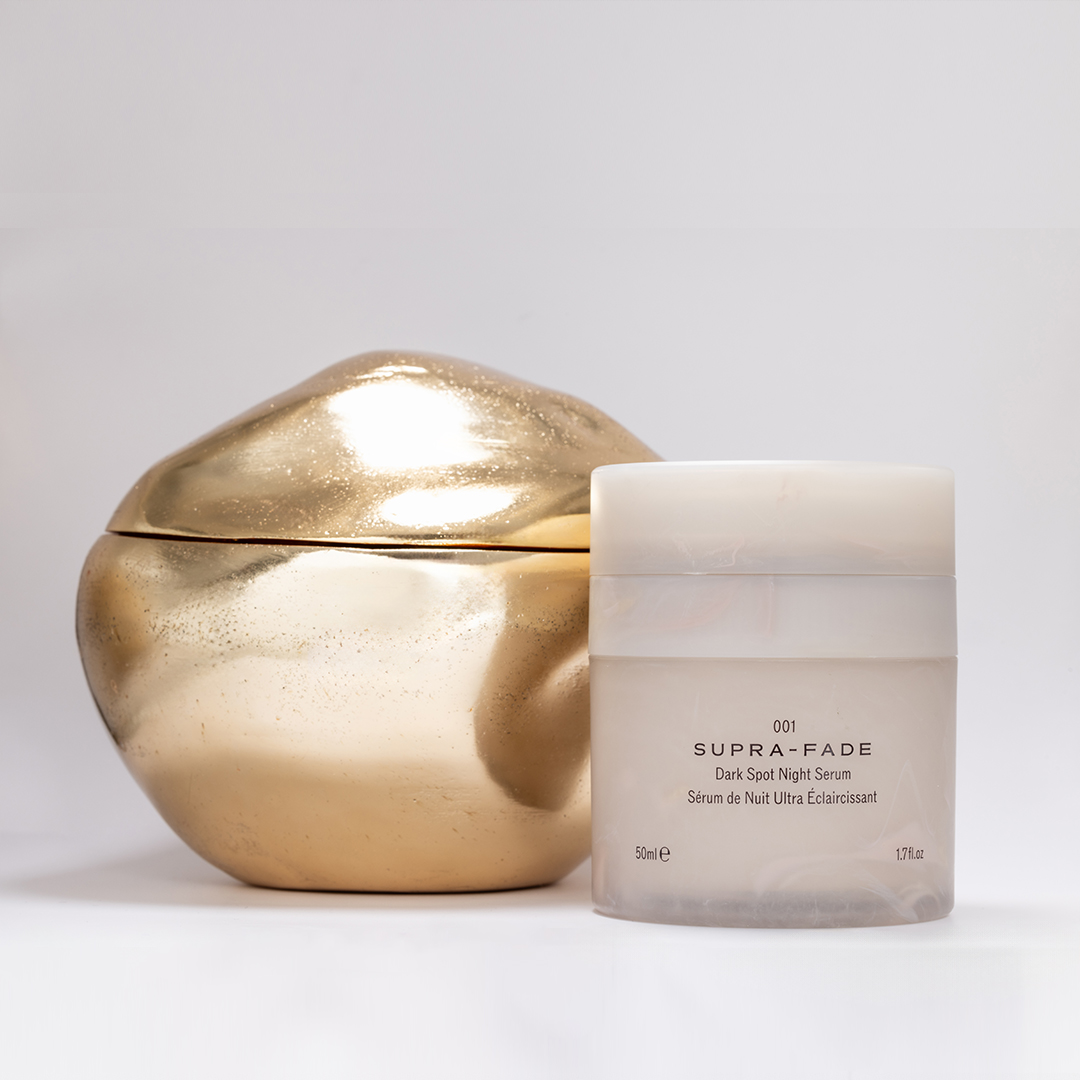
Rather than zero in on a single hero ingredient for budding brand HUE’s dark spot night serum Supra-Fade, founder and doctor Hanni Hassan steered away from usual hyperpigmentation suspects like vitamin C in favor of a mix of active ingredients, including azelaic acid, licorice extract, alpha arbutin, centella, kojic acid and allantoin. In a six-week trial with 67 participants, 80% of which were people of color, they discovered regular application of Supra-Fade lead their complexion to appear significantly more even.
In general, Addae explains that hyperpigmentation products have relied on star ingredients because mixing ingredients together in them can be tricky. She says, “There is a misconception that more efficacious products contain a cocktail of active ingredients, [but] hyperpigmentation-oriented products pose more stability difficulties in throwing a cocktail of hyperpigmentation ingredients together more than a barrier-repair product might with throwing together a cocktail of humectants.”
Of course, the race to find hyperpigmentation options isn’t new. Since 2020, over-the-counter products haven’t been allowed to have hydroquinone, a skin-lightening agent long turned to for hyperpigmentation, and brands have been scurrying to unearth an ingredient with comparable effects. Along with vitamin C and retinol, ingredients the likes of niacinamide, tranexamic acid, kojic acid and azelaic acid have emerged as alternatives.
“Vitamin C is definitely not the only ingredient you should be relying on for tackling hyperpigmentation. It really requires a whole arsenal of actives. Hydroquinone is often considered a gold standard for hyperpigmentation. Niacinamide also has great clinical data as well,” says Gloria Lu, a cosmetic chemist who co-founded the brand Chemist Confessions with fellow cosmetic chemist Victoria Fu. “Additionally, azelaic acid, kojic acid and tranexamic acid are a few other ingredients with interesting clinicals surrounding hyperpigmentation. Chemical exfoliants such as glycolic acid and mandelic acid also have their place in a hyperpigmentation focused routine. Finally, we can’t forget about sunscreen.”
Up until this point, Addae believes brands haven’t experimented with more ingredients outside of vitamin C is because of vitamin C’s awareness and its keyword influence in search term marketing and advertising. That influence is evident even in brands that don’t depend on it. In social media ads for Molecular Hero Serum, Mother Science claims malassezin is a “breakthrough ingredient that is a 10X more powerful antioxidant than vitamin C.”
So far, Mother Science co-founder Edna Coryell says the brand has “had a really phenomenal response from consumers.” Its sales have have grown on average in excess of 40% monthly since launch, and its repeat purchase rate is above 35% according to information given to the publication Fast Company, which has named Mother Science brand one of the most innovative companies of 2024.
Although alternatives to vitamin C are popping up, Fu predicts they won’t replace the original skincare dynamo anytime soon. Not only does vitamin C have recognition, alternatives to it tend to fall short from a performance perspective. “There will be always be claims like ‘1000x more potent than vitamin C.’ However, currently we don’t see any one new ingredient having enough evidence to dethrone vitamin C quite yet,” says Fu, adding, “We will always remain hopeful!”
The players
5 mentionedNot Your Mother's

Counter
Hanni
AS Beauty
Under Your Skin