Five Key Considerations For Navigating The Beauty Brand Fulfillment Process
Known as fulfillment houses or third-party logistics companies (often reduced to the acronym 3PL), vendors that receive, house and send beauty products on behalf of a brand have a variety of approaches and services. As specialists, these companies have developed unique standards, rules and terms. Since one of the most vital aspects to scaling your business is working with the right fulfillment partner, you must first build your knowledge of the fulfillment process. Once you have a handle on the basic practices, you can weigh the variables of size (theirs and yours), cost and speed to make your choice.
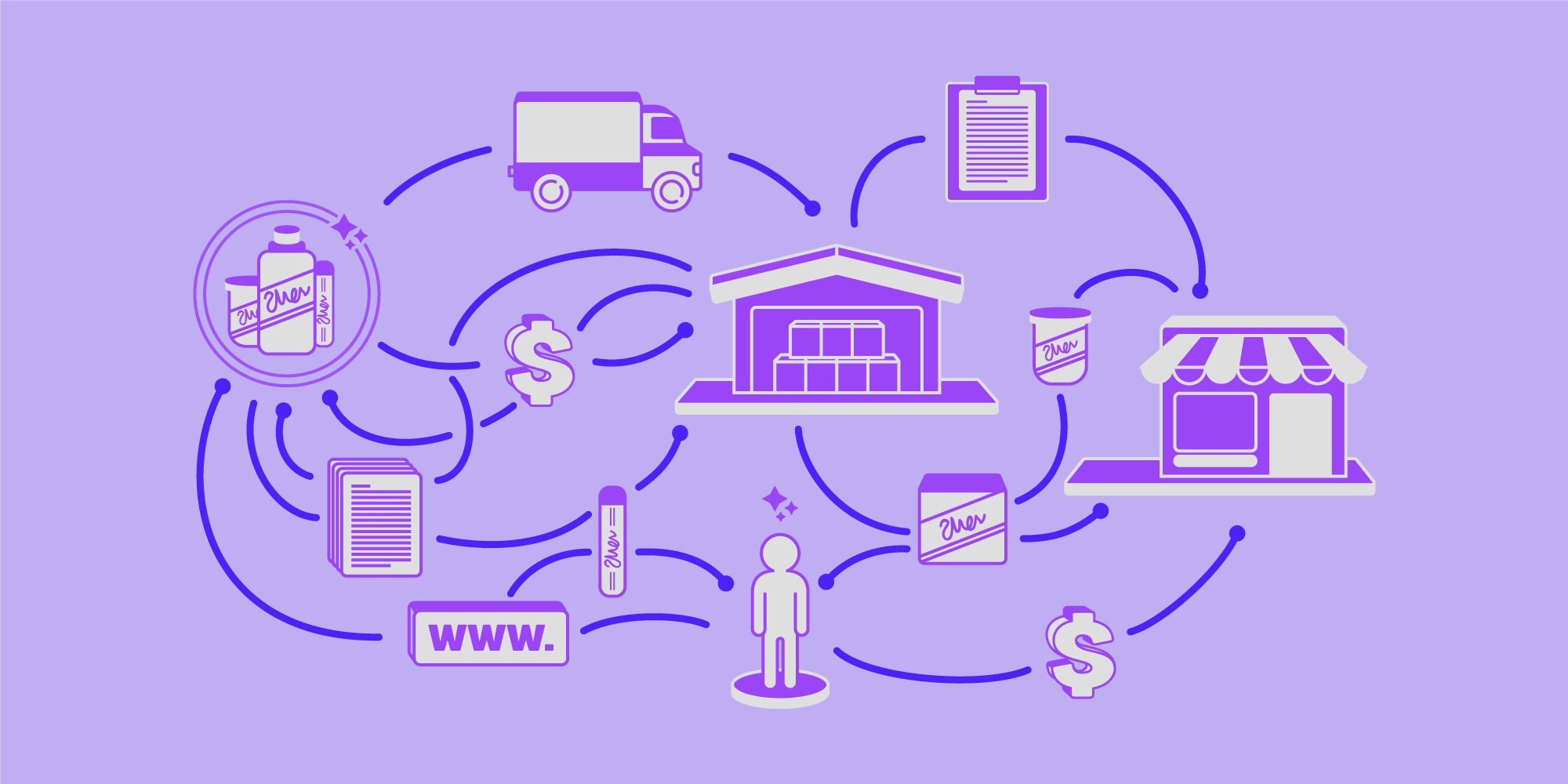
Navigating fulfillment is best broken down into five essential functions: onboarding, the initial process of setting up your accounts and processes with your new partner; receiving, the terms, conditions and methods the 3PL sets when it receives products in bulk from you or your production facility; storage, the warehouse itself and the systems it employs; shipment handling, the process of picking products, packing boxes and sending them to their destination; and value-added services, which can entail everything from kitting, a term for bundling products together in special packaging, to accounting.
To help you better understand fulfillment, we’ll lay out the details of how fulfillment houses approach common functions and what they charge for them. While the customary first steps of starting with a fulfillment partner are onboarding a brand, receiving products and storing them, we’ll tackle the highest priority functions to begin, specifically shipping and handling. If you’re uncomfortable with the fee structure for shipping, there’s no need to take the next step of inquiring about the onboarding or receiving processes.
1. Shipment Handling
Shipment handling is the area where brands incur the bulk of their operating costs. There are two cost structures found in the U.S.: value-based and activity-based models. Below is an overview of each structure.
Whenever negotiating either system, know that lower rates may mean the warehouse will itemize some charges elsewhere in the process that the higher-rate companies do not. In both cases, price will be determined by how much time and labor is involved (having an item tossed in a box along with some bubble wrap Amazon-style will be cheaper than requiring a more careful, delicate approach). Each warehouse has individual standards related to pricing and what is included in the price. Retail price, volume and complexity of trade partner requirements are the major considerations when pulling together a proposal.
Shipment material fees: Generic packing materials such as boxes, tape, labels and tissue are not always included in shipment handling. It is good to clarify what is provided and where additional material expenses will be incurred. Some warehouses have third-party relationships that can source and create custom-branded shipment experiences. Additional charges will apply to any non-standard element in the pack-out process and is categorized as a value-added service (e.g., stickering tissue or including a sample or marketing card).
Delivery fees: Shipping charges are a pass-through cost and fall onto the brand every time. Warehouses are able to provide discounts due to volume and share those rates with their accounts.
2. Onboarding
Once you have negotiated your deal, onboarding your brand will be your first interaction with your new partner. Onboarding involves key integrations to consider, and they each come with their own set of costs which, of course, you need to know in advance. Major integrations include uploading to the main warehouse management system, EDI connection, links for a shopping cart and a potential accounting system. Integration can take anywhere from two to four weeks. Below are general integrations defined with ballpark costs to keep in mind.
Warehouse management system: The warehouse management system is an internal system that follows order fulfillment, inventory, shipping and reporting. Each brand gets an account ID with product inventory, item descriptions, item numbers and Universal Product Codes (UPCs). Cost is directly connected to how sophisticated the reporting system is. Depending on the sophistication of the program, costs can range up to $2,500 for a mid-sized warehouse.
Shopping cart: Common shopping cart links such as Shopify and Magento are used for sales on web, mobile, social media, online marketplaces, store locations and pop-up shops. Robust fulfillment partners will have preexisting connections with the common carts, so setup fees should be relatively nominal at around a few hundred dollars.
EDI: EDI is the required data connection when working with a large retailer. It acts as the electronic communication mailbox between fulfillment center and retailer. The data system ensures seamless communication and tracking, especially when working with multiple trade partners and different stock formats (e.g., dot-com, in-store and tester orders).
Automated EDI: Warehouses typically work through a dedicated third-party agency that hosts the connection. There is a one-time setup fee and monthly recurring fees based on the documentation requirements of the trade partner per order. An easy way to think about the monthly recurring EDI fee is as a mailbox traffic fee. Major retailers ask for different levels of communication and updates after they submit an order to the warehouse. Receipt confirmation and advanced shipment notice are two types of communication requests. The monthly fees are not significant for low-volume brands and can average less than $100 per month.
Manual EDI: Manual EDI is a reasonable option when there isn’t significant order volume. It entails printing product UPC labels to be applied when fulfilling a wholesale order from a retailer. Costs are usually charged by the hour, but vary significantly by region and internal bandwidth. However, because your system of tracking information (a spreadsheet of when the order was received, packed and shipped out, or a confirmation of receipt) is not linked to the warehouse, you’ll need to regularly communicate and follow-up to make sure each task has been completed.
Third-party EDI: A third-party agency can also host the data connection and manage the communication within the mailbox. It is common practice to use the EDI company that is already established within the warehouse or the preferred agency of your main distribution partnership.
Online catalog agency: A third-party online catalog company that works in conjunction with the EDI agency is unusual. This type of agency is only a required step with specific trade partners. The process entails manual entry of the product assortment into an online catalog. Upon completion, the trade partner’s dedicated EDI agency will access the catalog for automated EDI. There are separate setup fees and monthly charges associated with the use of the catalog. The costs are based on the number of products uploaded.
It should be noted that upon opening an online catalog account, the trade partner could require the brand to stay live for a minimum length of time. Each month the online catalog will scan and price out based on the highest number of UPCs held in the brand’s account. The system provides flexible and accurate pricing for an up-to-date assortment offering.
3. Receiving
Upon the arrival of goods to the warehouse, there is a formal receiving process ensuring the proper placement of your product, marketing collateral and other brand-related items. The receiving procedure is referred to as the “load-in” process. Each warehouse has load-in requirements to make certain the correct products, quantities and lot codes are obtained damage-free. The inventory is then inspected, uploaded into the warehouse management system and funneled to a brand’s designated area. There are two types of load-ins: (1) master carton with an average of 48 pieces of product; and (2) pallet, which is an average of 40 master cartons. It is common to charge a nominal load-in fee based on pallet or master carton.
4. Storage
Most brands have two dedicated storage locations in the warehouse: One for pallet storage and one for pick/pack bins, also known as flow racks. Direct-to-consumer orders are stored in the flow rack area for easy shipment handling. Approximate storage pricing varies greatly. In some cases, charges are monthly and, in other cases, they kick in when minimum monthly activities are not met.
5. Value-Added Services
Any touching of a product that goes beyond the traditional functions of receiving, storing, shipping handling and delivering will be regarded as a value-added service. Value-added services cover areas such as returns processing, kitting, administrative support and international capabilities. For product-related services like returns or kitting, the general costs are broken down into a per unit or hourly fee.
Indie beauty brands should lean toward a fulfillment partner that specializes in the beauty sector. The working knowledge of beauty trade partners enables a streamlined and cost-effective experience. Leveraging best practices and preexisting systems is priceless and guarantees high-quality fulfillment, minimal labor costs and low potential for chargebacks. The biggest consideration is finding a partner willing and capable to be nimble to suit the ever-changing needs of small brands. Indie beauty brands benefit from working with a fulfillment partner that is big enough to offer some bells and whistles, but small enough to give customized service.
The players
5 mentionedBetter Being

AS Beauty
Bubble
The Center
Amazon