Has The End Of The Lipstick Index Been Greatly Exaggerated?
From Bloomberg to The Business of Fashion, articles have predicted peak beauty is here, consumers are tapped out, and beauty’s recession resilience is a relic. The data tells a more nuanced story. Sure, the beauty industry’s growth is slowing, but it’s not extinct. Management consultancy McKinsey & Co.’s latest beauty industry report with Business of Fashion projected worldwide beauty sales will increase 5% annually through 2030, down from 7% from 2022 to 2024.
The timing of this debate feels particularly poignant given that Leonard Lauder, the former president, CEO and chair of Estée Lauder Companies Inc. who coined the term, died on Saturday at the age of 92. Even as the beauty industry mourns his passing, discussion about the lipstick index persists. In August last year, Bloomberg Opinion columnist Andrea Felsted wrote that the idea behind the term, characterized by people snapping up relatively affordable beauty products as treats during economic downturns, “may not be so pronounced this time” if there’s a recession.
She suggested consumers had already stuffed their makeup bags and cabinets full of products like lip oils, body creams and perfumes—and they wouldn’t overstuff them if they felt squeezed. She said, “Years of blockbuster growth in the beauty industry means there may be less need to stock up…It’s hard not to think we’ve reached peak beauty.”
In a May article this year on the lipstick index, Business of Fashion senior beauty correspondent Daniela Morosini cited slumping sales at conglomerates like Coty, Estée Lauder and Shiseido, a spending pullback among aspirational middle-class shoppers, and the indie beauty and e-commerce explosion causing consumer fatigue as evidence that it’s been toppled.
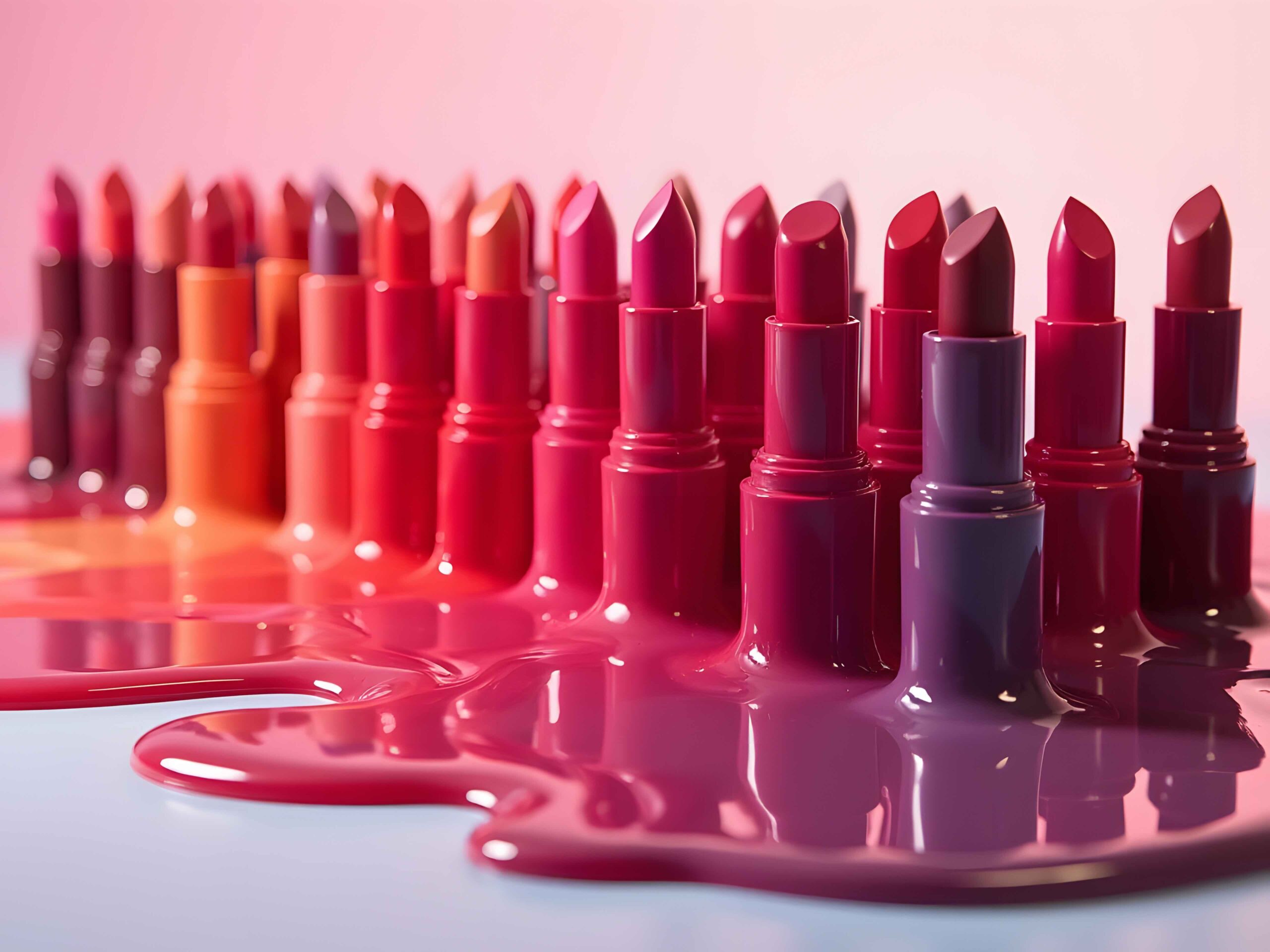
Another point favoring the end-of-lipstick-index theory is that sales of lipstick have melted. According to market research firm Circana, prestige lipstick sales declined 15% in the first quarter this year.
However, not all beauty industry insiders believe that the lipstick index is cooked. They argue for a broader view of it, noting that the notion of small indulgences doing well in downturns shouldn’t be limited to lipstick alone and isn’t undermined by a few companies, albeit large ones, with softening sales. Circana SVP and global beauty industry advisor Larissa Jensen highlights that, in the first quarter, sales of prestige lip oils and lip balms were up 18%, and sales of mass lip glosses, lip oils and lip balms were up 14%.
“Part of how the lipstick index was so named was because lipstick was one of a few areas in beauty that posted growth during that generally negative period. Today’s market and consumer are different, and social media plays a significant role in keeping beauty top of mind and creating FOMO,” she says. “This is why I maintain the lipstick effect has evolved to be more about beauty overall, which has weathered consumer sentiment declines over the last several years with strong growth.”
And many insiders contend that it’s wrong to interpret the lipstick index as meaning there will be absolutely no impact on beauty from a recession. Explaining her optimism about the industry to the publication Fashionista, Cristina Nuñez, partner and co-founder at early-stage beauty and wellness investment firm True Beauty Ventures, said, “I don’t think anything’s recession-proof, but I think beauty is probably one of—if not the most—resilient categories within consumer [product investing]. Beauty has this ability to provide little pleasures for people and escape from the realities of their life, so I don’t think people are going to stop these habits.”
Circana hasn’t backed away from its forecast for beauty industry growth. Jensen says, “We are bullish on the continued resiliency of the industry. We expect both mass and prestige beauty will continue to grow in the low single digits, even as that growth slows down over the next few years. And in line with years past, unit demand for prestige should remain stronger than in mass.”
Based on this discussion, for the latest edition of our ongoing No Stupid Questions series, we asked 14 beauty consultants, executives, entrepreneurs and investors the following: Where do you stand on the lipstick index and whether it’s dead or lives on? What’s your prognosis for beauty sales this year and into the future?
The players
5 mentionedEstée Lauder

AS Beauty
August
Bullish
T Investment