Indie Beauty Snapshot: 12 Emerging Trends Of Early 2021
It seems like a modicum of optimism about the state of society may be breaking through the doom. For many products businesses, the overwhelming uncertainty of 2020 has mostly given way to the humdrum of the more typical obstacles of financial, time and workforce constraints. In the indie beauty space, the optimism is apparent in brands that, after a period characterized by a focus on survival and supply chain matters, are being proactive on product development, diversity initiatives, sustainability objectives and ingredient innovation. Below, we identify a dozen trends that suggest the beauty industry is ready to move forward into a brighter, interesting future.
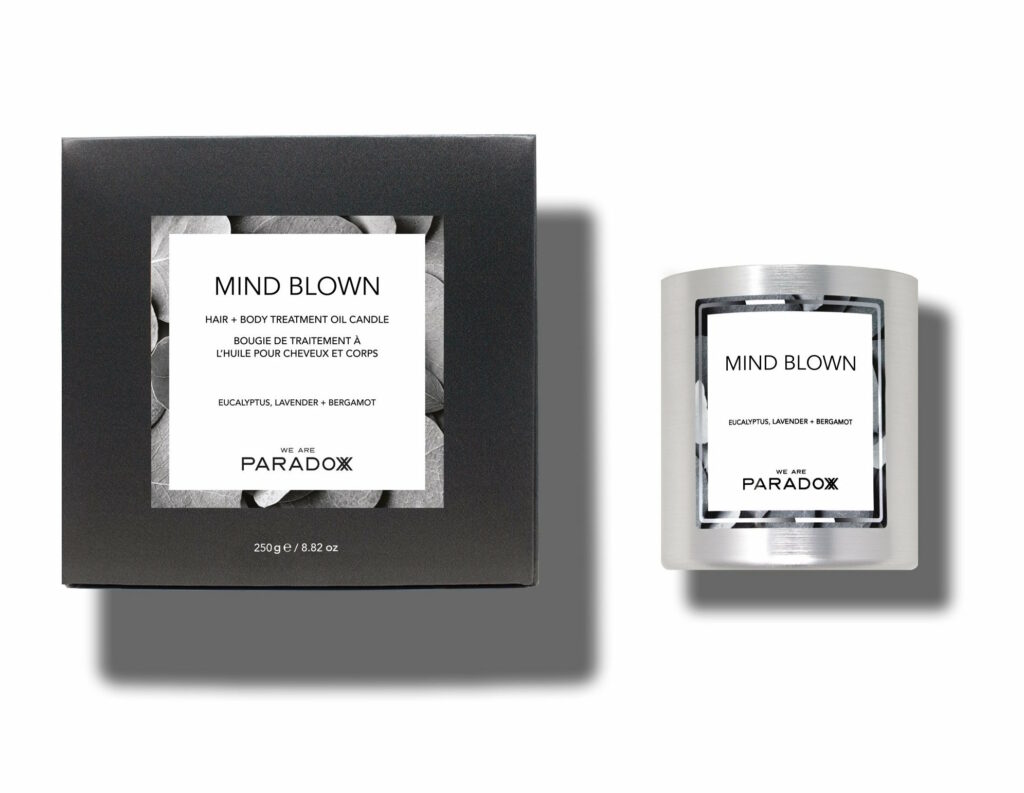
For years, the skinification of haircare trend has brought skincare benefits and ingredients to haircare brands. Now, haircare brands are extending out from the haircare category with products that cross haircare, skincare, body care and fragrance. They’re the ultimate multitaskers.
We Are Paradoxx is pushing the needle on product versatility. The eco-friendly haircare brand’s Mind Blown candle doubles as a hair and body treatment oil with shea and cocoa butter to condition skin and hair, and its exfoliating product Crushing It is both a scalp scrub and a body scrub. It’s not the only brand with a strength in haircare that has multi-hyphenate wonders in its stable. Briogeo’s B. Well Organic + Cold‐Pressed 100% Castor Oil, and Kreyol Essence’s Haitian Moringa Oil and Haitian Black Castor Oil are agnostic when it comes to face or hair application.
The haircare hybrid products allow We Are Paradoxx founder Yolanda Cooper’s imagination to run wild. “Our potential for NPD is so vast, and we can stretch further with the products we want to do,” she says. “But it poses challenges because the skin and face require different extracts and actives than our hair requires. We don’t want a product that’s greasy for your face whilst it works on your hair.”
At the outset of the last decade, Etsy was an early indicator of the clean beauty boom that was to come. Brands such as French Girl Organics and Herbivore flourished there before becoming mainstays of the clean beauty segment elsewhere. During the pandemic, Etsy has had a rebirth. Last year, the online marketplace divulges it acquired 61 million new and reactivated buyers. Its gross merchandise sales soared 118% to reach a record $10.3 billion. Judging by visits, Etsy reports it’s the fourth largest e-commerce website in the U.S.
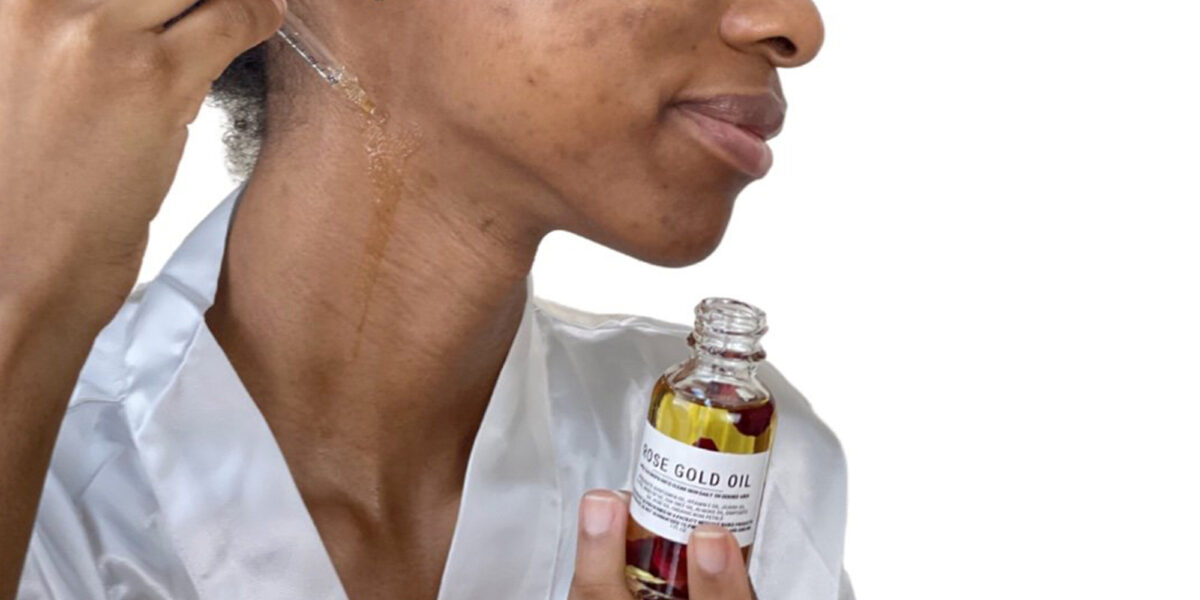
As vaccinations stem the spread of the coronavirus, it’s unclear if Etsy’s unparalleled performance will be repeated. However, the brands that have thrived on the platform during the pandemic may follow in the footsteps of Herbivore and French Girl Organics to find homes in beauty industry venues outside of it. Little Herbs Co. is a skincare and body care brand on Etsy that’s been killing it lately. In less than six months in business, the brand shares on Instagram that it’s shipped products to all seven continents. Together with its sister body care brand Noah Samir, it’s quickly surpassed seven figures in sales. Actress Gabrielle Union and rapper Cardi B have used its Rose Gold Oil. Little Herbs Co.’s bestseller is Flower Bomb Oil.
With people searching for healing remedies amid the pandemic, herbal beauty products have been a big theme on Etsy. Among the brands in addition to Little Herbs Co. in that arena on the site are Touch of Herbs, Hanna Herbals and April & Raine Herbal Solutions. Other beauty brands that have gained from the Etsy wave are Parlo Cosmetics, Shine Skincare Co., Fro.ology, Kitty’s Apothecary, NaturelleGrow, Nectar Fresh Body and Lis Noir Skincare, which sells an organic cream deodorant that has garnered more than 3,730 reviews on the site with an average of five stars.
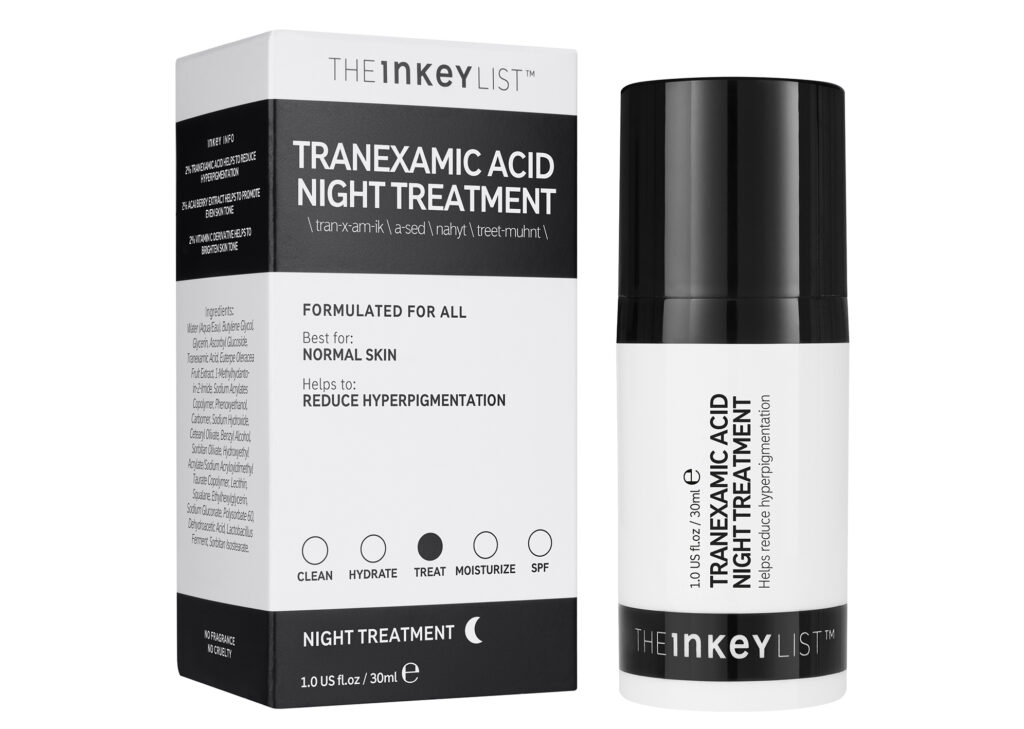
Acids have been exceedingly popular skincare powerhouses. Any beauty enthusiast worth their Reddit registration is aware of alpha hydroxy acids and beta hydroxy acids. Tranexamic acid is just entering the vocabulary of skincare. Naturium now sells Tranexamic Topical Acid 15%; The Inkey List has the ingredient in its product Tranexamic Acid Night Treatment; and Good Molecules incorporates tranexamic acid in Discoloration Correcting Serum.
Mark Curry, co-founder of The Inkey List, explains tranexamic acid has traditionally been used as a drug to address heavy menstruation, stop bleeding during surgical procedures and tackle melasma orally. Starting in 2014, Curry says studies have been conducted that demonstrate its positive impacts on scarring and hyperpigmentation. “Unlike traditional exfoliating acids, tranexamic acid specifically works to block the hormones that trigger skin pigmentation and regulate the production of melanin,” he elaborates. “Therefore, it is an ideal active to target hyperpigmentation, brighten dark spots and even skin tone.”
While its purposes have been ideal, its cost in the past hasn’t been. Curry points out The Inkey List’s tranexamic acid feat was unleashing the ingredient into the market in a product that’s $14.99. He wouldn’t be surprised if more brands try to get in on the tranexamic acid action. “This ingredient has true transformational results when it comes to hyperpigmentation and scarring, and can be layered well with well-known super-actives such as vitamin C, niacinamide and even exfoliating acids such as glycolic acid and salicylic acid,” says Curry. “It is definitely one to watch in the skincare space.”
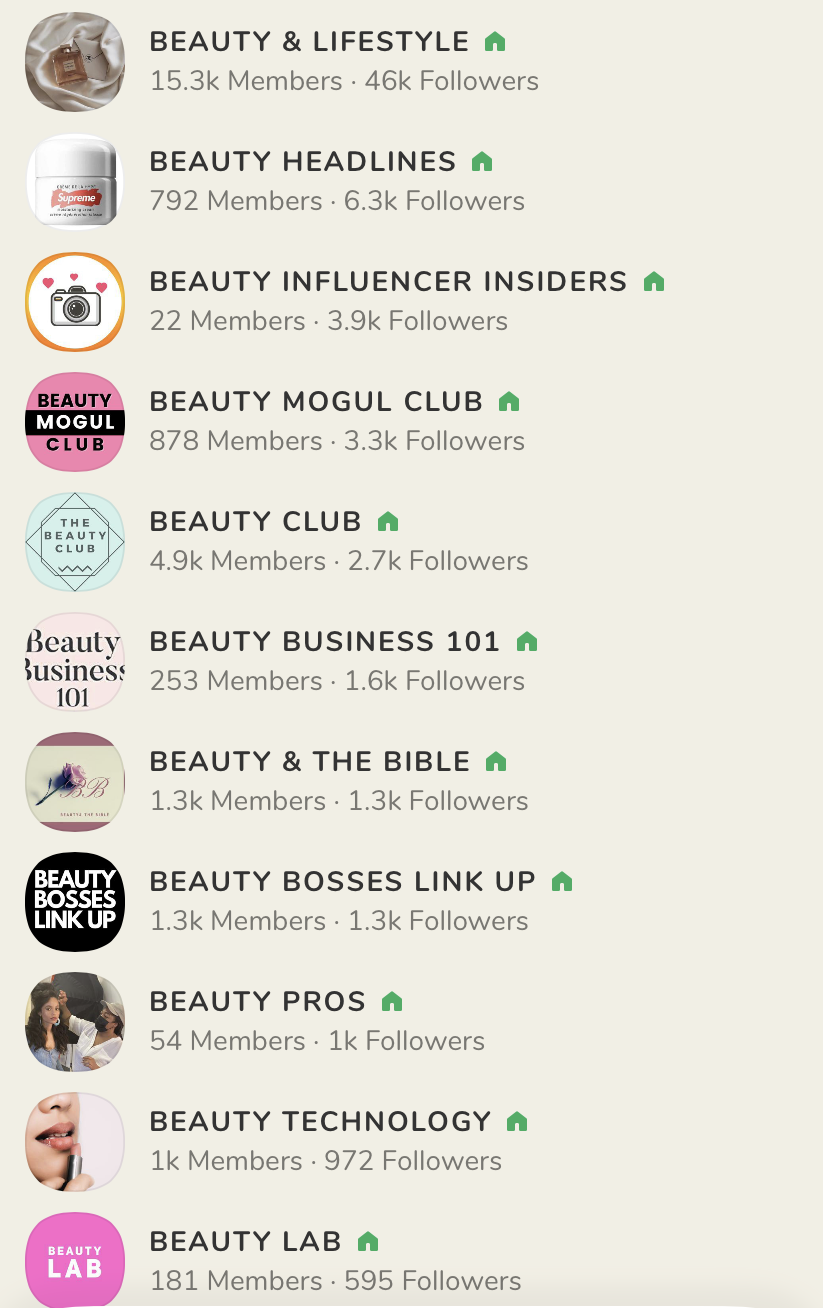
After launching last year, Clubhouse has hit a fever pitch in 2021. In February, the audio app had 8.1 million registered users, up from 600,000 in December. As members of the beauty industry flocked to it, conversations about the business of beauty got real, thanks to the informal nature of interactions on Clubhouse. “The real-time feature of Clubhouse makes this a level playing field right now,” says Natalie Cardona, a makeup artist and creator of The Beauty Lounge club on Clubhouse, which boasts 3,300 members. “Marginalized voices can be heard equally on the same platform as top executives. This is less about status and more about substance.”
On Sunday, a so-called room on Clubhouse discussed Asian cultural appropriation in connection with gua sha specialist Wildling. Wildling co-founder Gianna De La Torre joined the room and shared the brand’s point of view live. Beauty industry professionals active on the platform believe that interaction isn’t unique, and the fresh format can facilitate important conversations at scale.
“Clubhouse can absolutely be a vehicle for change,” says Cardona. “We are having provocative discussions on gatekeeping, racism, diversity and so much more. Myself alongside Michela Wariebi, Tomi Talabi and Jaleesa Jaikaran have led some of the most nuanced conversations, from the intersection of beauty and aging to preserving beauty rituals from the African diaspora.”
BeautyStat founder Ron Robinson, who’s been active on Clubhouse for two months, agrees that difficult, but powerful conversations are happening regularly on the app. He says, “It’s a new virtual event/conference platform. In many rooms, the conversation has gotten heated and intense. Moderators disagree with each other, audience members have gotten offended, some rooms have been called out for not including enough diversity.”
Cardona declares there’s no hiding on Clubhouse. “It doesn’t mean the problem will be solved in one discussion,” she says, “but these conversations bring awareness and a call to action in real time that we haven’t seen before.”
In 2019, the beauty mergers and acquisitions market was punctuated by mega deals like Unilever’s $1 billion takeover of Tatcha and Shiseido’s $845 million deal to pick up Drunk Elephant. The frenzy cooled a tad in 2020, but there was still Puig’s headline-grabbing acquisition of Charlotte Tilbury for a reported $1.5 billion. Recently, Estée Lauder agreed to purchase a majority stake in Deciem a transaction valuing The Ordinary parent company at $2.2 billion.
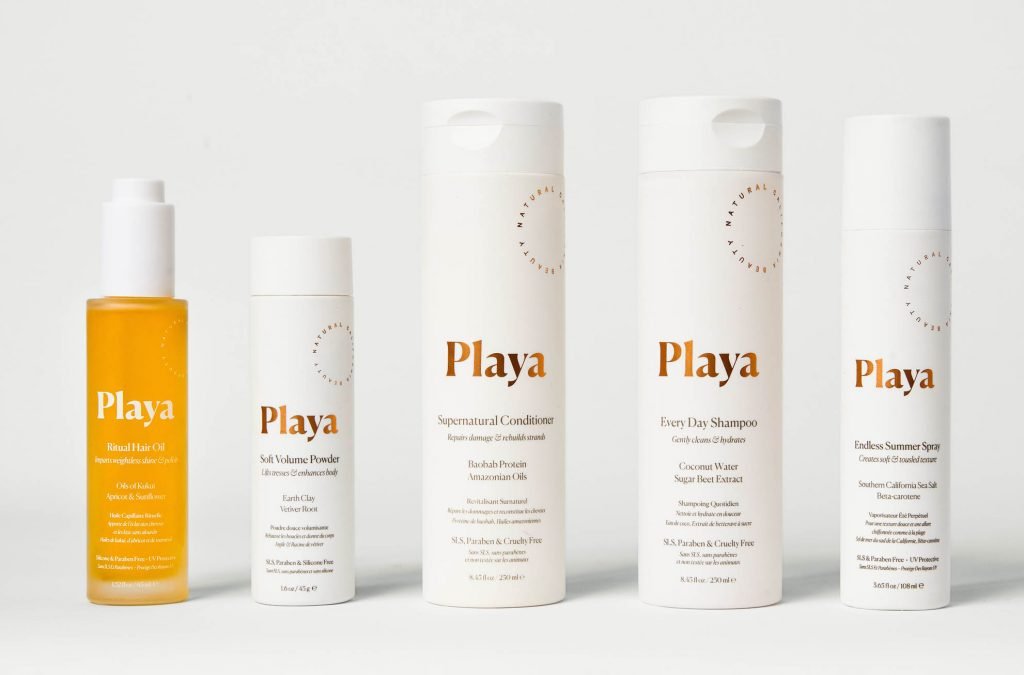
For the most part, though, the deals have been of a more modest nature, often made by beauty and personal care’s new band of strategics, companies like Forma Brands, which describes itself as an incubator, accelerator and curator. In August last year, it acquired 3-year-old clean haircare specialist Playa. Playa’s revenue at the time of the deal wasn’t disclosed. In 2017, 2018 revenue for Playa was projected to reach $4 to $5 million, according to information provided to the publication Glossy.
This year, Amyris Inc., the biotech company behind Sephora darling Biossance, acquired Terasana in January and Costa Brazil in March. Also in January, consumer packaged goods conglomerate Reckitt Benckiser acquired feminine care brand Queen V and, in February, CBD company PureK Holdings acquired clean skincare specialist No B.S. What’s driving these early-stage beauty acquisitions?
“I actually think there are two things that are driving this,” says investor Tina Bou-Saba, founder of seed fund CXT Investments. “In some cases, I think these deals happen because the company hit a wall in terms of growth and weren’t able to raise more money. It’s not a distress sale, but it’s not a high multiple, like a huge home run.” She adds that investor dollars are being diverted to tech right now, making fundraising harder for personal care brands. “This is a softer landing than shutting down the business,” says Bou-Saba.
Bou-Saba continues that some of the other early deals happening are due to investors being more aggressive in scooping up desirable assets. She says, “There are fast-growing, really compelling brands, very strong digitally and are really resonating with a core customer group. We do see acquirers active earlier than they might have been in the past.”
Phylia de M., a clean haircare brand gone too soon, touted the importance of scalp health years before “skincare for your scalp” became a trite tagline. One of Phylia de M.’s key ingredients was humic free fulvic acid, which Phylia founder Kazu Namise claimed “helps repair what your body already knew before we damaged it…basically producing your best hair.” Phylia de M. may be no more, but there are a number of current brands picking up the fulvic acid torch in products like ingestibles and face mists. Fulvic acid is a product of decomposition that can be extracted and processed into a supplement.
The laundry list of the ingredient’s purported benefits is impressive. It’s believed to aid digestion, detoxify, support healthy brain function, help sleep and mood, amplify the immune system, increase energy and strength, and improve male virility. “Fulvic acid enhances immunity, reduces inflammation and improves mineral utilization,” says Ben Johnson, founder and formulator of Osmosis Beauty. Osmosis includes fulvic acid in several of its offerings, including Sugar Detox, Digestive Relief and Hangover Elixir.
Popular hair health specialist Act+Acre singles out fulvic acid as the hero ingredient of its Dry Shampoo. One of holistic wellness company Cymbiotica’s star ingredients is shilajit, a black, tar-like compound rich in minerals and especially fulvic acid, considered the source of shilajit’s many benefits, from curing jet lag to assisting with joint health. A 111-gram jar of Cybiotika’s Shilajit Black Gold retails for $333.
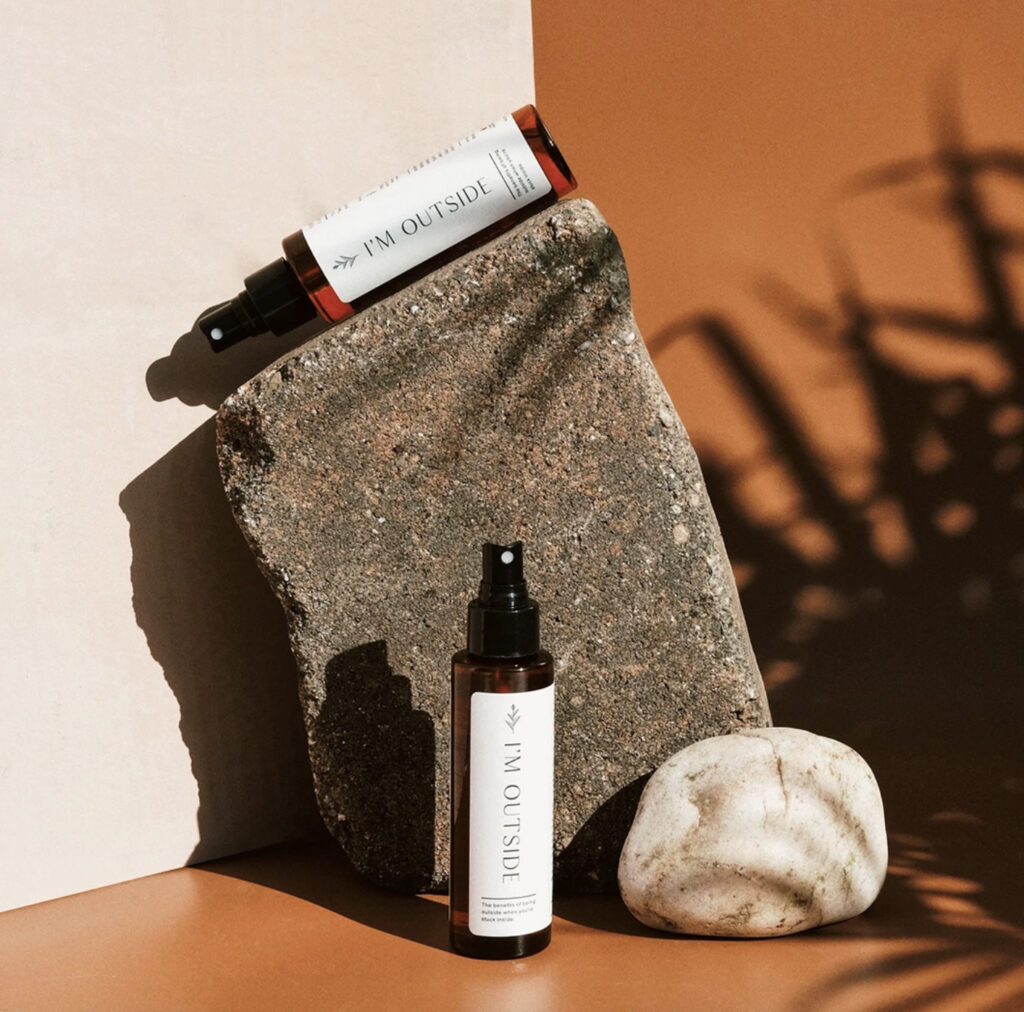
For a more accessible fulvic acid alternative, there’s I’m Outside’s Forest Bathing In A Bottle. It’s priced at $28 for a 4-oz. size. Co-founder Claire Adams included fulvic acid and microalgae in her brand’s face and body mist formula for their abilities to maintain the balance of the body’s microbiome.
As the nebulous beauty product qualifier “clean” falls out of favor with consumers and professionals that decry its lack of standard definition, brands are taking explicit action to show, not just tell, the public what is and isn’t in their products as well as the packaging those products are housed in.
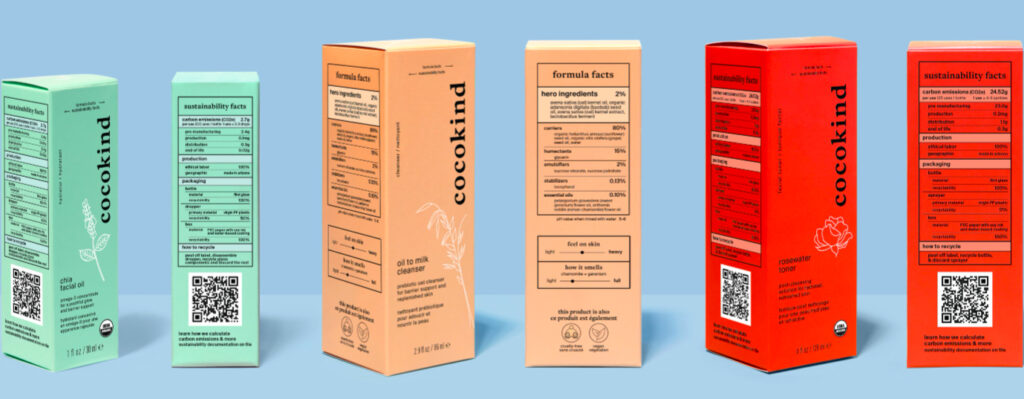
Last week, accessible beauty brand Cocokind took a big step toward becoming one of the industry’s most conscious brands by releasing Sustainability Facts on all of its 30-plus products, one product at a time. The Sustainability Facts, printed directly on the products’ packaging, are calculated via a third-party measurement of each product’s life cycle, from pre-manufacturing through consumer use and end of life.
Codex Beauty Labs has also beefed up its labels. In January, the skincare range created by Silicon Valley entrepreneur Barbara Paldus added an Efficacy Panel to its products designed to explain the quantitative data behind product testing in an easy-to read format. In the spirit of transparency, not only positive results are shown. Test results where no statistically meaningful result was achieved or where a result was only temporary will be shown as well provide an accurate snapshot of product performance.
“By publishing our data, we can establish a new reference point for both consumers and the beauty industry,” says Paldus. “Customers should expect every brand to justify its product claims with quantitative data in order to objectively compare product performance and price. [The Efficacy Panels] allow customers to make educated decisions based on proven product performance for their skincare routines, and well-informed value purchasing decisions based on facts rather than marketing jargon.”
As a part of its commitment to sustainability, waterless haircare line Susteau, which was previously named OWA Haircare, introduced custom-designed packaging that has been developed specifically for its powder formulas to deliver the product more effectively to the consumer with less waste. Bradt says she chose to use the highest percent of ocean-bound recycled plastic possible for Susteau’s bottles. In addition to using post-consumer waste for its shipping boxes, Susteau is eliminating secondary packaging for the majority of its e-commerce business, further reducing packaging waste.
Bradt says that one bottle of Susteau’s Hair Conditioner is the equivalent of four bottles of an 8-oz. liquid bottle, making it a more sustainable choice from a consumption perspective as well. “Susteau’s approach to beauty encourages consumers to rethink what personal care looks like while challenging the industry to be more transparent. This is only the beginning,” declares Bradt. Other beauty brands have completed packaging overhauls that are just short of a total rebrand in an effort to leave customers with no questions as to what’s in their products.
With the majority of Americans regularly sporting masks, it’s no surprise maskne has become a scourge beauty brands jumped on addressing. But it’s not the lone issue that mask wearing has caused. There’s mask mouth or constant dry, peeling, chapped lips that stem from long stretches of covering mouths with masks. Brands are starting to spin out solutions for the annoyance. And, while consumers shy away from lipsticks, they may be willing to plunk down for soothing lip treatments if they can make mask wearing more bearable.
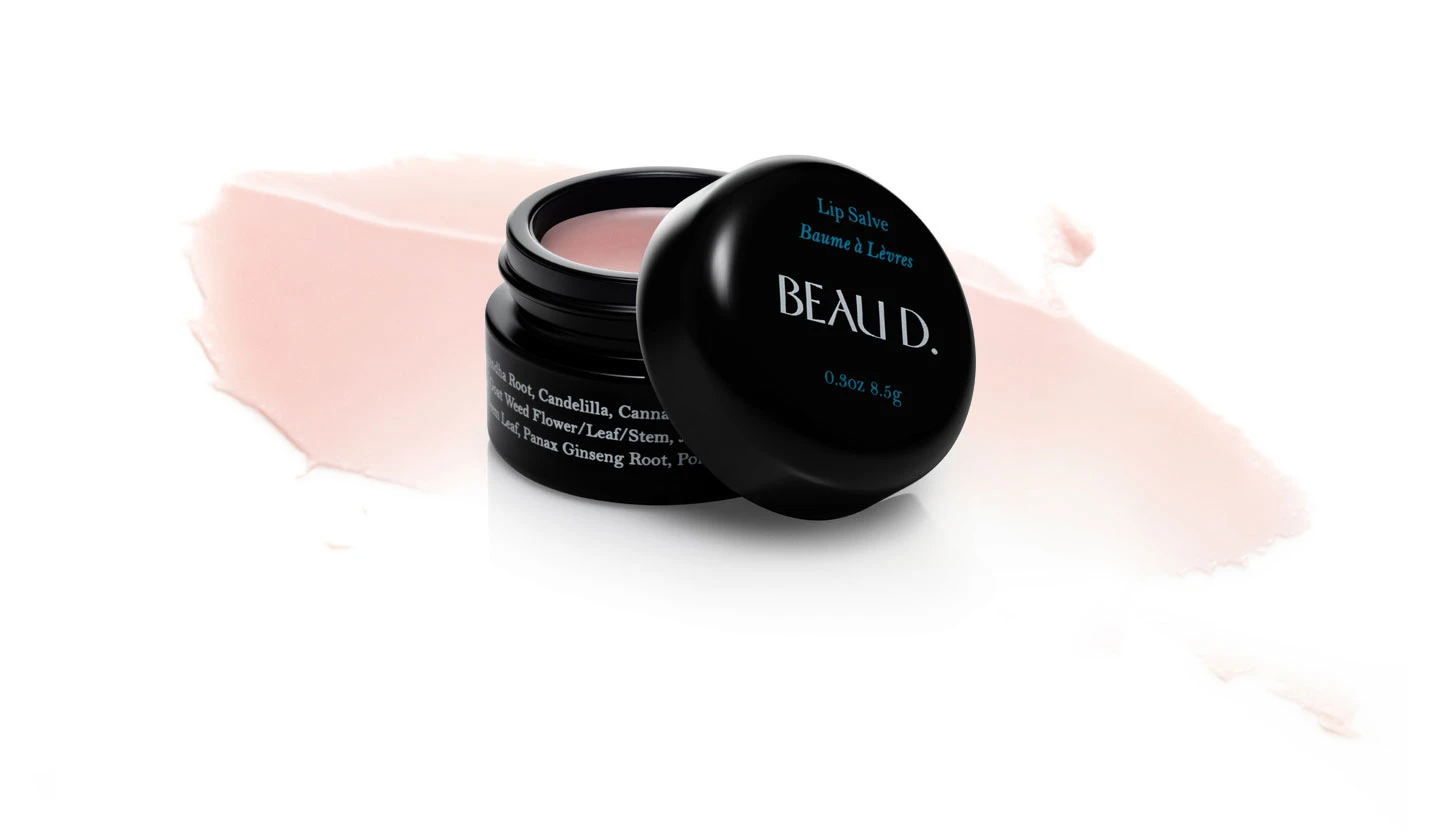
New men’s beauty brand Beau D. has launched with moisture-promoting Lip Salve as its single debut product. Founder Brandon Palas explains, “The release of the Beau D. Lip Salve is quite timely as it makes the mask-wearing experience a more pleasant one. Its robust flavor and punchy fragrance create a happy pocket of warm, tingly goodness behind the sometimes-irritating protective cloth.”
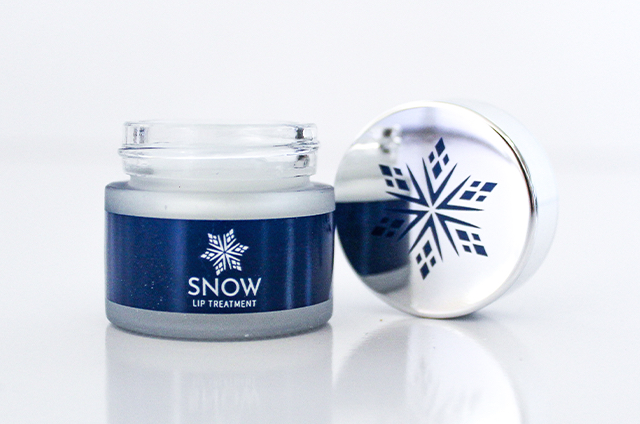
In addition to Beau D.’s Lip Salve, the teeth whitening specialist Snow has expanded into smacker territory with two lip products: Rejuvenating Lip Treatment, a collagen enhancer that has anti-aging and sun protection attributes, too, and The Lip Exfoliating Scrub, a mint sugar buffer that can rid the lips of stubborn dead skin.
Qür is another brand making moves in the mouth merchandise category. From K7 Design Group, also the parent company of Ultra Defense Sani + Smart, the brand has two lip varieties: 360, which features a slide mechanism in its circular packaging, and Clip Balm, which can be clipped onto a belt, purse, backpack or pants. “We were able to differentiate our collection by developing a lineup that offers a better user experience,” states Giselle Kaplan, head of Qür.
African shea butter has long been one of the most treasured beauty ingredients available due to its ability to deeply nourish skin. A budding group of beauty brands founded by women of African descent are featuring other, lesser-known indigenous African ingredients rich in skin-boosting vitamins, minerals and antioxidants.
Farah Hussein launched Zeila last year with a single unique product, Deep Cleansing Powder. It contains the brand’s hero ingredient, qasil, a ground-up leaf powder from a tree native to East Africa that has been used by Somali women for generations. Other key ingredients include aloe vera leaf juice and kaolin clay. “It’s common for brands to showcase a new product with a rare ingredient, but rarely do they shine the spotlight on the history of the ingredient and the people who use it,” Hussein previously told Beauty Independent. “Zeila is committed to highlighting ingredient’s roots while also supporting the communities they come from with ethical and sustainable sourcing.”
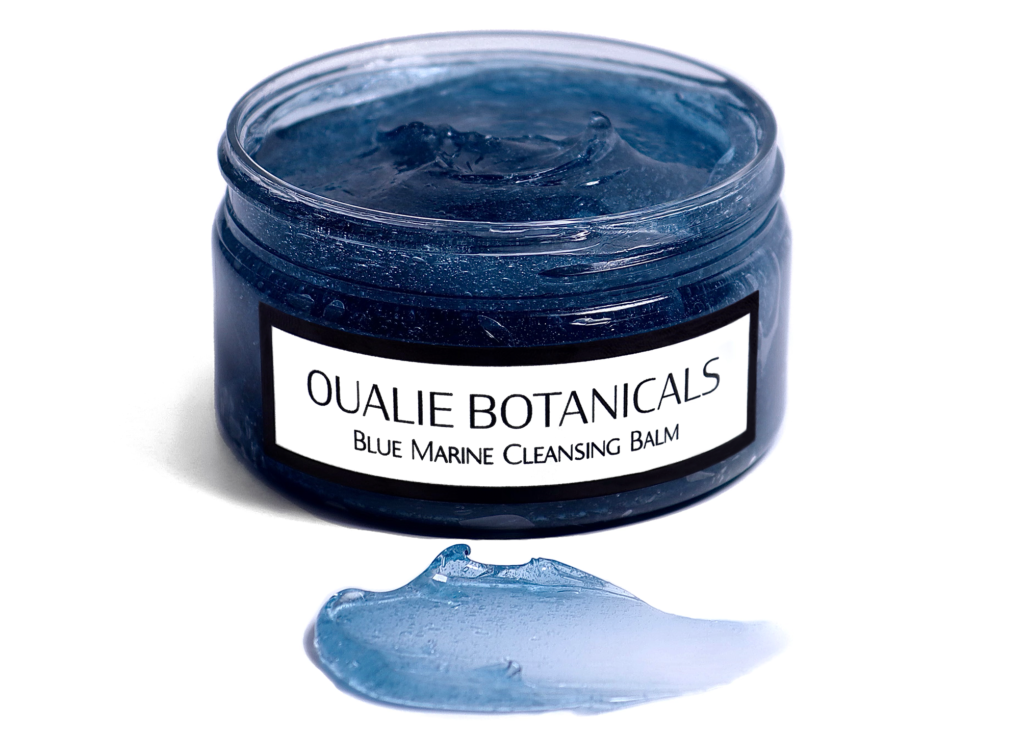
Oualie Botanicals also launched last year. The brand is inspired by traditional African and Caribbean beauty rituals. “Thousands of years of traditional therapeutic uses lie in the land of the Caribbean islands and Africa, contributing to the sense of skin health and wellbeing,” enthuses founder and creative director Rowena March. “We utilize the properties of each raw material found on these lands to create innovative products. Each ingredient has the potential to protect and nourish our skin, helping to reduce the effects of free radicals cell degeneration.”
March unveiled Oualie with one start product, Blue Marine Cleansing Balm, which contains indigenous ingredient baobab oil. The oil is packed with vitamins A, D and E, and is rich in antioxidants. “The tree itself is often found in drier climates,” says March. “They store massive amounts of water in their stems to cope with seasonal droughts. The tree provides large pods that produces a dry fruit pulp that is highly nutritious and considered a super fruit. The trees grow for years and some of them grow so big that they become national landmarks.”
Launching in April with two products, Desert Nectar Natural Radiance Face Oil and Oasis Rejuvenating Face Oil, is Nuura. One of the brand’s key ingredients will be organic and sustainably-sourced date seed oil. Founder Naema Abdi was born in Somalia and wanted to honor her African roots with formulations that feature ingredients from her homeland and avoided floral essential oils like rose and lavender that made her sensitive skin reactive. “Some natural oils made my skin worse,” she said. “Also, I saw the quality of oils from some wholesalers was really inconsistent. Were they even what they said they were?” When she saw her skin reacted best to rare indigenous African oils like date seed oil, Nuura was born.
With its minimalist logoed hoodies, shirts and duffel bags, Glossier demonstrated loyal fans of a brand will buy into more than simply the products it’s most known for. The merch madness it stoked is spreading across the indie beauty segment. Adwoa Beauty’s assortment contains sweatshirts that read, “Be kinky.” Topicals has a velour bling zip-up jacket with its brand name. Quw’utsun’ Made sells limited quantities of vibrant devil’s club totes and sweatshirts. Peculiar Roots features shirts with several sayings. One exclaims, “I rock my crown high & proud.” Another beseeches, “Normalize being loc’d.”
For beauty brands, merch can engender engagement in between major project launches, help generate excitement for a major product launch if tied to one, provide a vehicle for collaborations with other brands or charities, and turn customers into walking billboards. For the launch of Hero Cosmetics’ Clear Collective blemish prevention system, the brand created Clear Collective wines. On Twitter, co-founder Ju Rhyu shared they were such a hit that merch drops will be a key aspect of its strategy in the future.
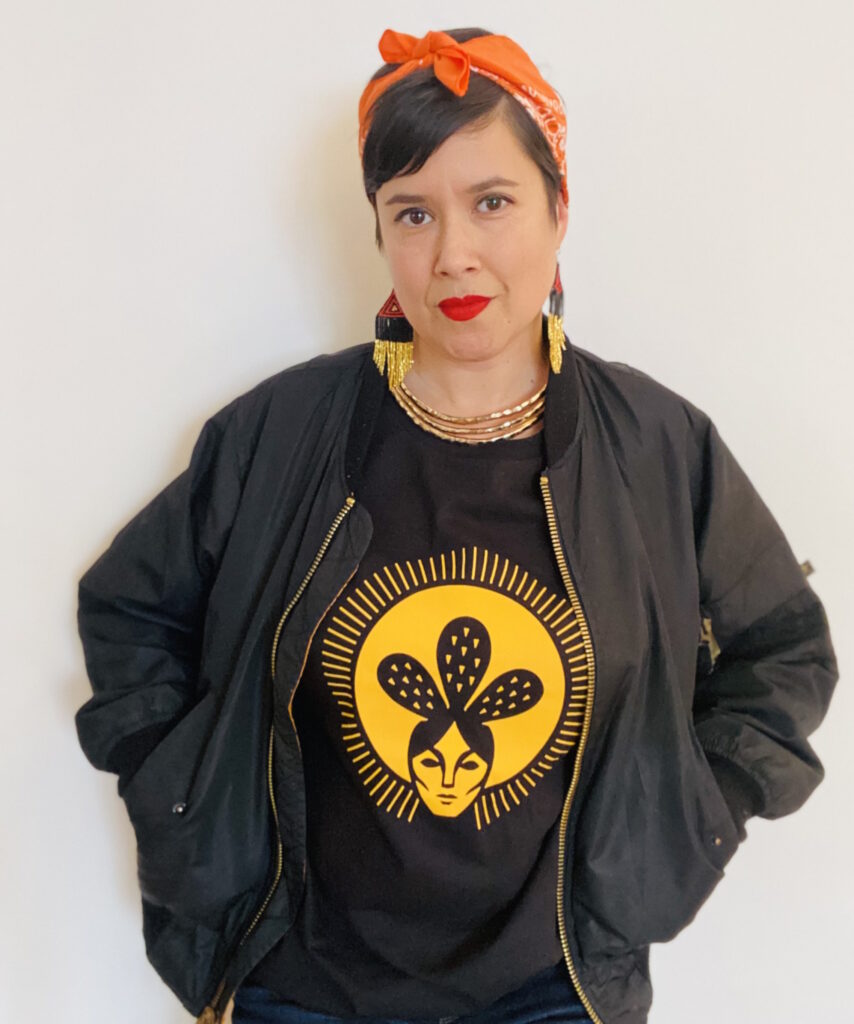
At Nopalera, a strong brand identity tied to Mexican culture encapsulated in an illustration devised by graphic designer Abby Haddican of a woman surrounded by the sun’s rays with three nopales sprouting from her head has spurred customer requests for merch. The bath and body care brand has shirts on the way. “To build a brand is to build a universe. You are creating something people want to be a part of,” says founder Sandra Lilia Velasquez. “I don’t think adding merchandise will work for every brand, but, for me, it makes sense.”
It’s not enough to be neutral anymore. Companies have been offsetting their carbon footprints to be carbon neutral for a while. Anyone who opens a Google page finds out the search giant has been doing it since 2007. Now, beauty brands are going beyond carbon neutrality to carbon negativity.
Italian clean fragrance brand WA:IT worked with sustainability consultants at Cornell University to become the first beauty brand in the European Union to reach carbon-negative status. The brand closely examined its gas emissions produced by manufacturing and warehousing, electricity and transportation to nail down its carbon output before compensating for it with support for ecosystem restoration, agricultural communities, grassland biodiversity and healthy water cycles.
In the United Kingdom, Neighbourhood Botanicals reports it’s the first beauty brand to cross into carbon negativity. The brand says it offsets more than double its emissions through a hydropower project in rural China. In the U.S., clean beauty retail concept The Detox Market has set a target to become carbon negative by 2025. It’s partnered with Eden Reforestation Projects, a nonprofit that plants millions of trees, to realize its carbon-negative goal.
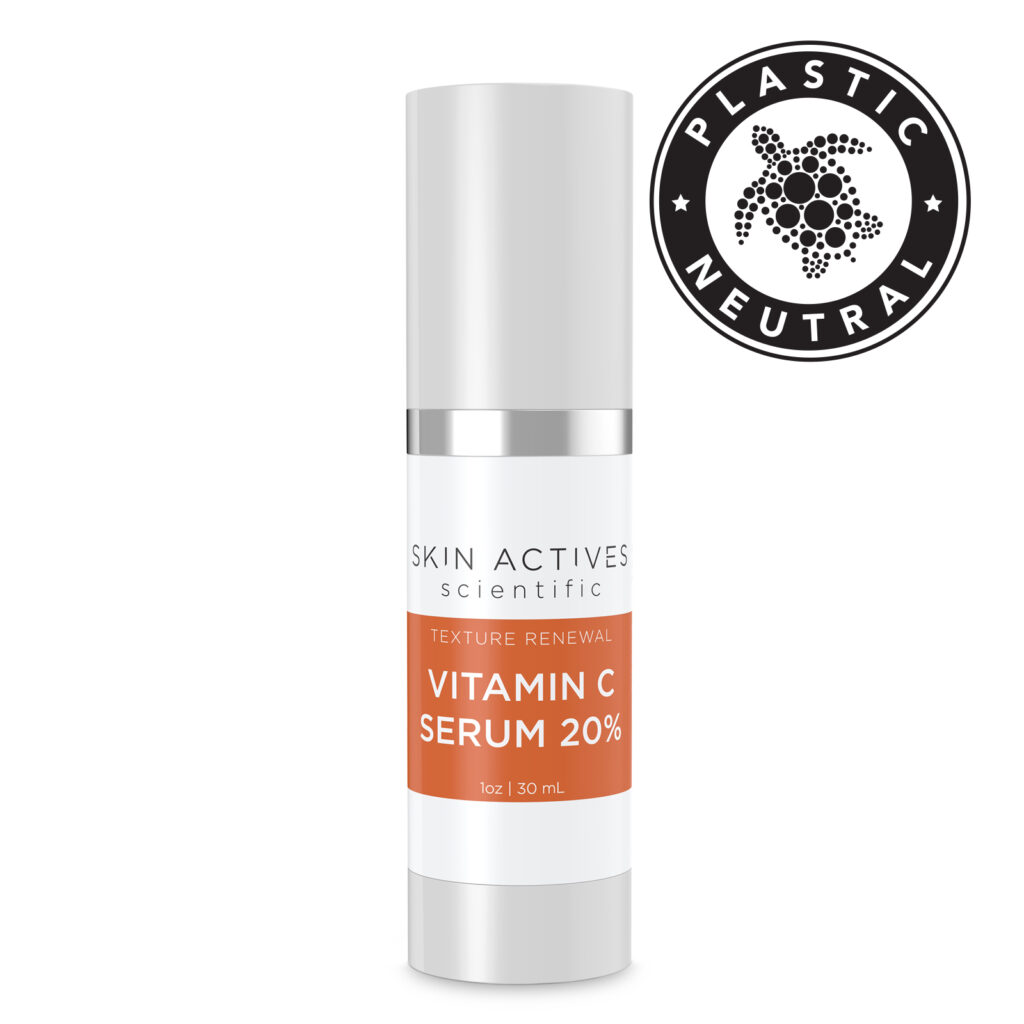
Beauty companies are thinking beyond compensating for their carbon footprint. They’re taking a hard look at their plastic footprint as well. Skin Actives Scientific has partnered with Plastic Collective, which runs community projects in Australia, Indonesia, Malaysia, East Timor, Cambodia and the Solomon Islands to turn plastic waste into plastic recycling, to go plastic neutral.
“Even though I’m putting plastic into the environment, I’m funding taking out plastic from the environment and paying for good jobs in communities that really need them,” says Skin Actives Scientific CEO Jonatan Funtowicz. “I’m the person who signed up for the program the fastest.” Funtowicz, who’s become a consultant for Plastic Collective, estimates Skin Actives Scientific released 20,000 kilos of plastic into the environment last year, and he paid to offset 50,000 kilos with assistance from Plastic Collective. Rather than plastic neutrality or negativity, he mentions descriptors that are emerging around addressing plastic footprints are “zero leakage,” “100% recycled at end of life,” and “net circular.”
After a bevy of Black-owned brands popped up in the makeup and haircare sectors, Black entrepreneurs filtered into skincare in recent years. Just a few of the brands they lead are Bolden, AbsoluteJOI, Rosen, Minimo Skin Essentials, Topicals and Epara. The same trajectory is happening with brands from Latina founders.
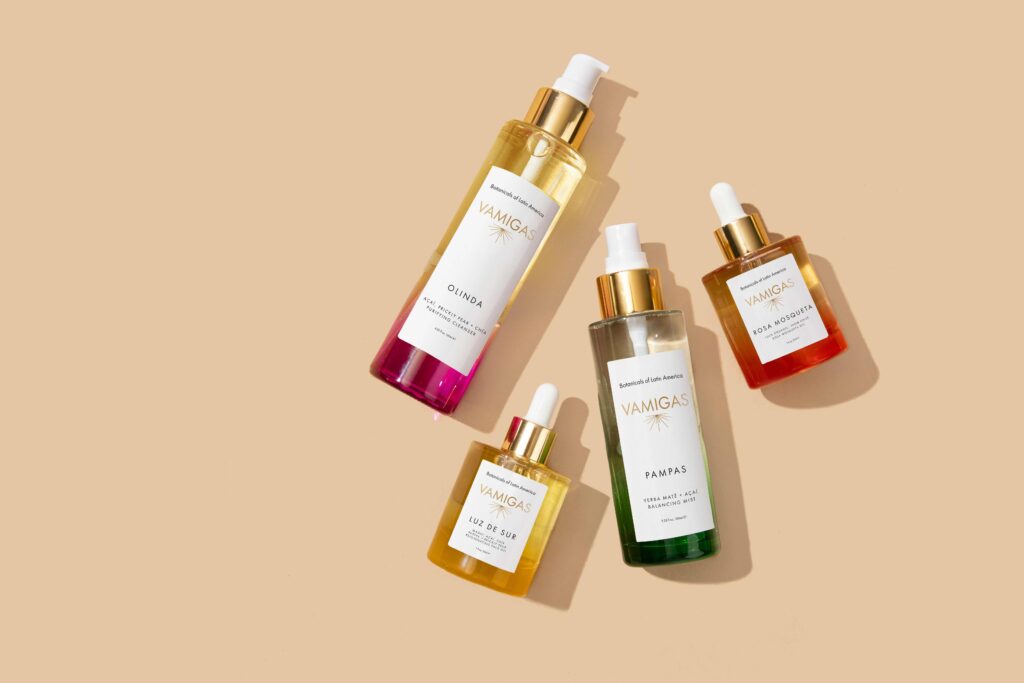
The haircare and makeup field drew a strong showing of Latina-owned brands such as Rizos Curls, Alamar Cosmetics, Reina Rebelde, Honey Baby Naturals, Vive Cosmetics, Glamlite and Bésame Cosmetics. Today, the crop of skincare brands helmed by founders of Latin and South American descent is blossoming. It includes Joaquina Botánica, Vamigas, Brujita Skincare, SunKissOrganics, Tierra & Lava and the aforementioned Nopalera, which skews to bath and body. These brands tend to spotlight ingredients from Latin and South America, and speak to the concerns of Latinx consumers, a burgeoning group in the U.S.
“Something is bubbling up. It’s underneath the surface, but it’s really popping up, and there are wonderful founders that we are seeing,” says Ann Dunning, a Chilean immigrant to the U.S. who founded Vamigas with Christina Kelmon. She adds, “I feel like it’s truly going to blow up in the next year. Us and these allies, we are going to be a force to be reckoned with.”
The players
5 mentionedRizos Curls

The Inkey List
Under Your Skin
Too Faced
Cocokind