Inclusive Brands Are Challenging Self-Tanning Stereotypes To Broaden The Market
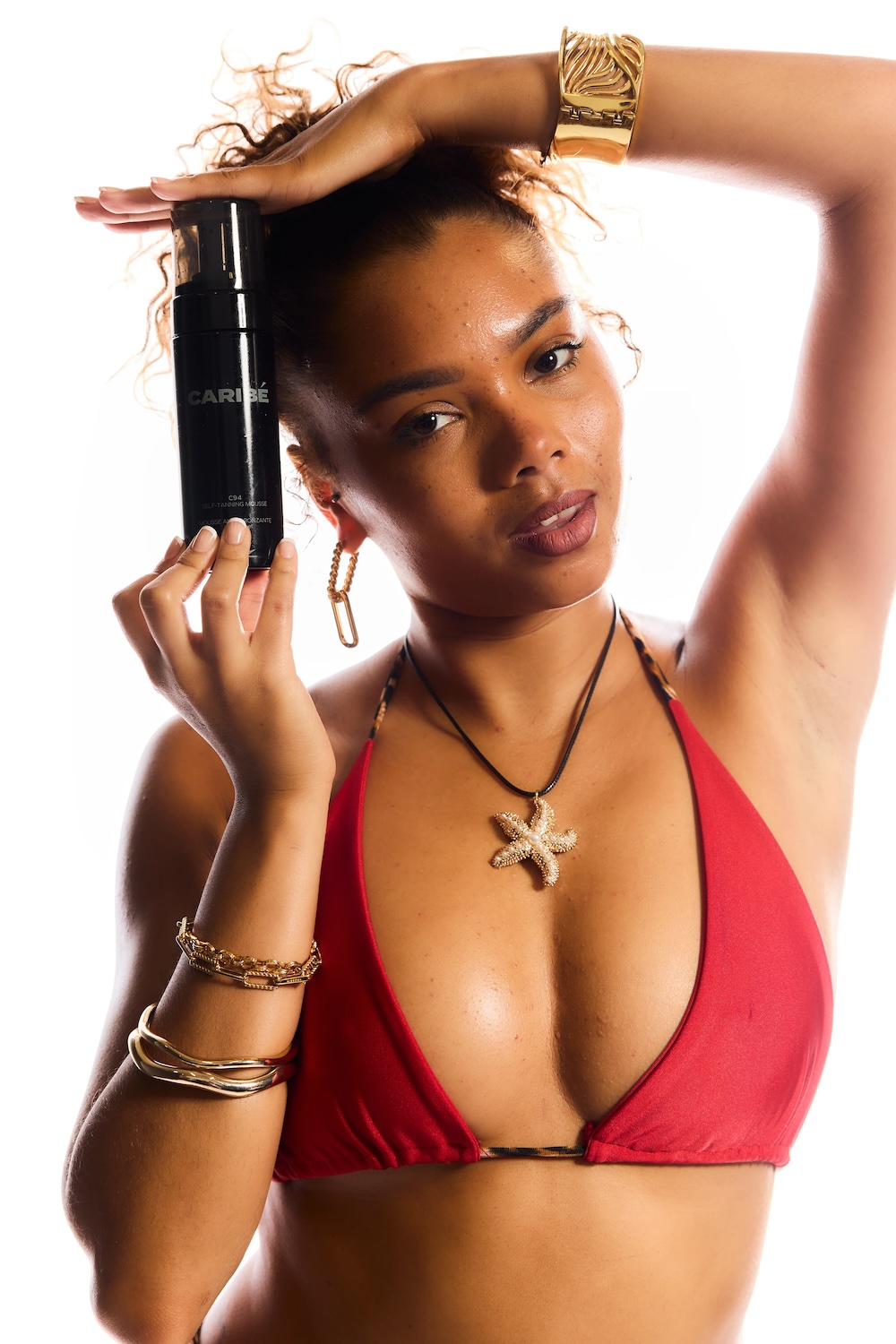
They’re carving space in the category that’s long overlooked darker complexions as self-tanning product usage among Black consumers grows. According to market research firm Mintel, it’s up 175% since 2022, with one in three Black gen Z consumers now using self-tanners. Caribé, Deeper and Blue Water Girls are among the brands focusing on undertones, skin concerns particularly relevant to diverse audiences and inclusive storytelling while reframing self-tanning as a tool for glow, skin tone evenness and self-expression rather than darkening the skin.
“We spent a lot of time really understanding what people of color’s skin is like, what our needs are,” says Leah Ellis, who founded Caribé with her sister Phoebe. “Obviously being a person of color already, it helps, but we also had to do a bit of research about what different skin issues people have, from hyperpigmentation to uneven skin tone. There are a lot of ways and reasons why Black people or brown people look to self-tan.”
Blue Water Girls co-founder Sade Parham points to colorism as a big barrier to why self-tanner isn’t embraced by Black women in even higher numbers as some avoid getting darker. Despite growing usage, cultural attitudes around skin tone remain a significant challenge for brands in this space.
“We’re really trying to combat that and have women embrace their melanin,” says Parham. “One of our taglines is, ‘We don’t run from the sun,’ and we’re really adamant about that…We always say use SPF, protect yourself, but we know that people love to go on vacation and frolic and, naturally, the sun is going to kiss our skin, and we are going to get darker, and so we try to push to not be ashamed or afraid or hide from that.”
Mintel senior analyst for beauty and personal care Joan Li believes brands have just scratched the surface of the potential for broadening beyond the traditional target audience for self-tanners. She says, “These groups have historically been more conscious about their skin health when selecting beauty and personal care products. With the growing awareness around sensitive skin, dermatological guidance and skin undertones, self-tanning brands have the opportunity to innovate and tailor their messaging to align with these concerns, driving further growth in the category.”
On social media, Black consumers are sharing their self-tanning habits. In 2022, the hashtags #blackgirltan and #blackgirlstan went viral, racking up over 18 million views. Still, the concept is novel to large swaths of consumers and, to certain members of the Black community, tanning may seem extraneous or culturally “white.”
Phoebe says she’s frequently asked, “Why do you need to tan? You’ve already got a tan.” The frequency convinced her that Caribé should address the question. “We made it something that we can all laugh at as a community and be like, oh, isn’t it ridiculous that people say this, but now we’re doing something that’s completely different and we’re shaking things up,” she says. “Being leaders in that conversation is helpful because we can do what we want in a sense and test things and see what works.”
Ellis and Phoebe were gearing up to attend Britain’s Ascot Races in 2015 when they decided to try self-tanner to make their brown skin stand out in white dresses. “We went to the local supermarket, picked up an ultra dark mousse, and it just didn’t hit,” says Phoebe. “We thought it was streaky, it was orange, it was not the undertones that our skin has. It just wasn’t right.”
Nine years later they came out with Caribé with a single product, Tanning Mousse, tailored to darker skin after two years in development. It is available in two shades: a medium shade created with Leah’s light brown complexion and olive undertone in mind and a deep shade created with the Ellis sisters’ Antiguan mother and a reddish undertone in mind.
For gen Z cousins Chioma Ndubuisi and Chineme Elobuike, co-founders of the forthcoming brand Deeper, skin tone evenness is the main objective. They expect to release a buildable self-tanning mousse and body cover sticks. Deeper is targeting gen Zers of color. Last year, Ndubuisi mentioned to Beauty Independent that, in the United States, 52% of gen Z and 44% of millennials are BIPOC.
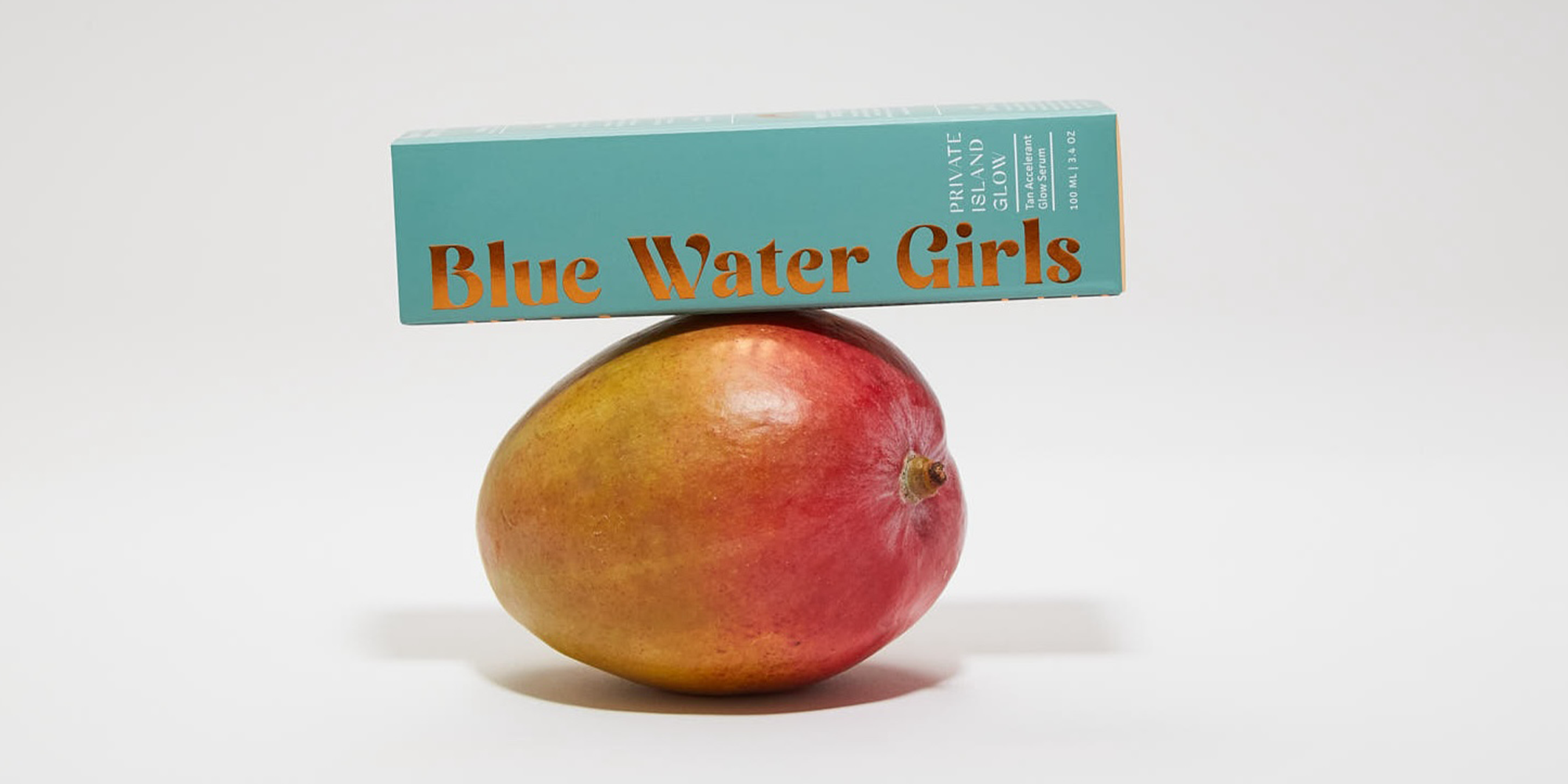
Blue Water Girls aims to bottle the post-vacation glow. “Black Girls Texting” podcast hosts and friends Parham, Chelsea Pinky and Glynn Pogue poured $50,000 into launching the brand late last year with Private Island Glow, a shimmery, hydrating multipurpose serum that accelerates tans. It contains natural ingredients shea, jojoba and sunflower seed oil. Deeper and Caribé incorporate aloe leaf juice, glycerin and hyaluronic acid.
Caribé and Blue Water Girls’ products avoid the fake tanner “biscuit” smell, as Phoebe describes it. They’ve concocted scents reminiscent of beach vacations. Blue Water Girls hired French fragrance house Sozio to craft a sea salt, tuberose aroma for Private Island Glow that will extend to future products, notably a body oil, but other scents will join the lineup to evoke different destinations such as Trinidad or Greece. Parham says, “A big reason that we started this was our passion for travel, so being able to storytell through the product is my dream.”
Along with the nascent emerging brands, Li has detected brands like Bondi Sands, Tanologist and B.tan advancing segmentation in the self-tanning category. “These brands go one step further by also purporting to leverage color theory to help consumers neutralize cool tones and achieve their optimal tan,” she says. “They also offer drops, mists, and tanning accessories with skincare-infused claims.” She notes that convenient formats such as serums and drops are affording consumers greater control over self-tanning.
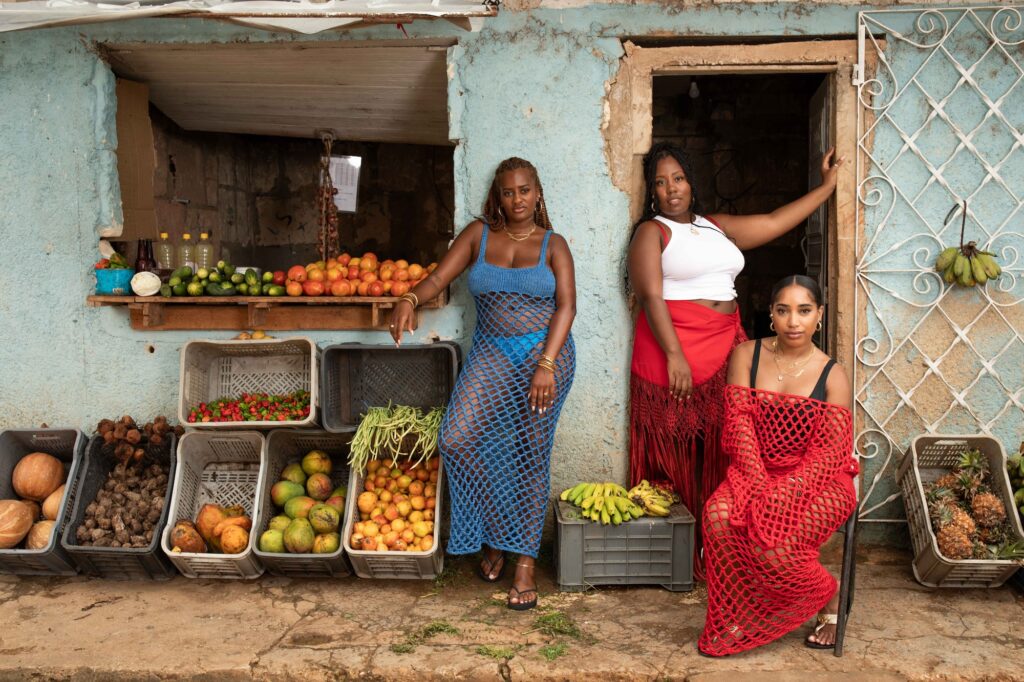
Self-tanning marketing rarely features women of color. Caribé and Blue Water Girls are changing that by showcasing themselves and women who look like them in campaigns. That doesn’t mean the products can’t be used by non-BIPOC consumers. “So much of our marketing is Black women, brown women that sometimes our white friends or consumers or listeners, they’ll ask us, ‘Can we use this as a white person?'” says Pinky. “And it’s just so interesting how marketing and how stories work because there are so many products that I use without question and all the marketing is white women.”
The players
5 mentionedBlue Water Girls

AS Beauty
Bondi Sands
Not Your Mother's
Vacation