How To Put Together The Best Possible Beauty Product Bundle For The Holiday Season—And Beyond
1. The Value Proposition
Brand owners and executives may think they don’t need bundles, but they’d be wrong, according to Melissa D’Aquila Chifolo, co-founder of consultancy Beauty Breakthrough and former beauty buyer at the department store retailer Lord & Taylor. “Every brand should offer a bundle, at least during holiday. There’s always the opportunity to add value for your consumer and increase your average retail sale at the same time,” she asserts. “That perceived value gets them to spend a little more than they normally would. It can be harder to get a consumer to buy two individual products that add up to $38, for instance, than to buy a set that’s $40.”
Startups should definitely introduce bundles, agrees Margarita Arriagada, founder and CEO of luxury cosmetics brand Valdé Beauty and former chief merchant at Sephora, but she cautions them to do start slowly and be discerning about bundle creation. “My advice to small brands is start small and don’t be too ambitious. Test your way through it,” she says. “Trial one set with just a couple of items first. The more sets you produce with more items, the more difficult it will become. When I was at Sephora, I was baffled by how hit-and-miss their performance could be. Still to this day, bundling remains a challenge.”
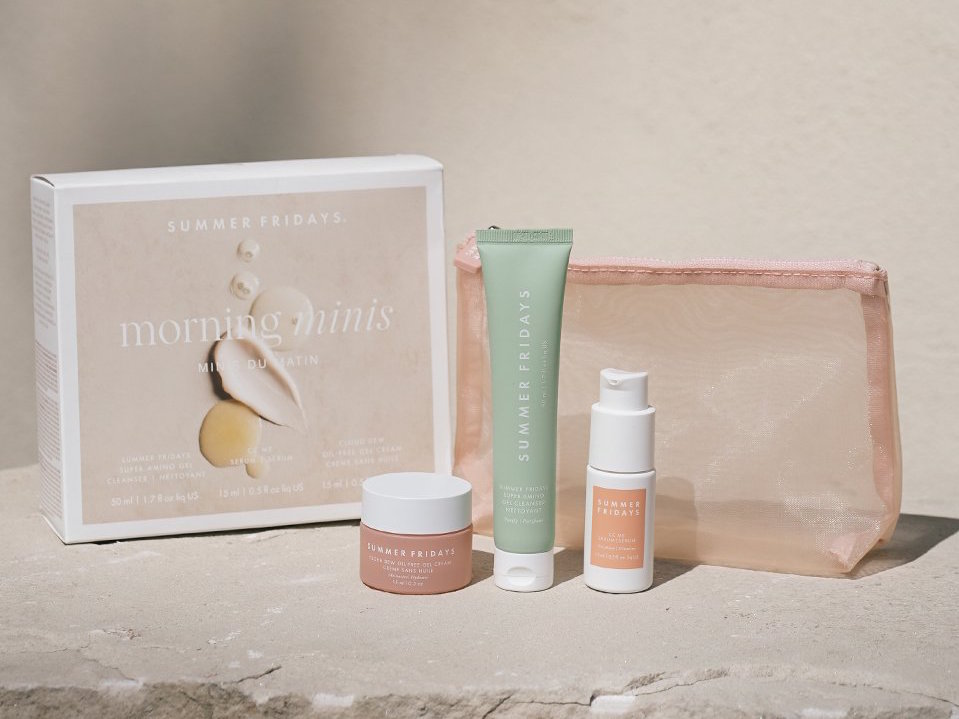
Bundles perform best when brands deliver competitive cost savings or maximize the perceived value of a packaged set. “The customer needs to understand the value. That’s why listing the savings on the packaging is so important. For example, a $48 retail set for a $73 value,” says Chiofolo. She identifies the brands Gisou, Tata Harper, Summer Fridays, Herbivore and Farmacy as exemplars of product bundling.
Customers generally expect to see a savings of 20% to 30% for kits, but smaller brands with narrower margins should be mindful of their limitations. “So many small brands put themselves under immense pressure to offer what everyone else is offering, whether it’s Lancôme or whoever,” says Catherine Collins, founder of Constellar Consultancy. “Don’t do what’s not feasible. If someone really wants your product, they’re still going to be happy with a 15% or 20% discount.”
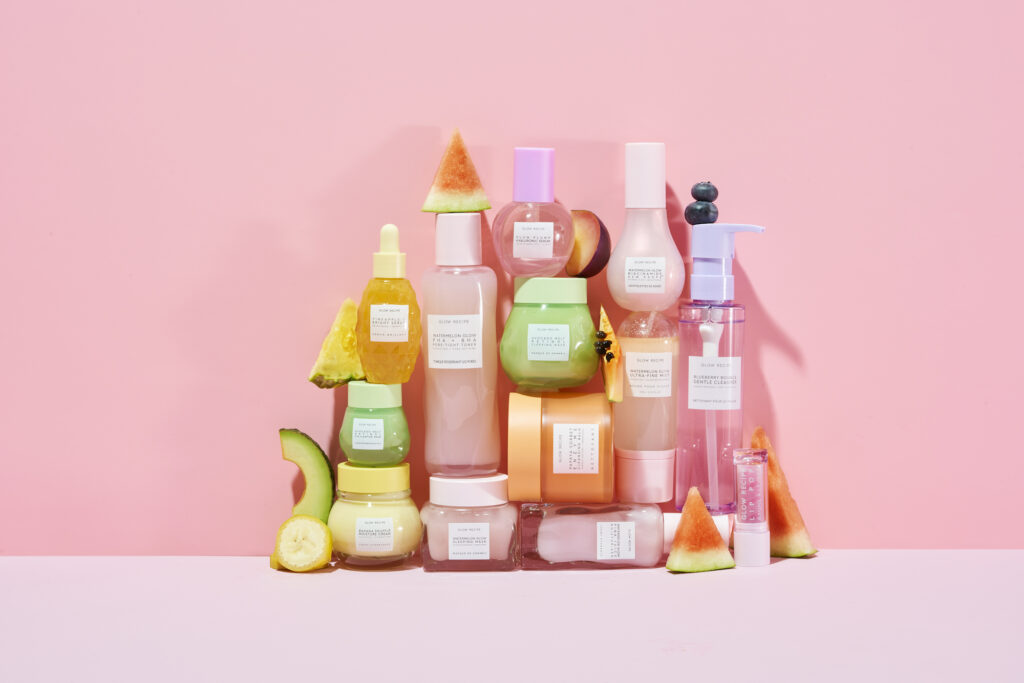
It’s not simply about discounting. A bundle should reflect a brand’s unique value proposition, thereby boosting the perceived value. Arriagada sees lifting perceived value as the primary objective for building sets. “What is your brand about? What do you really want to impart to the client? Work backwards from those points,” she says. “The most important element is to provide meaningful value, so the customer feels that you’re offering something really compelling.” She recommends smaller brands look to brands like Drunk Elephant, Fresh and Glow Recipe for bundling inspiration.
For brands with retail partners, categorizing bundles into price buckets can be highly effective for sell-through. “Bundles under $50 tend to sell very well for most retail partners,” says Kelly St. John, founder and CEO of consultancy KSJ Collective. “Additionally, deluxe sets that are above $100, but less than $150 can perform very well if the perceived value is there. Often, it is the price range in between these two that sometimes experiences the slowest rate of sell-through.”
Specialty beauty retailers such as Sephora generate substantial volume with stocking stuffer-style bundles priced under $25 or under $35, says Chiofolo, who advises brands against promotional discounting for single stockkeeping units. “Holiday sales are driven by value through bundles or gift-with-purchases. Taking your hero SKU and offering it at 25% starts to diminish the intrinsic value of your brand,” she says. “It just becomes a discounting game.”
2. The Product Mix
Beauty industry experts stress that brands should lead with their strongest foot forward by assembling bundle product mixes around their hero SKUs. “Tying to a hero product is usually the safer route,” says Arriagada. “New products are often untried and unvetted, and bundling them doesn’t make sense to me. I don’t care what the savings is.”
She emphasizes, though, that brands should be clear-eyed about the business consequences of bundles concentrating on hero SKUs. “If you’re giving away your hero product in a set around holiday time, understand that it’s going to have an impact. There’s going to be a hangover period afterwards where you’re just not going to sell any. You have to really think it through long term, and how it’s going to affect your forecasting for the next year,” she says. “You don’t want to cannibalize your core products.”
Smaller brands should be careful not to fall into the trap of shoving slower moving items into bundles to push out overstock, warns Collins. “I wouldn’t advise basing a holiday bundle around any stock you want to get rid of,” she says. “Packaging a hero product with one that perhaps isn’t moving as fast or one that the customer hasn’t discovered yet makes much more sense.”
Product sizing plays an important role in executing a successful product bundle. Creating smaller or mini sizes of a brand’s hero products helps to keep a bundle within certain high-selling price categories as well as increase the likelihood of discovery. “Ideally, bundles are offered in very deluxe sizes, which offers the client the perfect solution for both travel and trial. You want to provide an average of a two-week supply,” says St. John. “If the brand has smaller sized sampling available, a travel set of mini sizes in a broader range offered at a lesser price point is also a good strategy.”
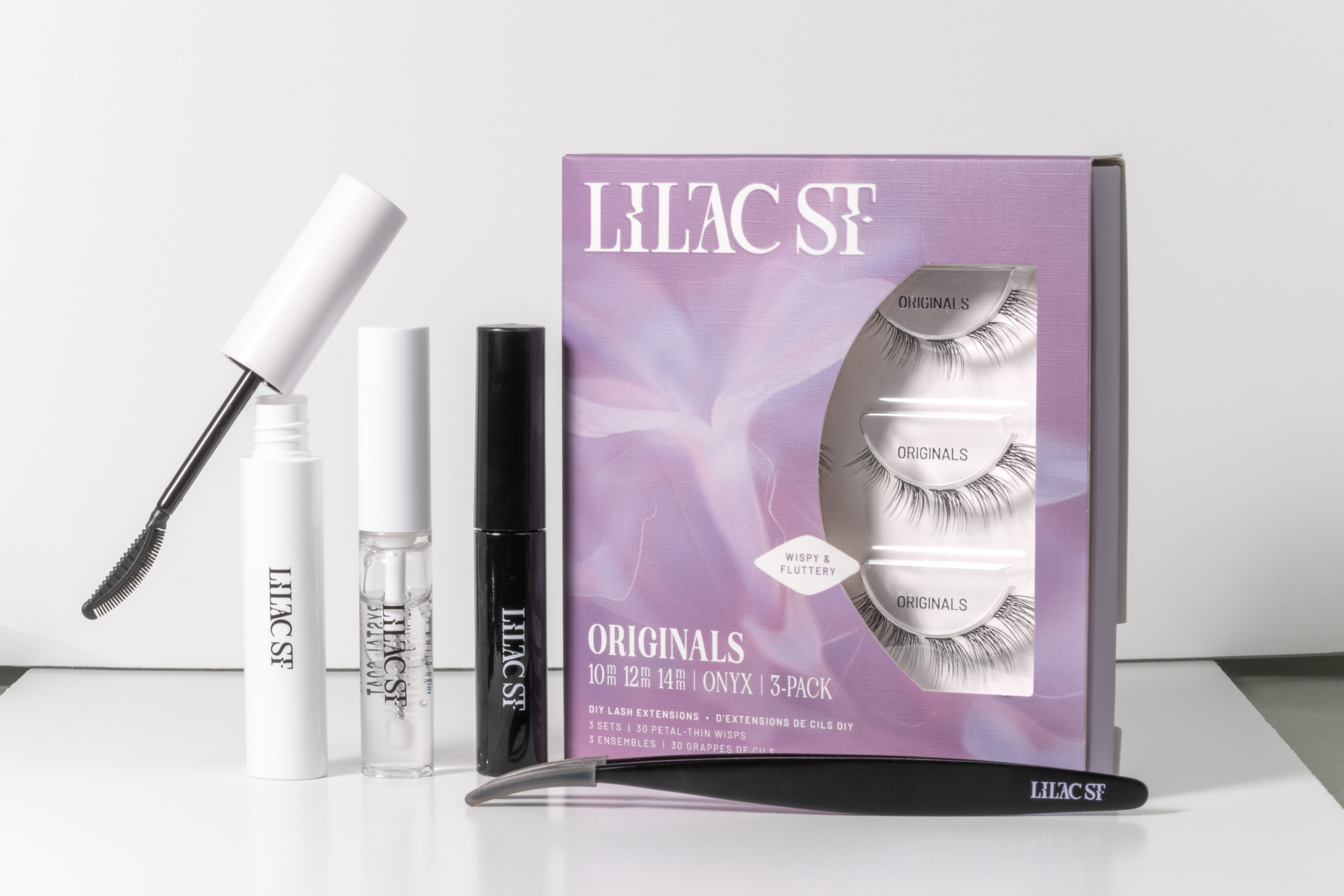
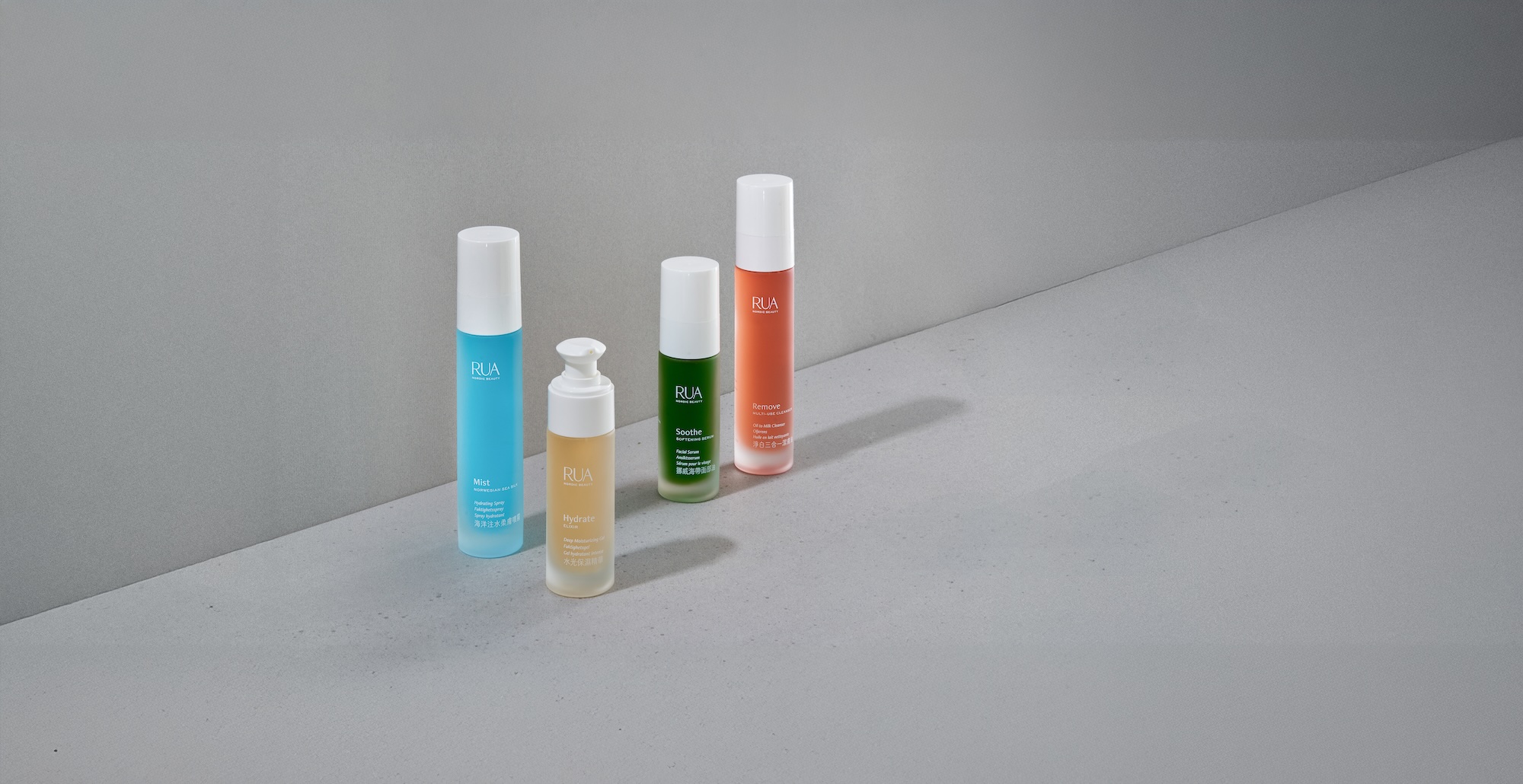
In addition to focusing on core products, a successful bundle needs thoughtful packaging that clearly communicates its contents and value along with a brand’s identity while taking important market-specific trends into account. “Packaging matters a lot and should match your DNA, but there’s different things to consider especially if an indie brand has good distribution in different markets,” explains Collins, who counsels brands on international expansion. “In Germany, Denmark and a lot of the Nordic countries, there’s a real focus on minimalist and sustainable packaging, which is quite similar to what’s trending now in the U.S. and the U.K. But, in the Middle East, for instance, more packaging and brighter colors work better. Regardless, good gift bundles need to have either a see-through panel so the customer can see its contents or a clear product image on front. You’d be surprised by how many brands don’t deliver on those criteria.”
3. The Distribution
To fuel bundle sales, online sales channels are typically the best bet for smaller brands and direct-to-consumer startups looking to be economical as they reach customers. “Typically, sell-through online is very strong for bundles and gift sets,” says St. John. “Since a brand does not have to invest in sales support, they can achieve a higher sell-through at a lower cost of sale.”
Online channels are good testing grounds for bundles, too, because they allow for greater flexibility as emerging brands test merchandise and marketing, suggests Arriagada. “What works in brick-and-mortar is different than what works digitally,” she says. “Perhaps you could forego a box and the customer would be just as happy receiving the bundle in a pouch, for instance, whereas, in brick-and-mortar, you do need a footprint and to make an impression that helps you stand out.”
Chiofolo says, “Being direct-to-consumer for sure gives you more leeway with your bundle margins if you take retailers out of the equation. Indie brands, especially direct-to-consumer indie brands, are so in tune with their consumers and are constantly talking to them on social. They definitely have a nimbleness that the larger more heritage brands don’t have.”
Smaller brands have to be aware of the financial challenges associated with bundling and the effect they have on the performance of their core collection. “For a startup brand, the typical challenges with bundling are cost of goods sold (COGS) and execution. The financials have got to make sense,” says Arriagada. “Building the bundle by product mix is relatively easy, it’s just expensive, and the struggle is that bundles are usually loss leaders. For new or small brands, bundling minis can be just as expensive as bundling full-size products, for instance.”
Calibrating demand with the correct inventory allocation is another aspect of product bundling brands must take into account. “You have to make sure you’re getting the allocation right. This is a big problem with smaller brands who allocate so much inventory for their bundles and gift sets and, then, they forget about their regular sell-through,” says Collins. “They jeopardize themselves and their inventory by putting it all in their bundles, and they risk huge returns from retailers. It’s a bit of a dangerous game.” As a benchmark, St John details limited-edition holiday bundles should be able to achieve sell-through over a six-to-eight-week stretch.
Beyond the holiday shopping season, perennial starter sets give brands, especially in the luxury skincare and haircare sectors, accessible entry points for consumers. “I would thoroughly recommend that brands have a year-round starter set available with mini sizes of their top four hero SKUs, for instance, something that pertains to some sort of regimen,” says Chiofolo. “Again, it’s still important to show that value.”
Collins concurs. “It’s still important to offer some kind of discovery element in your regular lineup. It’s basically a try-before-you-buy kind of thing for consumers and a great way for brands to get the metrics on repeat purchases. Package up some of your hero products or a skin or haircare regimen where the products play together cohesively.”
The players
5 mentionedTata Harper

Summer Fridays
Minimalist
AS Beauty
Better Being