How To Crack The Assortment At Fast-Growing Facial Bars
The retail business and product turnover at facial bars is picking up momentum as leading players in the sector expand their store fleets. Not surprisingly given the promise of their treatments, the service destinations generally gravitate to professionally oriented, results-centered brands, but social media increasingly plays a role in the assembling of their assortments and the products clients are intrigued by. For brands, along with facial bars’ growth, the credibility of their treatments and the aestheticians supplying them are assets they can build upon beyond mere sales.
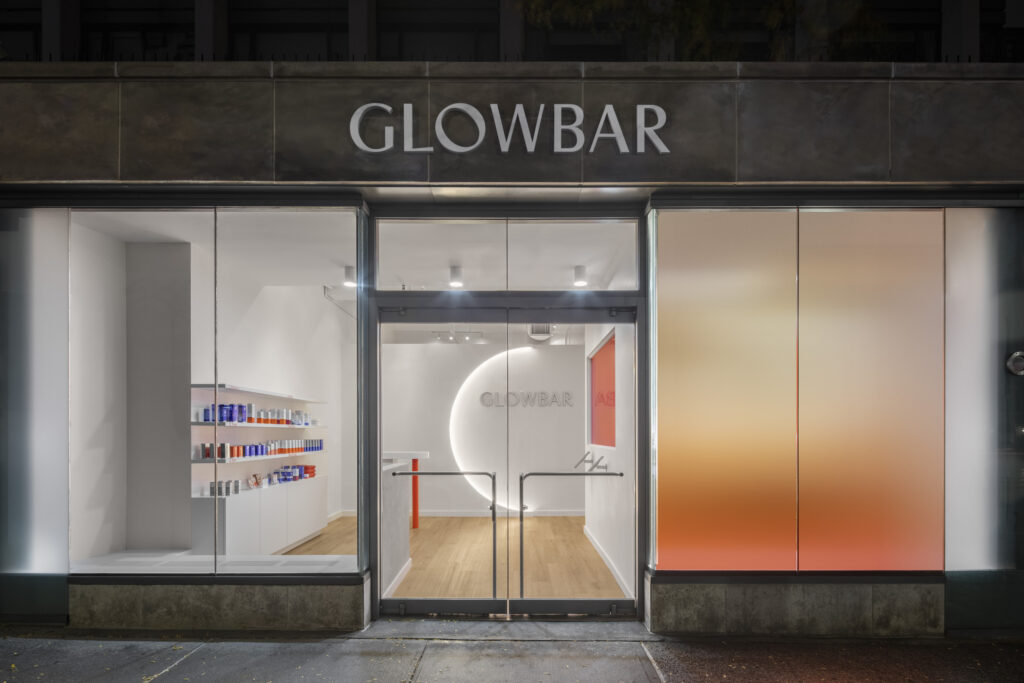
Glowbar, a nine-unit chain specializing in customizable 30-minute facials, stocks about 60 stockkeeping units from the brands Environ, IS Clinical, EltaMD and Sofie Pavitt Face. Founder and CEO Rachel Liverman says products recommended Glowbar’s aestheticians during treatments sell through “almost immediately.” She says, “Our aestheticians’ recommendations are trusted and approached through an educational lens, which gives the client knowledge. That provides them with the power to feel confident in their skincare routine.”
Founded by New York aesthetician Sofie Pavitt, Sofie Pavitt Face counts Glowbar as one of its largest brick-and-mortar retailers by sales volume. Reorders from it are consistently trickling in on a monthly basis. Outside of Glowbar, the skincare brand is available in med-spa chains like Plump and at select dermatologist offices in New York City, Los Angeles, Seattle, San Francisco and large Texas metropolitan areas.
Discussing facial bar distribution, Pavitt says, “If your brand speaks to aestheticians, then it can be a great partnership. I also think facial studios appreciate brands that put the work into making thoughtful products that can complement their facial offerings.” To stand out to facial bar businesses, Pavitt says it’s best for brands to “have a unique assortment of products than can be easily incorporated into a home care protocol.”
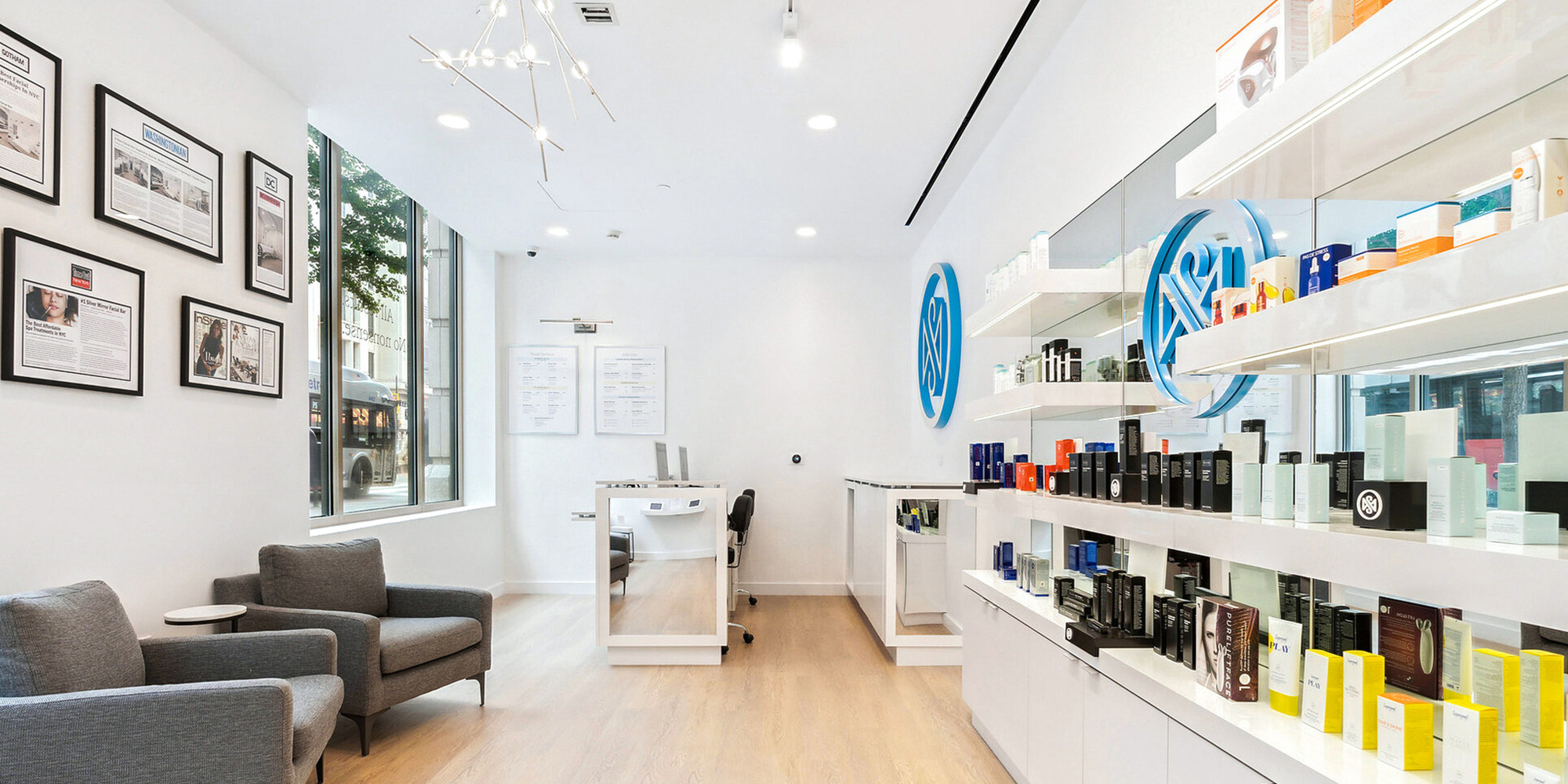
Top-performing products at the facial bar business Heyday often sell through within a week, according to Johnny Kemper, a buyer at the company. Meanwhile, Silver Mirror typically registers sell-through within two weeks for products that are highly regarded by its staff of aestheticians. “Their confidence in a product is the main driver behind this pattern,” says Rachael Gallo, COO at Silver Mirror.
At nine locations in New York City, Miami and Washington, D.C., Silver Mirror will add another location in Brooklyn by the end of the year. Face Foundrie will add 25 locations in cities like San Francisco, Dallas, Austin, Orlando, Indianapolis, New York City and Miami to its roster this year, pushing the franchise business to over 100 total units by 2026.
Increased investment is propelling the facial bar segment forward. Glowbar snagged a $10 million series A round in early 2023 led by Peterson Partners, an investment firm with Allbirds, Bonobos and Madison Reed in its portfolio. It will open locations in Pennsylvania, New Jersey, Boston and a fourth market this year, doubling its store network to 18. Heyday raised a $12 million series B extension in late 2022 from Level 5 Capital Partners, bringing its total amount raised to over $45 million since 2015. Primarily a franchise business, Heyday is set to have 40 locations open this year in total around the country.
Products must produce results across various skin types and climates to gain sales momentum in facial bars. Image Skincare, Dr Loretta, Naturopathica, One Love Organics and Pai Skincare are a few of Heyday’s top-performing brands. Kemper says, “No bestseller at Heyday happens overnight, as every aesthetician tries new products over a period of time and recognizes the greatness in delivering results.”
Heyday carries approximately 150 SKUs from 26 third-party brands in its stores and online. Dermatologist- and professional-led brands as well as natural brands and those with social media buzz characterize its assortment. Retail accounts for about 30% of Heyday’s sales, with 90% coming from brick-and-mortar. The company was expected to reach $100 million in gross sales at the end of last year.
Bestsellers at Heyday aren’t always in rotation in its back bar. In fact, Heyday is decreasing the number of third-party brands it uses in its treatments to make room for a 19-SKU branded product line it launched last October. The line will roll out to all Heyday locations by the end of this year. Seven third-party brands are still used in the company’s signature 50-minute facial treatments. Kemper says, “We plan to keep brand presence strong and allow the top brands in the industry to touch the faces of our clients.”
Brands that can deliver on sales support and education in physical locations and online have a higher likelihood of achieving sales traction in facial bars. “We’re fairly overt about what a successful relationship looks like to us at the start of conversations. Brands that listen and are genuinely enthusiastic about our business will likely succeed with us,” says Lauren Halgerson, VP of operations at Face Foundrie. Michele Henry, founder and CEO of Face Foundrie, underscores, “Our goal is to work with vendor partners that strive for innovation and results-driven products.”
Depending on the location, product sales account for 12% to 20% of Face Foundrie’s revenue. The company was reported to have surpassed $10 million in 2021 sales. By the end of 2023, it hit $25 million in revenue and had increased its new customer base by 72% year-over-year.
Face Foundrie stocks 10 third-party brands in addition to a nine-SKU private-label skincare line that dominates its back bar. Professional-grade and science-backed skincare lines PCA and Bioeffect are its bestsellers. Contrary to traditional retail, Henry says Face Foundrie adheres to product margins requested by brands themselves. Silver Mirror also looks to brand partners to set product margins, too. At facial concepts, keystone margins are commonplace.
Gallo points out that skincare brands that don’t consistently incorporate new ingredients and technologies in their product offerings often see sales drop at Silver Mirror. She says, “We place a significant emphasis on staying at the forefront of skincare innovation, and brands that do not adapt by introducing new and cutting-edge ingredients may not resonate with our commitment to providing guests with the latest and most effective skincare solutions.”
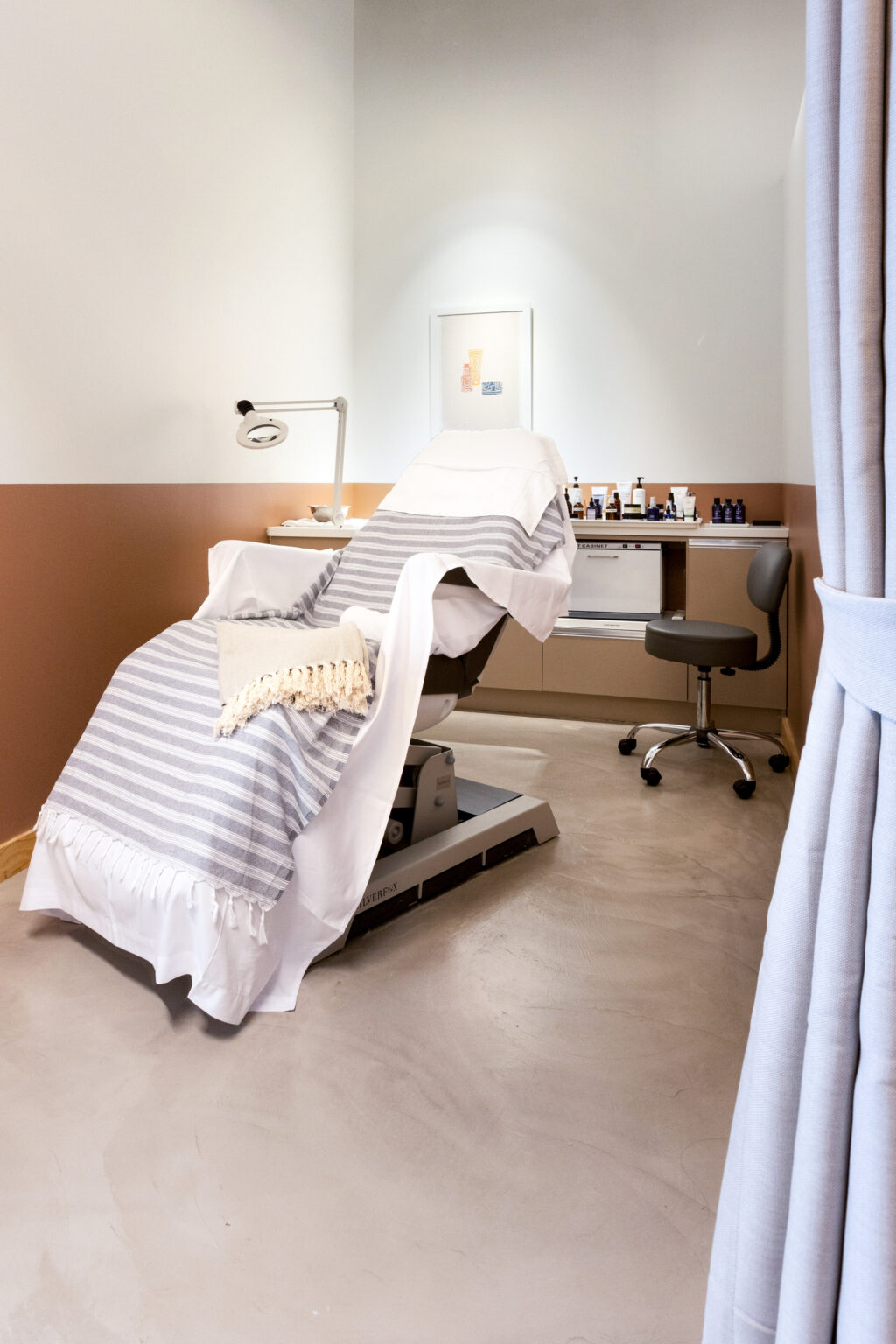
Silver Mirror’s product assortment contains six brands, including bestsellers Revision, IS Clinical and Dr. Dennis Gross Skincare. PureLift, Sanitas and Supergoop round out the offering. Retail accounted for about 20% of its business last year. Gallo says, “Revision serves as our anti-aging line featuring SKUs with professional-grade ingredients designed for more mature guests who appreciate the value of high-quality products. Dr. Dennis Gross represents our acne and vitamin C line recommended for guests dealing with current or post-acne scarring. This line has gained popularity on social media and offers a reasonable price point.”
Establishing a presence in facial bar chains can be challenging for brands due to their extensive and often lengthy testing processes. Glowbar’s assortment, which is kept intentionally small, was tested by its staff and corporate team for over a year, according to Liverman. Silver Mirror tests products among people of different skin types and tones for at least a month when evaluating brands for its assortment. Gallo says the company’s testing processes underscore its methodical curation philosophy.
Face Foundrie tests about 25 skincare brands annually for potential placement in its assortment. Its onboarding process usually flows through four stages: scouting and assortment review, vendor negotiations and partnership development, testing and refinement, and lastly launch and training.
Corporate locations within its fleet and select franchise locations tend to conduct small-scale product tests prior to an all-door launch. Five brand tests are currently underway in various locations within Face Foundrie’s store fleet, according to Halgerson. Savant Aesthetics School, a company that Henry founded in 2022 to educate aestheticians, serves as an early testing ground for third-party brands interested in gaining shelf space at Face Foundrie.
The players
5 mentionedSofie Pavitt Face

Mirror
Under Your Skin
Madison Reed
Too Faced