Five Exciting Beauty Trends From The First Half Of 2020
Trade shows may be on hold for the time being, but buzzworthy trends are still happening, and several can be spotted by sifting through industry news. We’ve been riveted by the online sales surge enjoyed by big-box retailers like Target and Walmart in the second quarter, especially as both chains have made strides to build their rosters of emerging beauty and wellness brands. Here are five indie-specific trends we’ve seen this year that we believe will impact the business of beauty and wellness post-coronavirus.
1. Community becomes a hot commodity
It could have been a drinking game. If we were to take a swig every time a brand founder or investor emphasized the importance of “community” and “community-building” in their business or investment strategy, whether in a one-on-one interview, on a Zoom or via an Instagram Live, this September would be a very slushy at Beauty Independent. Given the runaway success of Glossier, fueled by the fervent community that formed through its precursor, beauty website Into The Gloss, an entire industry is out to replicate that model and capitalize on the captive consumer audience that has been largely stuck at home by converting them into brand evangelists. Currently pitching investors? Be sure to add examples of your community-building skills to your pitch deck.
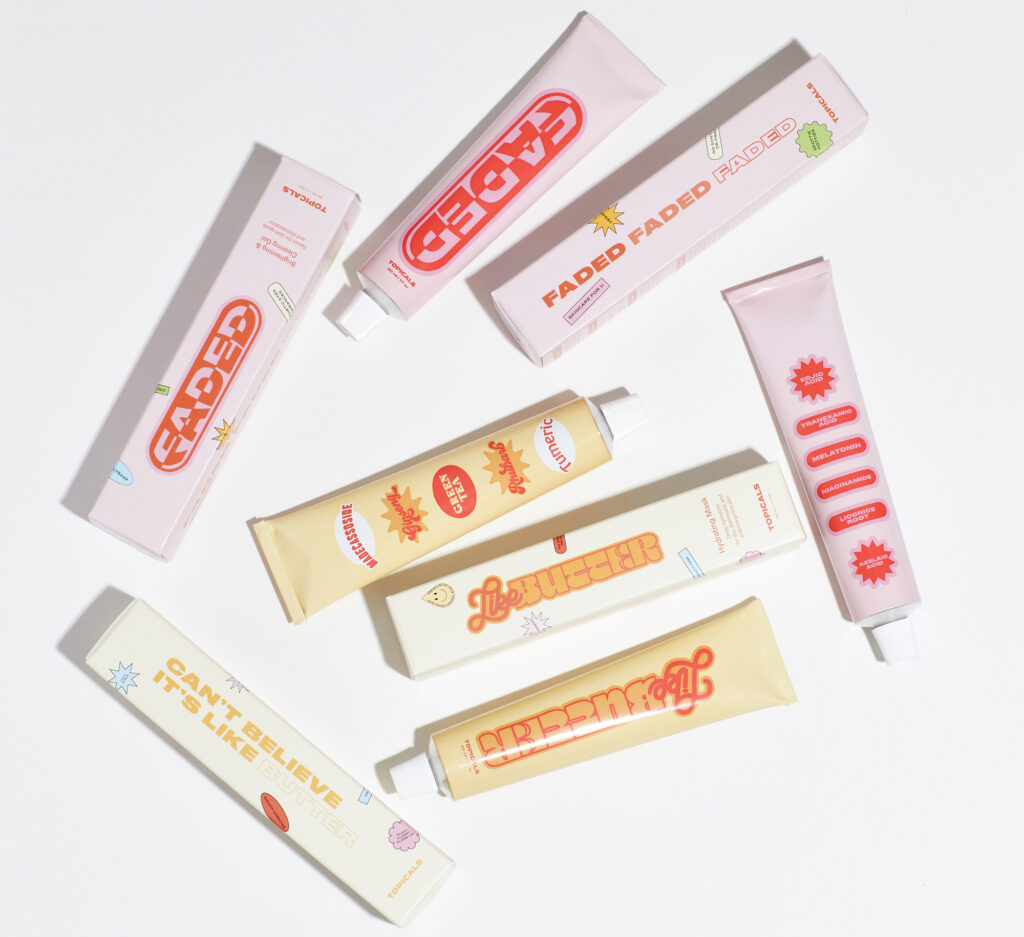
Topicals. The founding team behind gen Z focused skincare brand Topicals used its ability to create and foster community online to entice investors, and it worked. Olamide Olowe, co-founder and CEO, is the youngest Black woman ever to raise over $2 million in venture capital funding. She and co-founder Claudia Teng, Topicals chief product officer, are both 23 years old and have drawn a total of $2.6 million over three funding rounds.
While most gen Z brands would focus on TikTok and Instagram to reach their teen and young adult audience, Olowe and Teng have turned to Twitter and texting to connect with, educate and serve their community. “We thought, ‘Let’s focus on Twitter where education is super needed for these [skin] conditions,” says Olowe. “Typically, you’d find this information on WebMD or academic journals…Let’s democratize and create access. [Accessibility] is a huge part of our brand.” She shares that the response has been positive to what initially was planned to be some tweets and once-a-week threads on skin conditions. “[This education] has now become something that we’re very well known for on Twitter,” says Olowe. Since launch, the brand has amassed over 8,700 Twitter followers.
Topicals also executes all of its customer service interactions via text, its target customers’ preferred mode of communication, to make relatability palpable at every touchpoint. “The way we communicate with our community is not top down. Texting is not successful for them because their customer doesn’t see them as their friends. For us, what we’ve built over the last year is that friend and they know is someone as young as them talking to them. That lets people know that they’re not speaking to someone who may give a condescending type of experience.”
Geenie. Entrepreneur Chana Ewing, author of children’s book “An ABC of Equality,” launched culture-first beauty marketplace Geenie in July with only five products available for purchase. The inaugural selection, including lipsticks and lip glosses from Beauté Brownie, Fempower Beauty, Hi Wildflower, Kami Cosmetics and Gold Label Cosmetics, was tightly curated because racking up sales isn’t Geenie’s raison d’être. Ewing explains, “We’re a community first, plus a marketplace…Our biggest KPI is the growth of that community, how active people are, how much they’re coming back, what they’re doing, how they’re connecting among each other.” She believes this community-first aspect will give Geenie a stickiness discovery-focused marketplaces aren’t usually able to achieve.
True Beauty Ventures. Investors have been throwing around the c-word, too, when detailing what they are looking for in potential investment targets. When Beauty Independent interviewed Cristina Nuñez, co-founder of True Beauty Ventures, the emerging growth fund of investor Rich Gersten’s new firm True Beauty Capital, she shared that a brand having an engaged community around it was paramount in today’s market. She says, “We’re looking for a super product, something demonstrable that shows efficacious results and a loyal following. I think COVID has accelerated in particular ecommerce and social commerce. It’s highlighted the fact that brands need to connect with consumers, and they need to connect with them where they live. So, a brand that has a high level of engagement is really attractive to us.”
2. stores, salons and spas pivot to product
There isn’t a single business sector that did not have to recalibrate due to COVID. Some, like online stores, had to deal with a sales surge, but most, and especially brick and mortar businesses, had to switch up their playbook to keep their figurative doors open while their literal doors were mandated to be closed and sales ground to a halt. Some companies took the forced respite from foot traffic to focus on other revenue streams that didn’t rely so heavily on customers visiting their physical stores.
Sadly, COVID still claimed several casualties. In June, clean beauty mecca CAP Beauty permanently shuttered the doors to its 10-year-old New York City shop and spa, though it will continue on as an e-commerce operation. Another loss to the New York City beauty landscape was Studio Britta. Owner and esthetician Britta Plug announced the closure of her spa in July. Plug still helms Wildling Beauty, the skincare and gua sha line she launched in August 2019 that’s carried at Credo and Goop. Several other shops and service providers were able to hold onto their retail spaces, expanding swiftly into other verticals to do so.
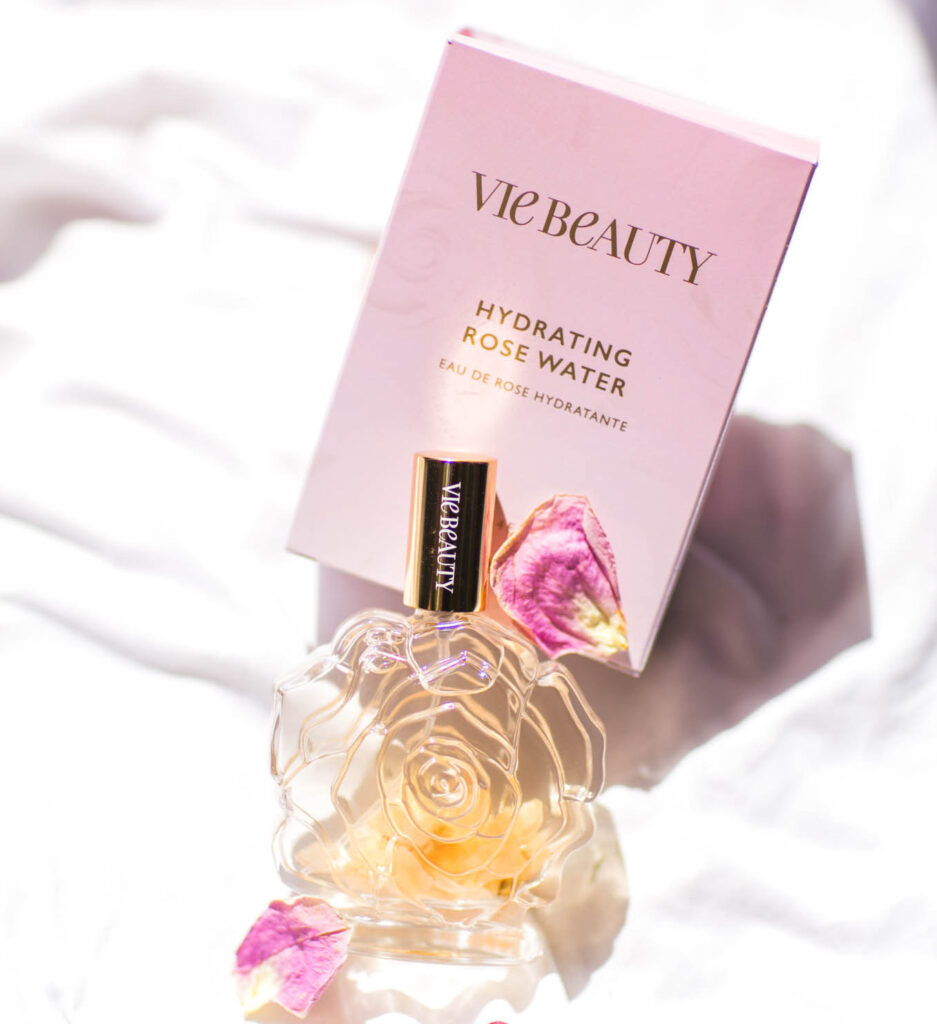
Vie Beauty: Esthetician Jasmine Lewis has had her Atlanta brick and mortar beauty studio, Vie Beauty, since 2016. When she was forced to close mid-March, she already had the launch date of her first product, 30 Roses facial mist, set for later that month. She says, “The product had been in the works for over a year. The pivot was happening and actually assisted me in the hard pivot I was being forced to do.” While her service business was shut, she focused on selling 30 Roses, doing all the order fulfillment herself and using the proceeds from the product sales to hold onto to physical space. But 30 Roses is no small side project for Lewis. The luxury rosewater facial mist is housed in a beautiful glass bottle etched in the shape of a rose. The 100 ml bottle retails for $36.
Lewis still operates her beauty studio, though with a huge reduction in the number of appointments she can accommodate. “My revenue was down 100% for the first few months following COVID, today it is down 85%,” Lewis shares. “It’s extremely low but I prefer to use caution to ensure that both myself and the clients are safe. It can be back down 100% [if we have to close again]. I take it one day at a time because each day is unpredictable.”
Credo. Last month clean beauty chain Credo announced the launch of Exa Beauty, its private-label cosmetics brand offering a primer and a 43-shade foundation, that would be carried at select Ulta locations in addition to Credo’s physical and online shops.
Credo’s two biggest competitors, The Detox Market and Follain had previously launched their own brands. The Detox Market launched body and personal care line Detox Mode in October 2018 and Follain’s own eponymous skincare line launched in March with Follain founder Tara Foley rolling out a new three-product collection targeted at oily-prone skin last month. Follain’s products are sold at Ulta, Anthropolgie and QVC. The Detox Market was also back in the news last month when founder Romain Gallaird announced his company had acquired Toronto-based clean beauty e-tailer Clementine Fields in an effort to bolster Detox’s e-commerce capabilities in the face of retail’s new reality.
Naya London. The salon and spa industries are still reeling from COVID related shutdowns. To prevent shutting down permanently, businesses across the globe, many of who were still required to pay rent on their shuttered spas and salons, had to find alternate business opportunities, and fast. Vanessa Fernandes, founder of salon products distributor Naya London, quickly shifted her 14 year old business from servicing a network of 700 salons to an e-commerce destination showcasing brands such as Flora & Curl, Camille Rose, Skin Gourmet and Mielle Organics.
“It was no longer about buying products from A to get them to B, but it was about working with brands that had an ethos behind them,” says Fernandes, who is also launching a digital platform aimed at salons. With the possibility of a second lockdown looming in the UK come winter, Fernandes feels confident that the pivot was the right course of action. She says, “I don’t feel like [COVID] is going to go away anytime soon. If online is the way forward, I want to make sure my business has an online presence.”
3. Black-owned brands diversify the lily-white wellness space
As the beauty industry’s racial inequality reckoning continues in the wake of George Floyd’s murder and the Black Lives Matter movement, the wellness world is rightfully coming under increased fire for its toxic exclusivity and blatant lack of diversity. The elitist ideology that wellness is solely for wealthy white women has stifled Black-owned brands, who already faced more challenges than their white counterparts when it came to scaling their businesses, from securing funding to scoring crucial shelf space at key retailers. Since January, though, brands like Golde and Movita have been joined by an exciting cohort of other Black-owned wellness and ingestible brands that are brining to the sector not only expertly-crafted health and beauty boosting formulations, but also some much-needed diversity.
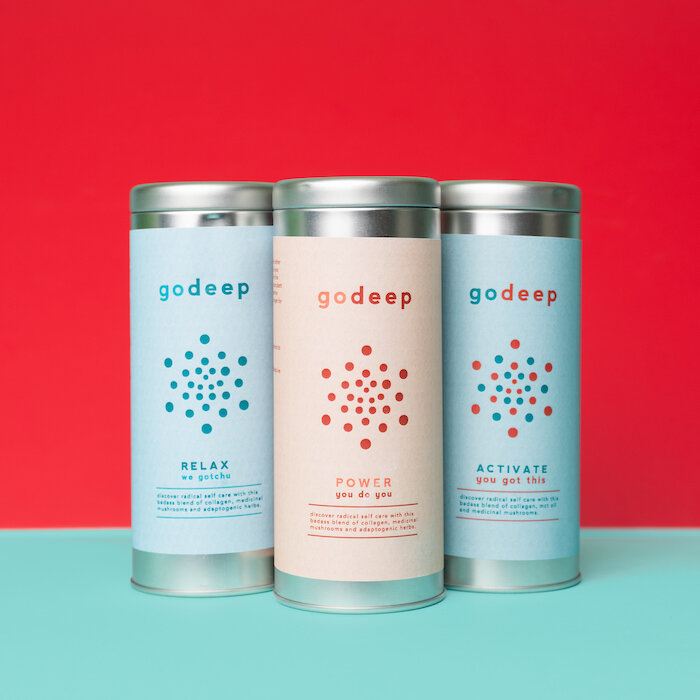
GoDeep. Though launched in August 2019, GoDeep founder Dana Knowles Licko put her line of ingestible powders through a rebrand in June, mid-COVID. “I did the rebrand with the new logo because I felt like it was time,” Knowles Licko says. “I wanted something more definitive that spoke to the meaning of the company.” Licko launched her wellness brand after her own battle with pain killer addiction post-surgery.
GoDeep’s message is getting across. In addition to being sold on the brand’s website, the trio of wellness-boosting products, which feature collagen, medicinal mushrooms and herbs, is on shelves at boutique shops like WTHN acupuncture studio in New York; Other Avenues Co-op in San Francisco; Amaluna Wellness in Boulder, Colorado; Nurture Wellness in Denver, Colorado and is soon to be available at Tula Hoya Yoga, also in Denver, where GoDeep is based. Knowles Licko dream retailer? “Goop!” she enthuses. The powders retail for $42 to $45 with a budle of all three available for $115.
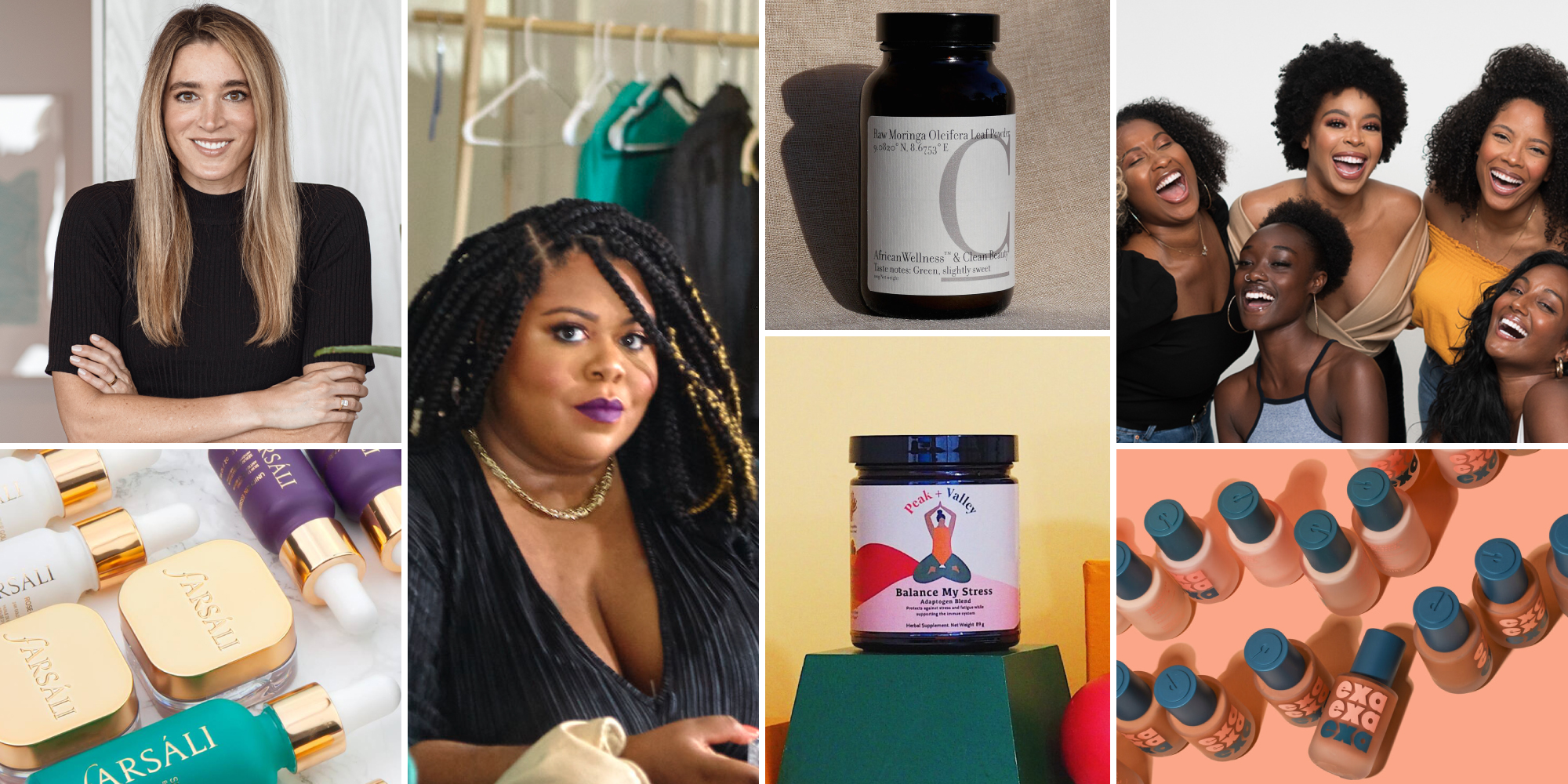
A Complexion Company. Wellness has evolved from the crunchy health food store supplements in unappealing bottles to a multi-trillion dollar industry where form is just as necessary as function. This March, Nomshado Michelle Baca launched what she calls the “Hermes of beauty,” ingestible brand A Complexion Company. Its first product, Organic Moringa Oleifera Beauty Superpowder, has “B vitamins, high quantities of vitamin C and magnesium, and other trace nutrients such as zinc, all of which are bioavailable.
“As soon as you incorporate it into your morning routine, the effects are felt instantly,” says the South African native. “I looked at the biodiversity within the African continent to seek out what’s tried and tested that could remedy the challenges we face in modern life. I found a solution in my own backyard that many millions of women around the world can benefit from.” Beauty Superpowder’s stylish packaging gives it the appearance of prestige skincare, as does its price. It retails for 30 pounds, or around $40 at the current exchange rate, for a 100-gram bottle. Baca plans to expand A Complexion Company’s assortment beyond ingestibles into topical hair and body products as well as a tablet format of Beauty Superpowder by year’s end.
Peak And Valley. After dealing with her own debilitating adrenal fatigue, scientific researcher Nadine Joseph put her sleuthing skills to work to discover a plant-based remedy for the harsh effects of her hectic lifestyle. Joseph learned about the benefits of adpaptogens like ashwaghanda, reishi and eleuthero root for our skin brain and body, and launched Peak + Valley to bring the highest quality and most potent adaptogenic powder blends to market.
Though she started Peak +Valley with only $10,000, her formulations have gained traction at retail. The brand has entered Nordstrom as part of the department store’s New Beauty pop-in, running through Nov. 1 in nine location. Peak And Valley is also scheduled to enter Anthropologie’s online selection this month. Currently, Peak And Valley offers three products, Balance My Stress, Nourish My Brain and Nurture My Skin, which retail for $38 each.
4. Brands bow out of brick-and-mortar
Ask any independent brand founder and she can likely recount with glee the exact moment she scored a retail partnership with the likes of Target, Sephora or CVS. A surprising development of the COVID retail landscape has been beauty and wellness brands who are usually elated to forge partnerships with national or international chains, choosing to sever ties with prominent retailers in order to focus on online sales through Amazon and their own websites. The direct-to-consumer model was coming under fire pre-COVID for rising customer acquisition costs that were making it difficult for brands to scale, but digitally-native brands’ online prowess proved not only valuable but critical, as lockdown dragged on and quarantined consumers only retail therapy outlet was the world wide web.
S.W. Basics: In May, Vogue Business reported that skin and body care specialist S. W. Basics would be pulling out of its retail partners, including Target, Thrive Market and Pharmaca. Founder Adina Grigore, who started the 5-ingredients-or-less brand in her kitchen in 2008, expressed to Vogue that it was a difficult decision that came down to finding stability in an uncertain time. “We avoided it for so long but it’s impossible to [do that] at this point. They have the most control over the process of getting products to customers.”
Farsáli: Early last month, we reported on Insta-famous brand Farsáli’s surprise decision to pull out of 2,500 Sephora doors, which co-founders Sal Ali and YouTube skinfluencer Farah Dhukai shared via Instagram posts was a decision they made to focus on starting a family. In a subsequent interview with Glossy, Ali admitted that he should have brought on investors in 2018, with the cushion from that cash infusion possibly preventing him from having to end Farsáli’s partnership with one of beauty’s biggest players. He says, “Working with a retailer is very expensive, and a lot of brands aren’t even profitable with retailers because of the overhead. There’s the cost of a field team, sampling, gratis to sales associates, in-store testers and the cost of returns. Typically margins are 60% in retail.”
Premama: Female-focused supplement range Premama is the perfect blueprint of how to successfully execute a retail retreat. Beauty Independent spoke to founder Dan Aziz about how he overhauled his brand’s retail strategy to maximize profit. This included, in early 2018, pulling Premama out of retailers including The Vitamin Shoppe, CVS, Walgreens, and Target, that had driven 82% of its revenues in 2018. The bold move paid off. Though sales were flat in 2018, Premama slashed its net loss in half. In 2019 revenue grew 107% and is on track to grow 130% this year, all while keeping revenue ratios firmly in check. Though Premama has re-entered The Vitamin Shoppe and Sprouts, retail contributes only 10% of the brand’s total sales. It’s direct channel accounts for 60% and Amazon makes up the other 30%.
5. Incubators abound
In 2020, both pre- and mid-COVID, the beauty industry has been making strides to solve the “too small to fund” dilemma many fledgling brands face. There has been a proliferation of incubators, many led not by investors, but by teams wielding deep beauty industry knowledge and expertise. These organizations, like Ancora Holdings and Waldencast, operate as holistic business partners with brands that need not only cash, but also digital media prowess, supply chain support and help in other critical operational areas.
Since June, we’ve seen the launch of incubators Salt + Earth Labs and Odile Roujol’s Fab Ventures. Last month, established player Beach House Group announced fresh investment from strategic growth capital investment firm Monogram Capital Partners. Last year, Beach House brought several celebrity brands to market, including Millie Bobby Brown’s Florence by Mills, Kendall Jenner’s Moon, and Tracee Ellis Ross’ haircare range Pattern. Look out for very early acquisitions to continue from these players on a mission to build brands over time, making for the most advantageous exit down the road.
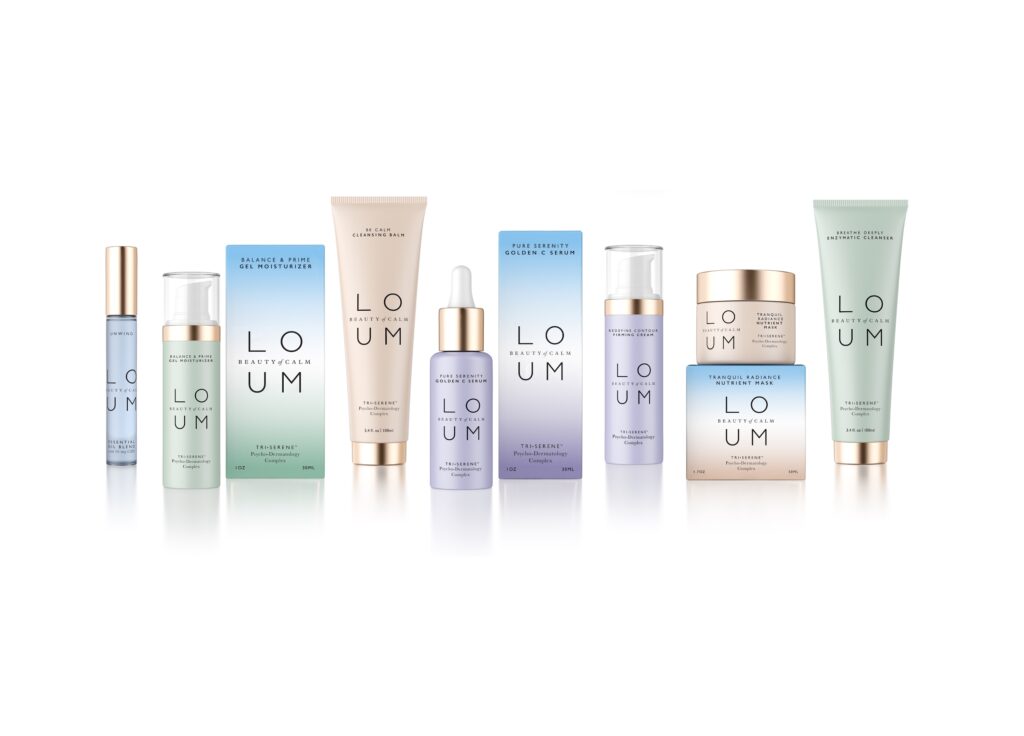
Present Life. Last month, two ex-Coty execs, Camillo Pane and Michael Bryce announced the launch of their new clean and sustainable beauty and wellness incubator and acquirer, Present Life. The announcement was timed with the launch of Present Life’s second in-house brand, skin stress effects buster Loum Beauty of Calm.
Loum joins Healist, a CBD ingestible and personal care specialist that debuted stateside in April, and One Ocean Beauty, the skincare and supplement line founded by beauty veteran Marcella Cacci picked up via a purchase. Present Life’s portfolio proliferation is fueled by $20 million in funding from London venture capital firm The Craftory, a backer of TomboyX, Dropps and Pharmapacks. Its focus is on birthing and buying brands with positioning spanning various price points and retail channels, from mass to luxury.
Morphe. Last month, Morphe announced its metamorphosis from single brand color cosmetics line to a stable of companies spanning several beauty and wellness categories. It’s interesting to note Morphe’s newly-named parent company Forma Brand’s first projects, the acquisition of clean haircare range Playa and the launch of Morphe 2, a color line created with TikTok most famous siblings, Charli and Dixie D’Amelio, are both a stark departure from the Jeffree Starr overly-done aesthetic. In July, Morphe announced it would “cease all commercial activity related to” the famous, and infamous, YouTuber with whom the company had an ongoing partnership.
Grove Collaborative: Another early stage acquisition came in June when clean personal care and home goods ecommerce player Grove Collaborative acquired beauty gummy brand Sundaily for an undisclosed amount. Sundaily was not yet two years old at the time of acquisition. Grove Collaborative co-founder and CEO Stuart Landesberg told Beauty Independent in June that his company’s M&A strategy is informed by the best selling categories on Grove’s ecommerce platform. The vitamins, supplements and minerals category has more than doubled in the last year, and Grove is missing gummy vitamins in its in-house portfolio. In August 2019, Grove acquired sexual wellness startup Sustain Natural. Landesberg says other categories he’s exploring for possible acquisitions include clean beauty and probiotics.
The players
5 mentionedTopicals

Too Faced
The Detox Market
Crunchi
Formulate