Ready Your Brand To Meet Today's Sustainable Beauty Standards
Whether it’s colorful or plain, has simple or complex encasements, packaging is a visual cue that can go incredibly right or incredibly wrong. And it today comes with the added pressure of being viewed in the context of global environmental concerns. Packaging carries a heavy cost. The global beauty industry produces a whopping 142 billion packaging units annually. Environmental experts predict that, by 2050, plastic clogging the world’s oceans will be more ubiquitous than fish.
New brands can start out on eco-friendly footing by carefully greening their products at the outset. Emma Grace Bailey, a beauty editor at trend forecasting agency WGSN, says, “In terms of advice for young brands, I would tell them to implement sustainable practices form the very beginning. Invest in it first, and you’ll ensure the longevity of your brand.” For indie beauty brands, sustainable packaging is a chance to be perceived as green beauty torchbearers and set leading benchmarks for the industry as a whole.
No matter the industry, there are increasing calls for sustainability. A small, but growing number of consumers are paying attention to environmental protection and care enough about the environment to make purchasing decisions based on it. The belief of beauty entrepreneurs electing to put their products in sustainable packaging and rely on sustainable ingredients for their formulas is that consumers wanting to shop with a clear conscious will buy them.
An interest in sustainable packaging is beginning to show up in market research. In 2017, a Mintel analysis found 30% of consumers expressed a willingness to spend more for refillable products. In a few years, Bailey contends the majority of consumers will understand how wasteful their beauty routines can be, and they will demand radical changes to beauty merchandise. Brands will be challenged to update—or reinvent—their practices inside and out.
“If a brand doesn’t act and act with sincerity and effectiveness, the brand will cease to exist in the next five or so years. It’s not a question of if you should do it, it’s a question of when. And the answer is now,” stresses Bailey. She asserts consumers won’t shy away from distancing themselves from brands that exhibit wasteful and harmful behavior. Bailey says, “It’s more important than ever to demonstrate, authentically, that you give a damn about the issues impacting the human race.”
The rise of the sustainable packaging movement underscores Bailey’s points. According to Technavio, the green packaging segment is expected to advance at a compound annual growth rate of close to 8% to $265.2 billion by 2021. The research firm notes recyclable packaging holds the largest portion of the global market, at 76%. Reusable packaging holds roughly 20%, and biodegradable packaging commands the rest. The biodegradable component, however, is rapidly surging at a 16% CAGR.
The British brand Lush, which has more than 900 stores globally, has spearheaded the so-called naked packaging movement excising external packaging. About 35% of its solid soaps are sold without any packaging. The U.S. brand Non Gender Specific’s perfume Flooid is housed in a box that can be planted. Another American brand, HiBar, is getting recognized for selling water-free shampoos and conditioners that ditch plastic bottles.
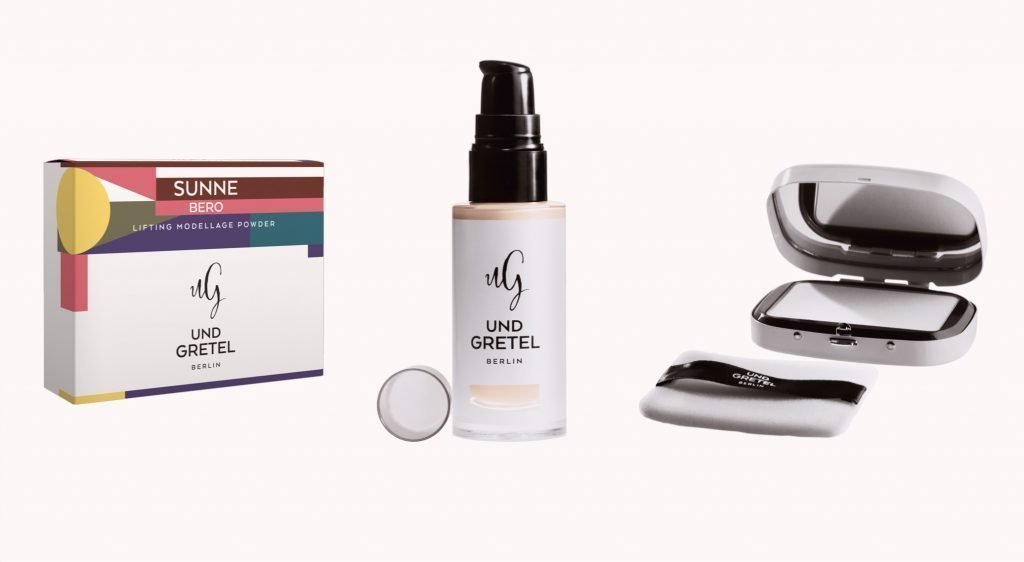
Berlin-based organic cosmetics brand Und Gretel produces makeup free from synthetic colorings and preservatives, parabens, mineral oils, aluminum and silicones, but its sustainable aspirations aren’t limited to formulations. The brand’s entire supply chain is sustainable. Delivery routes are kept as short as possible. All suppliers are limited to Europe. Und Gretel avoids plastic packaging, and turns to metal, glass and Forest Stewardship Council-certified paper for its products.
“It’s about breaking this cycle and creating sustainable alternatives. Our resources aren’t infinite and becoming scarcer as the pollution of our planet is drastically increasing. At the same time, there’s a plethora of new products being produced each day and most of them have a short lifespan,” says Und Gretel co-founder Stephanie Dettmann, sharing, “For our LIETH foundation, we use recycled glass from France. For our ILGE translucent powder, we opted against plastic and settled on a high-quality metal case, which we’ve redesigned into a powder compact.”
Big beauty players like L’Occitane are catching up. The French company has collaborated with Loop Industries, a sustainable plastic specialist, on 100% sustainable PET plastic. L’Occitane expects to depend completely on 100% recycled bottles by 2025. L’Oréal backs Seed Phytonutrients, a haircare brand with products swathed in recyclable and compostable paper created in partnership with Ecologic Brands. The conglomerate has also invested in green chemistry firm Carbios to further plastic recycling technologies.
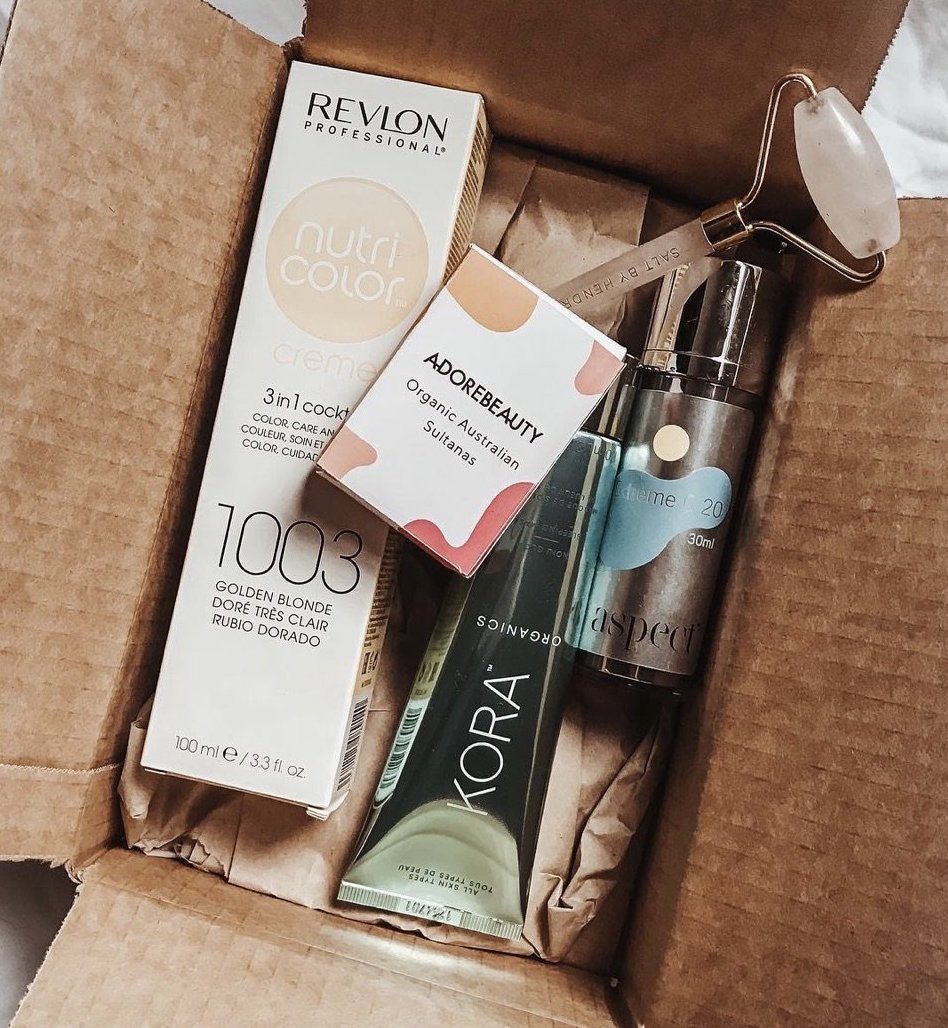
Most orders are shipped to customers in oversized boxes. Often, they’re receiving more air than products. To fill the extra room in boxes, companies are piling in pellets and other materials, amplifying their carbon footprints. Reducing the air space in boxes results in reduced emissions, a key step toward sustainability.
Australian company Adore Beauty is addressing the problem of cumbersome boxes with a new software to manage its warehouse and stem its tide of packaging waste. The software scans the weights and dimensions of Adore’s products to identify the smallest possible boxes to ship them in. Bailey says, “Not only does this cut down on the amount of material used and then wasted, it also lowers the brand’s carbon emissions by making the packaging lighter and smaller, meaning more can fit on a shipping palette and less vans are needed to ship an order.”
Logistics and packaging companies are highly aware of the environmental ramifications of their actions—and they’re implementing programs to ease their burdens on the earth. Shipping giant DHL has introduced an initiative to take its logistics-driven emissions down to zero by 2050. To accomplish the ambitious goal, the company must calculate the greenhouse gas emissions of every letter and every package, and support climate protection projects to offset them.
American company LimeLoop is transforming old billboards into robust shippers or mail bags. The shippers are made from vinyl upcycled from the billboards and recycled cotton. Super lightweight and waterproof, they can be reused for up to ten years. The flexible containers are equipped with preprinted labels for consumers to return them to the brand. If one of its bags is used 100 times, LimeLoop calculates 130 trees and 4,000 gallons of oil are spared.
Scaling back a product’s carbon footprint requires an understanding of the supply chain and the lifecycle of packaging. Norma Lujan, product developer, creative consultant and founder of Libéllule & Lavande, explains that packaging decisions may begin with the goal of limiting waste, but safety, freshness, stability and functionality requirements can result in compromises to avoid bacteria and maintain aesthetic appeal.
“You can’t work backward from a product,” says Lujan. “Start with a concept and a story, and how you want a product to look, feel and work [from there]. If you don’t want to use preservatives, there will be a packaging trade-off. You need a thorough conversation with your suppliers and your lab, so you can stay as true to your DNA as possible.”
Deb Darling, director of packaging materials and innovations initiatives at Aveda, which uses economies of scale to achieve sustainable packaging objectives, says the best place to start is with material availability. She says, “We research the materials options first and, then, ask our component suppliers to test options that are aligned with our environmental mission.” The research is crucial, Darling adds, because greenwashing is rampant. She says, “Not all materials are fully tested before they are offered or marketed as sustainable. Hold your suppliers accountable to testing and providing accurate information.”
Atsko Fukada, a senior director at Takemoto Packaging Inc., highlights the importance of testing packaging inside and outside the lab. She says, “Products with essential oils may not be compatible with sustainable aluminum. Skincare formulations can require food-grade plastics, and glass can break if shipped in less-than-sturdy, secondary packaging.” Although it’s challenging for small beauty companies hungry for revenues to hold off on sales, Fukada instructs them to test their packaging for three months to ensure its compatible with their formulas.
Bailey tells brands not to be shy about celebrating their sustainable packaging. “Invest in recycled plastic material, and shout loud and proud about the fact you’re doing so,” she says, noting that consumers won’t necessarily realize packaging is recyclable unless a brand lets them know it is. The beauty brand Ren unveiled a body care bottle made from 100% recycled plastic, including 20% that comes from the ocean, and made a pretty big deal about it timed with Earth Day. On top of its packaging move, the brand has pledged to go zero waste by 2021 and been involved in ocean cleanups. CEO Arnaud Meysselle told Beauty Independent that, since Ren announced its green plans, the brand’s sales have jumped 50%.
There are a multitude of recycled plastic options for brands to vet, and it’s not easy to sort through them. Katie Giorgadze, marketing events assistant for research and consulting firm Ecovia Intelligence, says, “The terms bioplastics/biopolymers can be confusing. Not all are bio-based. They can be made from used plastic bottles. PCR plastic is a good way to redirect packaging plastic from landfills and waste streams. Plant-based biopolymers can have a lower carbon footprint, but they may end up in landfill.”
She continues that brands should be aware of the issue of compostable and biopolymer packaging waste streams. Giorgadze cautions, “It usually ends up in the same waste streams as conventional packaging and sometimes cannot biodegrade or compost.” Additionally, finishings like certain metalizing or inks can make recyclable bottles non-recyclable and toxic in a landfill. Lujan says, “Educating consumers is highly important because otherwise the packaging just lands on another landfill site. Through the packaging itself, we can raise awareness and provide educational work.”
Fukada points out that PP plastic, PET plastic, heavier PETG plastic, which is a modified version of PET, and glass, are widely available, affordable and 100% recyclable. PP, PET and PETG are in the polyester family. To bring reused materials into the mix, these types of recyclable bottles can incorporate 25% to 50% PCR or post-consumer resin, a substance from recycled plastic waste.
One issue with PET bottles is they can have brown specks, but Fukada says Takemoto has high-PCR varieties without them that are layered internally and externally with non-PCR material. The company works with small indie brands on orders, for example, of 3,000 clear PET and PCR bottles that can be as low as 40 cents each. It also offers 30% vegetable oil PET bottles, PE containers that are 98% corn-based, and PET that’s 30% corn-based.
Refillable packaging and modular design are making inroads in the beauty market. “You can make refillables work through consumer relations marketing,” argues Lujan, acknowledging, “Many consumers will expect to pay less if they refill an item.“ Some big brands have partnered with TerraCycle, a company that’s developed a voluntary collection system for stores, to encourage recycling and refilling . Customers can hand in cosmetics packaging for free, and it’s subsequently recycled. L’Occitane now accepts packaging from any brand for recycling.
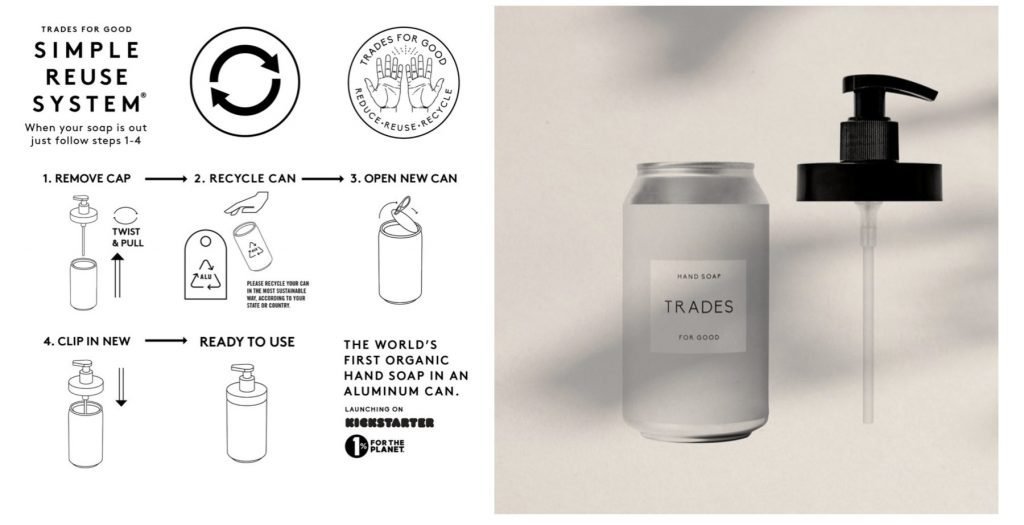
Modular design incorporates packaging solutions that can be dismantled into different components for upcycling and recycling purposes. Bailey touts Trades for Good, a startup selling hand soaps in aluminum cans with reusable pumps as a stellar example of incorporating modular design. She says, “Cans are infinitely recyclable, and all users have to do is move the pump from one can to the next.” Bailey also singles out Innisfree as a leader in modular design. Bailey specifies, “Their cushion compacts [come] in personalized packaging with removable cushion parts that can be easily replaced.”
Fukada emphasizes, “The future is in reusable and replaceable packaging.” Giorgadze concurs, saying, “Brands are looking at reducing the packaging footprint by making it more lightweight, changing design structures and using less packaging materials. Sustainable options for secondary/tertiary packaging include bamboo cases and FSC-certified cardboard.”
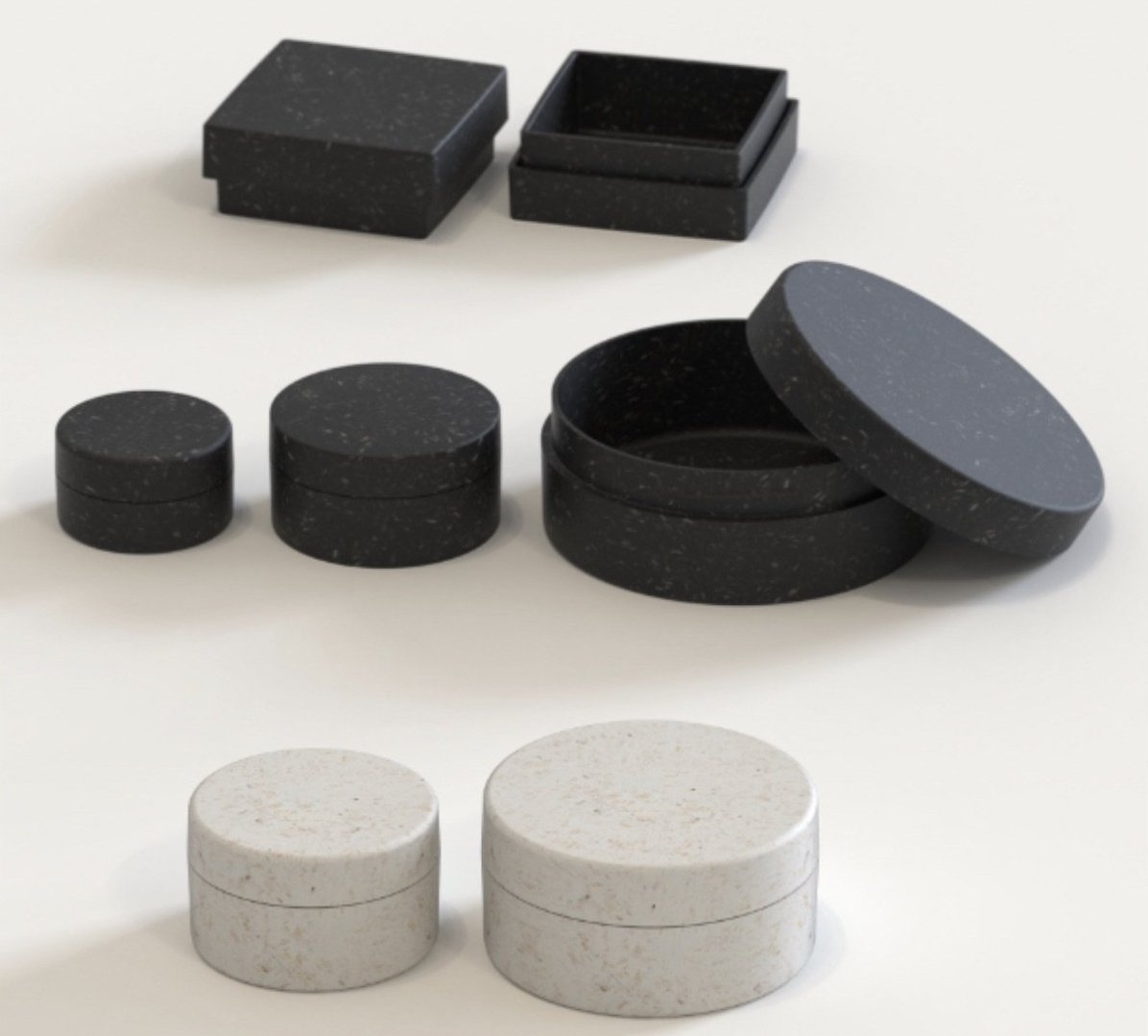
Companies don’t have to compromise as much on aesthetics as they used to in order to veer in an environmental direction. Packaging supplier Sulpac’s stylish products, which are made from renewable wood chips sourced from sustainably-managed forests, won Ecovia’s 2017 Sustainable Beauty Award for packaging. The Body Shop uses attractive containers for its body butters that were created by Newlight Technologies, which takes carbon emissions out of the environment in its production of high-performance bioplastics.
The players
5 mentionedSincerely Yours

L'Occitane
Aveda
HiBar
Formulate