22 Bold Indie Beauty Predictions For 2021
Nicholas Ratut, president and CEO of NR Global Beauty, underscores the companies that survived and even flourished during this turbulent period reacted quickly to changing conditions. “Quite frankly, I don’t think they are going to go away. I think we are going to have all sorts of surprises down the road,” he says. “If you have been able to get through COVID with your business, you will be well-placed for the future. There will be more surprises.” To perhaps limit 2021’s surprises a tad, we interrogated our sources for information on the dynamics they believe will shape the beauty industry in the days, weeks and months ahead. Here are 21 of their predictions that we think you should consider as you confront any potential surprises on the horizon.
Before COVID-19, the makeup category was on the slide. The influencer-bolstered glory days of contouring and baking were behind it. The cloistering and mask wearing sparked by the pandemic furthered the category’s pain. But color cosmetics could sing a happier tune in 2021, especially toward the second half of the year. Elena Severin, director of brand partnerships at The Detox Market, is particularly bullish. “I think makeup will increase faster than what is predicted for next year,” she says. “It’s already happening now. People have COVID fatigue. People are just going to want to have some levity and fun, and that’s what color brings.”
Marla Beck, CEO and co-founder of Bluemercury, foresees makeup demand escalating once vaccinations are broadly administered and in-person activities resume in a major way. Makeup brands have been preparing for the uptick by adjusting to the needs of today’s consumers by providing conscious ingredients, skincare benefits and natural-looking results. “There is a lot of exciting innovation in this category next year, with sheer pops of color and transfer-resistant formulas,” says Beck. “We will be ready to serve our clients in cleaning out their makeup bags and introducing new routines that better fit their lifestyles.”
Spa treatments are great for unwinding in stressful times, but both consumers and beauty professionals are worried about their safety in the treatment room. “Some spas are finding it hard to staff up [with] massage therapists too concerned about their safety,” says Melisse Gelula, co-founder of Well+Good. “Spas are working to figure out how to supplement massages, the most popular service, with something else that’s safe. We’ll see more gadgets instead of human touch.”
As people get fewer facials, makeup artists are noticing impacts on their clients’ skin and looking to introduce touch-free skincare devices to create a flawless face for makeup application. “In color cosmetics, machinery is going to be really big,” says makeup artist and The Ready Set member Stephanie Flor, founder of Around The World Beauty. She sees makeup artists turning to handheld devices that deliver microcurrent and radio frequency before picking up a brush. Flor says, “We’ll see a lot of machinery on the skin as a pre-makeup step for that glow from within.”
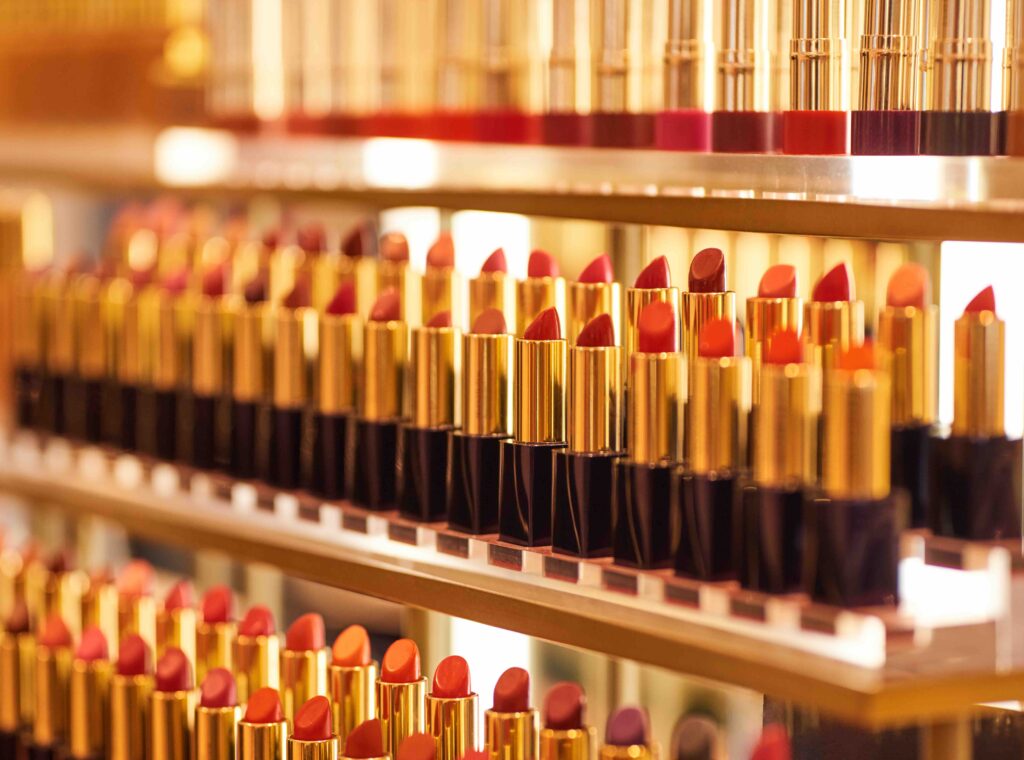
The New Year will instigate evaluations of retail selections. In the year that was, retailers got a good understanding of brands that can perform under tough circumstances and brands that can’t hack it. Those that can’t may be put on the chopping block. “What I anticipate we are going to see is a definite cut of underperforming products,” says Mia Bell, founder of Inspired Beauty Wholesale. “Retailers are definitely wanting to make sure to create some sort of sustainability for themselves, and that’s going to be about having brands that sell.” Kristy Engels, president of Beauty Strategy Group, says, “There will be SKU rationalization as retailers get a chance to come up for air and rethink their assortments. I would expect color to be pared down in most doors given how the category has been in a slump for some time.”
Retailers are also going to be rethinking the endless aisle online. In a 2020 characterized by e-commerce exuberance, websites became crammed with merchandise, but a lot is being ignored or undiscovered by shoppers. As has been extensively studied, too much choice can be paralyzing. “There is eventually going to be page overwhelm,” says Bell. “Personally, I can only scroll through so many pages until I think, ‘It has to be easier to find what I’m looking for.’” Retailers can make it easier for consumers to find the product they’re searching for online by eliminating excess or improving navigation and curation. They will likely be pursuing a mix of those tactics in 2021.
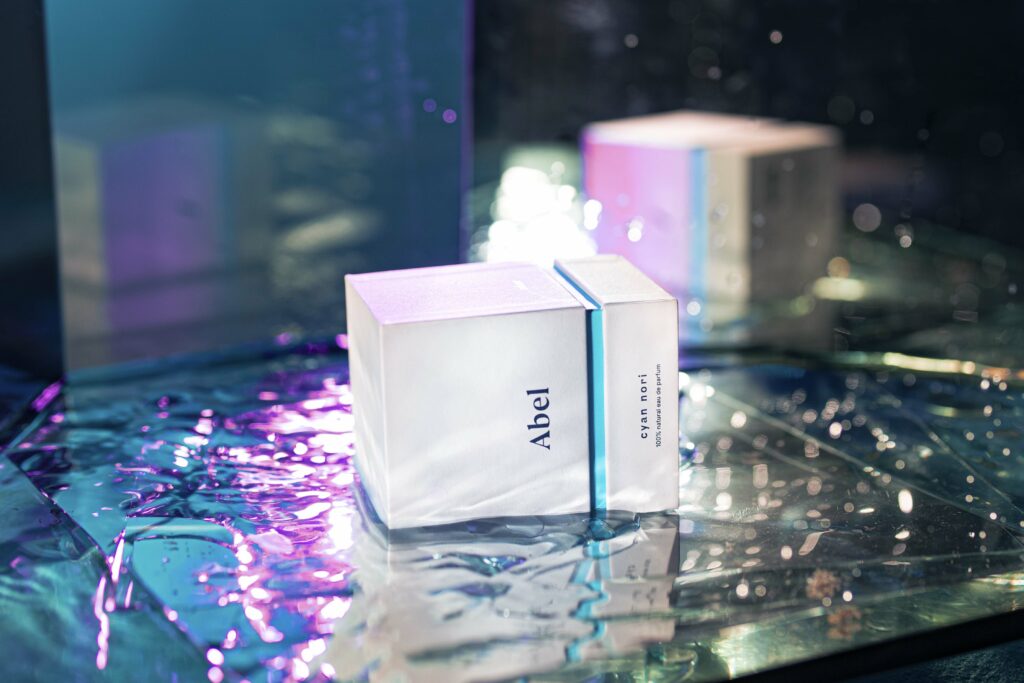
The clean movement has had a steady evolution. Its early focus was food. Then, it entered the beauty industry with a spotlight on skincare before reaching the makeup category. This year, clean haircare came to the fore as salons shuttered and consumers paid more attention to what they were putting on their heads. Clean fragrance could be the next clean product category to garner heightened consumer interest. The interest could extend across spray and roller perfumes, candles and other interior scent formats.
Clean or not, U.S. sales of prestige fragrances have been trending positive at the end of 2020. According to The NPD Group, they squeezed in 1% growth in the third quarter. Sales of home scents surged 21% in the quarter. Ratut is optimistic fragrance’s trajectory will continue in the upward direction and instructs scent brands to double down on digital sampling strategies due to the ascendance of e-commerce. “People have time and are in the right environment to quietly sample fragrances in their home,” he says. “It’s a nice environment to sample a new fragrance rather than in a store.”
Barbara Zinn, a cosmetics consultant and former senior VP/DMM for cosmetics and fragrances at Lord & Taylor, agrees fragrance is poised for enduring strength. She says, “I’m a handbag nut, but [what] am I going to need new designer handbags [for]? Fragrance is really a great alternative.” She suggests fragrance brands should team up with brands in non-beauty categories—footwear, for instance—to amplify sampling. Zinn notes, “There is an opportunity at Sephora and Ulta to make fragrance more important in their stores.”
Katie Roering, founder of Fontana Candle Co., which is certified nontoxic by Made Safe, asserts consumers are gravitating to natural candles, but they’ve been difficult to find. “Most waxes are processed with paraffin and other toxic chemicals, and there is no transparency when it comes to the fragrances used,” says Roering. She continues, “As consumers went through and tossed the toxic products that they used on a daily basis, candles always seemed to be overlooked. That is until now. As consumers become more educated about toxins in ingredients, especially fragrance, they are demanding safer and healthier alternatives. This trend has been increasing, but the pandemic seems to have put it in overdrive.”
The pandemic has exacerbated economic inequality that existed prior to it. Flush white-collar American workers haven’t seen their bank accounts evaporate while the struggles of those with tenuous low-wage jobs remain acute. With the widening bifurcation establishing the terms of consumer packaged goods commerce, Rachel Roberts Mattox, CEO and founder of Oyl + Water, foresees luxury beauty returning with a vengeance.
“I predict an unapologetic embrace of the things that feel good for the sake of feeling good. The brands that do it right will make it feel fresh and will speak directly to the customer with a high emotional intelligence,” she says. “I think there will be a simplicity in this new luxury, and it will be all about making the customer feel comforted, at peace, relaxed, calm, etc. I think the big difference in this new luxury is that it’s not about social status as much as it’s about sensory experience.”
Severin is detecting a shift toward higher prices by prestige clean beauty brands. She reasons the shift is “because of quality ingredients and sourcing, and limited quantities sometimes. People are buying less, but higher quality goods. It’s not from a branding cult status point of view.” To satisfy divergent tiers of the market, Severin argues there are openings for affordable beauty brands to proliferate in the clean sector as well. She says, “There definitely needs to be an accessible price point for people wanting to get into clean beauty.”
In a The Wall Street Journal article from August, Nicole Friedman wrote, “Suburban housing markets have been on a tear as home buyers have sought more space during the coronavirus pandemic.” With larger new homes to fill, people are decorating, and carving out spaces for self-care and meditation. Severin imagines “anything to make your home a sanctuary” could be big in 2021. She singles out personal massage tools, facial steamers and home scents as products that fit the domestic bill. The Detox Market has brought in the diffuser brand Campo, and candle brands Satya + Sage and Lohn.
Roberts Mattox argues the lifestyle index has replaced the lipstick index. “Perhaps because we’re at home more, and we’re redefining what it means to ‘go out’ or ‘go to work,’ we are spending our money on little lifestyle luxuries that make us feel good, grounded, cozy and safe,” she says. “I think this trend will continue in 2021 because our value system has shifted a bit, and we want things that make us feel good, not just look good.”
In July, Jason Nelson, senior marketing director at Bluebird Botanicals, a brand with the audacity to admit in advertising that CBD isn’t a panacea, estimated that the number of companies in the U.S. selling CBD had ballooned to around 3,000. That’s probably enough. While the CBD market is set to grow—by 2025, Brightfield Group estimates it will reach $16.8 billion in the U.S., up from $4.7 billion this year—the bloom has come off the flower constituent a bit. Explaining its projection, the cannabis consumer insights firm said, “The pandemic has been a significant extinction event for hundreds of small brands in the U.S. CBD market. Because the market is seeing both expansion and consolidation in 2020, the top 20 brands have technically lost market share, but still maintain the majority piece of a now larger pie.”
CBD brands and e-tailers are adjusting to the new reality by diversifying. They don’t want to be known for CBD alone anymore, and are extending their repertoires both in and out of the cannabis realm. Stretching beyond CBD unlocks marketing channels for them and enlarges their audiences. However, they risk facing inordinately more competition in the general market and lacking clear distinctions as they wade into it.
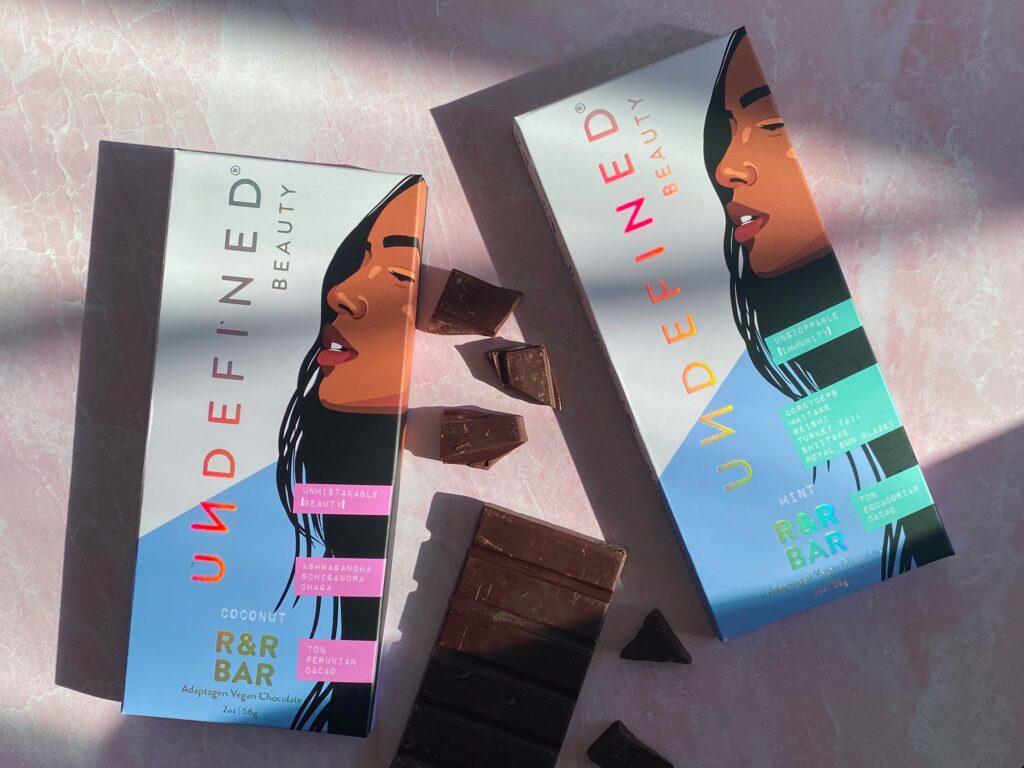
High Beauty, a brand centered on cannabis sativa oil, is working with the cannabinoid company Lygos CBx to put the cannabinoid cannabigerol or CBG in products. Plant People has introduced five supplements without CBD in Target stores. Undefined Beauty recently premiered its first collection outside of CBD. Called R&R, founder Dorian Morris describes it as tapping adaptogenic mushrooms to destress and detoxify. She says, “I think there’s CBD fatigue and, to truly differentiate yourself, a brand must be CBD-plus, using a holistic formula approach and not just [be] about having CBD within the bottle.”
The retailers and e-tailers Standard Dose, Poplar and The Drug.Store are becoming wellness destinations rather than narrow CBD specialists. In an interview with Beauty Independent earlier this year, Poplar co-founder and CPO Blair Lauren Brown said of CBD, “In the end, it’s going to be another ingredient. It’s going to be what goji berry is to superfoods.” Speaking of CBD retailers, she emphasized, “If they want to be a long-term player, they are going to diversify.”
Digital financial services company Payoneer defines livestreaming as the “broadcasting of live video in real time via the internet to bring worldwide audiences together.” According to Research And Markets, the livestreaming market is forecast to hit $184.3 billion in 2027, up from $70.05 billion in 2021. Brands can livestream through their own online platforms, retail partners’ platforms or social media networks such as Twitch, Facebook, YouTube and TikTok. This year, livestreaming showed incredible growth. For example, Twitch’s active streamers tripled.
Already a significant commerce vehicle in China, beauty brands in the U.S. began dabbling in livestreaming this year. Glossy chronicled Clinique livestreaming an event with actress Emilia Clarke on its website. In 2021, beauty brands will dive deeper into developing their livestreaming capabilities. In two years, Kevin Gould, founder and CEO of Kombo Ventures, an incubator and creative agency with Insert Name Here, Wakeheart and Glamnetic in its portfolio, says, “One of the most in-demand roles at a brand will be head of live commerce. It will be the same way that influencer roles became very in demand a few years ago. Early adopter brands are going to experiment this coming year with live commerce, and I anticipate them really ramping up after a year of experimentation into a much more robust offering in 2022.”
McKinsey associate partner Emily Gerstell and partner Emma Spagnuolo expect livestreaming to be a greater sales driver for beauty brands going forward. “Livestreaming creates a different way to connect to brands that still feels special and intimate, and there is something about capturing it in the moment that build credibility,” says Gerstell. “It’s also a great way to do tutorials and engage consumers in ways that might have done well in person.” Following a “shift from brands being able to own marketing to really the consumer owning the marketing,” Spagnuolo says, “What livestreaming helps to do as well is it gives the brands a little bit more control over the story.”
The demand for “cleanical” brands straddling clean and clinical positions isn’t going anywhere. Founders with scientific chops will bring plants into the lab to discover ingredients from nature with efficacy that can be quantified. “People are expecting claims in clean beauty more than they used to,” says Gelula. “There are many clean brands with proven clinical power behind them, whether that’s an expert founder or an advisory board. There’s going to be a lot of continued growth in that category.” Gelula cites technological advancements as providing a boon to the category. She says, “It’s easier to test lab-born ingredients, standardize them and make good on the promises versus the harvesting of a plant in 2019 versus 2021. The weather, the composition, there are so many variable factors with plants that bring complexity.”
Brands able to successfully navigate that complexity are poised for success in 2021 and beyond. Acaderma, founded by award-winning cosmetic scientist Shuting Hu, is a beauty brand to watch. The brand’s products are fueled by so-called Seh-Haw EX, a patented active extracted from kinkeliba tea. “When we’re evaluating unique plant ingredients, out of 1,000 ingredients, maybe we can only find 10 that are effective on skin cells,” says Hu. “Then, we conduct clinical trials and maybe just one or two are effective in the clinical trials.” Acaderma is often approached by companies to license its ingredients for their formulations. Seh-Haw EX and Prophagy, another patented Acaderma ingredient, are exclusive to Acaderma, but it’s open to partnerships with companies focused on other technologies.
Consumers morphing into hermits under the duress of a global health crisis wasn’t good news for the sunscreen category in 2020. If the worst of the pandemic’s effects subsides next year, the category could notch an impressive rebound. “Sunscreen got a bad rap this year. In 2021, I think we are going to see it explode and especially day creams that have sunscreen in them,” says Severin. “Brands have exciting versions of those coming out that have long been demanded.”
Robyn Watkins, founder of Holistic Beauty Group, envisions sun care brands increasingly exploring indoor light radiation, including blue light from personal electronics, in a serious manner to become more relevant to work-from-home professionals. “I don’t think we will really know the ramifications of blue light for years to come, but there has been a lot of research done, and it’s really a thing,” she says. “The way products have been launched has been, let’s have this SKU for something to talk about, but a great brand centered around protection could really bring this conversation to life with an everyday product that’s efficacious and not cumbersome.”
Single-use beauty items are increasingly being viewed as a wasteful indulgence by conscious consumers. Brands are responding with innovative products that act as creature comfort compromises, allowing consumers to continue using the products they rely on, albeit in a less environmentally-damaging way. There will be more launches like Experiment Beauty’s Avant Guard reusable silicone sheet mask. Founder Lisa Guerrera says, “Experiment marries the idea of true sustainable thinking, elegant formulation, and fun aesthetics to create a brand that looks towards the future beauty consumer.”
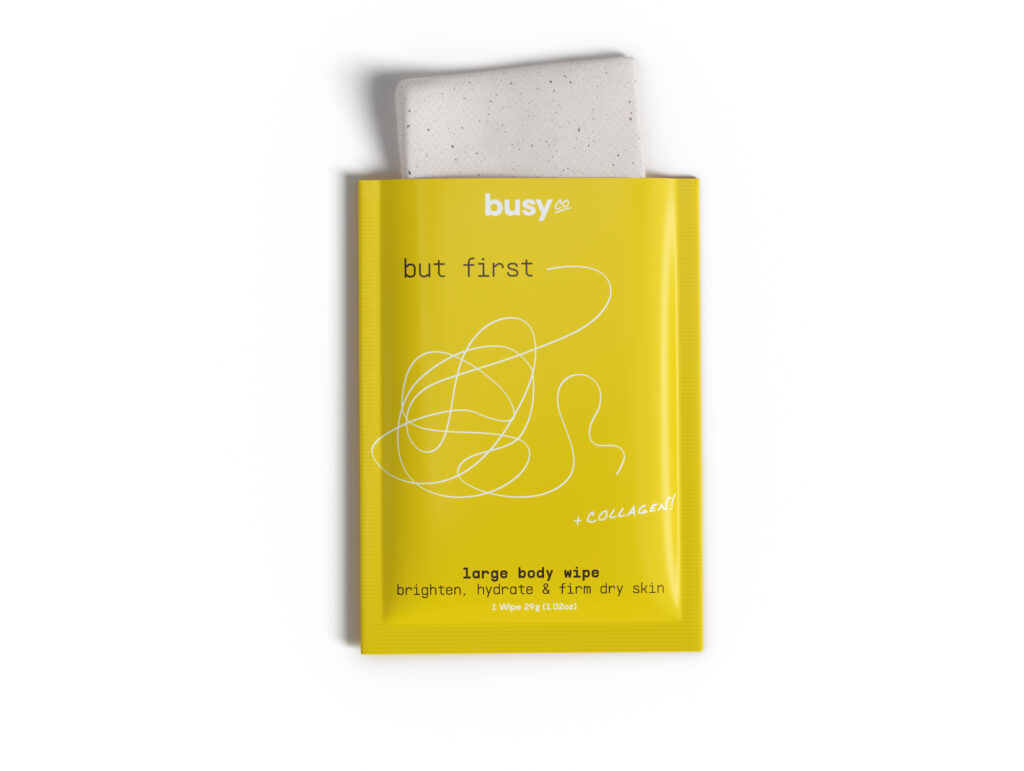
Wipes, too, will be subject to profuse criticism—and with good reason. A whopping 60 trillion wipes are used annually and 90% contain plastic, which breaks down into microplastics instead of biodegrading. Direct-to-consumer toilet paper startup Bippy created its Toilet Paper Foam to replace baby wipes. The company promises that one 2.7-oz. bottle of the witch hazel- and aloe-infused foam replaces the need for 300 wipes. Budding brand Busy makes face, hand, body and intimate care wipes from excess fabrics from clothing manufacturers. Its wipes are biodegradable and compostable. The brand’s lamination process enabled it to introduce the first-ever curbside recyclable package for its size and purpose.
Emerging brands have fallen behind entrenched players in quantifying the outcomes of their sustainability efforts. Unilever has a large-scale Sustainable Living Report that outlines the company’s sustainability goals—halving its environmental impacts by addressing greenhouse gases, water use, sourcing and packaging, for example—and measures its progress against them. While their environmental footprint is tiny compared to corporate behemoths, emerging brands are catching on to the importance of reporting the results of their sustainability initiatives to show they are doing what they promise and actually making a difference, if in a smaller way.
Gurval Caer, co-founder of Superzero, says one of the new premium plastic-free haircare bar brand’s objectives is to demonstrate to customers the environmental benefits of their purchases of its products. “A lot of people would like to be able to track their impact,” he says. “How many bottles they are saving or preventing from going into the ecosystem is going to be a big one.” In January, Evolve Beauty is scheduled to release a sustainability impact report that lays out its ambitions in five value areas: social justice, positive planet, zero waste, transparency and wellness. It plans to offset its carbon emissions by 2023, use palm oil from Roundtable on Sustainable Palm Oil sources and apply for Leaping Bunny certification, among various actions detailed in the report.
After a year that has left Americans more stressed than ever, beauty brands are trying to help customers decompress. “I do think there are lots of brands that will have this mission to amplify a mental health message, whether it’s for women of color, for people who have been left out of the system. We’re starting to see so much more conscious support, which I am thrilled to see,” says Gelula. “Consumers this year have gotten a light-speed download on wellness, a wake-up call. We don’t have systems that are going to solve this. It’s amazing to see these mission-driven beauty brands trying to solve for it.”
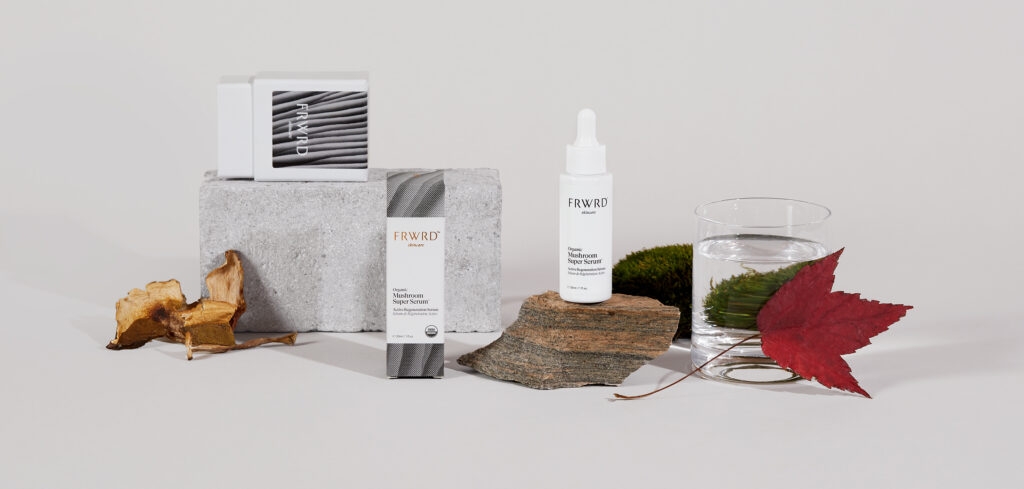
Selfmade pairs its Secure Attachment Comfort Serum+ with a digital tool called CommonRoom that guides users through therapeutic concepts to boost their emotional aptitude and confidence. FRWRD Skincare pairs its Mushroom Super Serum with Conscious Self-Care Ritual, a stylish box of cards with questions consumers can take a moment to answer to promote self-understanding. “Our brand is about the marriage of self-care and mindfulness because we’re stronger, more whole and more powerful with a mind body connection,” says founder Vladimir Druts. “We see the time and space we have with ourselves in the bathroom as sacred. It’s one of the few times during the day that we stand face-to-face with ourselves.” He adds, “Beauty isn’t merely skin-deep, and self-care doesn’t end with skincare. What’s the point of looking our best if we don’t also feel our best?”
The extra time at home this year triggered consumers to spend on bath and body products. According to McKinsey, sales of bath and body products surged 17% led by cleansers and lotions. Body and facial exfoliators were up 48% and 15%, respectively. Retailers and brands prognosticate consumer spending in the category will stay strong in 2021. Glory Skincare founder Alisia Ford figures, “People are going to be willing to spend upwards of $20 to $30 for a body care product, specifically if it also addresses a particular issue.” She continues, “People are recognizing that they did take time for a reset [this year], and they are realizing it is OK to take time out for myself and to pamper myself and to do the things that bring me joy. I think that will continue.”
Look for new products permitting consumers to fully indulge in cherished bath time. Tanya Vanden Bosch could not have planned the February launch of her invention, The Bath Bean, any better. The bean-shaped silicone cushion suctions to the bottom of the tub, stopping the body from sliding down into the water and allowing a bather to hold a reclined position while releasing body tension. Bosch says, “The Bath Bean let’s you remove your hands and feet from the sides of the tub and reach a state of weightless bliss like never before. It is truly awesome.”
Hand hygiene was a huge topic in 2020. It’s not going away in 2021. Instead, it will blossom beyond sanitizers and soaps to encompass more products. “Be on the lookout for new hand regimens consisting of self-heating cleansers that give the feeling of a deep clean, [and] heavier hand creams that create a protective barrier and provide anti-bacterial benefits. Hand salves will make a comeback as our hard-working hands need that extra protection for optimal health,” says Kerry Yates, founder of Colour Collective. “An ingredient to watch for this category is the hibiscus flower. [It’s a] nontraditional, but a brilliant multipurpose ingredient. This potential new hero instantly hydrates, [and] is high in vitamin C content, which is a perfect de-ager and contains AHAs to helps exfoliate leaving hands smooth and silky soft.”
A few years ago, weighted blankets were fringe products usually purchased by parents of kids with special needs such as sensory-processing issues. But as the heavy bedding was discovered to have widespread appeal with adults battling sleep issues, weighted blankets soon appeared on every 2018 gift guide. As more people struggle with stress and anxiety, the market will be privy to new entrants aiming to replicate weighted blankets’ crossover success—from niche therapeutic item to best selling wellness boosters. Late last year, Calm Strips launched, and gained traction with parents and hundreds of schools nationwide. Soon, the colorful adhesive sensory strips crafted to soothe anxiety and fidgeting by grounding an individual through a meditative stimulus were embraced by stressed professionals working from home. Founder Michael Malkin created Calm Strips after he dealt with anxiety by wrapping carpenter’s tape around his finger so he could touch something when he felt anxious.
If you follow any beauty or wellness brands on social media, you were almost certainly made aware of Monday’s major cosmic event, the great conjunction of Jupiter and Saturn happening on the winter solstice. Herbal specialist Anima Mundi posted winter solstice ritual recommendations on Instagram to mark the event, and Ayurvedic oil maker Jiva-Apoha offered a sale on its Zepplin Body Oil. Moon Juice used the solstice as an opportunity to run a giveaway.
Going forward, brands that bridge beauty, wellness and self-care categories will incorporate spirituality, stargazing and ancient wisdom into their identities. Beauty Independent astrologer Meina Naeymirad contends the movement is in response to shifts in consumer behavior. She says, “Astrology and spirituality are not new to the holistic world because it is all essentially one ecosystem. I think it’s consumers who are becoming more spiritually attuned, therefore companies find ways to blend spiritual themes into their brand.”
If a brand thinks it can group women of a certain age together to pin down their beauty preferences, it should think again. Spagnuolo stresses, “You can’t target consumers based on demographics anymore.” She elaborates, “What we’re seeing is that, with younger generations, you can no longer rely on just the sense that, if somebody is a woman, they need to buy makeup. I think we are all moving forward in society in understanding that people are made up of many different elements, so whether or not they like makeup is not actually necessarily tied to their gender.”
To be slightly more specific, Spagnuolo expounds that there are some people that adore makeup and will snap up every makeup innovation that’s churned out by brands and others that could care less about makeup. Both kinds of people cross traditional gender delineations. She says, “It gets back to not being able to target based on blunt demographics, if you will, but having to be more nuanced in your approach and thinking about what different types of consumers are out there and what needs they are trying to actually solve.”
Brand founders are getting seriously frustrated by Instagram’s increasingly draconian terms of service, and gen Z has never been overly loyal to the Facebook-owned photo- and video-sharing platform. The result is beauty brands could migrate off the app. While Topicals and Bubble, gen Z-oriented brands that launched this year, maintain a presence on Instagram, they’re focused on other social media channels to connect with consumers. Topicals is enthusiastic about microblogging platform Twitter, often overlooked by beauty brands, for sharing educational content with its customer base. Bubble and beauty marketplace Geenie built communities on Geneva, where enhanced privacy produces intimate interactions. Bubble also chose a cadre of TikTok stars, not Instagram influencers, to partner with for its first year.
Virtual vision board service Pinterest is gaining traction with beauty brands hunting for Instagram alternatives. “Everyone’s been talking about the algorithms on Instagram, so we’ve started looking at platforms like Pinterest,” says Glory Skincare’s Ford. “We have found great success so far there.” Ford reports Glory Skincare’s images have been getting 40 to 50,000 impressions a month organically, a KPI emerging beauty brands would be hard-pressed to reach on Instagram without ad spend. “Consumers are already there on Pinterest looking for inspiration,” says Ford. “There’s so much rich data available.”
According to Gelula, travel will be focused on a return to nature in 2021. “Hiking, forest bathing, etc., in sparsely populated place is going to be huge,” she says. Gelula spells out, “We might see more Pacific Coast Trail and national park trips on people’s bucket list. Income concerns and fear of traveling internationally from the U.S. will be a thing for a while.” As more people realized this year they can do their job from anywhere, Gelula points out many will establish long-term work-from-home arrangements in far-flung areas. “People will want to hunker down to work from a less stressful, warmer place,” she says. “If places can offer space, safety, clean air, nature with wellness, they will win.”
As consumers yearn for nature escapes, brands have been zeroing in on products that bring the benefits of the great outdoors indoors. More beauty and wellness brands will follow the lead of The Nue Co., I’m Outside and Sensori + by developing products formulated with phytoncides, fulvic acid and other organic compounds that recreate the healthy effects of being out in nature.
Amanda Eilian, a partner at venture capital firm Able Partners, where she’s invested in beauty, health and wellness companies, including Goop, Needed, The Wing and Moon Juice, has been watching the psychedelics space and is excited about psychedelics’ emergence as a legitimate wellness modality. “The way that these substances are going to be used initially is probably in macro doses, which is more of an episodic, periodic dosage and administration,” she says. “I think the work around microdosing is super intriguing and interesting. That’s where you can potentially see some overlap with some consumer product stuff, but we don’t have enough data right now and, because I think these will continue to remain controlled substances, I don’t think we’re going to get to the point where you easily access microdoses of anything in the near term.”
Eliain singles out Field Trip Health, operator of several treatment locations across New York, Los Angeles, Chicago, Toronto and Amsterdam, as a company approaching the nascent market wisely. “[Executive chair and co-founder] Ronan Levy is coming at it from the right way. He’s really doing ketamine assisted psychotherapy. He’s saying, ‘Let’s use this as a catalyst for personal transformation and have therapy sessions,'” she says. “I think that they’ve probably changed the narrative around ketamine a little bit.” Elian divulges estimates that there are currently 300 ketamine clinics in the U.S., a number that will undoubtedly rise.
“We are seeing a proliferation of brands and products created for a specific BIPOC consumer in mind. With a flood of BIPOC brands hitting the market, this category is going to become saturated very quickly. These brands are going to need to find a way to differentiate themselves beyond their product offering,” says Vannett Li, strategy director at Bartlett Brands. As a point of differentiation, she recommends BIPOC-owned brands feature the culture that inspired them by incorporating culture-specific terminology to educate consumers.
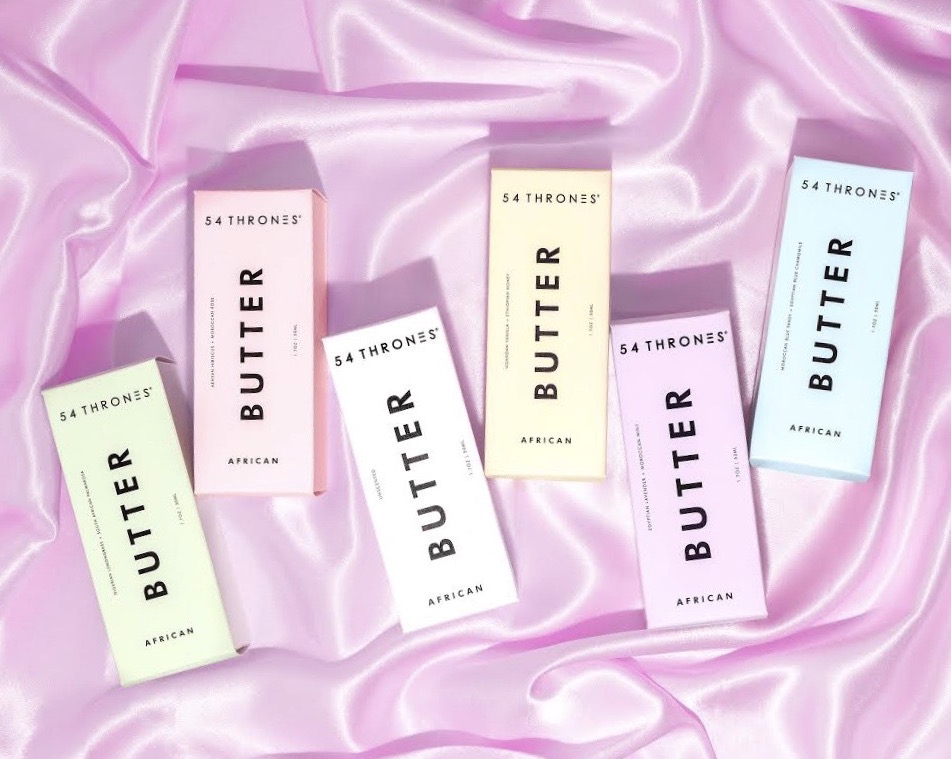
Li highlights 54 Thrones as a brand, which uses ingredients from Africa such as kigela extract, shea butter and marula oil, that incorporates culture-specific terminology well. “54 Thrones is a love letter to the 54 regal, diverse and beautiful countries of Africa,” she says. “My hope that is that what is now considered culture-specific terminology becomes commonplace verbiage. That is when we know that we as a society has truly accepted another culture as part of the mainstream. No one bats an eye when we encounter words like ‘linguine’ or ‘ricotta’ on a menu, but have a million questions when we encounter words like ‘injera’ or ‘congee.’
The players
5 mentionedAS Beauty

The Detox Market
Jupiter
August
Better Being