From Post-Surgery Products To Airline Goodies, 7 Beauty Trends That Soared At Uplink Expo
Along with retail buyers from Ulta Beauty, C.O. Bigelow, Ipsy and Bluemercury, Beauty Independent’s editors were on the show floor at event venue Convene scouting the best and most cutting-edge products. Below, check out seven trends that caught their eyes.
Beauty Independent recently ran a story on post-surgery scar care brand Motivo, which was founded by Jadis Montijo after he underwent gender-affirming top surgery. He’s one of several entrepreneurs building brands for issues developed subsequent to medical interventions.
Kaspars Eglitis was inspired to launch PrimePrometics, a brand specializing in skincare and color cosmetics for mature women, by the impacts of chemotherapy he saw in the patients of his oncologist father, especially eyebrow and eyelash hair loss. PrimePrometics sells a wide range of hypoallergenic makeup like eyebrow pencils and mascara formulated to be gentle to and supportive of hair follicles’ ability to regrow.
Ana Herrera started the brand Glow by Hormone University, previously called Glow Botanica, in 2022 following a harrowing medical journey that included six surgeries due to stage 4 endometriosis, which she was diagnosed with in her 20s. Post-surgeries, Herrera experienced surgical menopause.
She says, “I began talking to hundreds of women. I discovered that many shared a common thirst for knowledge and trustworthy products, yet they didn’t know where to begin.”
Glow by Hormone University, an outgrowth of educational platform Hormone University, has six products designed for key pain points of surgical and conventional menopause and to foster hormonal balance. Among the products are Lavender Thermal Pad for soothing cramps, Magnesium Lotion for assisting with sleep and stress, Intimate Hydrator for lubricating the vulva, and Period SOS Cream for fighting PMS symptoms like tiredness and anxiety. The latest product, Bloating SOS, was formulated to supply nutrients hormonal changes throw out of whack, causing indigestion, constipation and bloating.
Is longevity just anti-aging for biohacking bros? Perhaps, but beauty and wellness brands at Uplink Expo were all in on it. Calling itself a purveyor of “biohacking skincare,” Young Goose says its products “target skin bio-genesis” and “restore a youthful appearance.”
The brand partnered with another Uplink Expo exhibitor, Spermidinelife, to create a limited-edition $373 longevity kit containing spermidine-infused Youth serum and Youth cream as well as a 30-day supply of Spermidinelife’s Pro powdered supplement with spermidine, an ingredient derived from wheat germ extract purported to naturally induce autophagy, a protective process by which the body breaks down and reuses old cell parts for cellular repair or generation.
Early health nuts may remember wheat germ from the 1980s, when it was a popular supplement and smoothie ingredient. As gluten became public enemy No. 1, wheat germ fell out of favor with wellness-minded consumers, but no trend is safe from being recycled. Young Goose and Spermidinelife are giving wheat germ extract new life for longevity enthusiasts.
Founded by Izabela Serwan and her daughter Anna Serwan-Ohryzko, Elementa Mundi’s wellness products are informed by knowledge Serwan gained over two decades as a pharmacist. The brand’s longevity product, Tinct. No. 3 Vita Longa, has plant-based ingredients such as chokeberry, blueberry, rose, cranberry, wild rose, cherry, olive, hibiscus, cinnamon and grapefruit oil. It was formulated to slow premature aging and supercharge the body’s repair powers. Last month in Lubin, Poland, where Elementa Mundi is headquartered, it transformed an old-school European pharmacy into a chic event space and wellness studio.
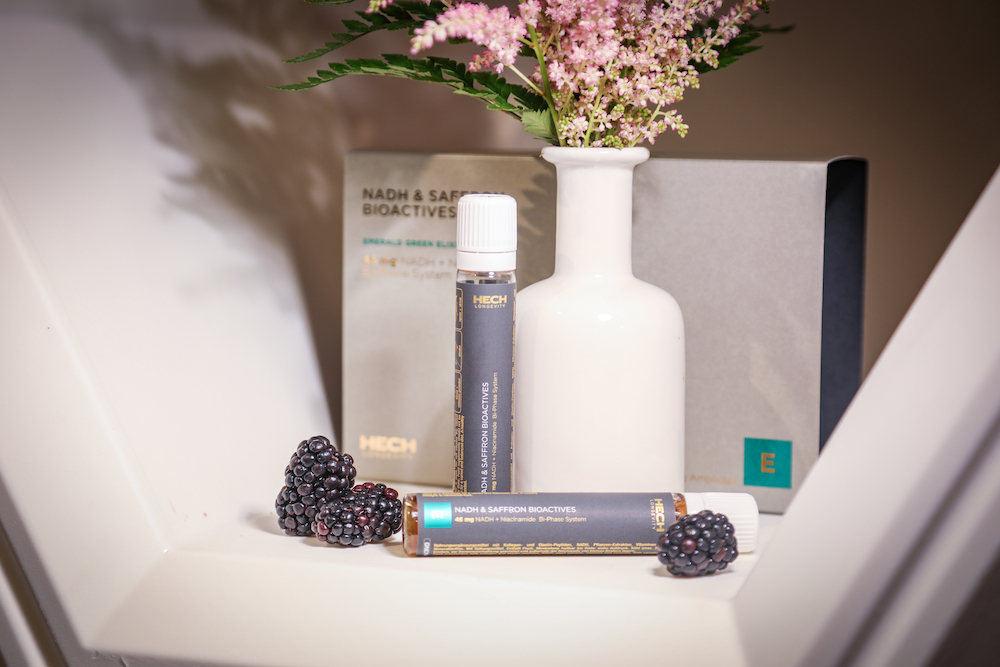
Another international longevity player, 40-year-old German wellness brand Hech is known for collagen products packed with beauty- and health-boosting vitamins and minerals. Its latest product, NADH & Saffron Bioactives, is squarely in the longevity space.
The elixir blends nicotinamide adenine dinucleotide (NADH), marine collagen peptides, spirulina and chasteberry for cellular energy and skin and connective tissue enhancement. To avoid decomposition of the delicate NADH in the formula by exposure to light, moisture and oxygen, it’s housed in ampoules that are mixed with the rest of the elixir right before drinking it.
Nostalgia was in the air at Uplink Expo 2024, with brands like Lovisia and Phoenix Rising Cosmetics showing off collections inspired by video game character Kirby and television show “Buffy the Vampire Slayer,” respectively. Lovisia offered everything from sheet masks to lip gloss in hard-to-miss bright pink packaging. The brand released a Pokemon collection and one inspired by the anime series “Detective Conan” in the past.
Phoenix Rising Cosmetics holds over 20 licensing contracts with major companies, including Disney, Sony and Hasbro. Founder Rachel Boese first branched into licensing in 2018. A few of the brand’s other licensed collections are associated with “Assassin’s Creed,” “Dungeons and Dragons” and “Silent Hill.” The “Silent Hill” and “Buffy the Vampire Slayer” collections are top sellers.
Boese says, “I realized that I could offer tremendous value, get to work with the brands and celebrities I admire, while also reaching a broader audience by tapping into existing fanbases.” She adds, “We choose license IPs that either myself or my team are fans of so that we can faithfully create products designed by fans for the fans,”
The majority of Phoenix Rising’s customers are millennials and gen Z. “A lot of the shows, movies and games we choose to feature have dedicated cult fan bases and are under merchandised,” says Boese. “Fans are literally looking for products to buy that feature their favorite movies and shows but resort to buy unlicensed merch because there isn’t anything or isn’t enough officially licensed merchandise.”
Phoenix Rising Cosmetics has doubled its advertising spend every several months, and the brand hit over $100,000 a month in sales last year. It’s in the process of raising a series A funding round with the goal of securing $4.5 million to expand operations, marketing and licensing deals. Boese projects the brand will reach $15 million in sales by 2027.
“Nostalgia is one of the strongest feelings I think most people experience in regards to the media,” she says. “Customers find validation and comfort in the media they consume, and when brands get it right, they find comfort and joy in the licensed products that are created.”
As it becomes tougher to achieve scale at retail, emerging beauty brands are exploring relatively untapped channels to reach customers. Sexual wellness brand High On Love shelled out 24,000 euros or approximately $25,000 for a Valentine’s Day-themed pop-up shop in Paris’s Marais district. The four-day pop-up featured the brand’s body butters, oils, scented candles and edible chocolate paint. The Canadian brand followed it up in May with a pop-up experience in Quebec City’s largest shopping mall, Les Galeries de la Capitale.
Hight On Love is planning more pop-ups in cities around the globe, including Milan, New York City and Toronto. Founder Angela Mustone explains the pop-ups serve a dual purpose: to introduce it to new customers and test markets for customer interest. She says, “France and Quebec are regions with diverse consumer bases, and the pop-ups provided valuable insights into local preferences and potential demand. This helps us tailor our strategies for future market expansion and distribution.”
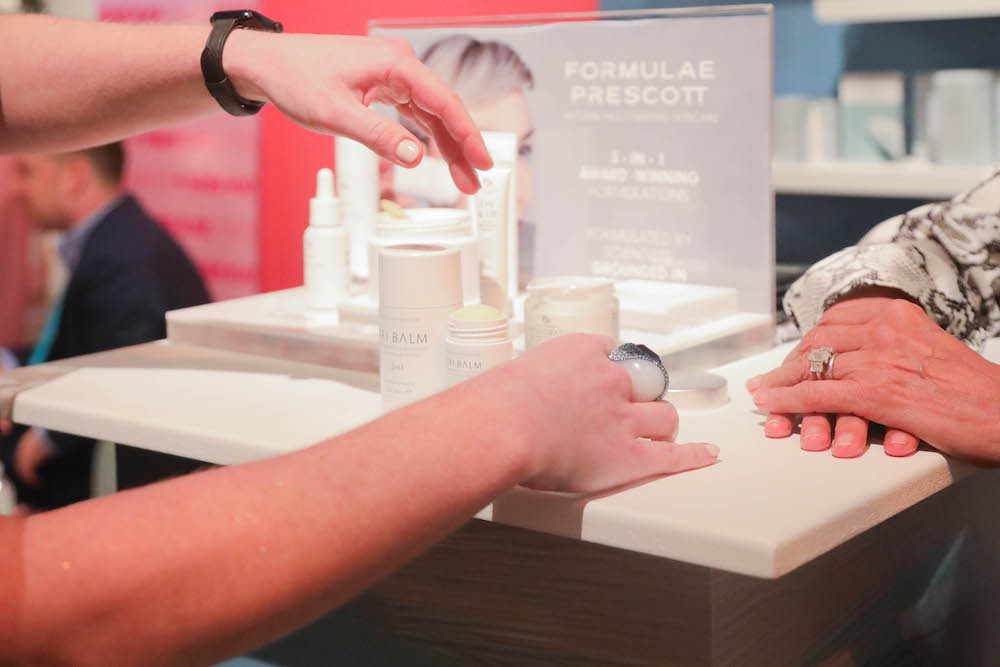
Stocked in Bloomingdale’s in the United States, Nocibe in France and John Bell & Croyden in the United Kingdom, British skincare brand Formulae Prescott is fielding escalating demand from international airline travelers. Its $42 mini Tri-Balm Stick, a three-in-one cleansing, moisturizing and exfoliating stick, is available for purchase on Emirates, Thai Airways, Virgin Atlantic, Singapore Airlines, Hong Kong Airlines, Vietnam Jet, Malaysian Airlines, Tiger Air, Air Macau and Aer Lingus.
According to founder Pauline Prescott, the brand sells hundreds of Tri-Balm products a month to its airline partners. “Our formulations are so easy for the traveling public to use and consumers want to travel with less products in their luggage,” she says. “Airlines are a less crowded space for beauty brands and consumers have more time to review products when they are sitting on flights, often for many hours.”
While airlines may be less inundated with beauty brand competition than retailers at the moment, Prescott mentions tight delivery times, varying business models and returns as challenges brands face working in the airline channel. She says, “You have to have a strongly received product or the stock will come back at the end of a listing period.”
From solid skincare to supplements and hair tools, Irish-founded beauty brands descended on Uplink Expo. Some were gearing up to break into the U.S. market, and others were looking to leverage mounting social media momentum to elevate their American presence.
Direct-to-consumer supplement brand Sisterly has landed retail partnerships in Ireland with Brown Thomas, Meaghers Pharmacies and The Merrion Hotel. In the U.K., it’s at Whole Foods. As it aims to tackle the U.S., the brand identifies consumer education and cost as its main obstacles.
“As a European brand regulated by the European Food and Safety Authority, our ingredients and marketing messages are very tightly regulated,” says Louise O’ Riordan, co-founder of Sisterly. “In the U.S., brands are allowed to use more novel ingredients and make extravagant claims. We will need to educate our customer about the quality of our nutrients, and we know that we need a huge marketing budget to do this. It’s expensive to rise above the noise in the U.S.”
Fueled by TikTok, where its Smooth Stick and 4-In-1 Smooth Styling Comb have racked up over 100 million views, hair tools brand The Smooth Company has sold products in every state in the U.S. through DTC distribution. Now, it’s striving to drum up interest from large American beauty retailers. The brand is currently available on Amazon and at Irish department stores retailers Arnotts and Brown Thomas.
“As a small, young team, we are agile and in tune with emerging trends, allowing us to develop products that are both trendy and of the highest quality,” says Eimear Kennedy, who heads marketing and business development at The Smooth Company. “Our ability to swiftly respond to market needs and provide top-tier solutions sets us apart in the crowded haircare industry.”
Products formulated to care for the scalp and promote hair growth are experiencing heightened traction in the market as consumers focus on hair wellness. During the first quarter of the year, sales of hair health products, including oils, serums, scalp care, heat protectants and hair loss products, ticked up between 13% and 25%, according to the market research firm Circana. Sales of prestige scalp care products rose 36% for the year ending in May, outpacing the performance of the overall haircare category, which increased 9%.
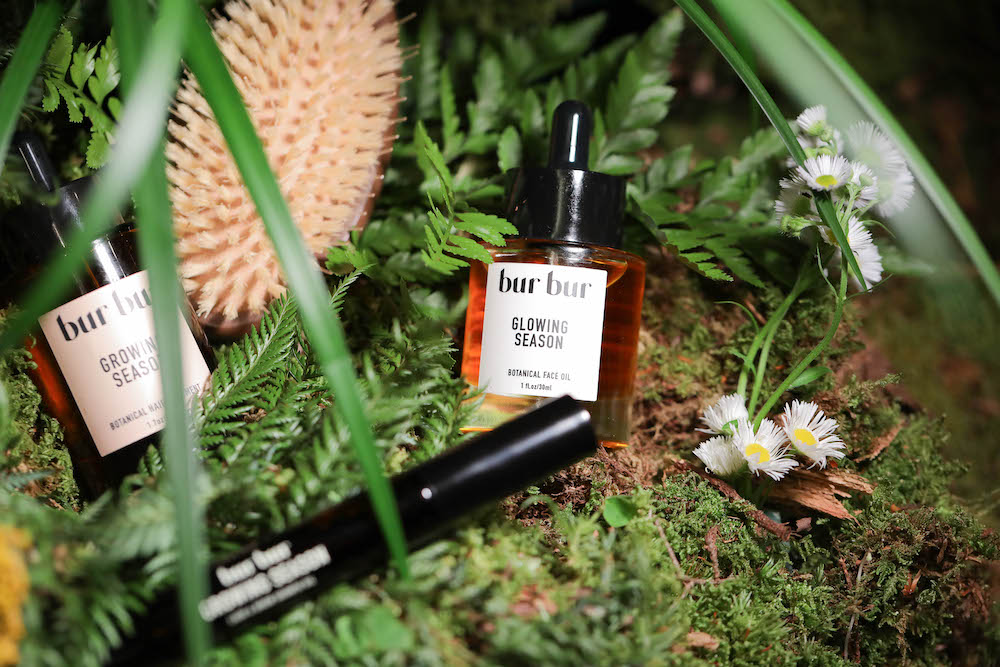
Reflecting the trend, the brands KilgourMD, Lapcos, Prime Prometics and Bur Bur are doubling down on hair wellness products. “People have neglected scalp care for a long time, relying on generic shampoos without understanding what’s good for their hair or even knowing their hair type,” theorizes Ksenia Zaytseva, co-founder of Bur Bur. “With more information available, people are educating themselves more. We think the industry will grow, and we really hope natural products will reign supreme in this trend.”
Bur Bur’s $56 Growing Season Hair Growth And Repair Oil’s active ingredient is burdock oil, a botanical that’s been used across Europe and Asia for hundreds of years for its antioxidant and anti-inflammatory properties. The brand nexts plans on launching an at-home derma roller tool for the scalp to stimulate hair growth.
KilgourMD is equally bullish on growth of the hair wellness category. A dermatologist-backed haircare brand, it offers a two-step system with The Treatment Scalp Serum and The Prevention Scalp Serum aimed at fortifying the scalp agains hormonal, environmental and age-related stressors that can lead to hair loss. A bundle with the products is priced at $150.
In clinical trials, KilgourMD’s natural ingredient-based The Treatment Scalp Serum has been shown to outperform minoxidil 2X by increasing hair growth 200%. The Prevention Scalp Serum demonstrated a 30% decrease in hair shedding.
When Valerie Obaze moved from the U.K. to Nigeria around 14 years ago, she realized a lot of the cosmetics she used hailed from elsewhere in the world. “It didn’t make sense to me that every time I wanted to get a new product, I’d have to go to the supermarket and look for something that’s been imported when we had so many amazing natural ingredients that were indigenous to that part of the world,” she says.
Specifically, Obaze noticed shea butter she slathered on her children was imported. She recalls, “It just got me thinking about turning this raw material into a finished product and sharing it with people that I knew, using it for myself and my family, and then sharing it with others, which is how this business began.”
The business she’s referring to is R&R Skincare, a brand with shea butter as its hero ingredient. It pairs shea butter with other ingredients indigenous to Africa like baobab oil and lemongrass. R&R Skincare gets its shea butter from cooperatives at Women of the Savannah Development Project where they work in cooperative groups.
Obaze explains, “They’re not employees of R&R, they work for themselves. They use our facilities to produce, and we buy the product from them after that. Our plan is to develop them so that they are self-sufficient and provide them with life skills that will give them year-round earning opportunity.”
Of Keeper Beauty Co., the brand she founded in 2018, Sekai Muscutt, who lives in Canada and is from Zimbabwe, says, “Often finding myself as the only disabled beauty founder in the room, I felt compelled to create a brand that not only heals through skincare and self-care, but also advocates for inclusivity in an industry that doesn’t always cater to diverse experiences,” she says.
Keeper Beauty Co. features ingredients such as mungongo, xemenia, marula, baobab and kalahari melon seed in its oil products, including forthcoming body care product, Resurrection Bush Oil. While African ingredients aren’t uncommon in beauty brands, Muscutt believes their origins and cultural significance hasn’t been sufficiently spotlighted.
“As a founder of African origin, I am deeply committed to championing African ingredients in beauty and advocating for their rich narratives,” she says. “By fostering greater awareness and emphasizing the unique benefits of these ingredients, we can elevate their presence and appreciation within the global beauty landscape while ensuring they are respected and utilized responsibly.”
Click here to learn more about exhibiting at BITE NYC 2026.
The players
5 mentionedKilgourMD

Too Faced
iS Clinical
Formulate
Momentous