Beauty's Sustainability Conundrum: Can It Break Its Obsession With New Products To Increase The Uptake Of Refills?
“Traditionally when brands tout a sustainability claim, they might do something across the board like glass packaging,” says CEO and co-founder Lisa Guerrera. She argues the across-the-board approach doesn’t account for the nuances of products, where they’re manufactured, how they’re shipped and how consumers interact with them. For those reasons, the brand views sustainability from an individual product perspective.
Experiment’s three products feature distinct eco-conscious packaging. Its reusable sheet mask is constructed from stretchy silicone, and its oil-gel moisturizer is housed in a recyclable plastic bottle made from 50% post-consumer recycled (PCR) plastic content. Each product undergoes a life cycle assessment (LCA) conducted by sustainability data platform Bluebird Climate to establish the packaging with the smallest possible environmental footprint based on consumer habits and municipal recycling streams.
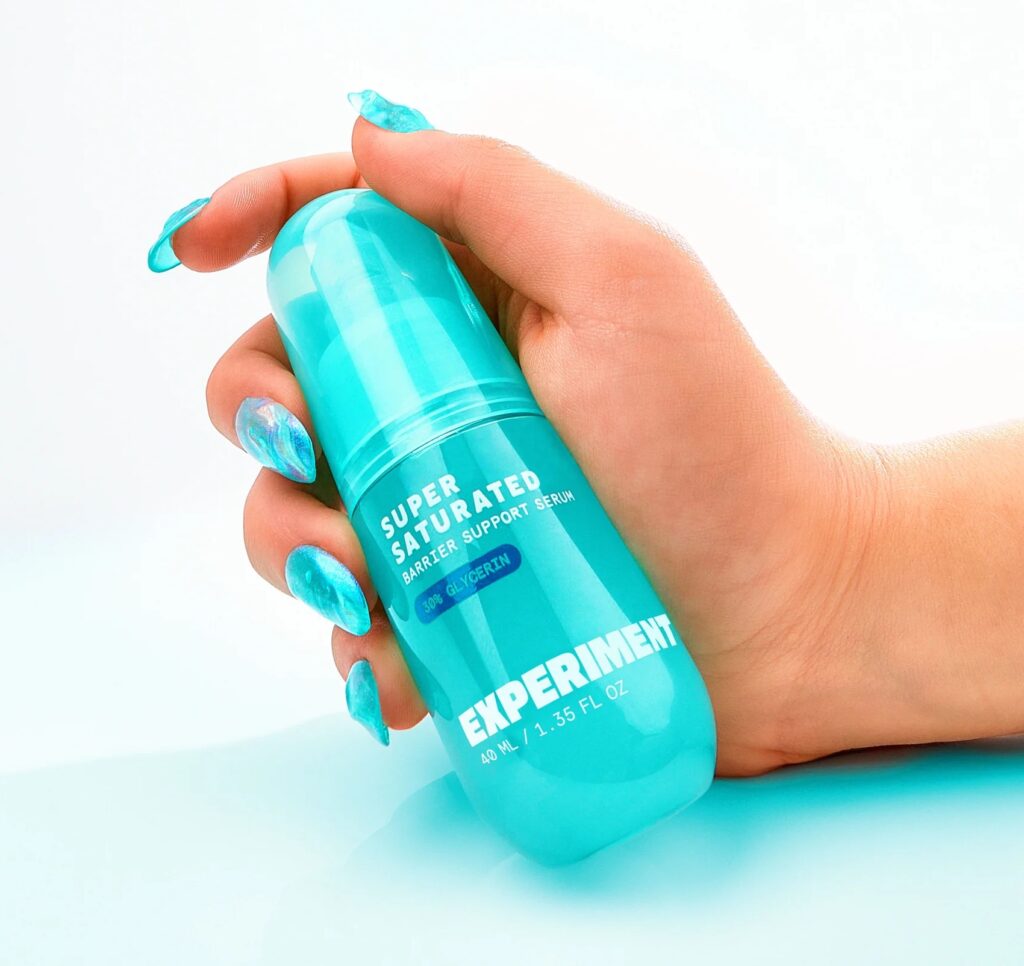
When Experiment vetted packaging for its third product, the bestselling Super Saturated Barrier Support Concentrate, Guerrera concluded from the LCA that refillable packaging was the way to go. The only problem was deciding the exact refill container that would have the best chance of actually reducing waste and keeping customers returning to the product.
Super Saturated’s refillable packaging works by unscrewing the pump and cap from an empty bottle and screwing them into the refill bottle without a pump and cap, and recycling the older bottle and aluminum cap. The bottle has 40% PCR plastic content, and the refill is approximated to reduce product waste 32% and emissions 29%. At $25, buying the Super Saturated refill is cheaper than buying the $28 Super Saturated product for the first time.
“Small plastic bottles tend to end up in landfills because pumps can’t really be recycled,” says Guerrera. “The only other options were a larger volume pouch option or a service cap system.”
Unlike Experiment, Carly Snider, program director at beauty recycling nonprofit Pact Collective, says brands usually treat sustainable packaging as a one-size-fits-all project. Although she asserts that “refill and reuse [are] the gold standard for beauty packaging,” not every refillable or reusable product has identical environmental advantages or disadvantages, and refills are by no means a sustainable panacea. Amid the complexity, brands must make difficult choices, and it’s not always straightforward to communicate about them to consumers.
Brandon Frank, president of stock and custom packaging company Pacific Packaging Components, says, “The packaging industry is equating refillable packaging with sustainable packaging, and sustainable packaging options don’t exist within a vacuum. It’s always in comparison to something else.”
Refills can provide reuse options to address the waste of hard-to-recycle components like small caps and mixed material pumps, but, if consumers don’t stick with them or product formulas aren’t suited to the format, refills can instigate more waste in the long run. Refills strive to combat the beauty industry’s drive to introduce the next big thing and entice consumers to switch to new products. Simultaneously, they’re encountering retailers’ hesitance to dedicate shelf space to bulky refill products that can lack eye-catching colors and luxe details and aren’t being snapped up as much as non-refillable products.
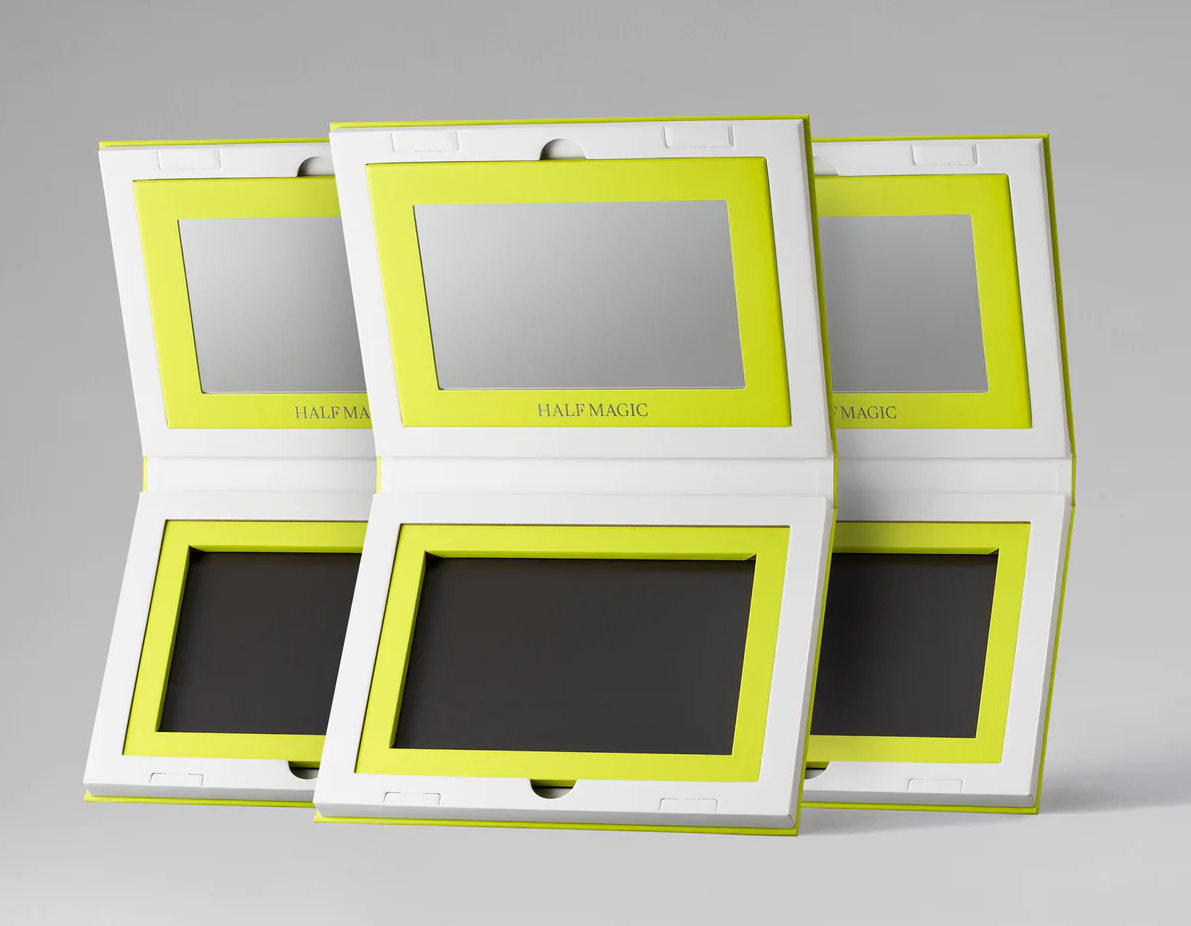
Even in-demand social media darlings like Half Magic, the cosmetics brand founded Emmy-winning makeup artist Donni Davy of Euphoria fame, are receiving pushback on refillable products. When Half Magic landed at Ulta Beauty in August, the retailer didn’t put the brand’s refillable, recyclable and customizable Forever Palette on its shelves.
“They are online-only as an upgrade,” says Half Magic GM Michelle Liu. “One of the things we did do with Ulta is create a special endcap display of our compostable compacts and put language around what you do with them and how they work with the bigger concept.”
Some brands stick to the direct-to-consumer model for refills, while others turn to unconventional stores willing to invest in refill architecture. Rebrand Skincare, a brand selling refillable skincare merchandise, has skipped traditional beauty retailers altogether and concentrates on independent refill supply stores. Rebrand is available at 24 locations.
“These refill shops have been our fastest growing area, and we’ve leaned into that,” says founder and CEO Aubri Thompson. “We have two target audiences: People who are trying to live a low-waste lifestyle, but want to have a nice skincare routine, and beauty people who are interested in reducing their waste, but are really focused on the efficacy of their product.”
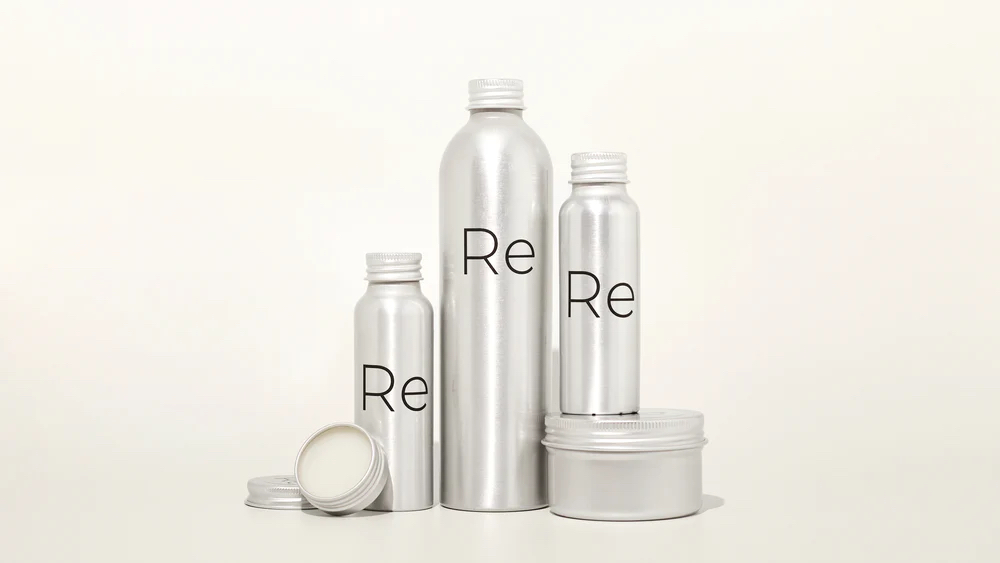
Rebrand uses glass primary packaging and aluminum refills sized to refill the primary glass packaging twice. Aluminum is one of the easiest materials to recycle. According to Thompson, the aluminum refills cost her around $2 a unit. Factoring in Rebrand’s glass packaging’ screen printing and unit cartons, the aluminum refills end up around the same cost to the brand as the primary packaging, even at 2X the size of the glass packaging.
“Anything that’s larger than your initial unit, you do typically have better margins on and hopefully you pass that on to the consumer,” she says. “I’ve seen some refills that are the same retail price as the initial [product] and that doesn’t make sense to me.”
Rebrand’s refill strategy seems to be working. Last year, it had a 35% customer return rate, and Thompson says that, of the 35%, over 90% ordered refills instead of a new primary bottle. Sales last year doubled from the previous year, and Rebrand’s business is on track to keep pace in 2023.
Credo’s customers are intrigued by sustainable packaging, but the clean beauty retailer believes refill remains a nascent proposition. In an email, Credo senior merchants Meghan Lim and Elizabeth Albrecht, write, “We wouldn’t say that the category is underperforming purely because refillable packaging hasn’t reached its true potential just yet. The packaging industry is still continuing to innovate, and as a merchandising team, we’re continuing to see new packaging concepts that are both exciting and promising.”
In a conversation with Beauty Independent, Lim elaborates, “We absolutely see so much potential for refills, but now it’s more so looking at it and saying, ‘Hey, by making this a refill, are we actually using more plastic in the process?’ I don’t think that there’s any clear-cut answers yet.”
Lim and Albrecht point to brands like MOB Beauty, which eschews plastic and sells a refill case made from a mono-material pulp fiber that can break down in dirt, as moving refills forward. “To see brands pushing the envelope in other ways outside of plastic refills is very encouraging,” write Lim and Albrecht.
With consumers intrigued with, but not jumping on refills, they’re chiefly appropriate for products with high replenishment rates or subscription models. High rates of repurchase are essential to offset excess carbon emissions produced by manufacturing and shipping refillable packaging designed to be durable.
Allison Kent-Gunn, a cosmetic packaging sales director and social media sustainability influencer who goes by Allison Turquoise, says, “There’s a tendency from the consumer and the brand standpoint to think, ‘Oh refillable packaging, great, I buy it once, and I’m making the sustainable choice,’ when, in reality, if you just purchase one initial purchase of a refillable, it usually uses more materials and more greenhouse gas emissions during production.”
Commonly, Kent-Gunn underscores that consumers must purchase refills a minimum of five times in order to realize savings on emissions or waste. “With their purchasing habits and beauty routine, most consumers aren’t loyal to one given product,” she says. “Considering consumer behavior as a whole, when it comes to their beauty purchases, it doesn’t align with how many repurchases they would have to make of a refill system to see the sustainability benefits.”
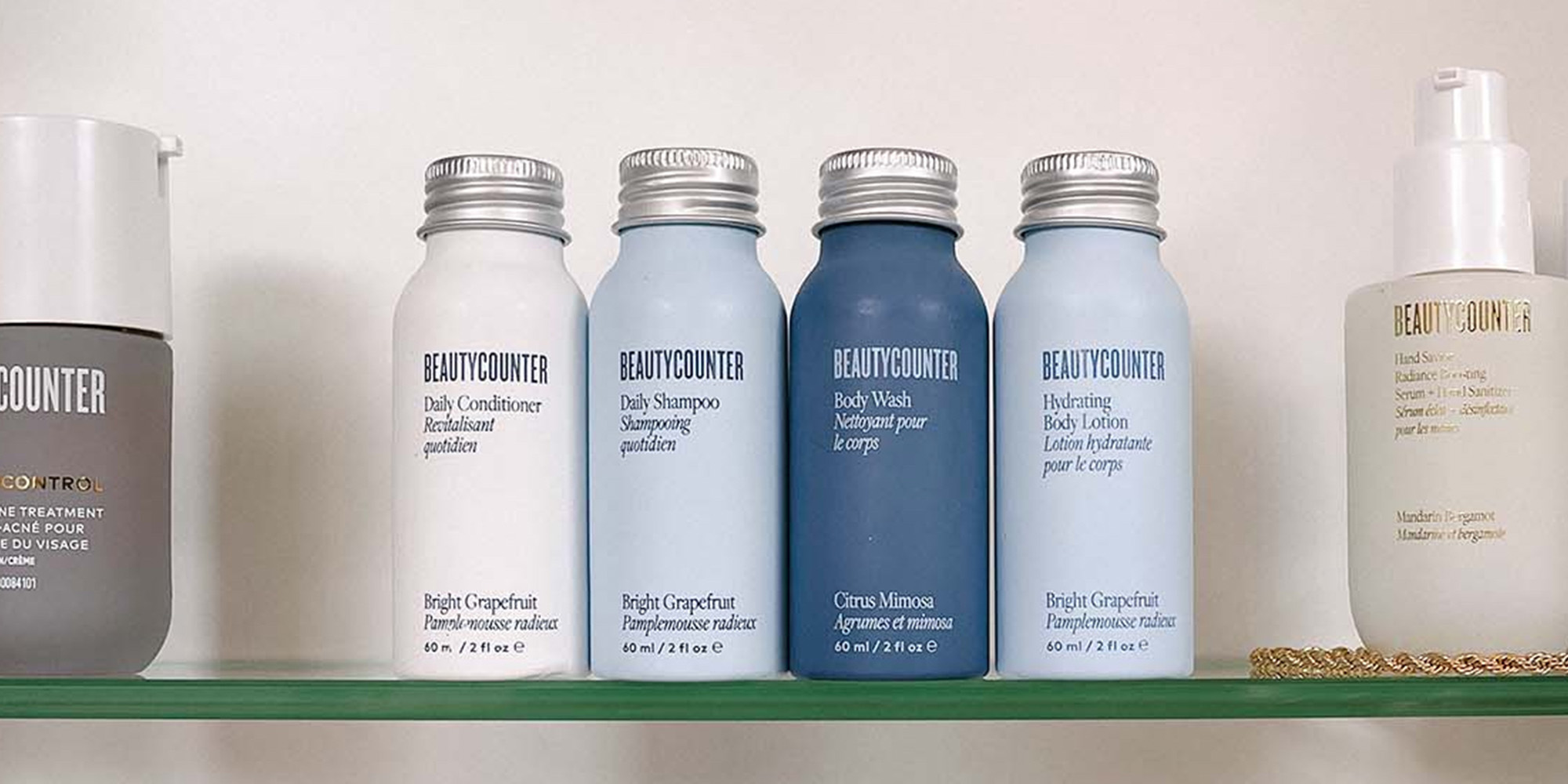
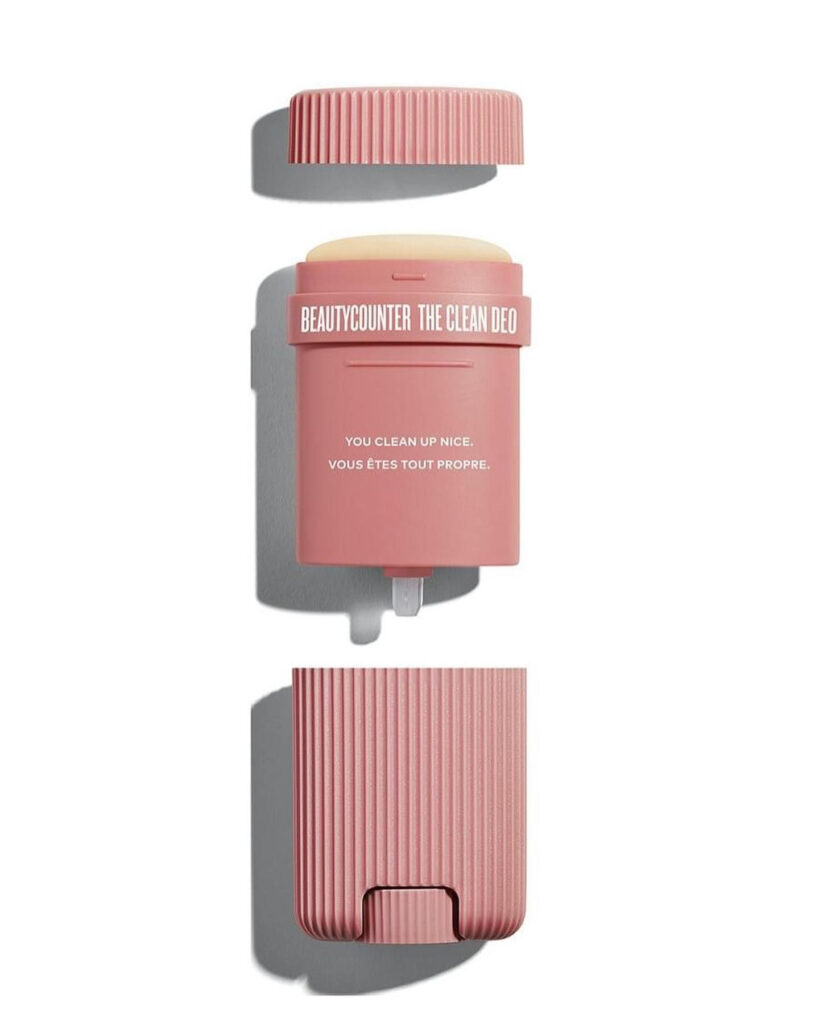
The beauty brand Beautycounter, which plans to have 100% of its packaging recyclable, refillable, reusable or compostable by 2025, regularly conducts LCAs of products and those assessments are combined with its marketing experts’ understanding of consumer behavior to determine packaging. That combination has led to shampoo, conditioner, hand wash, body wash, deodorant, cream blush and highlighting balm, all products with high replenishment rates, being placed in refillable containers. Sustainable software Eco Impact Compass has estimated Beautycounter’s refillable deodorant reduces water, fossil fuels and greenhouse gas emissions 47%.
There are plenty of brands that deem refills aren’t right for them. With its emphasis on traceable ingredients and 100% PCR bottles, Ritual might appear to be a slam dunk for refillable packaging. Chief impact officer Lindsay Dahl mentions it’s a route the supplement brand explored in the past. Specifically, the brand investigated refill pouches, but testing of the films used in them revealed they compromised the integrity of supplement nutrients.
“That is why we haven’t yet launched refill pouches,” says Dahl. “If we launch a refill, the overall carbon and waste wins are pretty dramatic, so a refill model is incredibly compelling, especially for a subscription-based business, but people want to know, if they are paying a premium for their vitamins, that they’re still going to have the intended benefits at the end of their shelf life. As soon as we can crack that nut, we’re really excited to bring those results to the market.”
Packaging suppliers have evolved refill packaging beyond pouches to smart pods and airtight inserts that allow brands to transition a greater number of formulas than ever before into refill formats. However, just because packaging variety exists, doesn’t necessarily cause refills to make sense for a brand’s product. Frank explains that brands often get so laser-focused on the refill portion, they forget the fundamental purpose of packaging.
“The most important part is that the packaging performs the way it’s supposed to because, if it leaks or is really difficult to interact with, then there’s no way that product line is going to be successful,” he says. “You really need to make sure that the package is going to function properly for the customer, that it’s going to protect the product during transport. We’ve seen a lot of failings in e-commerce here that we’ve had to fix.”
With brands facing hurdles, evaluating refills can be daunting. There’s a growing group of companies attempting to assist them as they weigh sustainability issues. Bluebird’s data, for example, can guide them as they think about the upsides and downsides of eco-conscious packaging. An LCA by the company takes six months or more and costs $5,000 or above.
Bluebird co-founder and CEO Jamie McCroskery says, “That’s too slow when you’re making rapid decisions during product development. We spent two years creating data technology that models out how all these products are made and mapped out all the different types of packaging and how they are made, where the materials come from.”
As McCroskery details, brands can change variables to fit their products and examine the environmental impact and replenishment rate of a specific refill system for them. By utilizing the data, brands can receive a comparative analysis of their packaging choices. Pricing for Bluebird’s data modeling starts at $1,000 a year.
Frank stresses that brands should analyze packaging alternatives based on real-world scenarios to grasp their impact. “If we were to take a product that was in a 100% PCR PET bottle and move that into an airless unit with replacement cartridges, the negative effect from an environmental standpoint—increased carbon emissions, increase in packaging waste—both went up compared to the previous packaging format, but now that they’re in refillable packaging, they can kind of tout a more sustainable story,” he says. “From a marketing standpoint, it sounds good, but from an actual life cycle analysis [incorporating] carbon emissions [and] packaging waste, it’s actually worse for the environment.”
If brands aren’t telling an accurate story, how can consumers comprehend the complexity of refills? Consumers generally are in favor of sustainable packaging efforts. A recent report by Trivium Packaging shows 82% of consumers across all age groups exhibit a willingness to pay a premium for sustainable packaging. But getting them to adapt to packaging without the bells and whistles of luxury packaging can be a challenge. “When a lot of us are shopping for a beauty routine, we are shopping very visually,” says Kent-Gunn. “Consumers want all the beauty and aesthetic that’s associated with that price point they are paying.”
Unfortunately, the bells and whistles of luxury packaging can yield more waste. “We need to rethink what ‘luxe’ means for our industry,” says Pact’s Snider. “Oversized, over-decorated components that are used once are not the path forward, and consumers are quickly understanding that these packaging types don’t equate to the added value of the quality of the product.”
For brands and consumers, there aren’t simple solutions to achieve packaging that’s better for the environment, whether involving refills or other options. “It’s easy for the conversation and the pendulum to swing, either saying refills are the best thing, they’re the most sustainable or refills are a joke and they’re not sustainable at all. And the answer to any question related to packaging sustainability is, ‘It depends’,” says Dahl. “It depends on how you design your product, how it’s distributed. The best thing a brand can do is use science to help drive those decisions.”
The players
5 mentionedToo Faced

Better Being
August
Ritual
Beautycounter