Beauty Packaging Design In The Age Of Omnichannel Retail
During her Designing Packaging For Omni-Channel Beauty Consumers presentation at the expo showcasing suppliers to emerging brands, Koetting focused on the importance of physical and visual design. Packaging, with its humble origins in simply protecting and preserving products, now plays an outsized role in beauty spanning the retail experience, social media, video formats, public relations, mainstream media, e-commerce and at home. Koetting argued, “There is no better investment in marketing than through the right packaging.”
For MSLK, better design means improving the consumer experience. “I have a background in design and the creative side,” Koetting later told Beauty Independent. “I understand why founders base a lot of decisions on, ‘Well, this is what I like.’ I get that. My job is to apply some business principles and structure to the creative process. It’s a combination of style and substance. Style opens the door. Substance is what creates a sustainable business. The goal is to take what is primarily subjective—’Hey, I like it.’—and judge it objectively.”
In its nearly 20 years of operation, MSLK has worked with a variety of brands large and small, including Maybelline, Sephora, Ouidad and African Pride, to create brand strategies and design. “For larger brands, I consider us brand archeologists. We research every aspect of the customer experience. I found that, if you only listen to a big brand’s marketing department, which is so close to the subject day in and day out, you may throw out the baby with the bathwater,” said Koetting. “What struck me most about independent brands was something I heard at my first BeautyX Summit: The highest moment of risk is when a new brand is sitting on a load of inventory. If that’s the case, it better have the right packaging.”
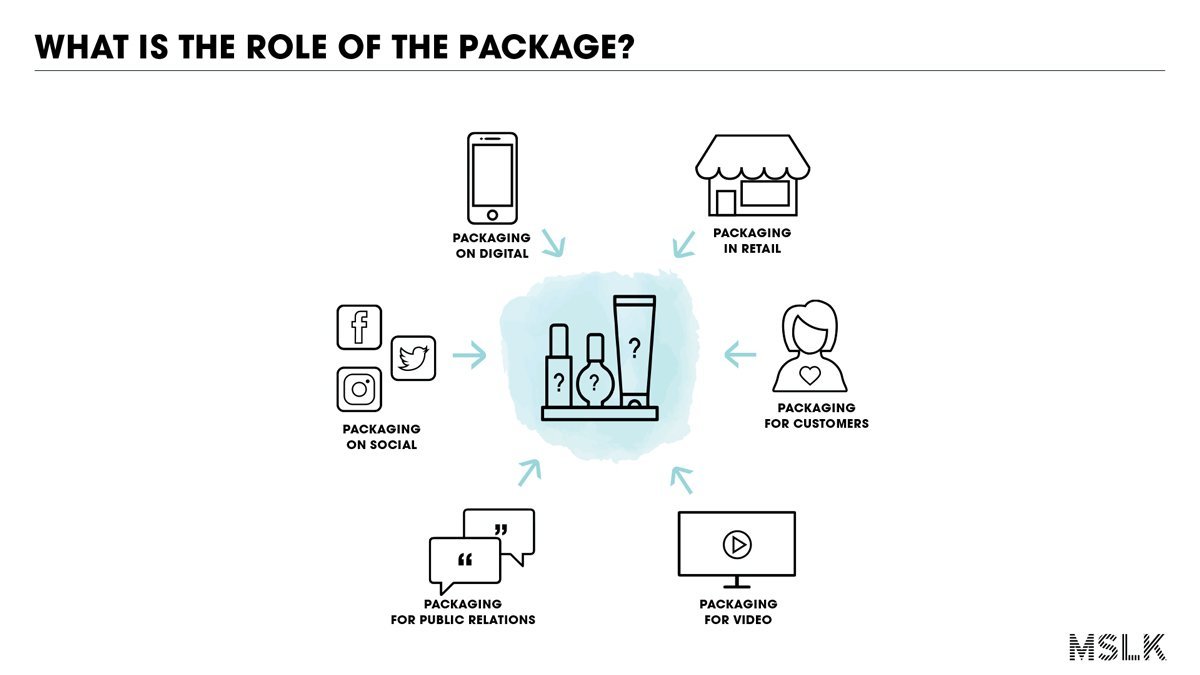
At Uplink Live, Koetting tailored the presentation around the needs of rising independent brands and emphasized the following points:
Start With The Customer Profile: The process of developing the best design begins with consumer profiles, and how a brand’s point of differentiation fits into their needs and lifestyle. “There’s never been a better time to be an independent brand because you have the means to find and establish if there is a customer for your product,” said Koetting. While brands struggle with the idea that they have to break new ground for a revolutionary product, the reality is not so daunting. The main challenge is to establish why the new entry is a better alternative to an existing offering. Understanding how the consumer views the product, and is willing to share her positive experience with a community of like-minded people, will inform brand positioning, story, and design.
Research The Retail Experience: With the majority of beauty sales coming from brick-and-mortar retail, the channel is anything but dead. From Koetting’s perspective, however, the principle target is today’s omnichannel consumer. Omnichannel consumers spend 4% more than their single channel counterparts during each retail shopping occasion, and 10% more online during each shopping occasion.
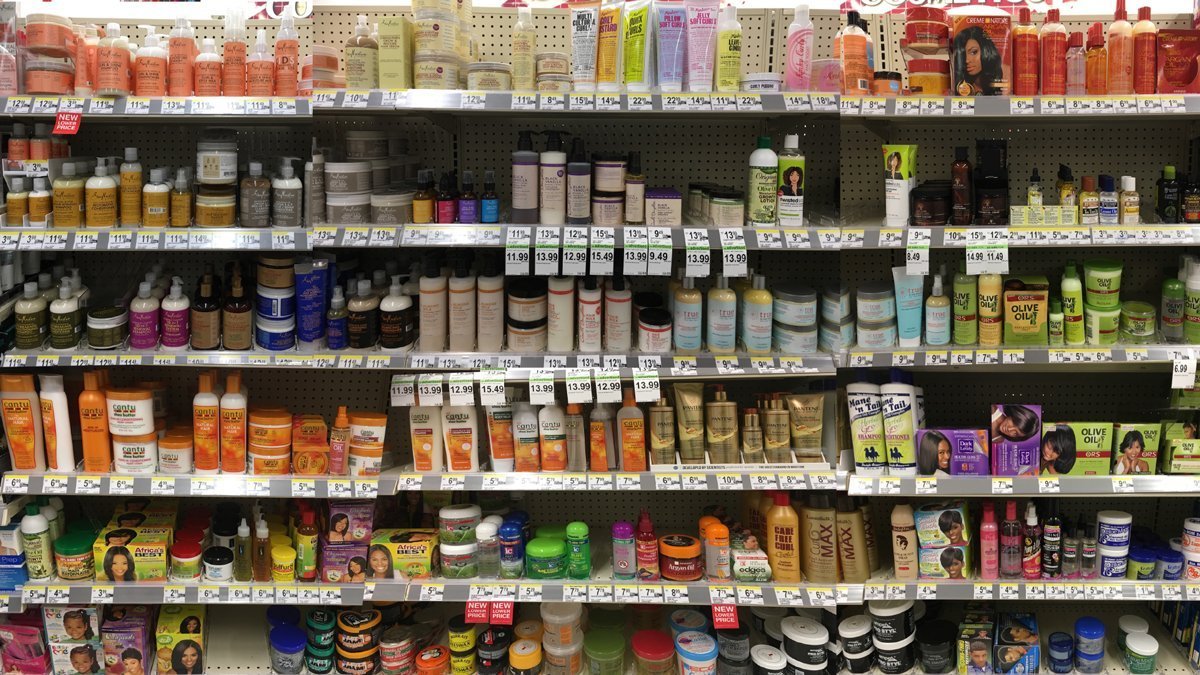
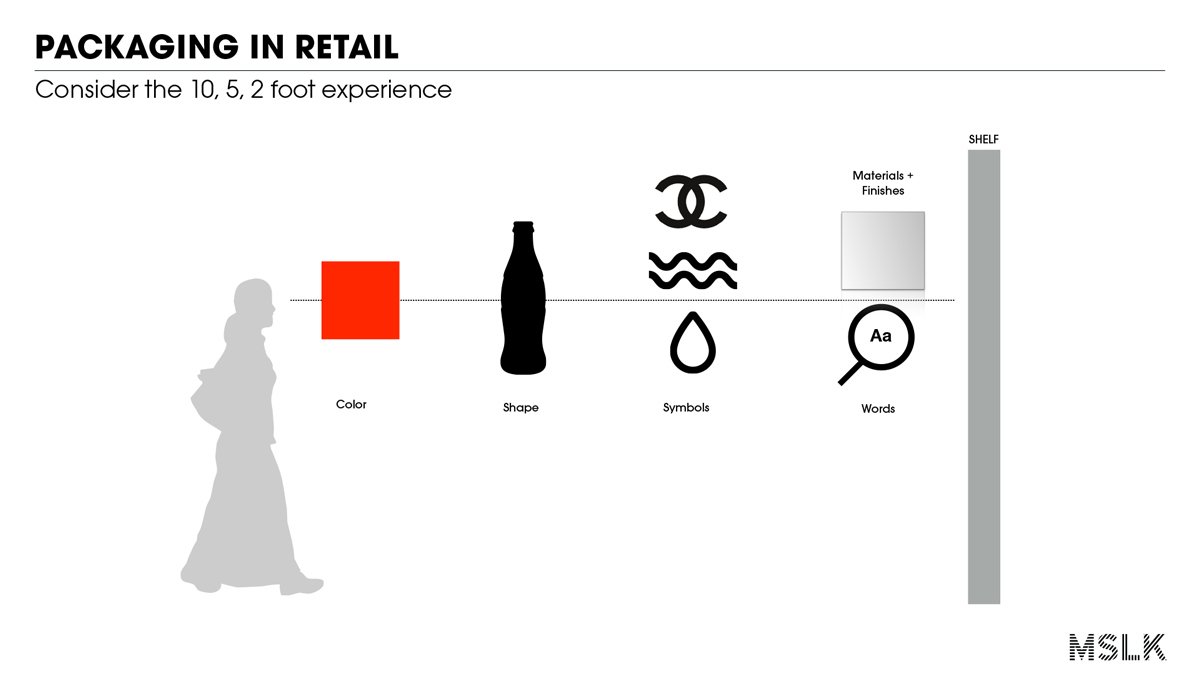
When a brand is engaged in direct-to-consumer marketing on its own website, it can control the complete consumer experience. Retail is different. “Maybe you can control your retail display, but really the retailers are in control of that customer journey. You need to prepare your brand to stand out from the competition,” said Koetting. “The retail experience can be overwhelming and the consumer uses a particular sequence to decode all that noise. From 10 feet away, she is looking for color. From five feet out, shape. From two feet away, her eye will catch symbols and, up close, it will be finishes and words.” If the finish and words do their job, the chance for a sale is within reach: 41% of consumers who pick up a product from the shelves end up purchasing it.
Color: Eye-catching color helps on retail shelves, but it also needs to translate to other channels.
Shape: Custom molds that convey the type of product or unify a range of products add a key advantage.
Symbols: Icons and labels are effective ways to convey product attributes such as hydration and applications for curly hair or seals of approval like Leaping Bunny and USDA Certified Organic.
Words & finishes: Language conveys benefits and personality. Special finishes increase the desire to touch. Koetting declared, “If you have to say luxury on your packaging, you’re probably doing it all wrong.”
Get Ready For Digital: “Last year e-commerce beauty sales rose by $1.6 billion, and fell at retail by the same amount.” Decoding digital behavior starts with search and so words—products names and attributes—hold a place of primacy for an effective online sales approach. “Names that convey something get more clickthrough,” Koetting explained. “If you’re an indie brand trying to create awareness, you’re going to want to use your name to create leverage about your brand story and brand value.” After the name, the same principles of the retail experience apply, but they are now compounded by scale. Does the design stand out and read strong when reduced to a small image in a competitive array on desktop and on mobile? Finally, the last consideration for digital selling involves the consumer experience when the package arrives at their home, ready to be opened.
How Social Media Influences Beauty And Beauty Products Influence Social Media: The unboxing experience matters. “A recent study found that consumers spend 45 seconds unboxing, unwrapping and unpacking their e-commerce delivery,” said Koetting. “That’s 45 seconds of quality time that you have with the customer to tell your story. The insert, the graphic, the materials (no more bubble wrap!) all matter. And it can compel them to share their experience and produce user-generated content.” When the package and aesthetic are in step with consumers’ tastes and lifestyle, photos and uploads to social media will not be far behind. They contribute to the online lifecycle of a brand. Most beauty consumers do online research before purchase, and they trust user-generated content seven times more than advertising and sponsored content.
Media And Public Relations: Beauty editors are not unlike influencers in their desire for colorful packaging and easy-to-read type that generate good photography. Koetting stressed that brands should try to avoid predominantly white designs that blend with white backdrops often used for still lifes and reviews. Another rule of thumb is to avoid metallics. Koetting said, “Photographing them without glare is very challenging. They are so hard to read some brands resort to CGI graphics in place of photography.”
Not Ready For Video?: Three considerations loom large when it comes to products being filmed for home-shopping television or influencer videos: jewel tones for color; visual cues and symbols that equate to product function; and forms and applicators that appear simple and intuitive. Content creators fumbling isn’t exciting content. Koetting said, “Consider, how easy is this to use and demonstrate on live TV?”
“All these rules can be broken. A big brand like Shiseido may take a different path because it can rely on legacy,” Koetting shared with Beauty Independent. “The approach for a young brand should be on protecting their inventory risk. A small in-house team could get lucky the first time around like finding the perfect pair of jeans at a sample sale. So, the strategies I presented can be used by anyone to do better evaluations and interpret feedback. It’s also a demonstration that you don’t have to figure it out by yourself, and you can trust the results from the right brand strategist.”
The players
5 mentionedBetter Being

AS Beauty
Bubble
Momentous
Target