Beauty’s New Transparency Isn’t About Ingredients. It’s About Money.
“Hot Smart Rich” podcast host and investor Maggie Sellers Reum, who’s forecast for this year predicted founders would increasingly disclose financial figures, explains financial transparency adds a human element to brands and strengthens connections with their audiences. She says, “In the world of AI and algorithms and automation, being relatable and showing the messy sides of building a business and having humanity is going to become more important than ever in every single capacity, especially as we move more into the next stage of the attention economy and the pure saturation of the media space.”
Sellers Reum’s podcast is part of the push toward greater financial transparency. “Hot Smart Rich” guests must be willing to disclose numbers. For example, in a September episode, Arrae co-founders Siff Haider and Nish Samantray laid out that their brand is driving $100 million in sales. Sellers Reum says, “That level of transparency is not only going to be mandated by consumers, but it is going to be mandated by the now gatekeepers of people that have real distribution like myself because it’s something that allows you to stand out.”
Donna Lopez, founder and CEO of marketing agency Making Lemonade, underscores that strategically disclosing financials can stoke interest. Depending on the numbers disclosed, they can signal momentum for brands, attract investors and advisors, and create cultural cachet with consumers who want to feel early to something that’s working. Lopez says, “In that sense, transparency has become both a trust lever and a marketing accelerant.”
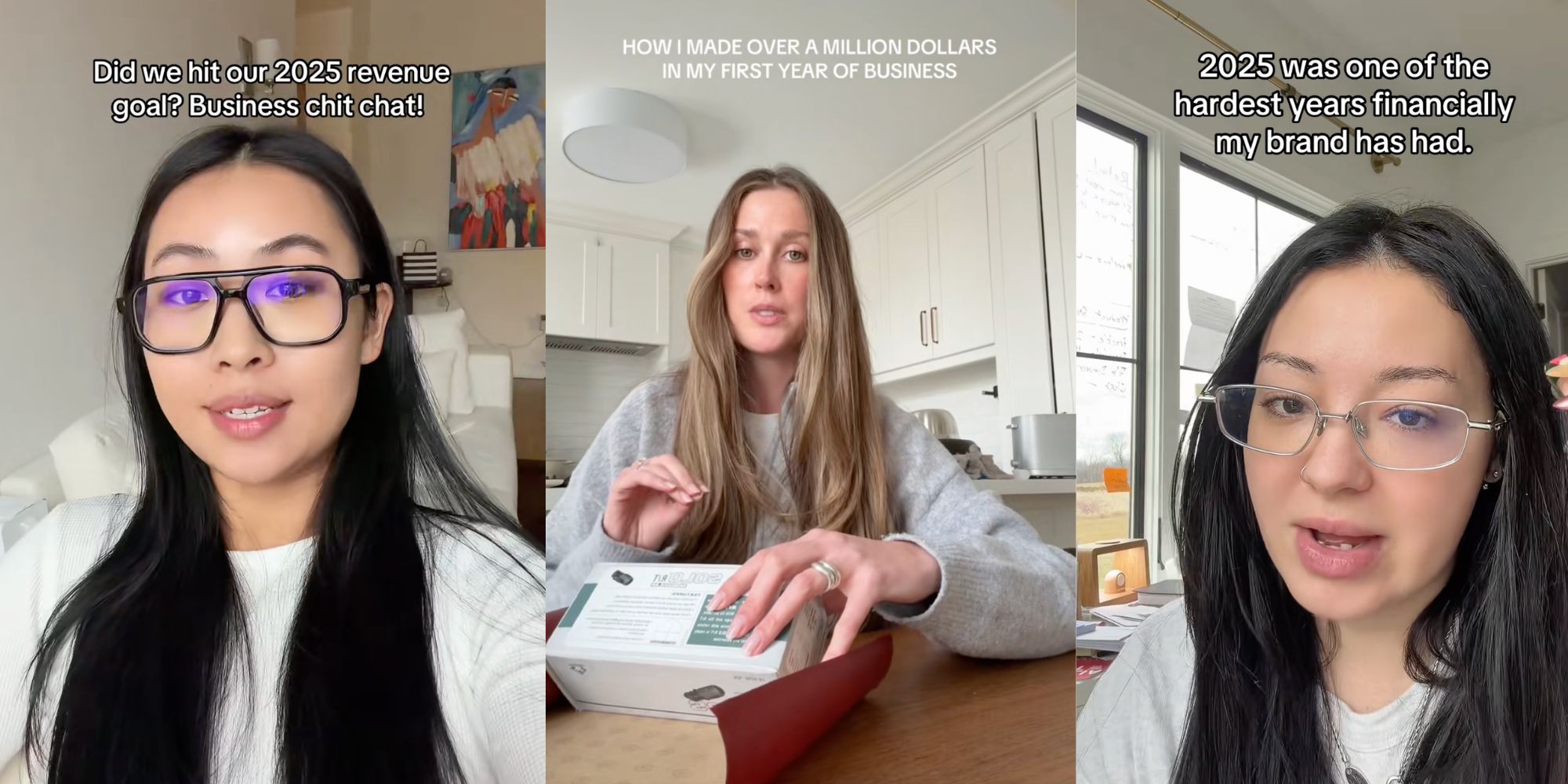
Michelle Hu, founder of Etoile, says she began building her beauty accessories brand in public five years ago to document it “with a narrative that was very real and sometimes messy.” Because she was an investment banking analyst before launching Etoile, talking openly about finances came naturally to her. One of Hu’s most popular behind-the-scenes TikTok posts, which racked up 313,000 views, focuses on her decision to leave a $200,000-a-year job to grow Etoile. In another post, she acknowledges that Etoile fell short of its 2025 revenue goal of $10 million.
Hu refers to her #businessjourney posts as a moat and a unique point of difference for 7-year-old Etoile. She says, “You get people who want to grow with you as a brand, and they really root for you because they can see the brick by brick building approach that we take.”
There are downsides to being open about business matters, though. Once finances are disclosed publicly, it can be difficult to rein them in. Dupes of Etoile have hit the market, and Hu wonders if that’s due, at least in part, to information on social media about the success of the brand. Sellers Reum mentions that disclosing numbers can conflate perceptions around how much a brand spends on an influencer or retail partnership without nuance around working capital needs and expenses. “There’s an expectation and a target put on you,” she says.
Naomi Emiko, co-founder of marketing agency TNGE, advises founders to be intentional about divulging financial information. She recommends they consider the belief or tension being addressed, what level of detail provides value versus noise and how it fits into broader messages about how the company operates and grows. She says, “In the most successful examples, transparency tends to be framed as an ongoing dialogue, not a one-off reveal and the disclosed data is anchored in storytelling, education and values rather than just releasing raw numbers alone.”
Lopez agrees that the most effective brands share selectively and at stages where disclosure supports growth rather than distracts from it. She says, “Done right, transparency builds credibility and momentum. Done poorly, it leaves a brand exposed without delivering real upside.”