Beauty's High-Protein Diet
Glossier fans greeted the resurrection of the original Balm Dotcom, which was reconstituted the year the brand entered Sephora at a moment of vegan formula prominence in the beauty industry, with giddiness. “I’ve been praying for this moment, and I don’t even believe in god,” wrote a poster in the subreddit r/BeautyGuruChatter.
Glossier’s vegan retreat is the latest evidence that the vegan-or-bust mindset pervasive in the beauty industry for the past few years is fading. The industry isn’t alone in its emerging embrace of non-veganism. High-protein eating centered on eggs and lean meats, among other protein sources, has invaded diet culture once again (see Atkins, keto and paleo for earlier examples), and anti-vegan arguments are being amplified on TikTok and Reddit.
In the beauty industry, the shift away from vegan formulas is occurring as consumers’ focus has shifted from clean beauty prioritizing better-for-you formulations to clinical beauty prioritizing efficacy and scientific backing. Krupa Koestline, founder of KKT Consultants and a cosmetic chemist who’s worked with brands like Kopari, Nopalera and Bloomi, confirms that vegan is no longer at the top of beauty and wellness brands must-have lists for products. She says, “One thing that is on that list now, though, is making sure the product has the best possible efficacy.”
Koestline points out animal-derived ingredients such as those in the OG Balm Dotcom are hard to replace with vegan alternatives that are as effective. “The plasticity, low melting point, stability without the overly waxy after feel make it a great ingredient and particularly hard to replace,” she says. “Other ingredients that are not easy to replace one-for-one and that impart a unique skin feel and benefit are honey and lanolin.”
Most beauty consumers are efficacy seekers. Most aren’t vegan. Depending on the survey, 3% to 4% of Americans identify as vegan, but the Statista Research Department notes “the number of vegans is so small that surveys have a hard time clearly showing how many vegans there are.” Previously with the ascendance of clean beauty and cruelty-free certifications validating that beauty brands don’t test on animals, consumers advocating for vegan beauty products may have had an outsized voice dictating the direction of beauty products, and brands are understanding more that consumers have non-vegan beauty preferences, too.
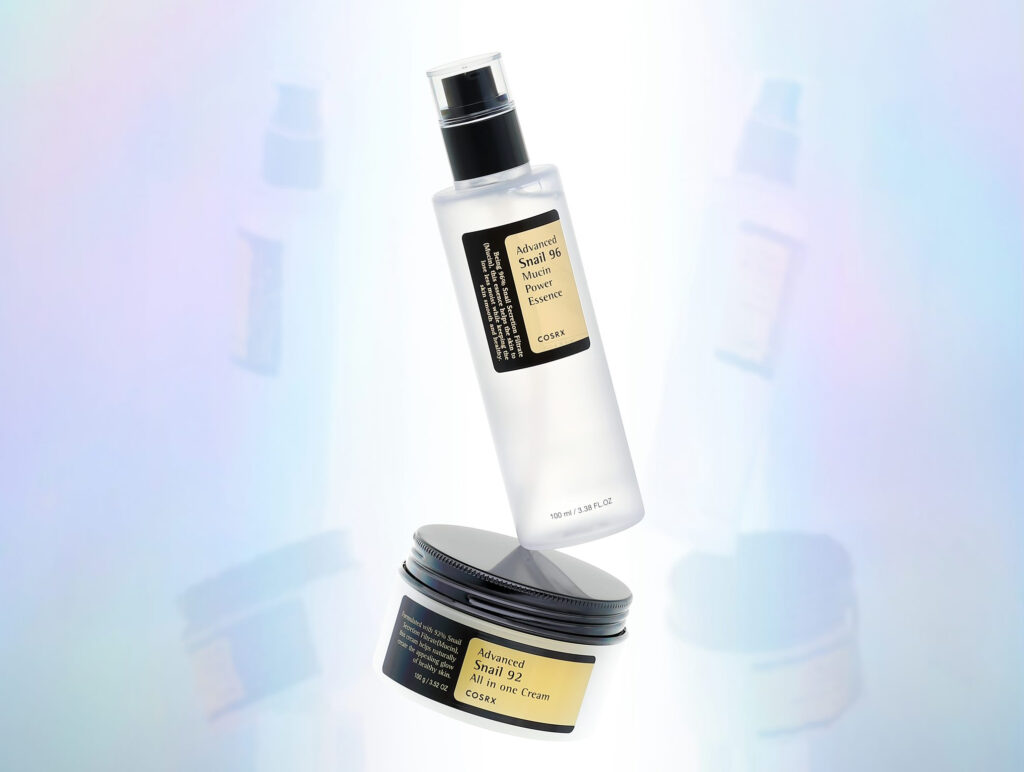
Those preferences are being revealed by the popularity of non-vegan hero ingredients, beauty industry’s equivalent of eggs and lean meats. Snail mucin, the mucus snails excrete, is a favorite beauty protein source on TikTok, and its presence on the social media platform has helped CoxRx, the K-Beauty brand Amorepacific took a controlling stake in last year, skyrocket. The TikTok snail talk has transferred to Google, where consumer intelligence firm Spate estimates searches for “snail serum” are up about 305% year-over-year.
“Consumers will try anything in the name of good skin it seems,” asserts Spate about heightened search volume for “snail serum.” Retailers have noticed. CosRx is sold at Ulta Beauty and Target as well as Walmart online.
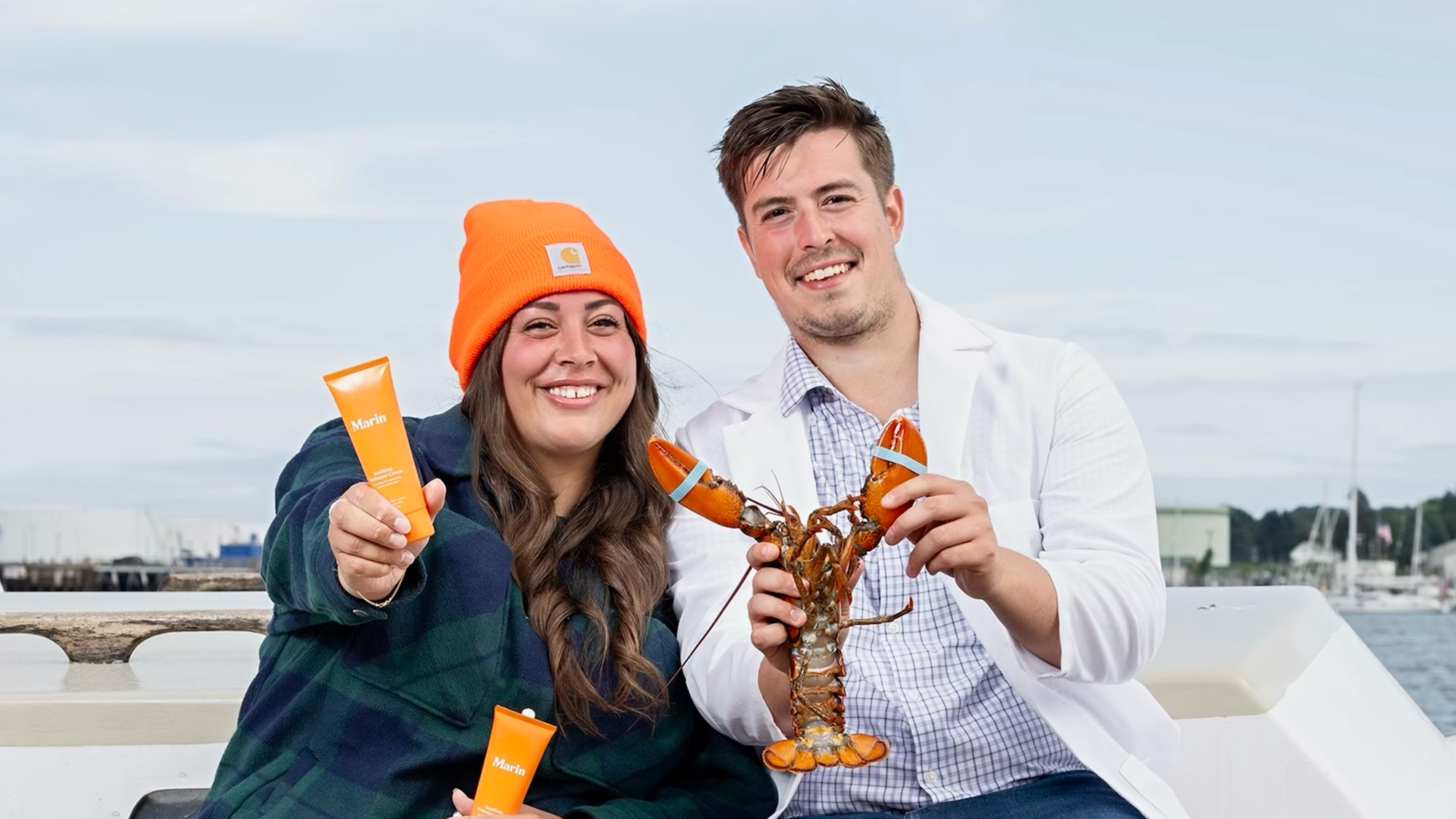
Snails have company when it comes to animal-based ingredients on the beauty industry’s plate. There’s a growing group of beauty brands proudly building beauty products with non-vegan ingredients like goat milk, cow colostrum, beef tallow and marine glycoprotein, a patent-pending ingredient developed from lobsters at the heart of up-and-coming brand Marin Skincare.
Efficacy is a big driver for Marin Skincare. In clinical studies commissioned by the brand, over 90% of users saw significant improvement in eczema symptoms. Marin Skincare’s Lip Treatment has gone viral on TikTok thanks to a review by content creator Carly Rivlin posted last month. Even before the video, Marin Skincare saw sales multiply 13X from January 2023 to January 2024.
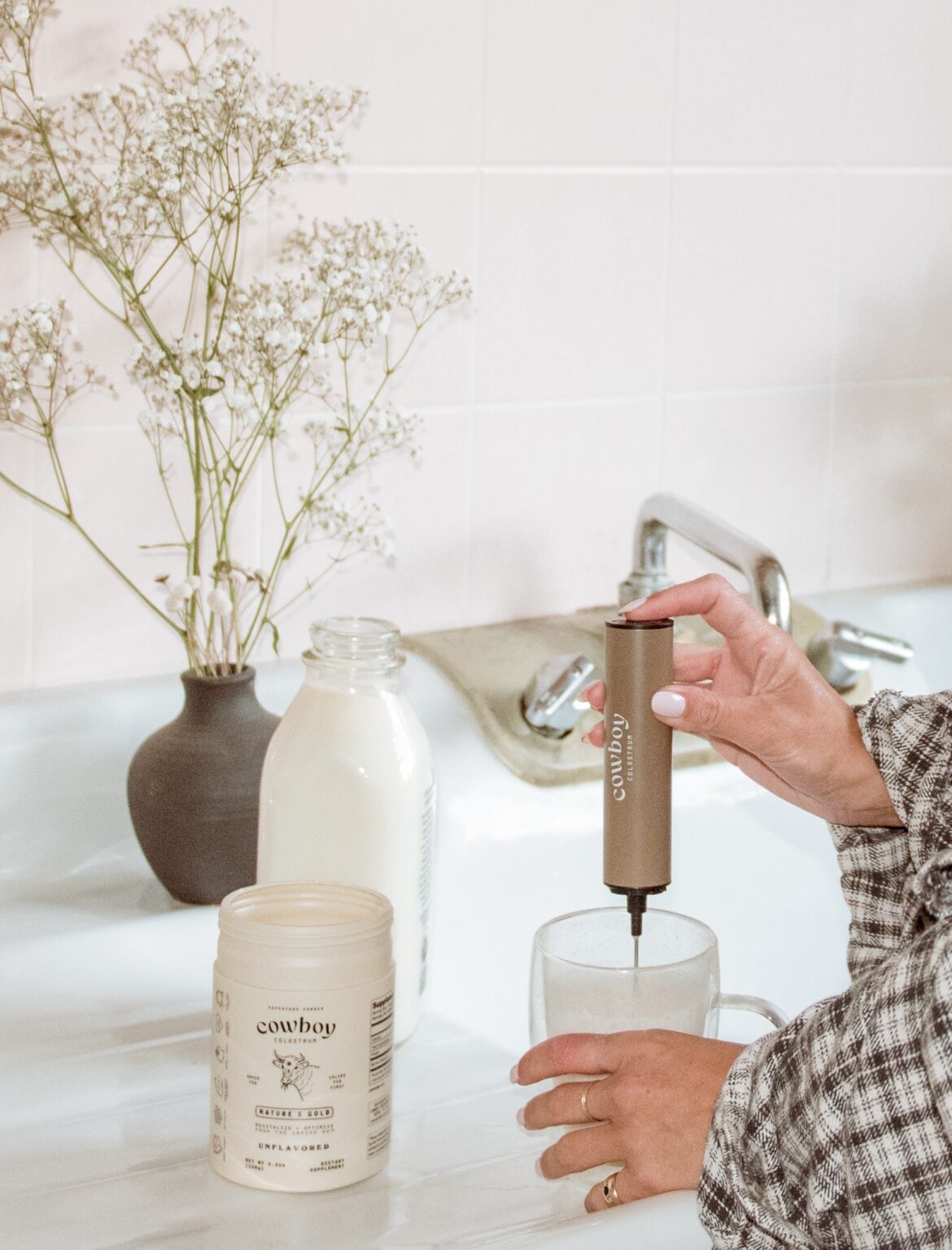
In the wellness sector, where non-vegan ingredients like fish oil and collagen have long been in demand despite an influx of plant ingredients, cow colostrum, a substance released by the mammary glands after cows give birth, is a buzzy ingredient for biohackers and beyond, and the brands Armra and Cowboy Colostrum are bringing it to them.
Cowboy Colostrum is carried by Erewhon and was featured in Sofia Richie’s Sweet Cherry smoothie at the upscale grocer. Co-founder Stephanie Stoikos indicates the brand’s traction is partially due to the wellness pendulum swinging away from plant-powered products.
“Many are moving away from the mainstream ways we’ve been sold to live a healthy life—juice cleanses, green powders, anything labeled as vegan, etc,” she says, adding, “We see this in the rise of those following carnivore diets, incorporating animal fats as a primary source of fuel, sourcing high-quality meats, moving away from plant-based diets, cooking primarily with animal products and swapping out harsh chemical-based skin and body products for the nourishing whole ingredients that nature provides with higher levels of bioavailability.”
Mary Wood, VP at Sparks & Honey, a cultural intelligence consultancy tracking consumer trends, explains that the convergence of beauty, wellness and health care plays a role in the importance of efficacy and non-vegan beauty and wellness products.“That’s an overarching trend across the board, and this is, of course, spurring that desire for more science-backed solutions,” she sys. “I also think we can connect it to the trend that we track at Sparks & Honey across beauty and food and beverage, which is ‘ancient wisdom,’ where we’re seeing consumers gravitate towards the reliability of more time-honored rituals and natural remedies.”
Brands putting animal-derived ingredients in their products aren’t abandoning the conscious approach beauty consumers pushing for vegan formulas called for. Marin Skincare has partnered with Luke’s Lobster, a B Corp-certified lobster processor, for its marine glycoproteins. Cowboy Colostrum is a proponent of regenerative agriculture that Stoikos defines as “designed to keep food production in harmony with the land.”
Koestline mentions beeswax can be considered an alternative to petroleum. She says, “I wonder if Glossier is doing some due diligence on their end in terms of carbon emission calculations, ESG rating, etc., which might have influenced their decision on [the formula] change.”
In a beauty market inundated with vegan beauty goods, being non-vegan can be a differentiator, but the non-vegan movement doesn’t spell the end of vegan beauty, and brands known for non-vegan ingredients have been venturing in the vegan direction to satisfy beauty shoppers interested in vegan formulas. Beekman 1802, a brand for which goat milk is a hero ingredient, has launched a Biotech Vegan Goat Milk range with a vegan version of goat milk. Brent Ridge, co-founder of the brand, says the range was a response to younger customers and customers with blemish-prone skin clamoring for products with lighter textures.
He elaborates, “We were originally looking to biotechnology to help us change the lipid profile of goat milk, but as we explored the power of biofermentation, we realized we might have a bigger opportunity to completely reverse-engineer goat milk to make an entirely new ‘milk’ that shares the key benefits of this powerful natural resource.”
Although its introduced a vegan option, Beekman 1802 is sticking to goat milk as its core ingredient proposition. Ridge says, “Milk products still communicate a sense of indulgence and nourishment.”
The players
5 mentionedAmorepacific

iS Clinical
Momentous
Ritual
AS Beauty