Beauty Gets Moody With A Wave Of New Neurocosmetics
As modern life continues to spike anxiety levels, stymie sleep and squeeze wallets, multi-benefit mood-boosting beauty products are swooping in to provide solutions. These topical products transcend traditional aromatherapeutic offerings and modern “functional fragrances”—the latter of which has experienced 1000% year-over-year popularity growth across Google and TikTok in June 2025 according to search intelligence firm Spate—to offer consumers multifaceted support around their skin and mental health goals.
Lisa Payne, head of beauty at London-based innovation consultancy Stylus sees the mood-enhancing beauty category, often referred to as neurocosmetics, as reaching an inflection point in 2025. “The concept of sensorial, neurocosmetic products has been rising steadily over the last few years, but it feels strongly that now this is hitting a real sweet spot where we’re seeing innovation meet consumer demand for this type of product.” According to Grandview Research, the global neurocosmetics market was valued at a modest $1.8 billion in 2023 but is expected to grow at a robust rate of 8.3% over the next six years.
Ingestible specialist Imaraïs Beauty is one brand that’s getting moody for its next launch. When the supplement brand, known for its better-for-you, plant-based beauty and wellness gummies, was formulating its first topical, co-founders Aaron Hefter and influencer Sommer Ray knew the offering needed to be more than just another trendy body care product.
Hefter says, “Sommer has always wanted to launch a glow oil but with a unique spin in terms of delivery, like a spray format, but also for skin health and recovery. I wanted to add a wellness spin and a modern-day effect to it [with] mood enhancement.”
For Ray, beauty has always been about feeling comfortable in her own skin, so a product that supported more than just the skin barrier made sense. “We’re creating something that makes you glow and actually boosts your mood,” shares the fitness-influencer-turned-beauty-founder. “Like a sunshine hack for your skin and your vibe.”
The result was $49 Golden Glow, a luxurious, shimmery body oil formulated with plant-based squalene for deep skin hydration as well as a patented active ingredient clinically proven to boost melanin production and promote the release of well-being molecules like beta-endorphin, vitamin D and oxytocin. The initial plan was to introduce Golden Glow direct-to-consumer, but Hefter says the Ulta Beauty team loved the body oil so much they wanted to launch it. Golden Glow will debut exclusively on Ulta.com next month.
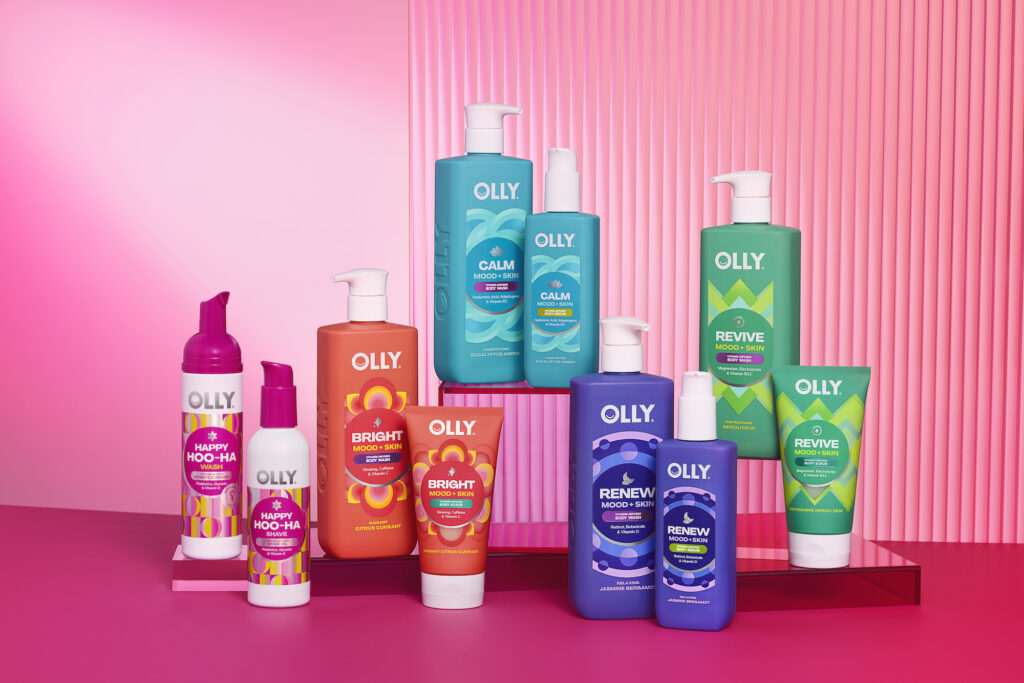
Mood-boosting neurocosmetics present a natural expansion opportunity for ingestible-focused brands like Imaraïs, and it’s not alone in branching out from traditional wellness into well-being-boosting beauty. Unilever-owned vitamin brand Olly entered the body care category in June with Mood + Skin, a collection of body washes, scrubs and serums that provide clinically-proven mood-boosting effects. Last week, wellness company Amare unveiled neurocosmetic skincare range Skin To Mind, which incorporates proprietary ingredient HuG Cell that, according to the brand, “activates biological signals that shift the body into a calming response mode.”
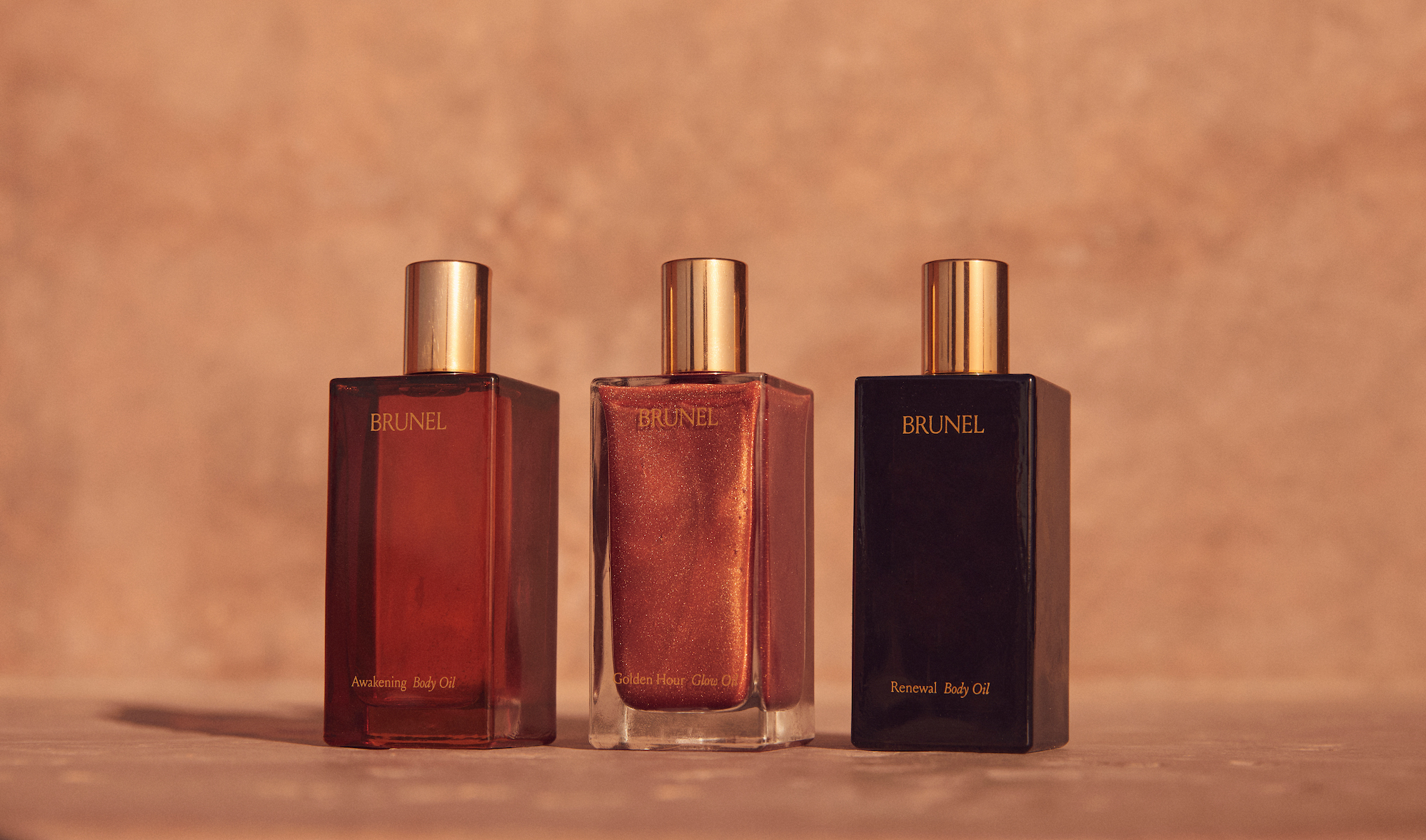
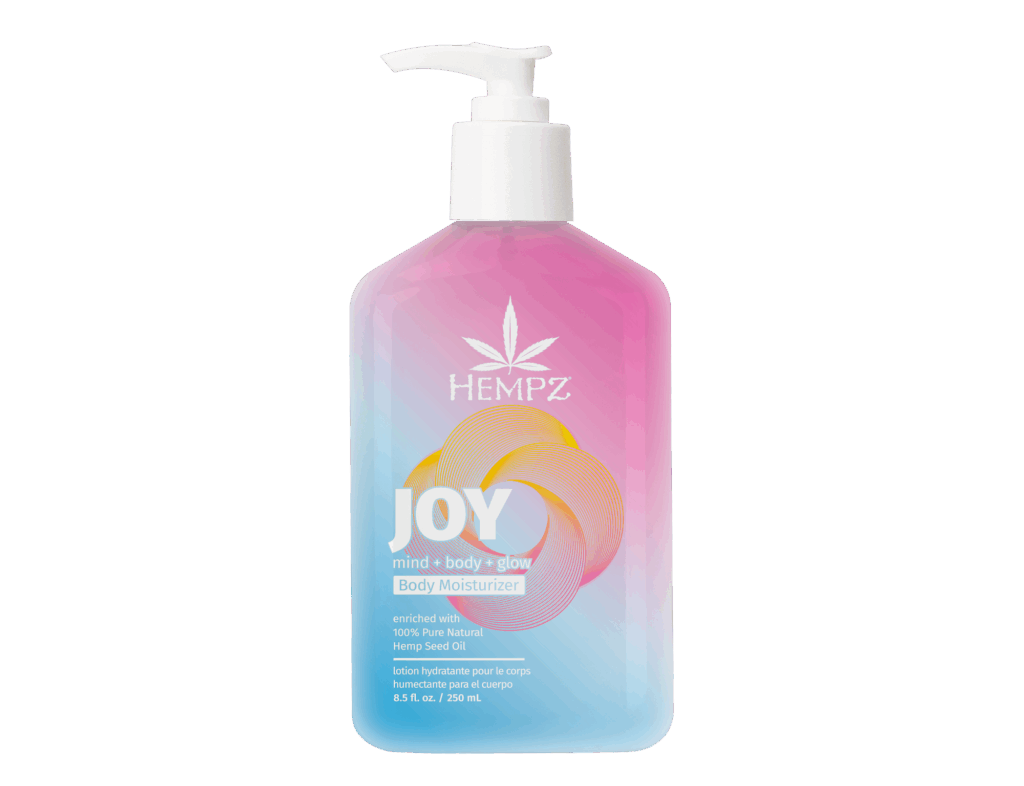
Hemp seed oil-infused personal care brand Hempz rolled out the Hempz Mood Collection in June, also available on Ulta.com and body care newcomer Brunel’s range is centered around providing mood-enhancing benefits in addition to deep skin hydration and improved tone and texture.
“As we developed Brunel, each formula became a small but powerful tool to help people reconnect with themselves in a world that constantly pulls them away,” says Brunel co-founder Sabrina Castenfelt. “Whether it’s makeup with skincare properties or body care with skincare-level actives, consumer interest in multi-benefit products has been rising. I think this change reflects a deeper shift in how people view beauty, not just as something external but as part of a holistic lifestyle.”
Brunel has debuted with three body oils priced from $48 to $53, invigorating The Awakening Body Oil, calming The Renewal Body Oil and energizing The Golden Hour Glow Oil. Besides co-founder and model Jasmine Tookes’ expertise in and passion for body care, Brunel debuted with body oils because of their “deep and long history of mood benefits,” Castenfelt details. “I would venture that, within the beauty sector, fragrance and body care are the most sensorial, emotive categories. Body oils specifically have been used across cultures for centuries, with benefits beyond skin deep.”
That multi-functionality—Payne calls it “hyperfunctionality”—is key, as many consumers today are not only fatigued by the constant onslaught of beauty newness but also looking for the most bang for their buck. She says, “There are so many products, there are so many brands, I think there is a certain degree of burnout.” Payne posits this product burnout follows burnout consumers have been feeling around their seemingly never-fully-optimized wellness routines.
“There is only so much Pilates and yoga and all of this stuff that we can do before we just want to just say no to everything. There is definitely that feeling that it’s all too much and there are too many products and actually they just want to find the brands that really speak their language that are giving them some relief, some fun.”
During the COVID pandemic, the rapid rise of functional fragrances felt like the perfect progression of traditional aromatherapy products due to a confluence of factors: more time spent indoors, concerns about air quality and respiratory wellness as the airborne virus raged on and the discovery that a symptom of COVID-19 was anosmia—the loss of sense of smell. Launched in late 2020, the Nue Co.’s groundbreaking fragrance Forest Lungs was a so-called “sensory supplement” containing organic compounds called phytoncides that help reduce stress and boost immunity. The now-shuttered I’m Outside launched its essential oil- and phytoncides-filled Forest Bathing in a Bottle body, face and space mist the same month. From there, the functional fragrance floodgates opened.
In 2025, consumers are searching for the next progression of mood-boosting beauty. They want hyperfunctional, multi-beneficial products. Brands’ ability to bring these nuanced offerings to market is facilitated by recent ingredient innovations. One of Golden Glow’s key ingredients is the patented Neuroglow by fragrance and flavor behemoth Givaudan. The active, which can be found in facial, body and sun care products, was clinically proven to increase oxytocin levels by an impressive 229%.
According to consumer goods ingredient intelligence platform Covalo, in 2024, Neuroglow was the third most popular ingredient across its entire database of over 100,000 ingredients. Anna Lorentz, commercial & marketing lead at Covalo, says, “Neurocosmetics have been trending amongst formulators since 2024, which prompted us to add the Neurocosmetics trend filter to our platform, a curated list of the top trending ingredients within that category.” She adds that the popularity of ingredients like Neuroglow, as well as Covalo’s nineteenth most popular ingredient CycloRetin by Clariant and eighth most popular ingredient Eterwell Youth by DSM-Firmenich (which just launched in 2024), “signals a continually growing interest in neurocosmetics and ingredients that promise efficacy through the skin-brain connection.”
While a “no science, just vibes” approach may be ok with some gen Z consumers, when it comes to conveying the multifaceted benefits of mood-enhancing neurocosmetics (“it depends on what you’re promising,” Payne notes), most millennials and gen X consumers want to see the science, especially in targeted subcategories such as sleep aids. “They want to see statistics. They want to see that what they’re buying is actually scientifically proven to do something,” Payne details.
Ingredient suppliers like Givaudan are making sure that their innovations have the bona fides to back up the vibes by investing in extensive clinical testing. Last year, CLR Berlin launched AnnonaSense CLR, an active that improves the look and comfort of skin, reduces psychological stress, improves quality of sleep and reduces the production of cortisol inside the body, Lorentz says. She goes on, “They were able to prove that AnnonaSense CLR can reduce systemic cortisol levels by 30% through quantifiable saliva sample testing, showing that the latest innovative ingredients can indeed lower stress—and they are working to show real, measurable results.”
The final hurdle for beauty and wellness brands selling mood-boosting beauty offerings is conveying their myriad benefits to consumers in an effective and engaging way. An IRL moment is ideal to allow consumers to feel, smell and experience these hyperfunctional products, but the experiment in overstimulation that is many Sephora or Ulta Beauty stores doesn’t lend itself to that immersive experience. Payne suggests a pop-up where a brand can set the mood, control variables and drive home messaging on its own terms. “If you walk into any department or beauty store, there are so many products and so many things to pick up and try,” she explains. “When you’re talking about a sensorial product, the best way to explore that is through a dedicated pop-up.”
Hefter’s team has been road testing Golden Glow prior to its official launch, and the feedback has been promising. “I’d almost call it an adaptogenic effect, a strong adaptogen,” he says. A 20-year veteran of the supplement space, Hefter knows adaptogens well. “A feeling of wellbeing, calmness, alertness. It offers functional and holistic effects for skin hydration and skin health, but also mood enhancement. Neurocosmetics can bridge the gap between topical and ingestible beauty.”
The players
5 mentionedBetter Being

AS Beauty
The Center
Deeper
Under Your Skin