Beauty Contract Manufacturers Step Out Of The Shadows To Make Names For Themselves
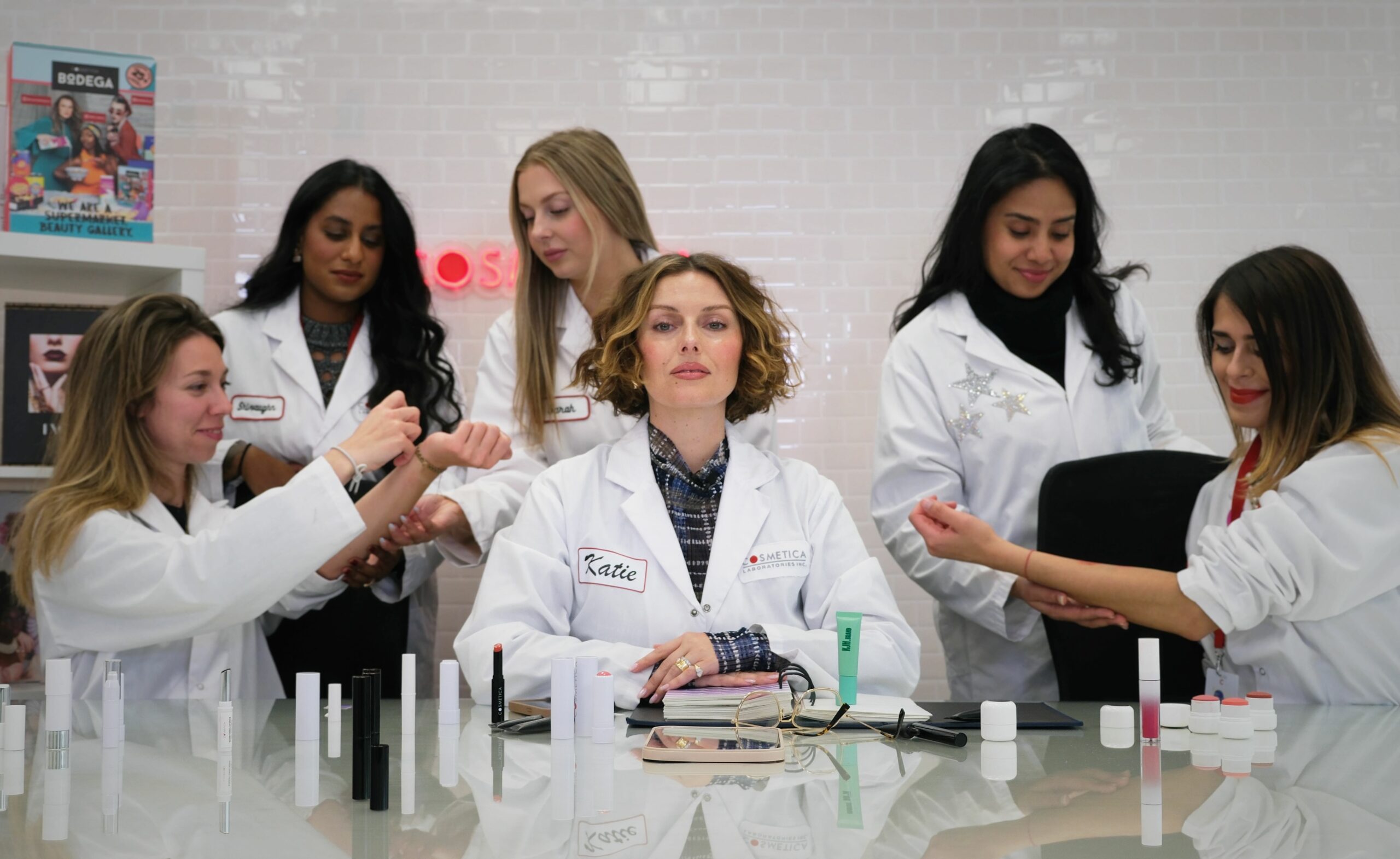
In an Instagram post showing her walking around its plant, Hughes says, “At Cosmetica, there’s 40 people that work across quality control, truly making sure that product stays the same through its lifespan, truly making sure that your product that is getting shipped out is perfect, the texture is accurate, the finish is accurate, the color is accurate, and it’s imperfection free before it gets to you.”
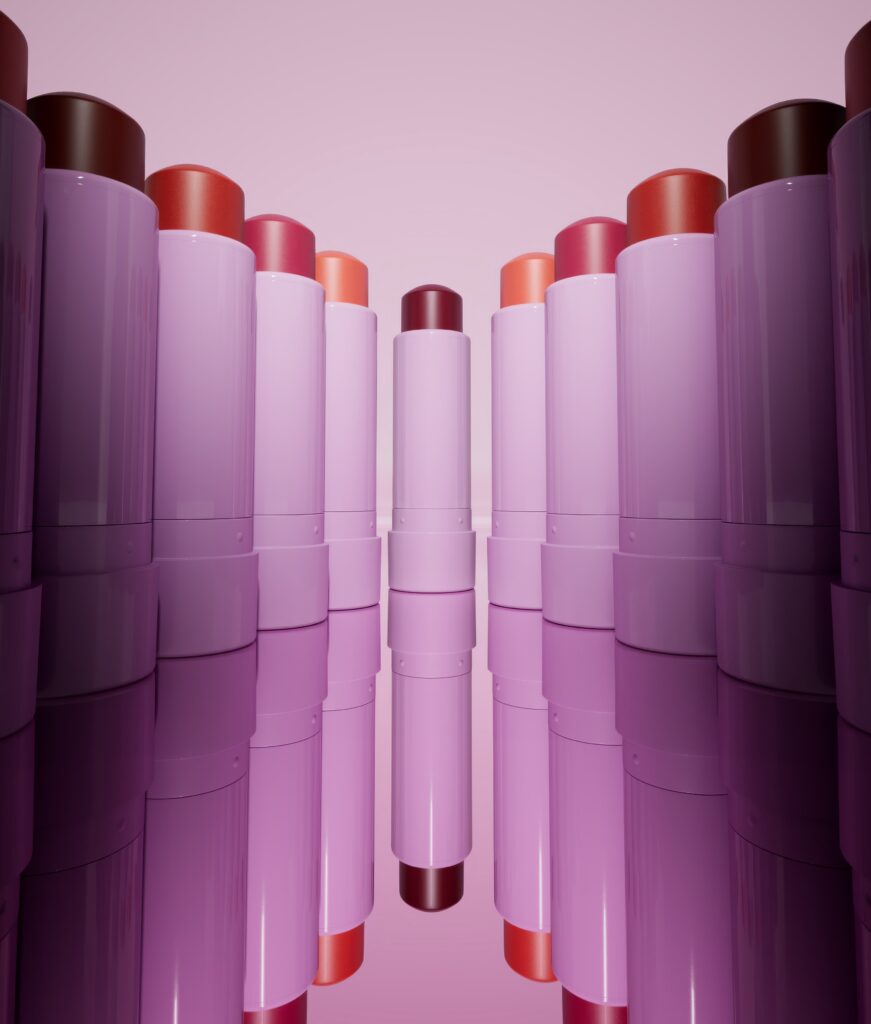
In one sense, the news that Cosmetica manufactured Soft Smudge Lip & Cheek is completely unremarkable. After all, the company has manufactured thousands of makeup products in its over three decades in business.
In another sense, it’s incredibly remarkable. Beauty brands typically keep their contract manufacturers secret out of fear their fiercest competitors will swoop in and steal sacred product recipes from them or consumers will realize they don’t handle every single detail in-house from ideation to delivery on their doorstep, but KJH.Brand and Cosmetica’s social media-official relationship is an example of a larger trend toward breaking from the typical covertness to appeal to savvy beauty aficionados crying out for transparency and garner favorite client status at their manufacturers.
On the manufacturer front, its emblematic of a nascent movement of copackers stepping out of the shadows as young brands challenge old models, they respond to an insatiable demand for content and attempt to distinguish themselves as they woo clients. The movement could amplify consumers’ faith in beauty products by revealing there’s real people manufacturing them with genuine care, but could possibly invite public pressure on manufacturers that haven’t had to confront it.
“I see the roles being changed,” says Maria Osorio, director of marketing and product development at Cosmetica. “I don’t think the big guys own the narrative anymore. Up-and-coming brands are guiding the way on how it’s going to look and maybe it looks like it’s not a secret anymore because consumers are curious not only about who you work with, but what happens behind the scenes.”
Kiki World, a platform enabling consumers to vote on products prior to selling them, is an up-and-comer demonstrating that things can be done differently. In January, it touted its partnership with beauty contract manufacturer Cosmos Labs on its first foray into skincare with a campaign it called Skin Development Kit and solicited people to vote on their preferred skincare product format to later have Cosmos Labs produce it.
Jana Bobosikova, co-founder and CEO of Kiki World, argues credit should go where credit is due for manufacturing and points out her company offers “as much transparency as we can offer.” She reasons, “There is no advantage to lack of transparency over time in the information age era. Conversely, enhancing transparency opens way for greater collaboration, innovation and better product for the customer as we’ve seen with Kiki’s Skin Development Kit with Cosmos Labs, where based on feedback we’ve reformulated the base formula before it even launched.”
Cosmos Labs’ upward transparency trajectory isn’t only tied to Kiki World’s Skin Development Kit. Unusual for a copacker, it hosted a three-day press trip in January with six beauty editor participants, including from the publications NewBeauty and Women’s Health, and six brand clients participants: Kiki World, Nopalera, Long Wknd, Huron, Naked & Thriving and Milk & Honey.
Mavn PR, a public relations firm generally working with brands that’s been establishing Mary Berry, founder and CEO of Cosmos Labs, as a beauty industry authority and resource for beauty editors at a moment in which expertise is esteemed, orchestrated the trip featuring a two-hour tour of Cosmos Labs’ facility. Berry estimates the trip cost her business $75,000.
For manufacturers, the goal of exposure is to secure brand clients. Talking about the cost of Cosmos Labs’ press trip, Berry says, “If I get one mid-size client, then that return is easy in six months.” She’s fully aware of the rewards of exposure. Moiz Ali, founder of Native, has frequently mentioned the deodorant brand turned to Texas Beauty Labs, a manufacturer now named Goodkind Co. that Berry founded in 2007, in its early days, and Berry says each mention yields an influx of inbound interest for Cosmos Labs.
Osorio describes KJH.Brand’s content partnership with Cosmetica financially as a “win-win” and says the objective of it is for the manufacturer to be top of mind among brands. In addition to content from it populating social media, it’s being dispersed in Cosmetica’s email newsletter to about 2,000 industry professionals.
“Manufacturers are also brands. They’re not consumer brands, but they’re brands,” says Osorio, previously a brand manager at Hola Lola Cosmetics who brings a brand perspective to Cosmetica’s marketing. She continues, “Instead of me showing a boring PowerPoint, I can take bits of the [KJH.Brand] collaboration and build a better story to engage.”
Manufacturers’ march toward broader transparency follows similar marches made by perfumers and cosmetic chemists, who’ve branched into their own brands as they’ve solidified front-of-the-scenes personalities. Manufacturers have long created their own brands—think ColourPop, a brand incubated at Seed Beauty, an offshoot of manufacturer Spatz Laboratories—but they could be in a superior position to introduce them if they become known quantities. Being a known quantity may not hurt as well if they’re pursuing funding in a contract manufacturing sector that’s attracted private equity interest.
For now, Osorio foresees content as the main result of heightened manufacturing transparency. “It’s going to go deeper and deeper because everyone is doing the same content,” she says. “I remember when we started putting behind the scenes from our machinery, no one was doing it three years ago, and now I see my feed, and it’s all of that. Everyone’s doing TikTok with the chemist and things like that that were not a thing in the past.”
Hughes says makeup consumers “love the behind-the-scenes of it all…Our engagement spiked when we started to post behind-the-scenes content, showing the community how Soft Smudge came to be. The questions were coming through in DMs, and the engagement on the content from likes and shares was so wonderful to see. It was also very awesome to see how much people appreciated this type of content and transparency.”
Recruitment is an ancillary benefit of transparency that can assist in informing the next generation of beauty industry professionals that manufacturers can be good places for jobs. A graduate mentor at Savannah College of Art and Design, Osorio encounters students with no clue that beauty contract manufacturers exist. She says, “I’m trying to show them that there’s a whole world behind the scenes where there’s an opportunity to do marketing, to be sexy, but people don’t know, and even people who are studying to be the future of the industry don’t know.”
There are limits to transparency, however. Bobosikova stresses it’s not a “key prerequisite to success.” She says, “Products and community still need to be great and desirable for products to succeed. Going open kimono on every step of the way doesn’t guarantee success, but it does guarantee greater innovation and access to information for customers to make best informed choices for themselves.”
Berry doesn’t anticipate Kiki World’s level of openness will be widely emulated by beauty brands and particularly well-established brands, where taking risks could cause tremendous damage, will avoid it. She notes a brand that had initially been part of Cosmos Labs’ press trip ultimately pulled out because it was worried rivals would learn about its “secret sauce.”
Instead of manufacturer transparency becoming ubiquitous, Berry says select young brands “looking for an edge, they’ll be like, ‘We partnered with this lab that has a ton of experience.’” To calm brands’ concerns about competitors poaching their secret sauce, Berry and Osorio underscore they adhere to non-disclosure agreements their companies sign with brands and are careful not to lay bare anything occurring at their facilities that could facilitate copying. Realistically, it’s probably simpler to try to copy a product from an ingredient list than prying the formula from a manufacturer or endeavoring to imitate its manufacturing process.
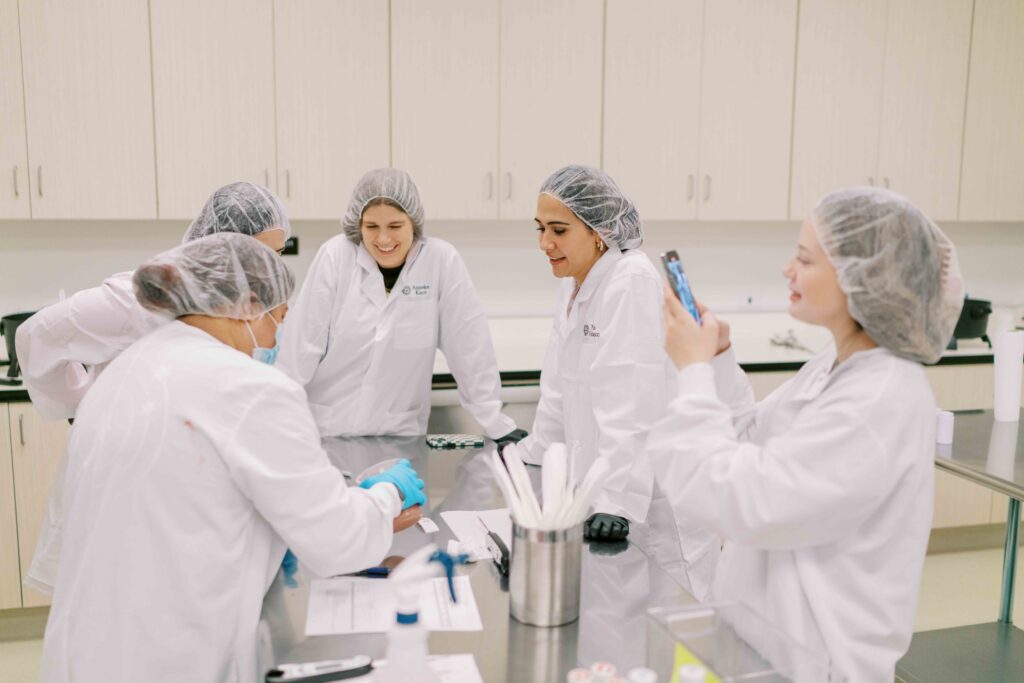
Much of the discussion around the downsides of enhanced contract manufacturer transparency is focused on brands, but there could be downsides for manufacturers. If public scrutiny mounts, they’ll have to be extra certain their procedures and the outcomes of them are buttoned up. Hiding in the shadows has allowed manufacturers to escape public scrutiny of procedures and shaming of bad outcomes.
When allegations of mold in Kosas’s concealer erupted last year, the brand bore the entirety of the fallout, although supply chain actors may have been the culprits. Same goes for a 2022 scandal surrounding Kylie Jenner not complying with proper sanitation protocols at a Kylie Cosmetics lab. To the extent transparency connecting manufacturers to bad outcomes exists currently, it comes from recalls or the FDA issuing letters to copackers that run afoul of federal regulations. The letters are often relegated to the bowels of the FDA’s website and rarely make a splash in the press.
On the upside for manufacturers and brands, Matt Terri, co-founder and chief development officer of men’s personal care brand Huron, argues heightened transparency could boost “consumer trust by providing insights into the sourcing and manufacturing practices behind the products. Intra-industry, increased transparency can help foster innovation, open up new partnerships and collaborations and promote accountability throughout the supply chain, helping establish industry standards and best practices.”
Berry supposes a brighter light on manufacturers has the chance to better practices in the beauty contract manufacturing sector, although she emphasizes it wouldn’t affect Cosmos Labs’ practices because the 2-year-old company has always conducted product manufacturing as if it were in the public eye. “You’re tied to it anyway,” she says. “The way the internet is these days, someone will find out…It doesn’t change the way we do anything, but I think that it could make people straighten up.”
Terri predicts transparency about brands’ manufacturing partners will grow because there’s an incentive within the beauty industry for brands to communicate about links along the supply chain. By requiring the registration of cosmetic production facilities, the Modernization of Cosmetics Regulation Act of 2022 (MoCRA) is already pushing the beauty industry in that direction.
“It can be difficult for new brands to discover reputable, talented and reliable partners within the supply chain, but the industry has paved the way for open sourcing,” says Terri. “Forums like trade shows, industry news and collaborative networks have both featured and promoted these businesses. By sharing knowledge and resources openly, companies can leverage collective expertise to develop new products, improve processes and address common challenges more effectively.”
A manufacturing transparency skeptic, Sandra Velasquez, founder of body care, haircare and fragrance brand Nopalera, isn’t convinced openness will grow or be an asset to consumers deluged with untold volumes of information. “All customers really want to know is what country something is made in. It’s not standard for a brand to share the specificity of the copacker because, what is a customer going to do with that information?” she says, adding, “I think names and details are not crucial for customers to know.”
The players
5 mentionedAS Beauty

Under Your Skin
Momentous
Nopalera
Better Being