The Summer Of Beauty Brand Demolitions And Rebuilds
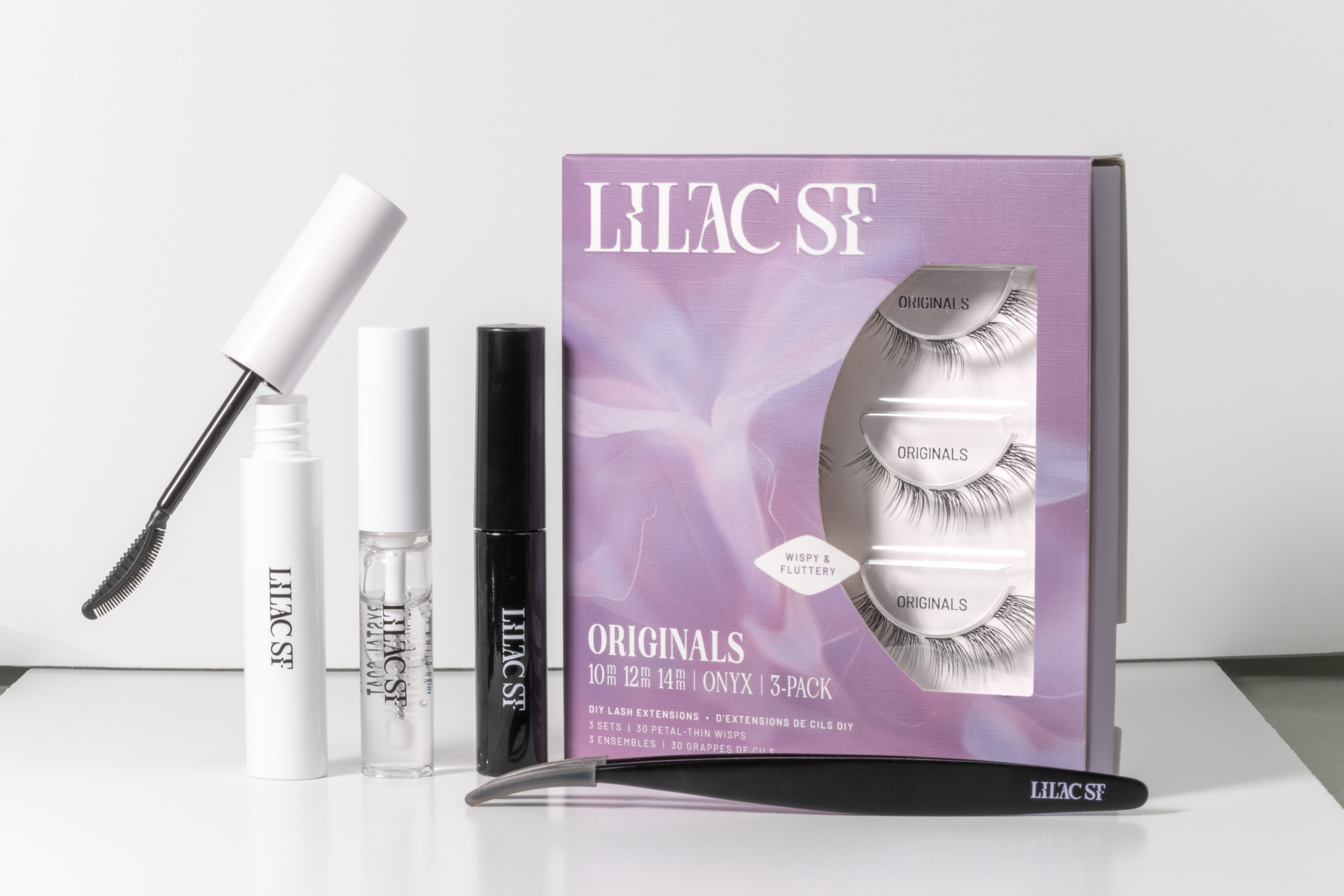
The makeover involves a packaging refresh and new logo. Half of Huda Beauty’s products are being discontinued, including makeup and skincare hybrid line Glowish. On Instagram, Kattan identifies the goal of the refresh is for the brand, which has seen sales dip of late exacerbated by C-Suite changes, pandemic challenges and increased competition, according to reporting by the publication Women’s Wear Daily, to reflect “who we are now and where we want to go.” When Huda Beauty started in 2013, she explains she wasn’t “visualizing a whole brand,” but instead was preoccupied with releasing a product at a time, beginning with false eyelashes.
“We had a brand, but there wasn’t necessarily thought about, how does this brand look?” Kattan says in the first YouTube docuseries video. “We were always thinking about the product inside the packaging. Well, now we got to do the packaging work. We’re playing with the big dogs, so we got to do it.”
Huda Beauty isn’t the only beauty brand undergoing an extreme makeover. Rebrands that tweak packaging, modernize design and update copy are common in the beauty industry, but the reconstructions some beauty brands are executing today eclipse regular rebrands by dramatically shifting merchandise, redoing aesthetics and even changing names and business models. The often down-to-the-studs renos are a sign that the brands doing them risk obscurity unless they shake things up considerably to keep up with the market and recharge sales.
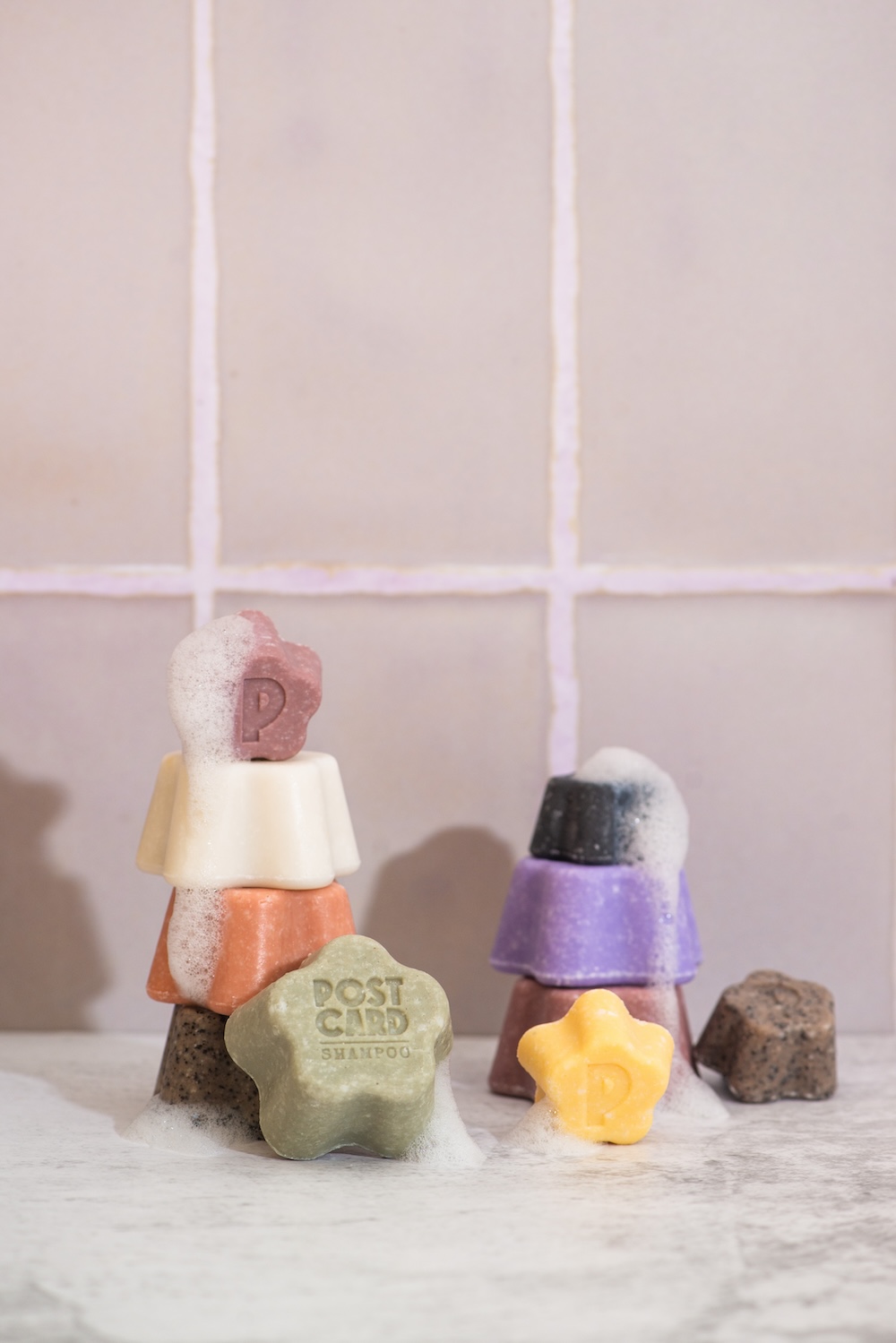
Oasis Beauty Kitchen’s major remodel is giving it a new name: Postcard. Founder Hildra Gwee launched the brand in 2018 with powder products, clay masks and face mists at pop-up shops around Singapore. Recently, she spotted a rash of brands with its crafty aesthetic and determined Oasis Beauty Kitchen required an upgrade.
“I had to really rethink how to make the brand stand out, and it’s either we do that, we innovate, or we fade out into something that looks like the rest,” says Gwee. “I think we need it to transition from looking like a farmers’ market natural brand to one that can sit comfortably on a Sephora shelf.”
Gwee raised 300,000 Singaporean dollars or roughly $223,530 from angel investors to finance the makeover. Unveiled last week, the majority of Postcard’s products are revised versions of Oasis Beauty Kitchen’s products. The brand sells deodorant, solid shampoo, solid conditioner and face oil.
The makeover coincides with Gwee’s desire to propel her brand beyond Singapore, where she points out Oasis was impossible to trademark. Noting that the name Postcard aligns with the brand’s objective to “transport our customers to another world,” Gwee says, “We have been around for six years, and we are very fortunate to have build out a community that trusts our products and supports our long-term vision to be sustainable, but I know that to survive we need to grow outside of this niche.”
Tropicgal Naturals has become Adapto Beauty and whittled down its assortment from eight products to two multifunctional products, Omega Glow Oil and Barrier Support Dream Cream, incorporating science-backed ingredients. Six and a half years ago, founder Michelle Hoover developed Tropicgal Naturals with $3,000 from her savings. To launch Adapto Beauty’s Barrier Support Dream Cream, she spent another $3,000. Omega Glow Oil is a carryover from Tropicgal Naturals.
“It kind of feels like we’re starting from scratch, but we’re really excited and proud of the new direction that we’re going in with the brand,” says Hoover. “I 100% feel like it was a great choice for us.”
Hoover introduced Tropicgal Naturals after leaving her job as a Chipotle general manager and having a child. Back then, it concentrated on homemade skincare and haircare products with high-quality natural ingredients and a do-it-yourself element. As the brand got older and her family grew, Hoover didn’t have as much time to use Tropicgal Naturals’ products. That was her cue the brand should transform.
“I realized that I can’t continue to put my love into this brand if I don’t even use my own products,” she reflects. “It’s almost like I fell out of love with them, so I knew I needed to pivot.”
Brittney Ogike is turning BeautyBeez, a beauty supply store she opened in 2019 showcasing Black-owned beauty brands, into BraidHouse, a co-working space exclusively for braiders, in the fall. Stylists who become BraidHouse members will have 24/7 access to its salon. Wigs and brands that weren’t strong performers at BeautyBeez are being phased out, but products like braiding hair and edge control gel will be available.
Ogike says, “The industry is changing, and as it’s evolved, it’s my job as a business owner to evolve with it.”

At BeautyBeez’s launch, Black-owned beauty brands weren’t as extensively stocked in big-box retailers as they are currently, and BeautyBeez benefited from being a comparably rare destination for them. As access has opened up for Black-owned beauty brands and inventory costs have increased for BeautyBeez, its retail margins shrunk. Hair braiding, however, has consistently been a lucrative business driver at BeautyBeez. The store inaugurated hair braiding in 2021, and it’s now generating 50% of its service revenue, giving Ogike confidence to double down on the service.
Auda B is transitioning from the nail category to the skincare category with a sunscreen for acne-prone skin inspired by founder Samara Walker’s relocation to Los Angeles and the success of brands like Black Girl Sunscreen that have raised awareness of sun protection among Black consumers. She estimates Auda B’s revamp will cost $150,000. Sunscreen testing is anticipated to account for 60% of that cost.
Walker concluded Auda B should transition to skincare upon witnessing the nail category move away from the vegan polishes it was selling. “There are a lot of the alternatives like gels and dips and powders that I personally was trying to come away from with my nontoxic nail brand,” she says. “I want to be true to who I am as a founder and my mission, which is focusing on clean ingredients.”
Walker advises fellow founders thinking about taking their brand in a different direction to assess what’s working and not working at their brands and the potential for growth the pivot could bring. She also recommends founders flesh out a roadmap for how to communicate with their brands’ community about changes. As part of its communications, Auda B sent out an email called “Sunset to Sunrise” to its newsletter subscribers that touched on Walker’s passion for the beauty industry, the dynamic landscape of nail products and the brand’s impending skincare.
Oasis Beauty Kitchen and BeautyBeez customers have been filled in about their shifts. They’ve posted on social media to share the reasons behind them and emphasize that the businesses’ values are staying the same. “We really had to think very delicately about this because not everybody likes change and especially people who have been buying our products for the last few years,” says Gwee. “So, we know that we had to get them as excited about the new brand as they were about Oasis.”
Gwee is experimenting with videos stretching one to two minutes exploring Oasis Beauty Kitchen’s Postcard metamorphosis. The average watch time for the storytelling videos is 28 seconds. In general, the average watch time for Instagram videos is three seconds. Gwee says, “People actually do enjoy longer content as long as it helps to communicate a story.”
Gwee suggests brand founders pondering makeovers drill down on their brands’ unique, genuine perspective. She says, “People can feel it when a company’s just being opportunistic…The industry is divided between very, very creative brands and brands that are just trying to capitalize on the trends.”
Ogike stresses that business redos should be informed by sales data and consumer behavior. She says, “Look at your numbers weekly, monthly, quarterly, and be able to make swift intelligent decisions based on what those numbers look like—and pivot as soon as you see a pattern.”
The players
5 mentionedToo Faced

Under Your Skin
AS Beauty
Huda Beauty
Sephora