The New Crop Of Gen Alpha Brands Zeroing In On Age-Appropriate Skincare For Tweens
Jeffy tells Beauty Independent, “I’ve seen horrible breakouts induced, aggressive rashes from using actives that have no place belonging in a teen or tween’s skincare, these are things like vitamin C, alpha and beta hydroxy acids, aggressive scrubs and retinoids.”
Byoma and CeraVe products aren’t the only ones she believes are suitable for young skin. Last year, Jeffy introduced kid-friendly skincare brand Btwn with two gentle products, Daily Cleanser and Daily Moisturizer. It’s among a number of new skincare brands—others are Pipa Skin Care, Wonderverse Labs, Besties, Gryme and Your Skin Stuff—with products designed for developing skin that respond to parents desperate for age-appropriate alternatives to bestsellers from the likes of Drunk Elephant and Glow Recipe.
The new brands are jockeying for position in what could be a huge market. Gen alpha, those born between 2010 and 2024, is poised to become the biggest generation in the world next year with more than 2 billion people. The generation has already made quite a splash in the beauty industry, where the “Sephora kids” phenomenon early this year and late last year saw teens and tweens rushing to Sephora stores for brands such as Drunk Elephant, Rare Beauty and Sol de Janeiro with products containing ingredients intended for older consumers.
The Sephora kids grabbed headlines and made Redditors raving mad at ransacked product displays and irritated young faces. Setting aside the outrage, the phenomenon demonstrated gen alpha’s appetite for beauty products and underpinned new brands’ thesis that tween skincare is an underserved niche. Data bears out gen alpha consumers’ penchant for beauty, but doesn’t validate that they will snap up what the new brands are selling. If history is any indication, the new brands face tremendous barriers to winning over tweens drawn to aspirational adult brands and the latest products trending on social media.
In March, market research firm NIQ released data showing that gen alpha was driving 49% of the growth in mass skincare despite just 26% of households having a person in the age group. Kids gravitated to skincare products like cleansers, serums and masks. Per NIQ, facial treatments were the fastest-growing skincare product subcategory, with a year-over-year sales increase of 38.3%.
“A lot of younger consumers are buying products that aren’t suitable for them because they want to enter into the beauty category,” says Korrine Wolfmeyer, senior research analyst covering wellness and beauty at investment bank Piper Sandler. “But there’s not enough supply for younger generations. There is a hole and gap that needs to be filled.”

While girls fueled the Sephora kid phenomenon, girls aren’t alone in their beauty industry interest. Teen boys are flocking to fragrance. In Piper Sandler’s latest teen survey, teens self-report that their fragrance purchases jumped 23% from the prior year, with male teen fragrance spending up 26%. The teens identified Bath & Body Works, Sol de Janeiro, Victoria’s Secret, Ariana Grande and Dior as their favorite fragrance brands. Piper Sandler surveyed 6,000-plus teens aged 13 to 19 years old.
Social media exposure is an integral factor in gen alpha’s involvement in beauty. Piper Sandler’s survey found that 74% of female teens turn to online influencers to discover brands and trends. Wolfmeyer identifies gen alpha’s heightened focus on mental health and well-being as another factor. She says, “They’re open to talking about how they feel [and] a lot more focused on taking care of themselves. It’s shown through their beauty routines.”
Guided by social media, teens and tweens are exploring time-consuming multistep skincare routines and treating viral products as collectibles to present on social media and to their friends. The intense skincare habits aren’t easy on their or their parents’ budgets and are antithetical to the ethos of many of the new gen alpha brands. The brands seek to promote simple routines usually centered on cleansers, moisturizers and sunscreens.
On the larger side for a new gen alpha brand, Your Skin Stuff’s assortment has six products Gentle Daily Cleanser, Daily Foam Cleanser, Hydration Station Serum, Skin Hug Serum, Sunshine Drops Serum and Morning Glow SPF priced from 19.50 and 24.50 euros or roughly $21 to $26 “There is the thinking that kids don’t need lots of skincare. Well, they need to wash their skin,” says founder Ellen Kavanagh Jones. “Bar soap isn’t best for their skin. There’s better, and that’s what we’re offering.”
As they allot their budgets, parents have a tendency to pick products from trusted, affordable drugstore brands for their kids. Those kids are fickle consumers, and ever-evolving social media trends exacerbate the ephemeral nature of their brand loyalty. Larissa Jensen, beauty industry advisor at market research firm Circana, says, “Their preferences are still growing and changing, so adaptability is key for brands to remain in their consideration set.”
With all the challenges facing new gen alpha brands, can they gain traction with tweens and their parents? Ashley Fell, social researcher at consumer insights provider McCrindle, argues they can. She explains legacy brands are frequently risk-averse, and emerging brands can experiment with innovative approaches to an audience that they may have a better handle on and bring into the beauty conversation. She says, “That’s where new brands can be quite disruptive.”
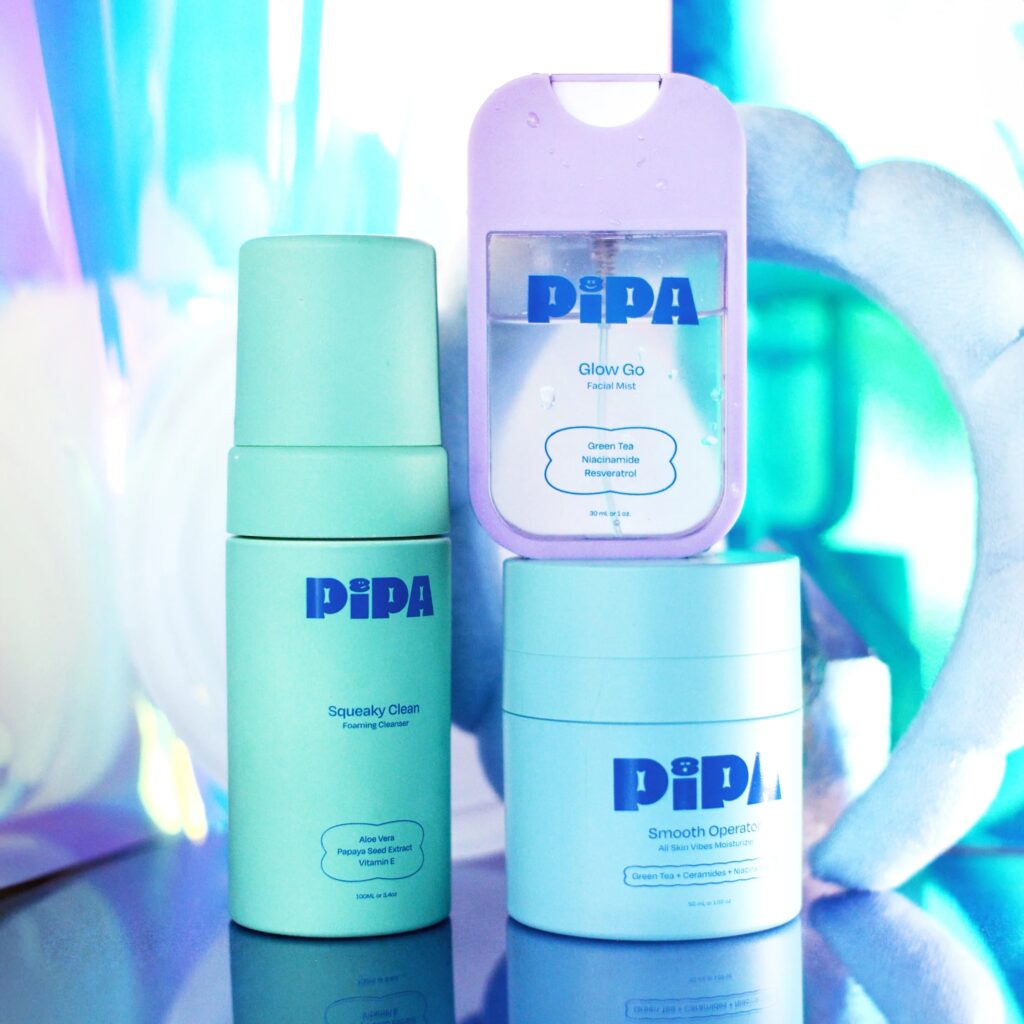
Launched in February, Pipa Skin Care is stepping into the mix with education for parents and fun products formulated for kids featuring a bright aesthetic that mimics the aesthetic of adult-oriented brands popular with kids. Pipa Skin Care’s products are lighter on the wallet than their adult prestige skincare counterparts, Its cleanser Squeaky Clean is priced at $15. At Sephora, Drunk Elephant cleansers are priced from $16 to $38. CeraVe cleansers go for around $5 to $16 at Target, depending on their size.
“We focus on creating a brand all girls want to have like Drunk Elephant and other Sephora brands, but for them,” says Kristina Kubler, an aesthetician who founded Pipa Skin Care with two fellow moms. “It’s cool packaging, but with products inside they could actually use.”
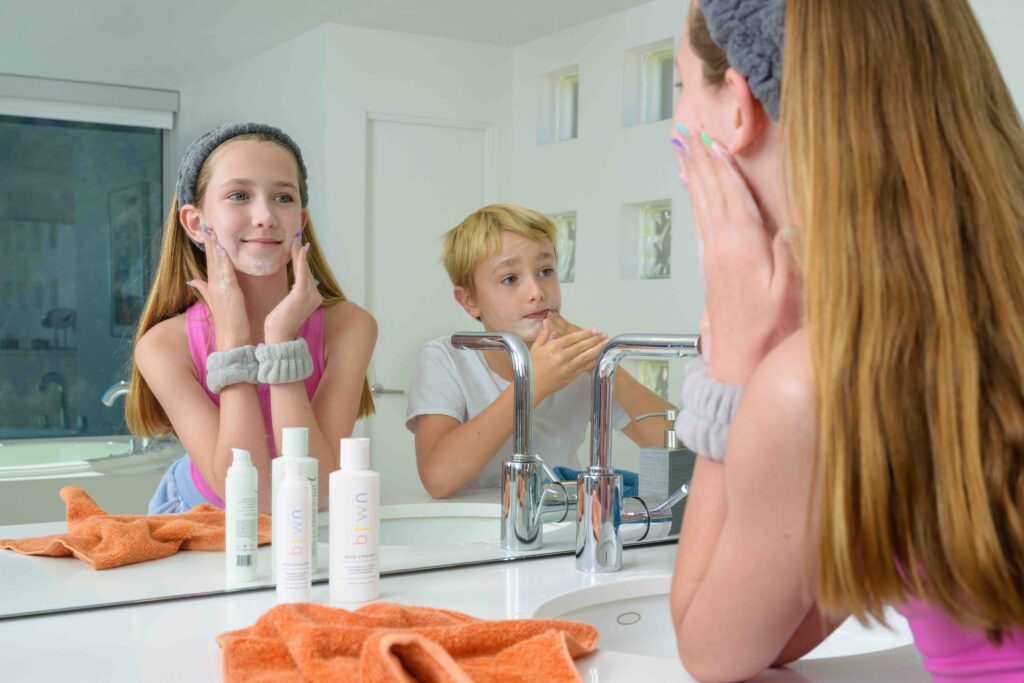
Named for Kubler’s 10-year-old daughter, Pipa Skin Care’s social media strategy incorporates young social media influencers. Its Instagram following is nearly 48,000 and TikTok following is almost 9,400. Gianna Harner, a 19-year-old with 10.4 million followers on TikTok, shared a video of getting ready for bed with Pipa Skin Care products.
Pipa Skin Care has been in a subscription box from Green Girl Goods, a 3-year-old clean beauty box service for tween girls. The boxes house six to eight products and information on them. They ship four times a year. In the fall, a box will highlight information on the skin barrier, the protective outer layer of the skin that’s a big talking point in beauty lately.
Green Girl Goods founder Sara Marino’s objective is to help parents navigate a confusing beauty landscape by curating safe products for their kids. “With girls being marketed to with harsh products not for their skin, we try to teach them,” she says. “We don’t say, ‘Don’t use this,’ but here’s why and how to make choices for yourself.'”
Jodi Katz, CEO and founder of Base Beauty Creative Agency, which has advised brands on marketing to gen alpha consumers, points out that young consumers are shifting their ideas of beauty from appearance to health, and new gen alpha brands have an opportunity to seize upon that shift. Katz says, “Given their awareness of social media’s negative impact on self-esteem, gen alpha will respond positively to a health-focused, positive narrative.”
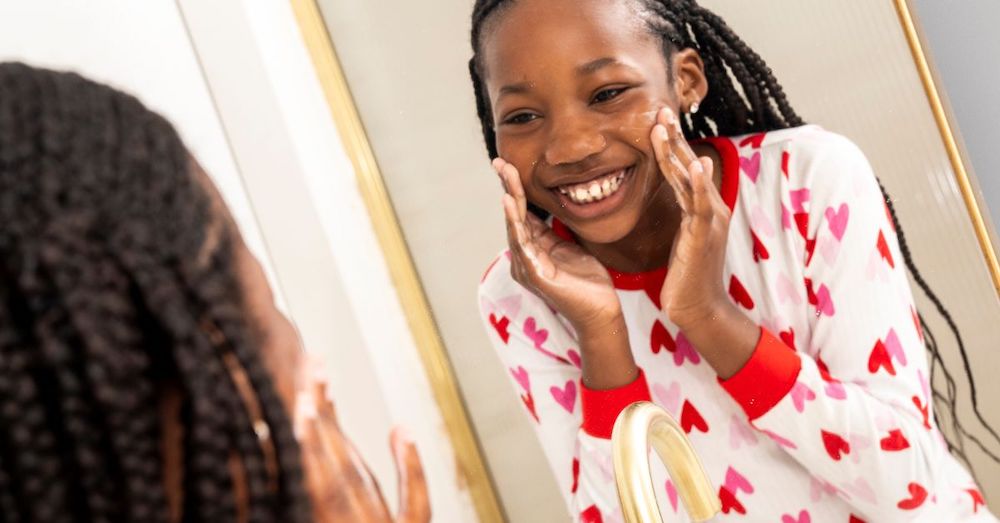
Trying to cater to two audiences—parents and kids—is tricky for brands. Satisfying parents’ desire for age-appropriate skincare can occasionally run afoul of the attributes that kids are clamoring for. “That’s the challenge, the balance of what it is your mom or guardian or grandmother approves to buy for you and then, what do you think is still cool?” says Samantha Cutler, founder of Petite ‘n Pretty, a tween cosmetics brand with makeup vetted by pediatricians.
At Btwn, Jeffy has stuck to fragrance-free skincare to avoid potentially irritating fragrance ingredients, but kids are often scented product buffs. To chase smell-loving kids, Jeffy cautions that products heavy on fragrance are infiltrating the skincare arena, including from brands targeting gen alpha.
Beauty retailers are sorting through how to speak to gen alpha shoppers and get merchandise in front of them. On its website, Ulta Beauty has dedicated content to teen- and tween-safe skincare. The page highlights products from CeraVe, Neutrogena, Florence by Mills, Cetaphil, E.l.f. Cosmetics, Hero Cosmetics, Bubble and Tula. Ulta spokesperson Mattie Sullivan says via email, “Our proprietary data shows that this new generation is experimenting with beauty at an earlier age and views beauty as a forum for self-expression, fun and joy.”
In its stores, Ulta carries gen Z brands Bubble Skincare and Florence by Mills that have been reaching gen alpha consumers, too. Online, it sells Petite ‘n Pretty. The brand has a campaign starring 13-year-old Ellie Johnson, daughter of beauty YouTuber Kandee Johnson. Bubble recently collaborated with the Pixar movie “Inside Out 2” and has a colorful interactive “Skin School” section on its site that breaks down skincare for its young fans.
Gen alpha and gen Z brands will encounter mounting competition from brands that were geared to older shoppers in the past as they adjust to demographic transitions. Last month, Glow Recipe launched a collaboration with Katie Fang, the 18-year-old social media star with 5.2 million followers on TikTok.
Also pursuing the gen alpha opportunity, Your Skin Stuff’s Kavanagh Jones foresees retailers building product selections to appeal to consumers from the massive generation. “We can see really easily where our preteen and gen alpha [consumers] are going in and shopping, and they’re shopping exactly where we’re shopping,” she says. “They want to be in the beauty-specific Ultas and Sephoras and department stores where…brands are there to discover, and that’s where we see ourselves sitting.”
The players
5 mentionedBYOMA

Formulate
Under Your Skin
The Center
Sol de Janeiro