After Big Acquisitions And Strong Sales, What's Next For Professional Skincare?
But a relatively under-the-radar category in beauty—professional skincare sold primarily through dermatologists, plastic surgeons, med spas and spas—had a banner fourth quarter that didn’t garner as much attention. Three leading brands in the category (Obagi, Revision Skincare and Alastin) were acquired by beauty-focused SPAC Waldencast, private equity firm Gryphon Investors and pharmaceutical company Galderma, respectively. At the end of the dealmaking, five year old Skinbetter Science was the only leading brand in the category that’s still independently owned.
The acquisitions came at the close of a strong year for clinical skincare sales, which increased 13% from the prior year, according to The NPD Group, contributing the highest revenue gain in the skincare segment and surpassing natural as the largest slice of the segment based on revenue. This development illustrates the shift in consumer preference away from clean beauty and towards science-based, results-driven products.
Karen Doskow, director, consumer products at Kline, publisher of an annual report on the professional skincare business, says the category’s growth in recent years fueled the deal flow. “Many brands, including the ones recently acquired—Revision Skincare and Obagi—have performed well,” she elaborates. “For the Revision acquisition, it was former private equity parent company RoundTable Healthcare Partners realizing how valuable the brand was and that it was a great time to sell and focus on its core competency, healthcare products. For Obagi, the brand showed unprecedented growth in 2021 and also has strong global reach outside of the U.S., which is very attractive in a market that is growing so strongly in countries like China.”
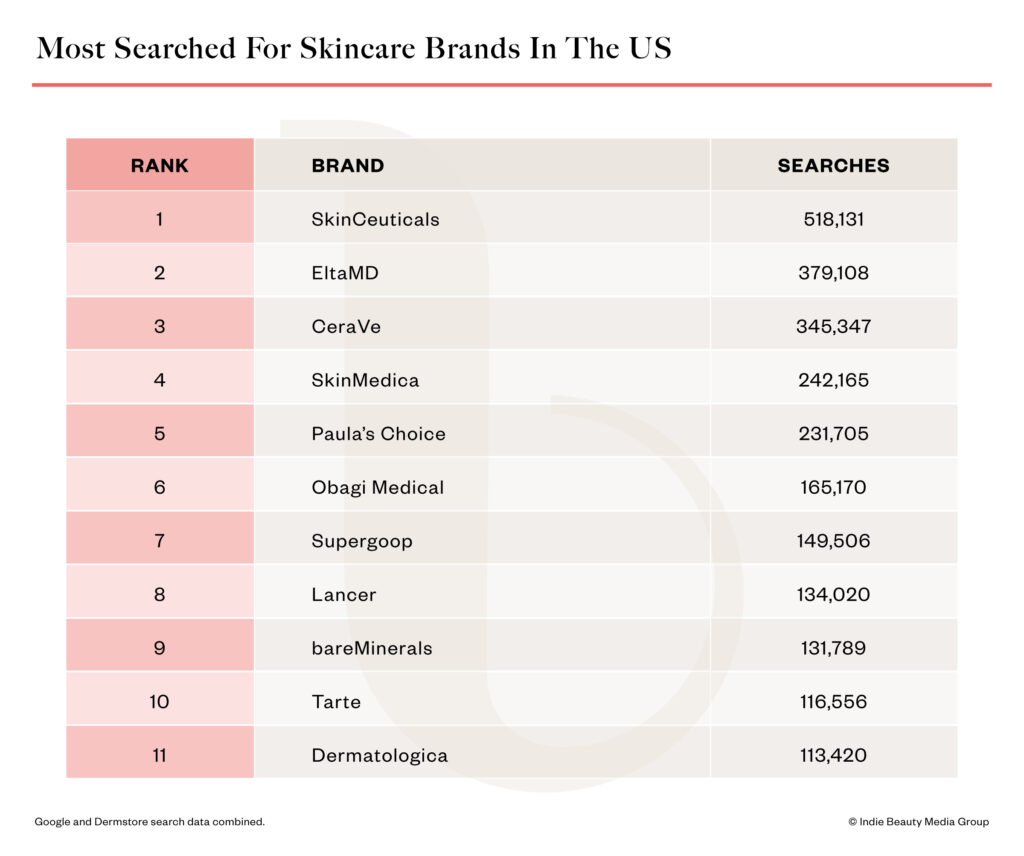
With key brands recently snapped up, what’s next for professional skincare? To try to predict the future, executives are looking to the past, specifically to missteps they don’t care to repeat. The sector’s crown jewel SkinCeuticals was scooped up by L’Oréal in 2005, and its distribution soon expanded beyond the professional category to various retail channels, notably or perhaps notoriously Amazon.
Although heightened consumer awareness bolsters SkinCeuticals’ sales to this day, the expansion soured many doctors, clinicians and med spas on the brand because their patients and clients could easily purchase its products in a number of places without medical professionals earning referral credit, an integral element of the relationship between brand and provider.
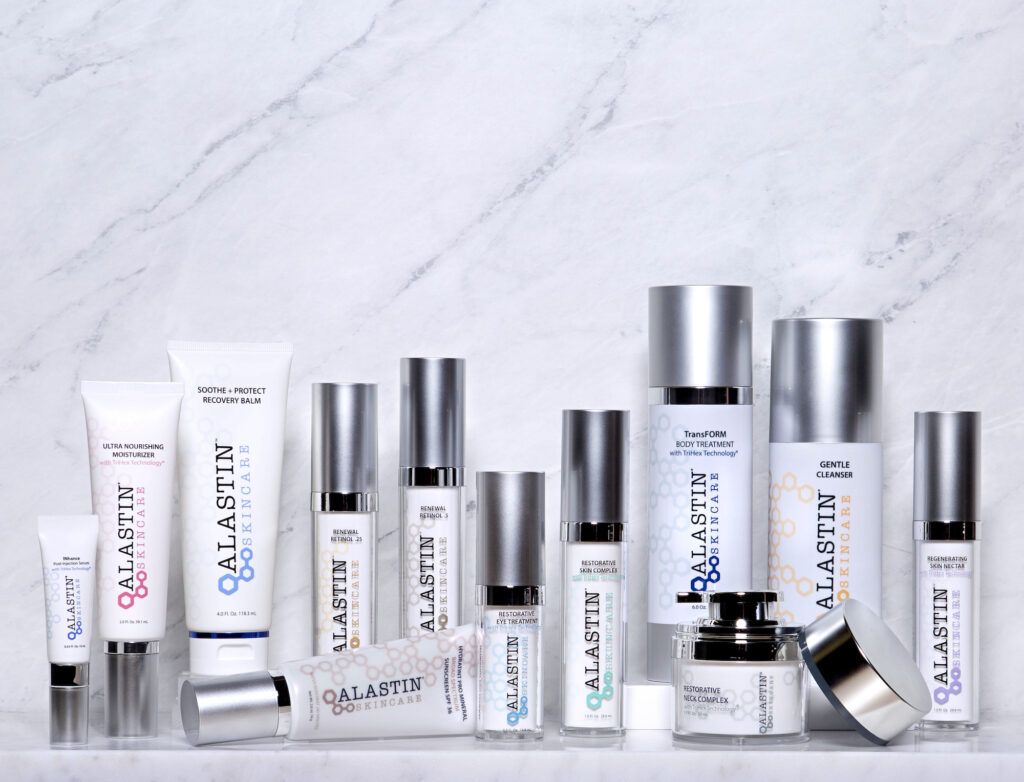
Post-acquisition, Diane Goostree, president and CEO of Alastin, promises to keep a tight grip on Alastin’s distribution in an effort to honor the symbiotic partnership. “We want the physicians to feel that they’re not going to go to a beauty retailer and see our product sold for a discount. We think that, generally, a physician or a healthcare provider should be involved in the choice of a product,” she says. “Even with the patients or consumers who purchase on our website, we ask them, ‘Where did you first hear about us? And about 80% of them first hear about Alastin from their healthcare provider.” Since it’s launch, Alastin has consistently experienced the highest sales growth of any professional brand, achieving a rate of 106% between 2016 and 2020.
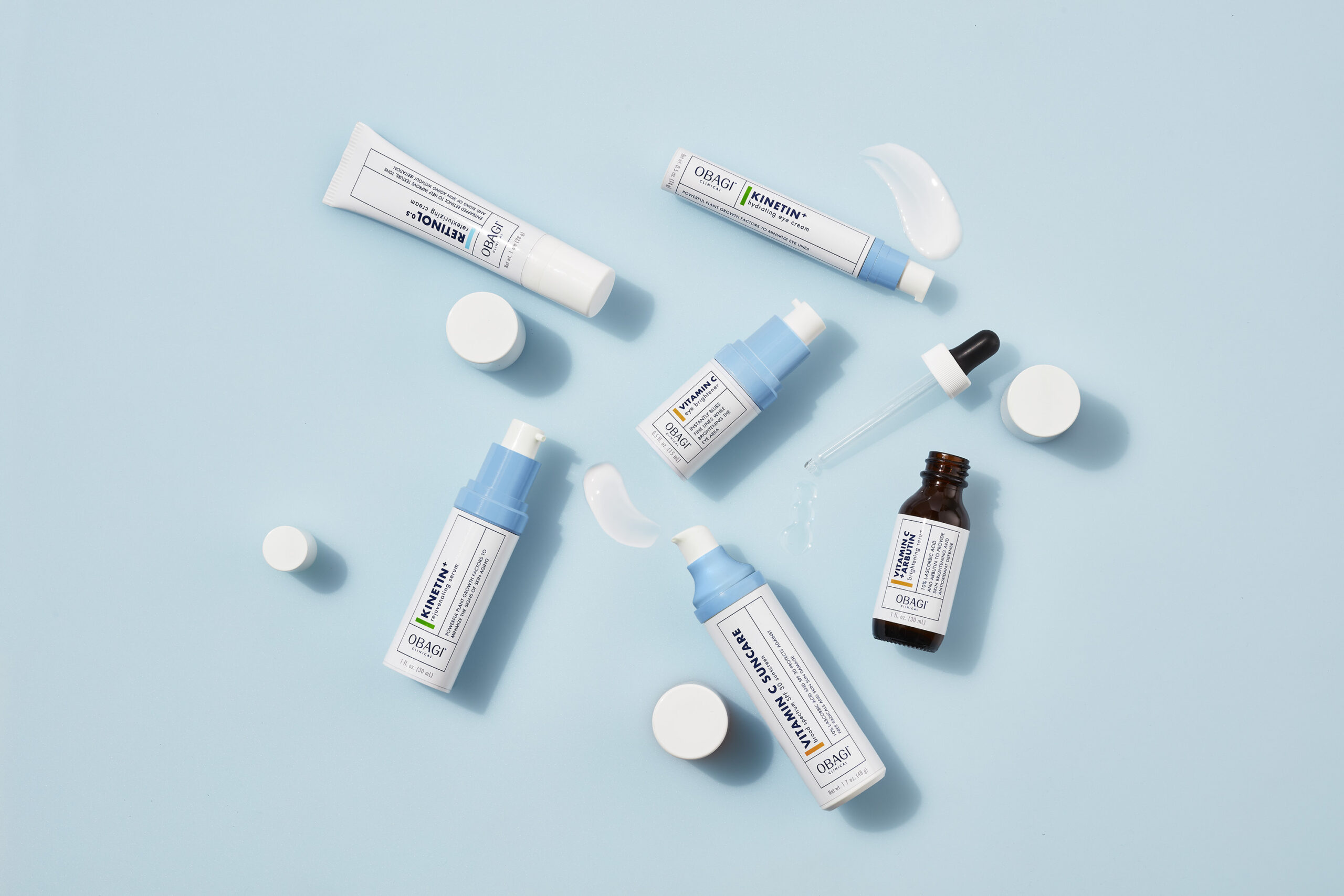
Michel Brousset, founder and CEO of Waldencast, plans to avoid brand dilution of Obagi’s professional range, Obagi Medical, by creating and refining sub-brands. Currently, Obagi has a consumer-facing brand, Obagi Clinical, which launched in 2018. Brousset shares that 2021 revenues for the brand were about $7 million, an amount he describes as “very small” compared to Obagi’s “very profitable” main brand that accounts for 95% of the company’s business.
He calls Obagi Clinical “a civilian version of Obagi, still ultra high performance, but obviously not to the level of performance [of the professional line],” and notes some of Obagi’s professional products are prescription only. “We do not want to do what SkinCeuticals has done to the medical business, water down the products, sold it to consumers, and removed the reason for doctors to carry it.”
Obagi Clinical’s “very small” size is at least partly due to the Obagi team being focused on the professional, not consumer, market. Consumer-facing skincare brands hire snazzy designers and produce slick advertising campaigns. Professional skincare brands are known for their clinical blandness. They mostly have white and silver airtight bottles and jars with black or blue lettering—and a lot of lettering at that. Aesthetics have historically been sacrificed in favor of info dumps on active ingredients and clinical test results. Revision Skincare’s packaging, while not high design, is certainly an outlier among professional brands with its streamlined black look. Of course, the brands were shaped to appeal to doctors rather than devout Sephora shoppers.
Obagi Clinical’s packaging will soon undergo an overhaul as part of a comprehensive brand update. “The reality is that it’s not intended to be a beautiful brand,” says Brousset. “This is a dermo-cosmetic, physician-dispensed brand. It doesn’t matter what I think, it matters what the people that are most important in regards to making the decision to buy it, which are physicians.”
Similarly, Goostree says Alastin’s packaging was designed to “match our persona as a clinical, healthcare provider brand.” Still, as the brand amplifies its digital reach, she’s open to refreshing it. “We’ve established our chops as a clinical line with the science behind it,” she says. “So, I think, if we did make the brand and appearance a bit more consumer-focused, our physicians and our core base who recommends us still understand that we are the brand with the science behind it. That gives us flexibility going forward. Whether it matters to the consumer is something that we would evaluate very carefully.”
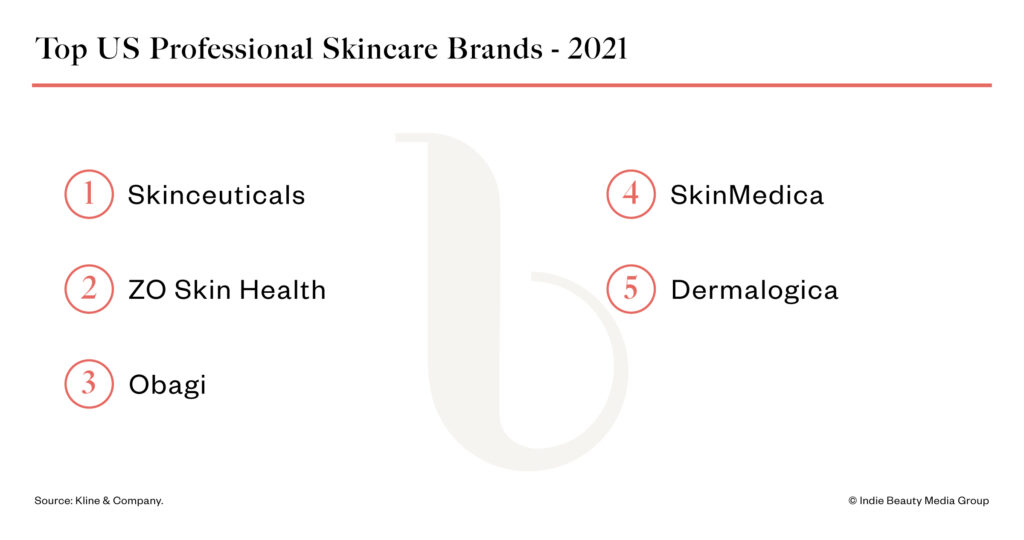
There are many factors pushing for professional skincare brand facelifts. When prominent brands in the space like SkinCeuticals, SkinMedica, PCA Skin and Dermalogica were founded, social media didn’t exist. Today, brands must have a compelling digital presence, though their efficacy affords them some grace.
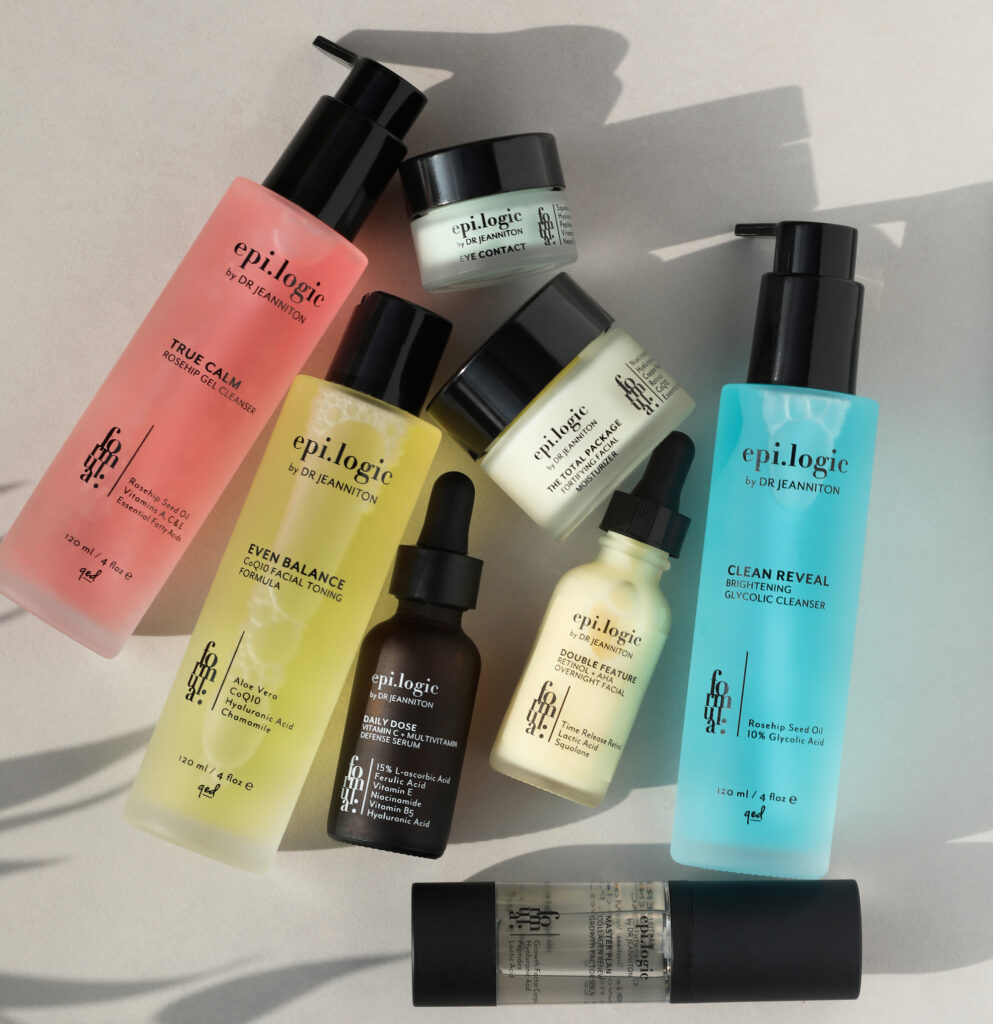
Chaneve Jeanniton, an oculofacial plastic surgeon and founder of skincare range Epi.logic, which she sells in her medical practice, Brooklyn Face & Eye, says the clinical environment has changed over the years, from the dull and dated offices of past decades to elevated and chic outposts that customers buying $200 serums have come to expect.
“Think about what a doctor’s office used to feel like. You can’t get away with that anymore,” she says. “I think clinical skincare is going to evolve the same way the clinical space has.” When Jeanniton developed Epi.logic, she tried to bridge the gap between the professional and consumer-facing skincare worlds with its design.
The meteoric rise of med spas has put pressure on the professional skincare category to evolve. It’s introducing professional brands to younger consumers highly educated on beauty and aesthetics. As this cohort’s spending power escalates, it’s anticipated to be a boon for the category. Lynn Heublein, co-founder and CEO of SkinSpirit, a med spa chain that carries Obagi, Revision Skincare and Alastin, among several clinical brands, has detected a marked spike in new consumers interested in professional skincare. “Once people adopt an effective skincare routine, they are sticking to it,” she says. “Additionally, consumers are more educated on skincare overall and starting their routines earlier in life. We see this translate to earlier consumer adoption.”
Brousset concurs that consumers drawn to science-backed skincare are skewing younger and younger. “We all know about the rise of the skintellectual. It started with these no unknowns, no nasties, all natural, things like that,” he says. “Very quickly people realize that there’s a lot of value and real science when it comes to skin.”
The pandemic demonstrated the popularity of at-home regimens and professional brands plan to capitalize on this trend. Alastin and Obagi are leaning into pre- and post-treatment home care along with rolling out in-office protocols. About 18 months ago, Alastin entered into an arrangement with the 150-unit aesthetics chain Ideal Image. Ideal Image previously didn’t carry skincare and decided to bring in lines with products synergistic with the procedures it offers. “We were one of the first skincare lines they brought on board primarily for our procedure products, but once they started to see the response and really understand our line, they’ve also now brought on much of our daily skincare also,” says Goostree.
Alastin’s star product is its Regenerating Skin Nectar. Priced at $195 for a 1-oz. size, it was formulated to be paired with procedures like lasers, radiofrequency, microneedling and peels because of its soothing and healing properties. However, Goostree estimates about of half of Regenerating Skin Nectar’s sales are from people who use it as a daily serum. Alastin also makes a booster to be used with a HydraFacial machine, and its most recent launch, $220 ReFORM & RePAIR Complex, is designed to be used pre- and post-surgical procedures on face and body.
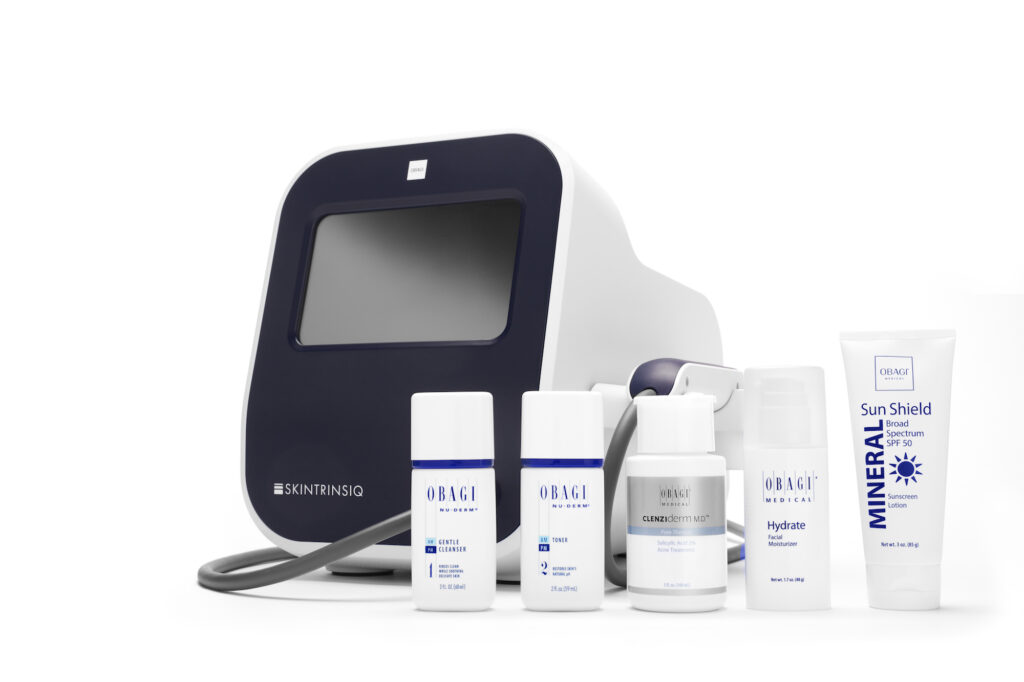
Last year, Obagi launched its first professional in-clinic machine, Skintrinsiq, which is constructed to deliver a deep cleanse and infuse Obagi products into the skin. It costs doctors $20,000, a cost that Brousset says can be quickly recouped. “We started as a test with 75 clinics, and it was incredibly successful in the sense that it allows us to drive loyalty and share of wallet within those clinics with a proposition that is highly compelling for those dermatologists, because they can sell six sessions for $1,000 or $1,200, and you can keep the patient coming back,” says Brousset. “It’s a massive growth opportunity.”
Further penetration of the dermo-cosmetic landscape is an objective for Obagi. “Obagi is present in about 40% of dermatologists offices, so there’s 60% more penetration,” says Brousset of the American market. International distribution is another objective for Obagi going forward, and Brousset names Brazil, the largest cosmetic treatment market in the world, Europe, and the Middle East as key target markets. In partnership with Switzerland-based Galderma, Goostree, too, believes that Alastin will be able to enter several international markets, notably without having to employ a distributor. Currently, 99% of Alastin’s sales are generated in the United States. The remainder is from Canada. Goostree says Galderma stretches to over 100 countries globally, but hasn’t had a skincare line prior to Alastin.
Jeanniton highlights a huge opportunity being majorly missed in the professional skincare category today: meeting the needs of skin of color. “In this new age, if you’re not paying attention to skin of color, you’re missing the point,” she says. Seizing upon the opportunity, there’s a groundswell of professional brands like Epi.logic founded by women of color, including RenewMD Beauty & Wellness founded by Simran Sethi, and VI Peel and VI Derm Beauty from Marya Khalil-Otto, whose raison d’etre is to address the needs of Black and brown skin.
“Clinical skincare needs to be inclusive. Rather than an afterthought, putting a model with like a gorgeous, deep skin tone in your marketing piece, she has to be part of the formulation intent and the testing. Her needs have been long neglected, and I think that any skincare brand that’s going to truly be clinical is going to have to be mindful of catering to all skin tones,” says Jeanniton. “The Black patient is in the clinic. She should have her needs met.”
The players
5 mentionedGalderma

iS Clinical
Too Faced
Under Your Skin
Ultra