5 Italian Indie Beauty Brands To Put On Your Radar
The fertile beauty market has sparked indie beauty activity. From personalized haircare products to a CBD purveyor that’s managed to connect with Italian consumers despite challenging preconceived notions about the cannabis ingredient, there’s plenty worth watching on the Italian indie beauty scene. Below, read about five rising indie beauty brands on our radar.
Darling: Alberto Giacobazzi and Ilenia Gebennini, co-founders of Darling, identified three main reasons why many people detest sunscreens: They don’t like their texture, they think they clog pores, and they only believe they should use them if they’re outdoors for long periods. Giacobazzi says, “We really wanted to change that, and we had and have the ambition of changing people’s perception about SPF products and raise awareness of the importance of skin protection, especially among younger consumers.”
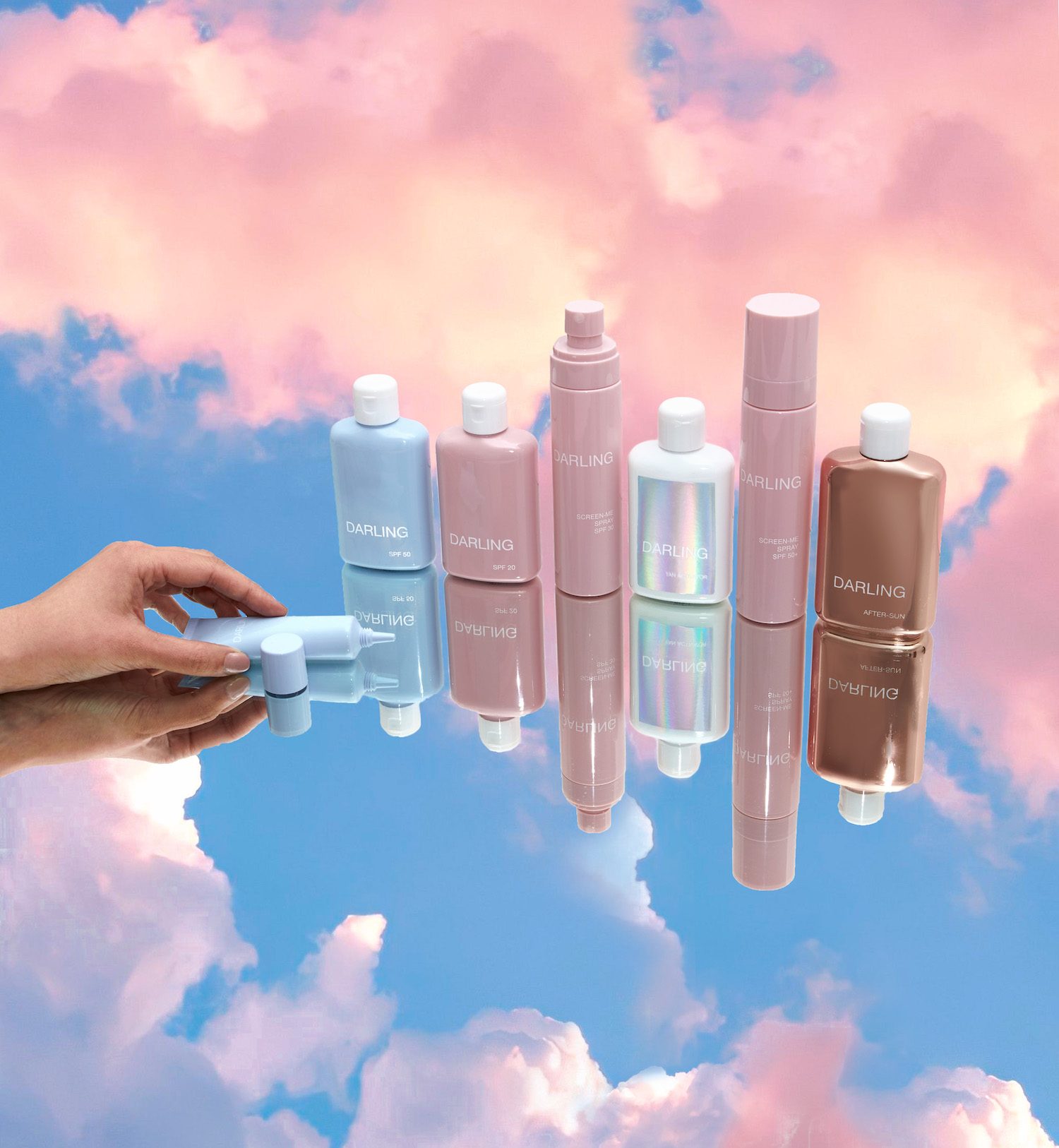
Born in 2019, Darling’s mission is to make sunscreen desirable, effective and pleasant to apply. To up the desirability factor, it crafted a simple, shelfie-friendly design. The packaging draws consumers in to discover the most important part: the quality formula. Darling’s products mix sun protection with trending skincare ingredients like hyaluronic acid and niacinamide. “We want people to enjoy the sun care experience, even with their eyes,” explains Giacobazzi. “We believe that, when selling products dedicated to beauty, it is essential to offer a product that is also beautiful.”
Darling’s product collection contains seven face and body products priced from 31 and 49 euros or around $31 to $50 at the current exchange rate. Its bestsellers are High Protection SPF 50 and Screen-Me Spray SPF 50+, its most recent launch. They’re the products with the highest SPF at Darling. Giacobazzi is proud its consumers are packing on the protection. “The fact that the higher protections are the bestsellers means a lot for a brand like Darling as our may concern is to convey the importance of skin protection through a positive and innovative image and communication,” he says. “This result means that we are making it in the right way.”
Italy and Spain are Darling’s largest markets, but the brand has a presence in 23 countries on three continents. In Europe and the United Kingdom, it’s been picked up by Liberty London, Cult Beauty, Galeries Lafayette and Niche Beauty. Giacobazzi wants Darling to be available across all of Europe by the end this year and has plans to expand the brand to Thailand and Israel in the fall. He anticipates the brand traveling to the United States in 2023, where he expects it to roll out to more than 300 premium stores and sell 100,000 products in the first six months.
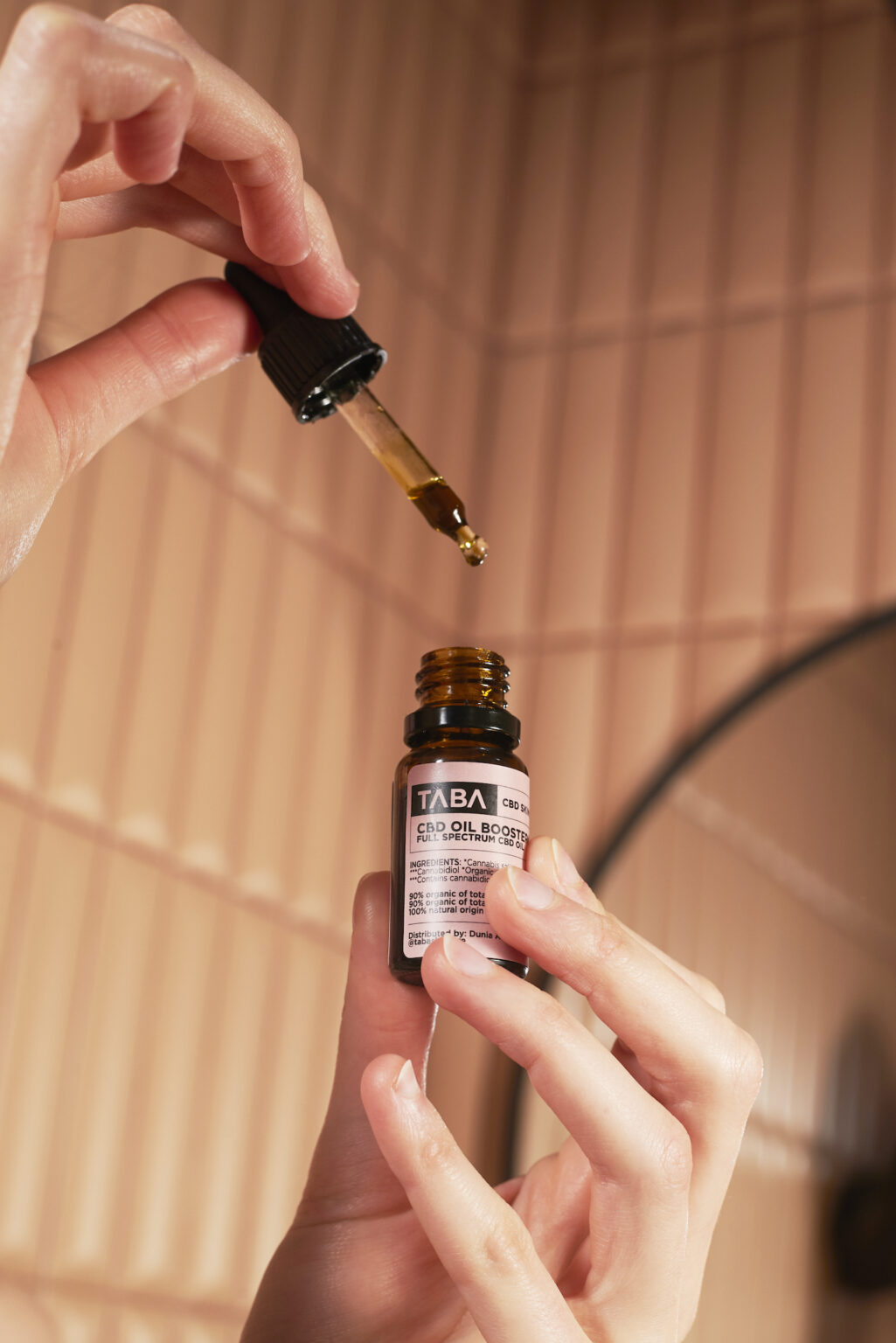
Taba Skincare: Dunia Algeri isn’t a CBD neophyte. Her brother has a hemp farm in the south of Spain, and she discovered the ingredient in 2016 when he gave her a tiny bottle of CBD oil to help heal breakouts and inflammation. A year later, she began diving into CBD research. Three years later, she began to formulate products with CBD before officially launching Taba Skincare in 2021. The brand’s assortment has 10 products, including Exfoliating Cleanser and Cherry-BD Lip Balm. Its most popular and most expensive product is Booster Oil 10%, which is priced at 69 euros or around $70.
Algeri launched Taba after shuttering her namesake fashion brand due to rising costs brought on by the pandemic. Being a founder two times over has put her in a unique position. She says, “Thanks to this first experience, I have avoided so many mistakes with Taba just because I have already done them before, and the development process was faster because I knew what to do, where to go and what I need to ‘succeed.’”
While the market for CBD products in the U.S. has been bountiful, CBD is nascent in Italy and steeped in misconceptions. Algeri shares an estimate that half of Italians weren’t familiar with CBD in 2021, and the half that was familiar connected it with marijuana and addiction. Taba avoids green packaging to dissociate from the cannabis plant, and Algeri has had to do a lot of education on CBD’s impacts on the skin. Taba’s website has a content section called The Magazine breaking down CBD’s uses and why it’s effective.
“Cannabis had such a negative feature in their mind,” says Algeri. “Now, a year and a half later, we can say that people have started to understand how the hemp plant works, what CBD is and they view it as an ingredient like vitamin c or retinol.”
According to Algeri, Taba was the first CBD skincare brand in Italy, and it’s faced barriers to growth. It’s unable to advertise on social media platforms such as Instagram, so has to get crafty on the marketing front. The brand created a four-page newspaper dubbed Taba Times, and distributes it five times a year around the country. Tapping into her fashion background, Algeri released a CBD Lovers Club clothing collection. Her unconventional methods have paid off. She discloses Taba achieved its 2022 revenue projections last month.
The brand’s products are available on its site along with select indie stores in Italy. “As amazing as the online world is, we deeply believe that our products like skincare in general need to be touched, smelled and tried,” says Algeri. Describing Taba has having an international vibe with an Italian heart, her goal is to secure international wholesale partnerships in the future while setting down retail roots in Italy with a flagship Taba store.
“We are from Italy, but we talk to the international world of beauty,” says Algeri. “We have an Italian heart because we are very passionate in what we do, our communication is very loud, and our products do not go unnoticed, just like an Italian.”
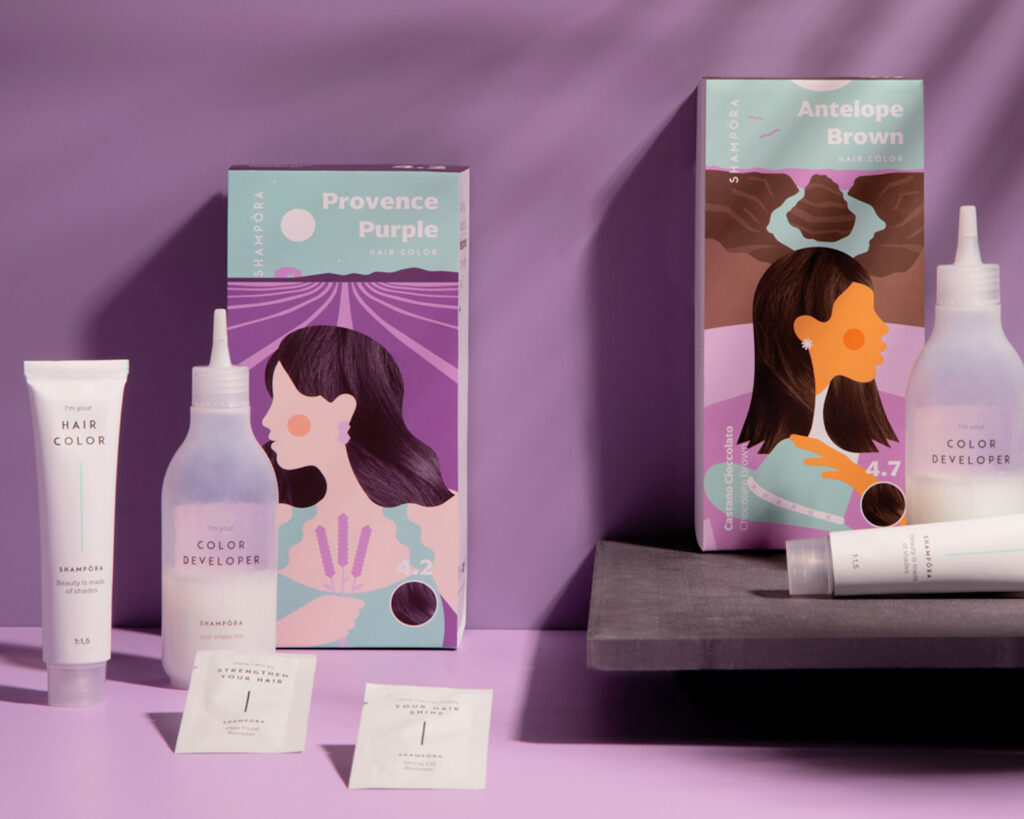
Shampora: Similar to the American brands Function of Beauty and Prose, Shampora produces personalized haircare products. Co-founder and CEO Manuel Corona started in the beauty industry selling products to hair salons in Italy. He went on to work as a sales consultant for Joico and Redken, and eventually landed at beauty booking platform Uala. Even with his long history in the haircare segment, when he searched for a shampoo was effective for his curly hair and dry scalp, he came up short. With the help of a friend who’s a chemical engineer, he whipped up his own solution, and the seed for Shampora was planted.
Boosted by pre-seed funding, the brand launched in 2018. Two years later, it receive $3 million in seed funding to enable it to open a factory in Rome. Corona says, “Italy is one of the biggest beauty product manufacturers in the world, so it was easy to set up a strong supply chain with reliable suppliers and super high quality.”
Shampora’s assortment includes customizable shampoos, conditioners, prime masks, leave-ins, hair oils and active water products. Prices range from 13 to 27 euros or $14 to $28. Personalized hair color products were introduced last year. The hair color launch was pushed up as a result of the pandemic-instigated spike in people dyeing their hair at home. The hair color line has 30 shades and up to 600 options for personalization. Tackling scalp issues is next, says Corona. Shampora has collaborated with dermatologists and pharmacists to address dandruff, excess sebum and itchiness. The scalp care products are set for release by the end of the year.
Nine out of ten customers opt for Shampora’s subscription model, which the brand premiered in the summer of 2020. It sends out up to three personalized products every one to six months at a fixed price of 29.70 euros or about $30. The brand reports it doubled retention and halved the time to the second order during the first half of 2022.
The personalization aspect of the brand makes wholesale partnerships tricky. For now, the brand is distributed strictly via its direct-to-consumer platform. Corona says, “We are obsessed with personalization because we want to deliver the best possible experience to our customers, and we don’t want to end up like yet another product on the shelves, so we will partner with the right players at the right time.”
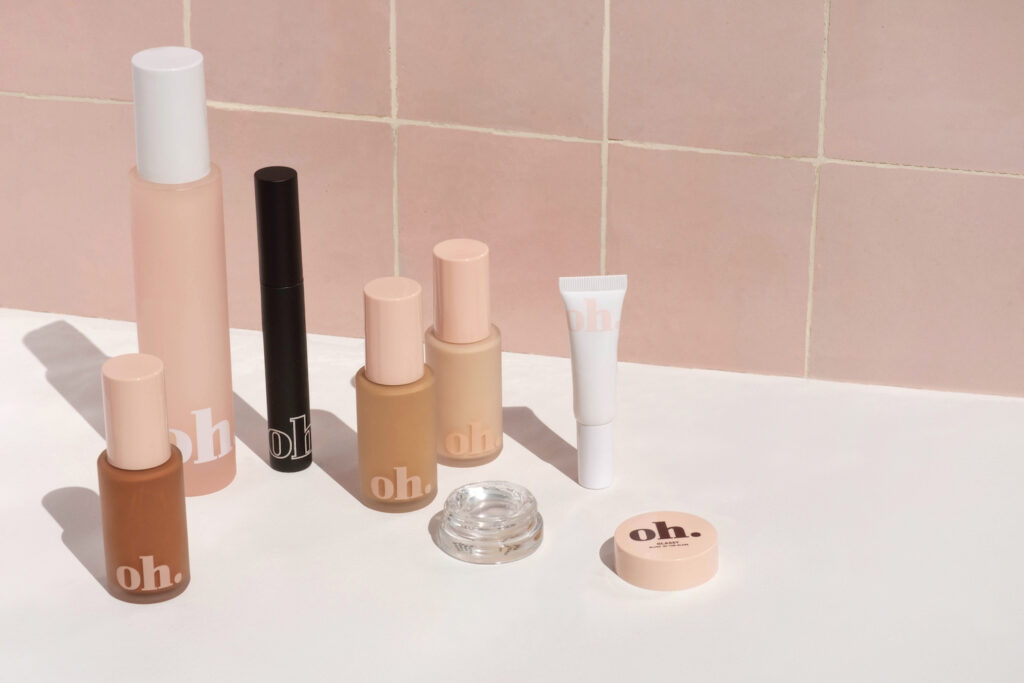
Espressoh: Espressoh’s Glass Blush went viral early this summer, leading to the product selling out three times in less than a month. Bethenny Frankel, the “Real Housewife”-turned-beauty influencer, called it her favorite product she’s ever tried in a video that’s racked up nearly 50,000 views on TikTok. The product’s clear gel texture reacts to wearers’ pH levels to provide a tint that complements their skin tone.
“Run, get on the frickin’ Internet and buy this,” Frankel urges her audience. Television show “Today” picked up on the Glass Blush craze and spotlighted the product on Wednesday. “Glassy is officially an international TV star,” the brand joked on Instagram of the spotlight.
Chiara Cascella started Espressoh in 2018 after working as a global project manager for L’Oréal. She wanted to create a brand that appealed to minimalistic, no-fuss makeup wearers. She says, “I also noticed how, in the era of indie brands, there wasn’t any Italian brand on the market while about 65% of cosmetics worldwide are produced in Italy.”
The brand is completely made in Italy, and Cascella likes to incorporate the country into its communication tactics as often as she can. For starters, the name of the brand is tied to the Italian penchant for espresso coffee, and caffeine is integrated into a handful of its products. Cascella says, “Our idea of makeup reflects the habit of drinking espresso for any Italian: Essential, fast and easy, good quality and powerful enough to get you going for the day ahead.”
Espressoh ships worldwide, and its $26 Glass Blush is its bestselling product in most countries. However, in Italy, the $26 ABC Concealer is the bestseller. Other brisk sellers are $33 OhMyGlow Skin Tint, $30 Dewy Latte, $21 Aroma Lipstick and $25 Intenso Mascara. Espressoh has plans to expand in the U.S. market.
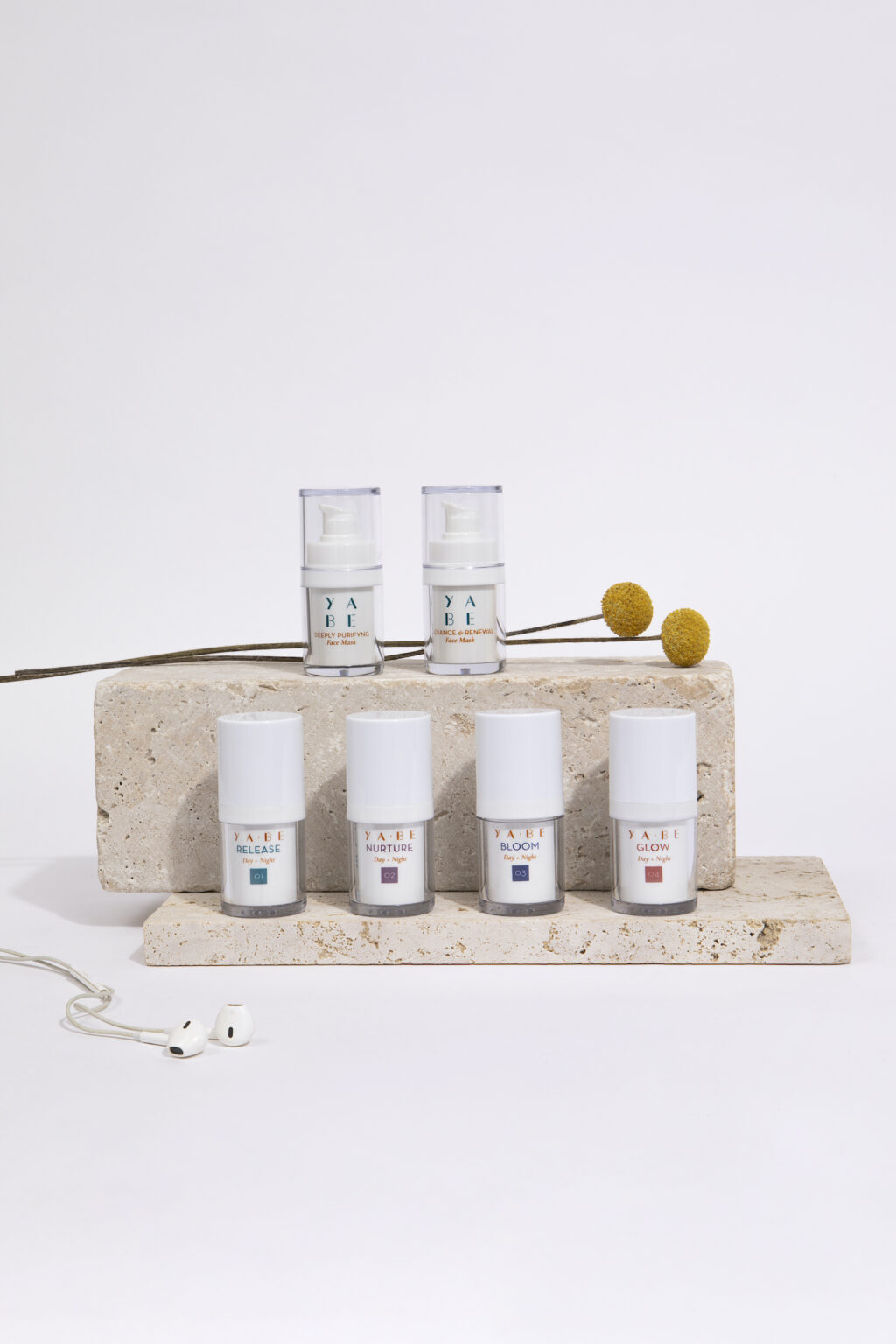
YA.BE: Merging natural skincare and mindfulness, YA.BE, an acronym for you are beautiful, has a unique technology-adjacent approach to beauty (one that doesn’t involve the metaverse). Each product in its 22-stockkeeping unit collection comes with a QR code that unlocks access to podcasts tailored to it. Its exfoliating mask, for example, is paired with a podcast that’s length matches how long it takes to apply the product. The podcast subject matter is centered on relieving anxiety and fear.
YA.BE co-founder Valeria Scargetta explains, “It purifies the mind while the face mask purifies the skin.” She continues, “It’s a digital yet intimate experience of self-awareness and self-confidence that completes and enriches at mind level the action of the cosmetic on the skin.”
Scargetta and her YA.BE co-founder Margherita Paradisi have professional backgrounds spanning marketing, women’s empowerment and business development. To fill in gaps on the beauty entrepreneur end, the pair have participated in accelerator programs. They were in Sephora’s European and Middle Eastern accelerator cohort in 2020. Others on the horizon are B Heroes’ B Wonder for female-led startups and The Break for female entrepreneurs.
YA.BE closed 2021 with 110,000 euros in revenue or around $112,000 and expects to end 2022 with 150,000 euros in revenue or around $153,000. Scargetta hopes the mentorship programs, along with the investment she and Paradisi are in the process of raising, will allow YA.BE to amplify marketing and brand awareness to get the brand to its goal of 1 million euros in revenue by 2025.
She says, “We are here to really change the definition of beauty and create an inclusive, passionate, engaging and loving beauty experience for everyone, and we do this with a natural, vegan, allergy-safe and digital personal development product that incorporates respect at all levels.”
The players
5 mentionedAS Beauty

Formulate
Minimalist
Too Faced
The Center