20 Bold Indie Beauty Predictions For 2020
Some inside the beauty industry might be pleading for a gap year between 2019 to 2020 for a chance to settle the uncertainty that reigns over the makeup segment, economy, regulatory landscape and social media. But charge ahead the industry must into a year that promises political storms, growing environmental awareness, aging millennials passing the media torch to their gen z counterparts, digital and legislative progress and setbacks, and global impacts of extensive supply chains and local decisions to improve the world. At Beauty Independent, we’re staring into the maelstrom and sorting through it along with everyone else in the indie beauty community. The business of beauty is moving so rapidly, we could have produced 50 predictions for 2020, but we’ll spare you 30 because we know you’re busy preparing for the future. Here are 20 of our biggest and boldest predictions for where the beauty industry will head next year and, if anybody can figure out how to squeeze in a gap year to hold these off from happening for a while, we’re open to suggestions.
Consumers can now track where the 3 billion garments sold by H&M per year are made. If H&M divulges information on the 475 factories it uses, why can’t emerging beauty brands divulge information on their significantly smaller number of vendors? Jenny Duranksi, founder of clean beauty retailer Lena Rose, asserts brands with sustainable positioning are going to have to. “Traceability means that, at every single point of the supply chain, can the brand provide real evidence of where its products are coming from? Can I see the purchase order for packaging? Are they sourcing from farms or Bulk Apothecary and Mountain Rose Herbs?” she asks. “Traceability is integral to a product being sustainable. If a brand really wants to stand on their sustainability program, they will have no problem sharing their entire supply chain.”
The rising importance of traceability offers opportunities for indie beauty brands and retailers to emphasize the differences between them and companies mass-producing beauty goods in far-flung manufacturing facilities. Ayla Beauty has seized upon that opportunity. For its first standalone product Sea Soak, the prestige beauty boutique painstakingly sourced seaweed and sea salt from California experts, and founder Dara Kennedy communicates about the experts to Ayla’s customer base to inform them about the process and people it takes to make a standout product. Seaweed forager Ian O’Hollaren hunts for the sustainable Giant Kelp off the coast Santa Cruz that goes into the soak, and Big Sur Salts spends months perfecting the salt that the kelp is paired with to get it in prime condition for a restorative bath.
“Our industry has some real untapped potential. If a product or an experience can change how you think about yourself, that’s fabulous. If it can change how you think about the world, that’s even more incredible,” says Kennedy. “To some people, the beauty industry and the products and sentiments produced by them seem fairly solipsistic. I think this is a moment during which we can all push it to a place of deeper meaning and connection —connection to the people behind a product, to specific ingredients and the planet that so generously provides them, and to the greater good.”
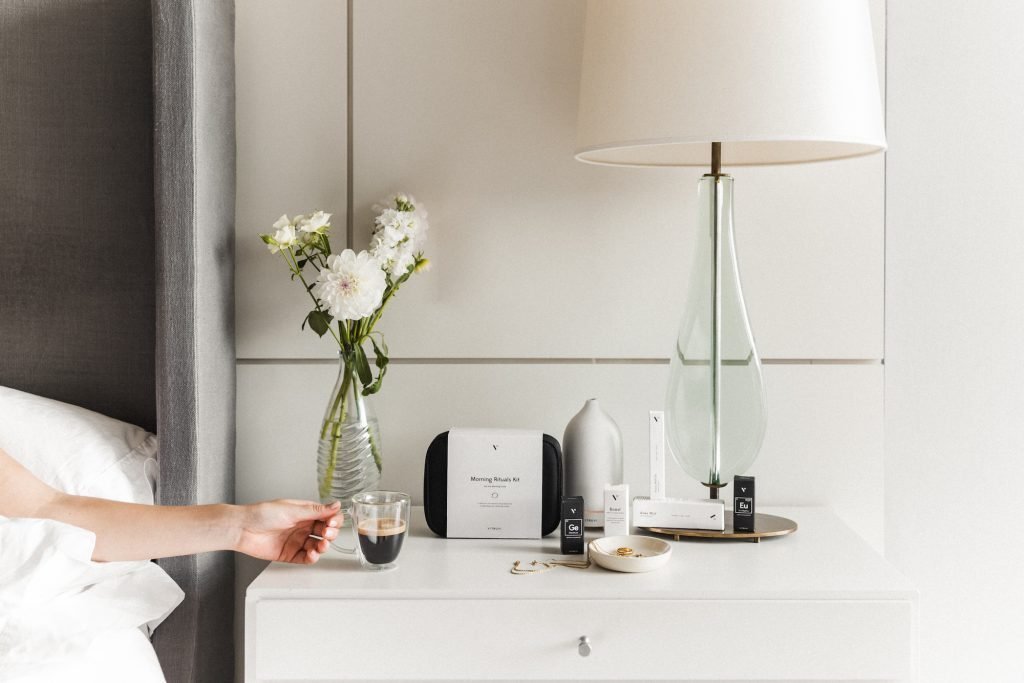
Tackling air quality is shaping up to be a major wellness trend in 2020. While most companies are focused on technology to take stuff out of the air to improve its quality, essential oil specialist Vitruvi is exploring ways to practice the next wave of aircare by diffusing substances like adaptogens into the air. “In terms of adding something to the air, that’s where Vitruvi comes in,” says founder Sara Panton. “Areas that we see opportunity in is talking about adaptogens and stress. One, through the essential oils that we already use like lavender that’s been shown to reduce stress response or have a calming effect when breathed in, but also through exploring different ways that we can put adaptogenic herbs in the air. As the adaptogen craze has increased through products like reishi, ashwagandha or rhodiola, we’re thinking about how that translates to air.”
Panton stresses that the aircare project is currently in ideation due to sustainability concerns around the farming of adaptogenic herbs. Still, Panton is excited about the possibility of improving one’s environment through botanicals. She says, “We’re currently looking into the adaptogenic botanical industry as a whole and how Vitruvi can play a part in that in the next year [with] this idea of scent and adapting to a room or a space or setting the tone for a space through botanicals.”
“If you wanted to make a lot of money, you should start a sustainable packaging research and manufacturing company right now because there’s an insane amount of demand,” declares Cocokind founder Priscilla Tsai. Increasingly conscious consumers are demanding brands depend on more sustainable packaging options, but the packaging industry is struggling to meet brands’ needs, especially price-sensitive indie brands. Tsai says, “There is obviously a cost barrier as well to sustainable packaging, and that’s all because of the lack of supply. A shampoo bottle could be like three and a half times more expensive for a more sustainable option.”
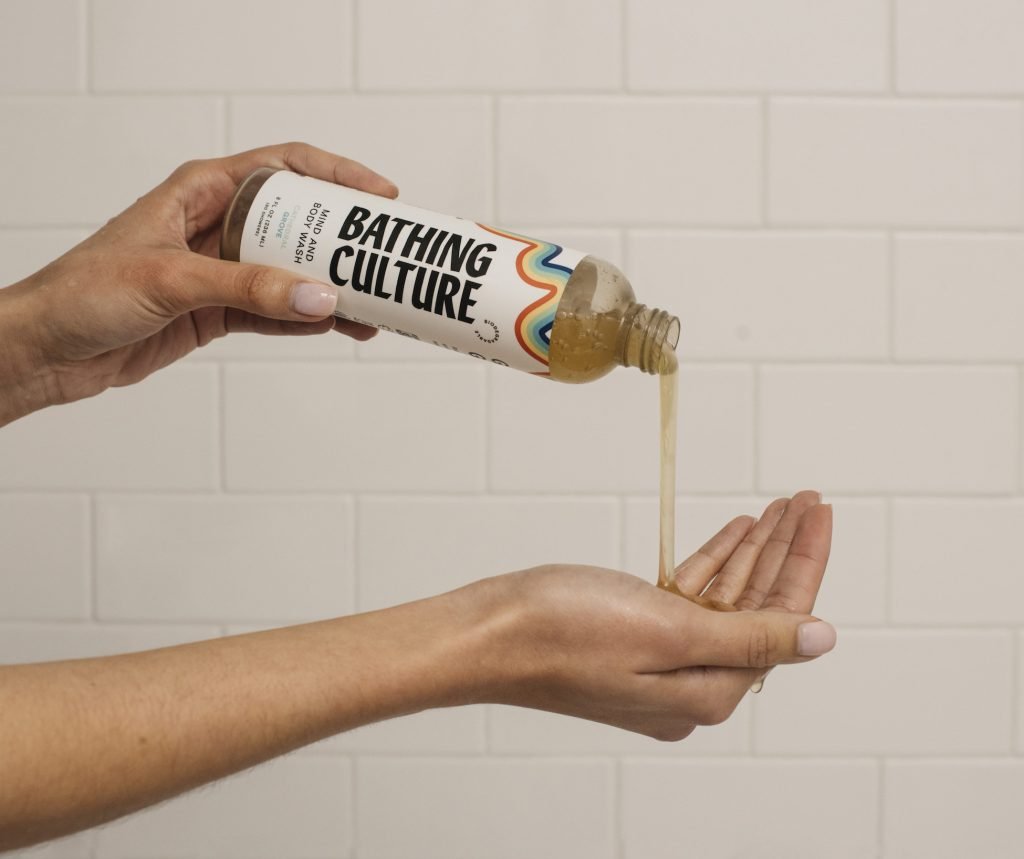
Until more amenable options come to market, brands will have to tap their entrepreneurial ingenuity to devise temporary solutions. Many are reassessing their supply chains and cooperating with fellow brands and retail partners to green their businesses. Bathing Culture co-founder Tim Hollinger shares that his company has pledged no new plastic by the end of 2020, but he admits “it’s been really hard to wring it completely out of our supply chain.” He says, “We’ve been able to successfully convince some of the largest stakeholders in our space like Urban Outfitters who mandate single-use plastic in their shipping/kitting to change their policies for us.”
Hollinger implores other brands to also take the no new plastic pledge. “The more brands who make this pledge, the easier it will be for all of us to work together to shut off the plastic faucet,” he says. Tsai’s solution is to divvy up Cocokind’s product offerings, which are affordably priced between $9 and $25, between retail partners and direct-to-consumer distribution based on margins. “We’re still going to hold ourselves to this [accessible] pricing value,” she says. “However, what it then means [is that] maybe that product [in the more expensive sustainable packaging] is only a DTC item, and we don’t put it into our retailers like Target and Whole Foods.”
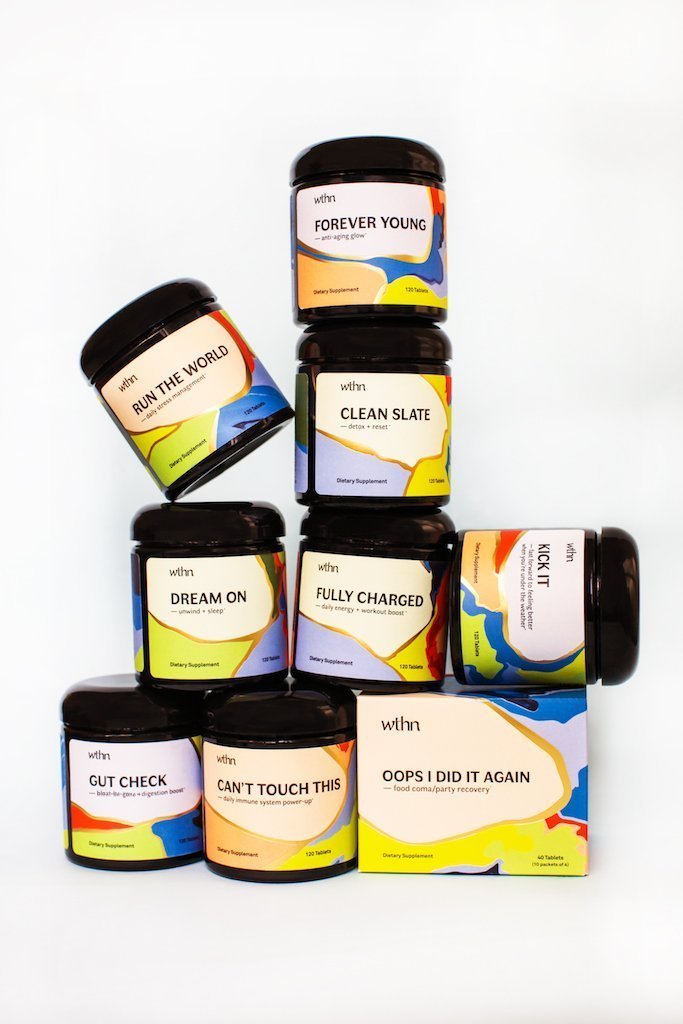
Products are bought very differently in 2019 than they were just five years ago. Expect the retail evolution to continue, and non-traditional retail models to surge in the coming decade, with consumers demanding more than simply shelves with piled with products to pick from. Experiential retail, dedicated shop-in-shop pop-up spaces like New York City’s Showfields and wellness centers with robust retail offerings like Clean Market provide a business diversified revenue streams, and give consumers reasons to walk in the door and stay a while. “We think of retail and services as a flywheel in which retail is a gateway to services and services are a gateway to retail,” says Michelle Larivee, co-founder of New York City acupuncture center Wthn. “Given that we are ground-floor retail space on a busy block in flatiron, we do get a lot of traffic that walks in because they see the products and end up booking a treatment. Even more often it works the other way, clients come to Wthn for acupuncture treatments, and their healer recommends herbs or other products to maximize treatment results. Through these recommendations, clients discover our boutique and use it as an ongoing resource for their health and beauty needs.”
Emerging direct-to-consumer brands have embraced pop-up and temporary retail models for cheaper entry points to testing physical locations. Insta-worthy installations such as Showfields adult-size slide draw people to a space where they can discover independent brands they would not have otherwise. “Consumers are interested in those types of destinations because it’s all about discovery,” says Kristy Engels, SVP of marketing and brand strategy at Beauty Barrage. “You can go there and really discover a lot of things that might not have made it into retail. There’s a sense of more uniqueness, [and] the consumer now likes to be the first one to know about something. They want to be seen as the authority to their friends.” She emphasizes, “More and more, we continue to see retail [being] driven by experience and those types of places keep delivering on it.”
Blue light, the light given off by our phones, computers, tablets and other electronics, has become public enemy No. 1 in the wellness world due to its purported deleterious effects on our health. “People are becoming aware that blue light suppresses melatonin production,” says Aaron Drogoszewski, co-founder of recovery treatment center Recover NYC. “So, we’re going to see a surge in eyewear for that.” While you may be reading this through a pair of amber-colored blue-blocking glasses, that’s not the whole story on super-bright light. Sometimes, blue light can be beneficial and products are popping up to harness this healing power. Drogoszewski says, “For people around this time of year who don’t have access to blue light when they should, meaning in the daytime, because that same blue light while it suppresses melatonin, it promotes serotonin production, there’s devices like The Human Charger that delivers light through your ear canal if you don’t have good natural light exposure to stimulate that serotonin production.”
The Human Charger looks like an iPod (remember those?) with earbuds that emit blue light directly to the brain. Drogoszewski explains, “There’s a lot of really good research on the way that your brain can be stimulated through the ear canal for light purposes. Blue light through the eyes will suppress melatonin production, but through the ears it does not. So it’s a real win-win.” Drogoszewski believes that people are realizing that, just as there is healthy food and junk food, there is a healthy light and junk light. “You’re going to see a lot of devices on either end, either removing junk light or promoting the lights that we do need, either in the daytime or nighttime,” he says. “Amber lights for people at home at night, so they can light their house without stealing from their sleep hygiene. Stuff like that is going to become big.”
The vulva and vagina had quite a year in 2019. There were sex toys, lubes, clean period care brands and CBD-infused serums galore. Yet, there are areas of women’s health that remain taboo. Breighl Robbins, founder of Ebi, and Tovah Haim, founder and CEO of Bodily, are on missions to tackle the final taboos of feminine health and associated market white spaces. “Areas such as childbirth recovery and breastfeeding, in addition to menopause and incontinence—Did you know that 50% of women by age 50 are incontinent?—remain culturally taboo,” says Haim, whose newly-launched company is an online educational and shopping destination covering inadequately addressed areas of women’s health. “We don’t talk about them, which leaves people blindsided by common physiological experiences, feeling isolated and confused, unprepared and ill-informed to manage through what’s happening to their bodies. We need to look into changing this as a culture by speaking more and catering to those in need.”
Bodily and Ebi create kits packed with products to be used during birth, postpartum and during nursing. Items in the kits, which are priced from $85 to $150, include herbal sitz bath blends for postpartum perineal soaking and organic cotton nipple pads to soothe nipples sore from nursing. Haim says, “We ultimately want to create comprehensive first-line-of-defense resources for inadequately addressed areas of women’s health, something that is long-overdue.” She’s is confident she and her femtech entrepreneur colleagues can dismantle the stigma that envelops female physiology. “I am proud to play my small part in that,” says Haim. “It’s long overdue, and I believe that both founders and consumers, respectively, feel that way. We’re ready for this cultural change that is going to wash over us in the next five years and beyond.”
Kegelbell, a recent launch by former philosophy professor Stephanie Schull, was created because an estimated two-thirds of women suffer symptoms from weak pelvic floors, leading to bladder leakage, vaginal dryness, vaginal laxity and orgasm dysfunction. “Male-led businesses have kept women suffering for profit and culture has kept women weak for control, and this has left women on the hook purchasing consumables that are only ever band-aids that do not solve their core problems,” says Schull. “Case in point, incontinence pads and diapers will never solve the problem, whereas Kegelbell does get to the cause and resolves the issue.”
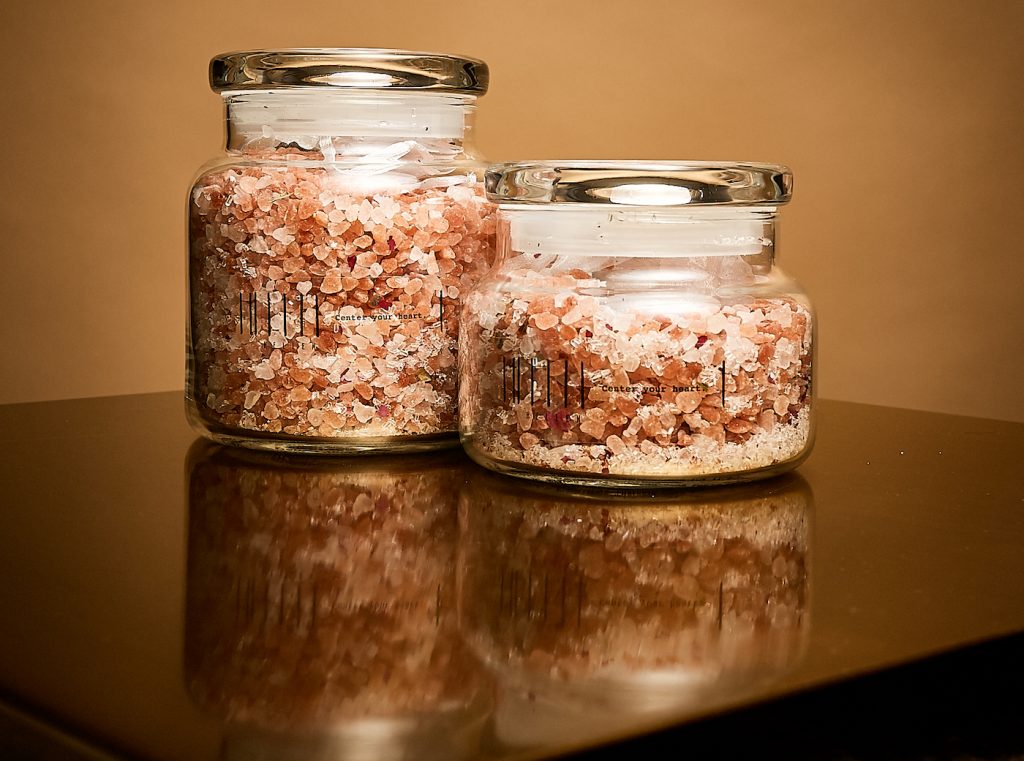
Brands will increasingly turn to technology to help frazzled consumers disconnect and destress. Hellen Yuan, founder of aromatherapy and bath blend brand Hellen, has been drawn to salt water for as long as she can remember. Knowing that water and salt are a formidable combination, and being a firm believer in the ritual of bath, she created four aromatic bath blends using therapeutic-grade salts, oils and precious stones. Yuan didn’t stop there. For each bath brew, she had original music composed that lasts 20 to 30 minutes, the time she believes you should remain in the bath for self-care full effect.
“Eventually, I would love to have all of our custom-created music incorporated with our product line in an app, complete with detailed ritual information and tips for at-home aromatherapy,” says the entrepreneur. “I do think people are finally being consistent with sound baths and sound energy healing. It’s a personal passion of mine to unlock all sensory experiences, and this has been a labor of love creating music to match my products’ intentions.” She asserts technology and the wellness industry are great partners, and industry professionals are trying to figure out how to maximize it to aid consumers. Yuan is more than hopeful that a synergy will be struck. She enthuses, “We are so fortunate to live in this time where we have so many opportunities accessible to us at our fingertips.”
Beauty retailers ordering supplements is one thing. Customers buying and taking them is quite another. Many beauty retailers have discovered that people aren’t regularly downing pills, powders and drops. They’re not dedicated or convinced imbibing the products does much good. Jennifer Freitas, founder of the clean beauty retailer The Truth Beauty Company, predicts, “We may see a decrease in popularity for the ingestible beauty category. I think people were swayed in the last few years, but results are hard to actually monitor, so I feel the fan base has waned a bit.”
The possible slowing of supplement sales at beauty stores suggests retailers will be scrutinizing their ingestible collections and excising inside-out brands that aren’t winning over shoppers. Lena Rose’s Duranski figures consumers are intrigued by the concept of supplements, but they’re not intrigued enough to snap them up in beauty environments. “In the store, when they learn about these products, they are like, ‘Wow, that’s amazing,’ but they don’t ever purchase them.’ Maybe everyone is going to Whole Foods to buy these items, and the supplement brands they carry there are doing really well,” she says. “In my store, I am not sure I will ever place a wellness order again. They just sit on my shelf.”
A few years after brands like Colourpop, Kylie Cosmetics, Morphe, Dose of Colors and NYX rode a social media wave that spiked makeup sales, Fenty Beauty arrived on the cosmetics scene to shine a glaring light on the insufficient attention paid to women of color in product development. The brand’s 40 shades of foundation quickly became an imperative bar in the beauty industry. Following Fenty Beauty’s splash, brands such as Coloured Raine, Uoma Beauty, Mented Cosmetics, Hue Noir, Beauty Bakerie and The Lip Bar have continued to ensure the cosmetics space is responsive to a variety of consumers.
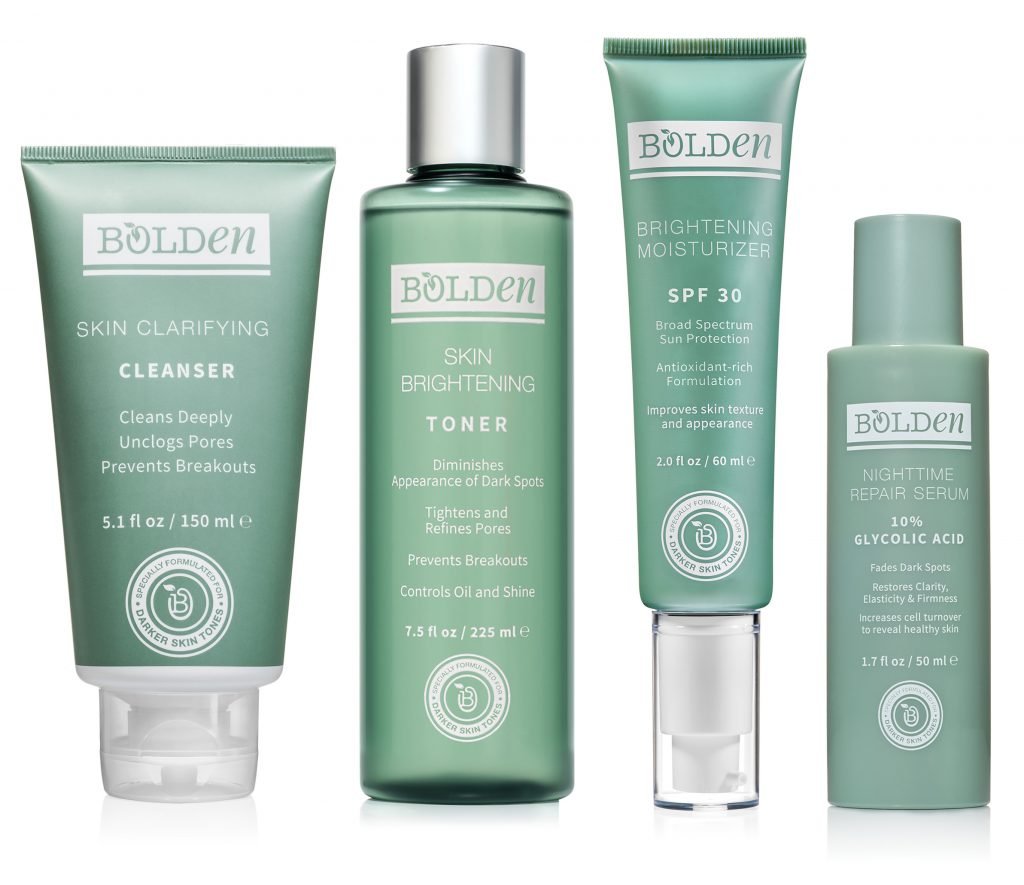
Now, after skincare has surged and propelled brands like The Ordinary, The Inkey List, Drunk Elephant, First Aid Beauty and Tata Harper, the segment is beginning to recognize that women of color must be addressed. Target and Ulta Beauty have taken steps to make their skincare assortments more inclusive by picking up the brands Bolden, Specific Beauty and Urban Skin Rx. Epara is breaking through at the high end to cater to women of color shopping for luxury items at Harrods and its ilk. Online, brands with inclusive aims such as Rose Ingleton MD, Minimo Skin Essentials and Gloryscent have surfaced.
From a representation standpoint, the skincare category remains behind haircare and cosmetics. Chinelo Chidozie, who launched Bolden with her sister-in-law Ndidi Obidoa in 2015, told Beauty Independent earlier this year, “When we initially started, we were trying to find benchmarks of people doing what we wanted to do, and it was very scant. Even though beauty is super saturated, and brands are coming out every day, we were still having a hard time finding someone who was directly messaging or developing products that would work well for our market.”
Ameann DeJohn, founder of consultancy Ameann Beauty, believes the skincare picture will broaden drastically in the near future. “Although Fenty came out with foundations, there hasn’t been as much happening in skincare, but there’s going to be game-changing happenings in the market,” she predicts. “There will be products that will actually work based on the amount of melanin in people’s skin.” Coupled with inclusive skincare will be an upswing in interest in inclusive sun care. In its report looking ahead to 2020, The Future Laboratory, singling out the brand UnSun, wrote, “There has been a common misconception that those with darker skin tones are not as susceptible to sun damage, but the American Academy of Dermatologists recommends that everyone should wear SPF 30 every day, regardless of skin type.”
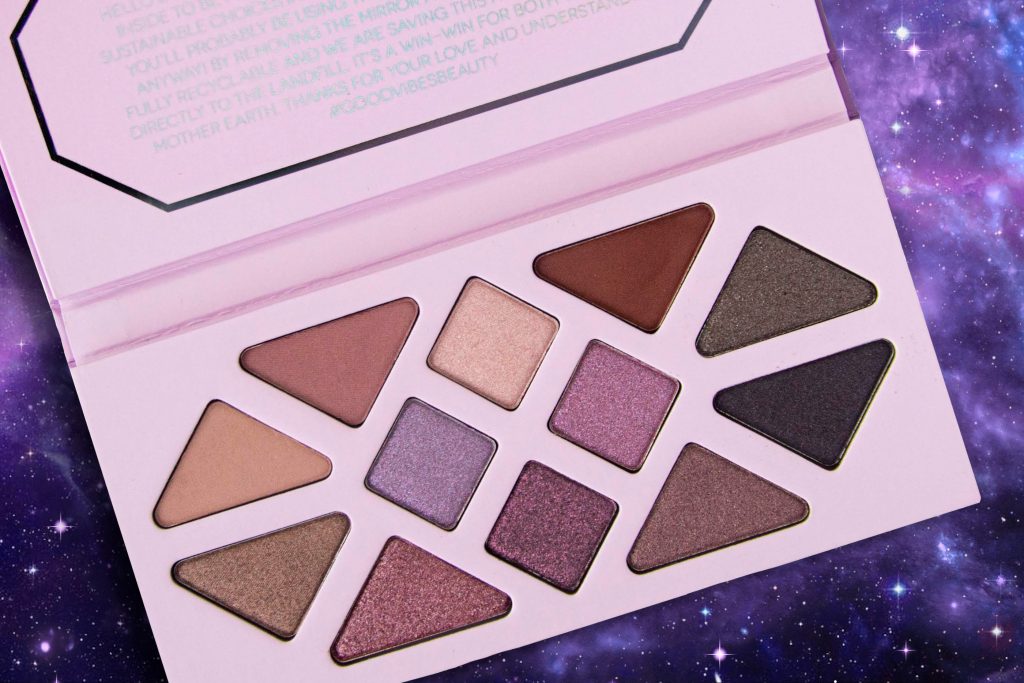
It’s not controversial to say that there’s a lot of crap beauty brands put out. Most of that crap ultimately ends up in landfills. Most of that crap isn’t from the most productive stockkeeping units brands have. Much of that crap in the cosmetics area may have hurt business. In a recent Instagram post, makeup artist and cosmetic developer Kevin James Bennett, commenting on Anastasia Beverly Hill’s release of eight palettes in four months, asked, “Do you think that we’ve reached a saturation point for these constant palette launches and cosmetic companies need to take a break?” Next year, they’ll be taking a break to invest in powerhouse items and overhauling their brands to beef up performance, and slow down the pipeline of SKUs that could be a drain on the bottom line. If the SKU stream doesn’t decelerate, the cosmetics segment may discover it ends up similar to the mass fragrance market, awash in items no one hankers for anymore.
Speaking about the beauty industry writ large, Freitas forecasts a forthcoming boom in brand makeovers and a deviation from feverish launch cadences. Indie brands that have been around for a while are ready for renovations, and the stores that carry them are too stuffed to stick in mountains of new merchandise. Freitas says, “Brands that have paved the way are now generating enough in sales that they want to refresh their looks and make themselves dressed to stand next to their conventional counterparts, especially as they are headed to the same retailers.”
For brands that have hung their hats on sustainable missions, relentlessly churning out newness seems uncouth. They’ll reevaluate the products they’re dispersing in the world to determine if they can cut back. At natural perfume brand Abel, for example, founder Frances Shoemack won’t introduce a product unless she removes another one from her assortment. “People are always asking me what’s next and what’s new, and I just think there’s so much pressure on newness, and I think it’s a negative thing,” she recently told Beauty Independent. “Brands need to be responsible for that as well.”
The Ordinary and its successors The Inkey List, Typology and Ghost Democracy have responded to and initiated discussions about ingredient percentages in skincare formulas. They’re proving to consumers they deliver concentrated formulas by presenting the percentages of important active ingredients on their packaging. The rationale for the displays of digits is to set the brands apart from big mainstream competitors thought to practice what’s called “ingredient dusting” or sprinkling formulas with “blessing ingredients” for marketing reasons. Under this practice, brands promote blessing ingredients without paying the cost of putting effective levels of them in skincare, and consumers don’t get benefits from them. Of course, consumers can decipher information about the amounts of ingredients in beauty products by scanning ingredient lists, but lists don’t convey complicated ingredient scenarios such as compounds that are potent at small dosages or in combination with other substances.
Consumers’ grasp of marketing gimmicks is mounting, and the brands that are sniffed out by them as ingredient shysters will be unmasked as formula frauds selling worthless merchandise. While she doesn’t think the public has quite waken up to ingredient gaming, cosmetic chemist Vanessa Florentino, founder of cannabis beauty brand Fifth & Root, says, “I love the trend of listing the percentages of ingredients like vitamin C and retinol. We list out the content of CBD on every one of our products, so you know we are not just greenwashing. I think transparency is key and consumers are demanding nowadays, and I’m on their side.”
Indie beauty brands don’t have to spell out the percentages of every ingredient to satisfy scrutinizers. Rather than etch the percentages on bottles and tubes, Liz Bishop, founder and CEO of new skincare and wellness brand Urja, recommends brand founders be able to answer detailed questions about their formulas when they’re pressed by curious customers. If a customer asked her about willow bark in Urja’s products, she says, “I would have the data on willow bark that I would share that shows the level that we use is a level being used in studies. A brand owner and a product development person has to make sure the key ingredients the brand is being defined around can be supported with clinical data.”
Universality is out, and individuality is in. The beauty industry has experienced the trend toward product specificity rise with customization concepts. Now, the trend is transitioning to compel brands to skillfully hone products for extremely precise customer groups. Melody Bockelman, founder and CEO of Private Label Insider, says, “In 2020, we are going to see more brands create targeted solutions for niche markets and serve those markets well…Gone are the one-size-fits-all, and we will see an increase in brands being built specifically for gen X, boomers [and] millennials instead of for everyone in 2020.” Crème Collective CMO and partner Therese Clark, founder of Lady Suite, imagines brands being narrowly focused on skincare concerns such as hyperpigmentation. The hyper focus can lead to a strong connection between a brand and its consumer base, and foster loyal relationships that are crucial at a difficult juncture for acquiring new customers.
TikTok was the talk of 2019. Beauty brands, specifically Hero Cosmetics and E.l.f., had success hopping onto the short-form video platform. Compared to Instagram, it remains an open playing field. But it’s not the only platform drawing the eyes of gen z. Photo-sharing app VSCO, viral content instigator Imgur and video game platform Twitch are popular with the young demo, too. Brands that understand and are fashioned to be relevant to consumers on the platforms they spend time on can gain from entering them as their stodgier competitors remain on Instagram, Facebook, YouTube and Pinterest. “The younger companies that are coming out now they need to master those new channels first because brands that are first in get the edge. For someone like us that’s been around, to have a TikTok strategy is a much bigger lift,” says Murphy D. Bishop II, co-founder of The Better Skin Co. “If you are a new brand, you need to jump on them.”
Horse pills are for horses. Humans need vitamins in more palatable forms—and companies are producing them. Watch out for a slew of vitamin constructs that aren’t as difficult to swallow (figuratively speaking). The brand Radiate Wellness supplies magnesium, DHEA, and vitamins B12 and D through fast-absorbing topical creams. Supplementation never made skin feel smooth before. Describing itself as the anti-vitamin, Gem delivers vitamins in a novel format: food. Apparently, food can be digested—and so can the vitamins in it. In the CBD sector, supplement innovation is speeding up as brands attempt to extend their product offerings outside of tinctures. Angela Kapp, co-CEO of TruPotency, says, “I believe you will see more ingestible products beyond tinctures. This could be edibles or transdermal patches, which can give relief over longer periods of time.”
Next year will mark the 60th anniversary of the Food and Drug Administration approving the birth control pill. The invention and spread of the pill were undoubtedly among the greatest modern achievements for women. However, not everyone reacts the same to being on the pill. Since it’s been widely available, millions and millions of women have complained about how their bodies react to it and, often, their complaints have gone unheard. Today, influential women’s wellness advocates like hormone authority Alisa Vitti and doula Latham Thomas are prodding women to take deeper looks at their usage of the pill. And brands are popping up to give women more birth control choices. For example, Smart Women’s Choice sells a plant-based, hormone-free contraceptive product. In addition to alternative contraceptive options, brands are developing products to combat the unwanted effects of hormonal contraception. Supplement brands Eden and Hello Me address the downsides of the pill with formulations designed to support women’s health.
In the absence of a federal standard for clean beauty, retailers have crafted their own standards. Credo, Sephora, Whole Foods and Target each have their own ingredient prohibitions for brands that they deem clean. Brands are formulating to them to be judged clean, but it’s not easy to figure out exactly what to do to guarantee products adhere to the myriad of guidelines. DeJohn senses a business opportunity in the confusion. She says businesses will begin to assist brands with clarifying the different requirements and verifying that their formulas meet them. The risks are high for brands. If a brand is launched with the intention of heading to specific retailers and doesn’t check all their boxes, they can stumble out of the gate. The indie beauty ecosystem that has already blossomed with social media, public relations, manufacturing, distribution, packaging, logistics firms and more catering to their needs will expand with additional entrants cultivating ingredient requirement expertise.
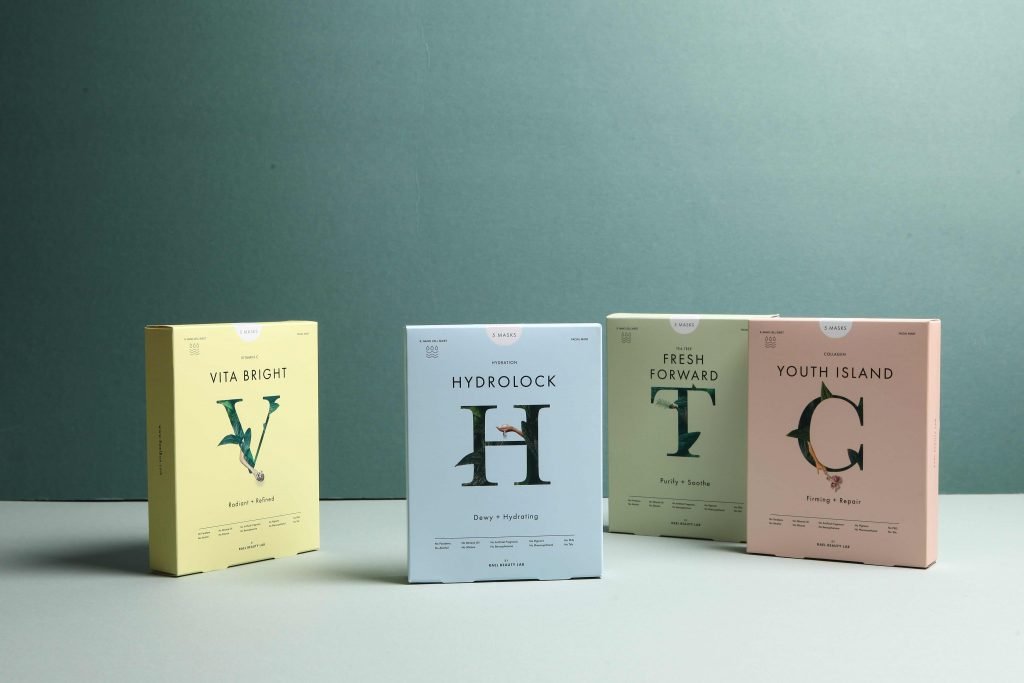
The new class of period care brands isn’t like Always and O.B. of old. They don’t want to be cloistered in the feminine hygiene aisle. Rael, which launched with organic pads, has embarked on a beauty venture that kicked off with acne patches and sheet masks, and advanced to sophisticated skincare. Its latest releases are Good Chemistry Advanced Antioxidant Serum and Moisture Melt Snowball Hyaluronic Acid Concentrate. The Honey Pot Co. has diversified its assortment with mommy-to-be products and a CBD balm for a variety of bodily pains. After starting as a tampon subscription specialist, Cora is out to tackle an array of women’s issues. In April, it stretched from period care to a product line for light bladder leakage. “Who we are today is a women’s wellness company and not just a period care company,” says Cora founder Molly Hayward. “It’s hard to shift the perception after only being a period care company over the last few years, but our scale is hopefully allowing us to do that. We are also young enough that we are doing it at a time where we don’t have full awareness saturation in the market, so there are a lot of opportunities to get in front of new consumers who didn’t know about us when we were just a period care company.” Periods only occupy one-fourth of a month, and people with vaginas don’t have them their entire lives. Cora and Rael are strategizing to be relevant to consumers every day of every month.
Brands made ecological moves this year by dissecting their encasements and stripping out single-use plastic where possible. While plastic packaging isn’t going away as a worry, sustainable beauty will encompass more next year as supply chains are put under a microscope. The impacts of shipping will enter the consumer consideration process, and brands chasing Amazon’s fast delivery times will have to own up to the effects of that chase. “Clean supply chains are the next industry table stake,” says Hollinger. “We think it’s insane how much stuff is sourced from around the world, when very often it doesn’t need to be. Folks are going to start paying more attention to the supply chain, manufacturing and shipping. The carbon costs of shipping stuff all over the place is nuts.” Aether Beauty has integrated the service Cloverly to enable customers to offset the carbon emissions that result from shipping the products they purchase from the eco-conscious cosmetics brand. Eco-minded personal care brand By Humankind is offsetting its carbon footprint by investing in strategic forest projects. Initiatives recognizing and compensating for the carbon impacts of business like those by Aether Beauty and By Humankind will multiply in 2020 as consumers strive to buy from companies that aren’t hastening environmental disaster.
In a politically-charged atmosphere, brands will have to seriously contemplate their roles in the greater context. Some brand and retail founders like Jena Covello of Agent Nateur and Kelly Atterton, who recently opened a namesake indie beauty retail concept in Los Angeles, have chosen to be outspoken about their political leanings. During an interview about her retail concept, Atterton explained, “I just felt a calling inside of me to speak out against things I find upsetting and destructive. There are things going on right now that we can’t ignore. I know that it’s not always smart business-wise. Listen, some people may hate what I say, and I will have to suffer the consequences of that.” Many brand founders will back a candidate in the presidential election once the primaries have ended—and a significant portion of them will be open about it if they conclude their audiences are on board with their favored candidate. Brands that stay out of the fray may encounter backlash from consumers expecting them to be vocal about their presidential choice. Even trying to not rock the boat as the country rocks the vote could be rocky.
The market for everything from spa treatments to cosmetic enhancements will experience a surge in 2020 as consumers look for a fresh start to the new decade. “People went through a lot in 2019. They’ve had weird year,” says Lesley Rabach, plastic surgeon and co-founder of LM Medical. “They’re looking for 2020 to be something new. Anytime there is a new year and, especially a new decade, people are ready to really take the plunge and try the thing they have always wanted to try to start the decade right.” Rabach is expecting an increase in patients using Botox and injectables, and has already had an uptick of clients coming in to her Manhattan practice before the new decade officially starts wanting to “‘take the jump and do the thing,’” she says. “People are being hopeful and searching for something to feel good about. They are looking to be the best they can be.”
The players
5 mentionedDrunk Elephant

Urban Skin Rx
iS Clinical
Under Your Skin
Formulate