10 Things I Wish I Knew Before Starting My Skincare Brand
I felt very confident about what I had created. I had clean clinical formulas backed by my extensive skincare knowledge and career in the industry. I landed an article in WWD right away. I also designed expensive and plantable wildflower-seed-infused boxes that I was convinced everyone would love and, of course, plant.
My brand was results-oriented, streamlined and environmentally-conscious. I believed it was a winner. But, for the first time in my career, my “If you build it, they will come” philosophy failed. At the end of 2017, I decided my energy was best focused elsewhere, and I closed my brand to turn my full attention to Indie Beauty Media Group, which I started with Nader Naeymi-Rad in 2015.
If I knew at the beginning of my brand what I know now, it would be a great success and IBMG wouldn’t exist. Thankfully, today, I’m in position to help brand founders avoid the pitfalls that plagued my skincare business and achieve the brand success that I didn’t. Let my journey inspire you to make the right choices.
Related: BeautyX Retail’s Best Buyer Insights
Here are the top 10 lessons I learned from running my brand:
Jillian Wright Skincare was in many ways set up for success. I funded it with income from my spa. I set the product pricing correctly and earned more money from the brand than I spent. However, rather than significantly augmenting or even surpassing the revenues from my spa within a year or two as I had projected, sales and profits were stuck in first gear. I received positive feedback from clients and my direct-to-consumer sales increased month over month, but, without access to buyers, my dreams came smack up against reality. I needed to adjust my timeline for growth.
I should have targeted select retailers and analyzed what it would have taken to get picked up by them before launch. I had a good press plan and significant media hits, but expecting buyers to track my brand down due to those hits was unrealistic. I needed a plan to ensure I informed targeted buyers about the press mentions so they could see it had the potential to generate consumer awareness.
You most likely can’t sell at Target and Neiman Marcus. As Carol Hamilton said at BeautyX Summit Capital last year, “Pick a lane.” Picking a clear lane will help you narrow your formulas, pricing and packaging for the correct audience. Too often I see brands do what I did: I refined my message based on my passion, knowledge and experience. That strategy was terrific if I wanted to sell to someone like me or my existing clientele. The problem was I hadn’t constructed my brand to suit other spas and the spa channel, let alone retailers.
My formulations were high-end. I ran a high-end spa, after all. My most expensive facial moisturizer was Premium Reserve. It cost over $1,500 a gallon wholesale to produce. I had to put a $150 price tag on it. It sold well, but I hadn’t created my line exclusively for the prestige channel nor dedicated stockkeeping units for prestige and reserved others for mass or direct-to-consumer, which would have helped me craft pitches tailored to certain channels.
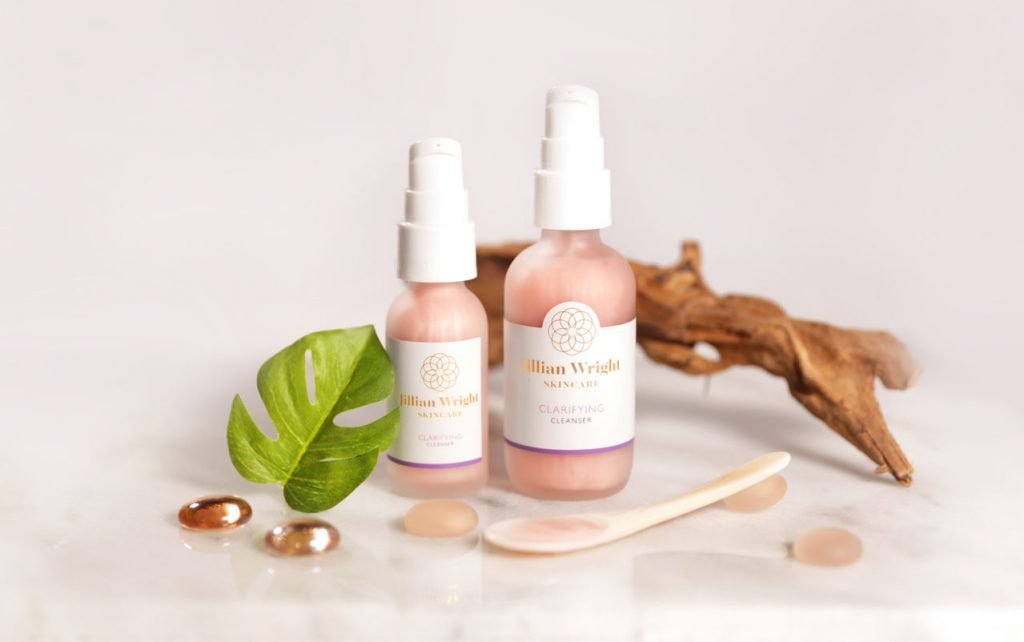
My containers were glass and emphasized my brand’s environmentally-conscious theme. They were lovely, yet basic and lacked a unique, signature look essential for a prestige product. My plantable boxes would have certainly fit well on green and natural shelves, but my ingredients were driven by green chemistry, required explanation and weren’t the simplest fit for green retailers. The components of my line weren’t aligned with how retailers evaluate brands.
The press always mentioned the plantable and handmade aspects of my packaging. However, the packaging didn’t resonate with retailers. I hate to say this, but no one cared about the wonderfully recyclable paper. Also, because the packaging was handmade, there were material inconsistencies, and it wouldn’t have stood up to the wear and tear of being on the shelf at a big store.
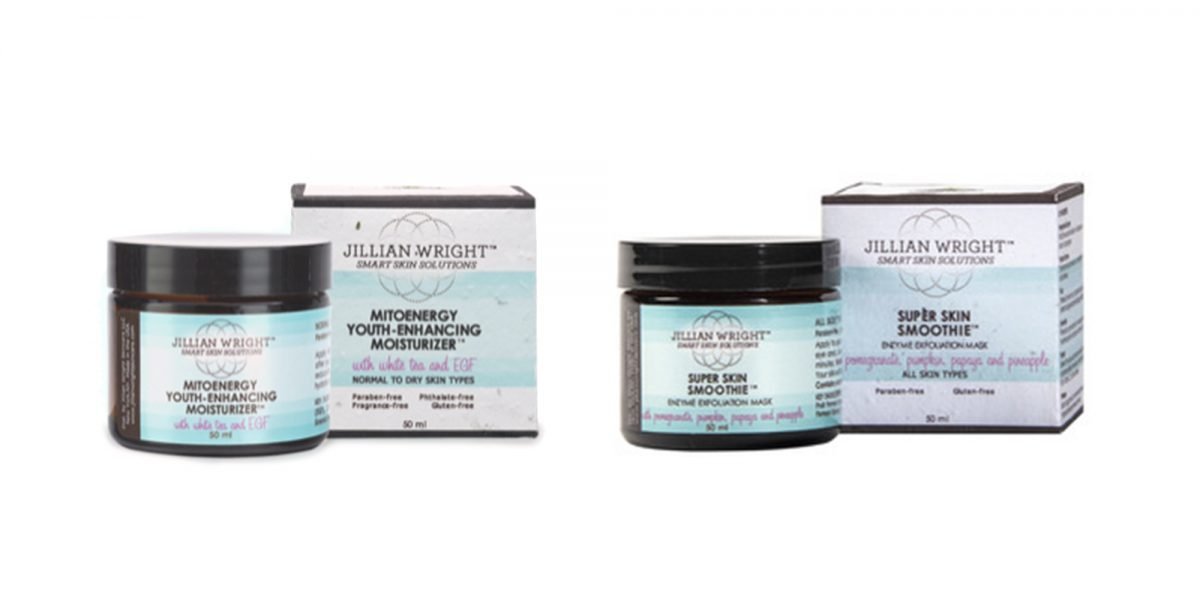
As a skincare specialist, I had more than two decades to think about exactly what I wanted to include in my line. When I finally took the plunge, I couldn’t resist making every product I thought was missing in the market. I launched with 11 SKUs. The full range had benefits. I demonstrated my authority, and consumers could find virtually anything they needed for their skin from Jillian Wright Skincare.
However, if I had a staggered rollout, I would have saved interesting product debuts for rounds of press in year two and year three. Even more critical, I unintentionally put myself on a merry-go-round of small-batch supply chain reorders. Any operating profits were diverted back to reordering formulas and packaging to make sure I had all my products available all the time. When I had to pivot—as when I chose to do a redesign—multiple SKUs drove up the cost.
It may cost more money upfront, but it is worth researching labs and identifying the right lab to create your own unique formulas. Unique formulation is an in-it-to-win-it-strategy: If you are ever looking to exit or find investors, one of the questions they will ask is about the ownership of your formulas. Don’t pick from a library of formulas. Make your recipes proprietary.
Did not having my own, proprietary formulas hurt my retail pitch? Not really. I offered an interesting vitamin C powder, and my actives were effective and desirable. Still, they weren’t my own and, as I later thought about possible trajectories for my brand’s expansion that required investment, I knew a proprietary reformulation was in my future. That would have meant selling or discarding my existing stock and labels.
Protect your brand with a global trademark. Think about EU registration from the beginning. There are lucrative opportunities beyond the United States. Indie beauty isn’t just domestic. It’s worldwide, and you are selling your company short if you don’t plan to go abroad.
Proper labelling is also critical. Invest in your label design and scrutinize the information you’re presenting to customers on your boxes. Don’t make claims you can’t support and have the necessary documentation to back up all claims you make. You don’t want to get in trouble with your customers or regulatory bodies.
If you land a department store and your label doesn’t meet its criteria, the department store will fine you. Poor labelling is a particularly costly mistake when you have multiple SKUs. Buy your UPC codes and bake them into your labeling. You’ll need them to be Electronic Data Interchange, better known as EDI, compliant. Don’t be afraid, it’s not as difficult or daunting as it sounds. It just comes down to research.
I launched my line with organic growth in mind. The operational profits from my spa and sales from the line were enough to fund the website, design work and product orders. If push came to shove and I landed a large retail order, I had a reserve of tens of thousands of dollars that I could rely on for upfront costs. However, I was often forced to contemplate chicken-and-egg situations. Do I invest in marketing before a big retail score? If I wait, can I afford both? At what point would I seek loans or outside investment? In doing so, would I give up a piece of the business? I had not truly prepared to address those issues. If I redid my brand, I would create a launch plan spelling out benchmarks for scaling up.
Here’s where my scrappy financial planning worked against me. I balked at the idea of forking over thousands of dollars monthly to consultants and a publicist. When I did, I questioned myself. In the end, the money I spent on redoing labels or packaging could have been invested in people who would have helped me avoid costly missteps in the first place.
Related: Connect To Grow With Uplink
Budget for a year of public relations. The time span allows for a PR professional to dive deeply into your brand. You have to be very careful when hiring PR. Ask around. Interview at least three publicists. You have to be able to tell your story different ways, at varying lengths and for various audiences. Create a pitch document to make it easy for your publicist to go to editors, writers and influencers to get them excited about your brand. Brand strategists can help you perfect your identity, marketing calendar and a roadmap for where your brand should be in 12 months. They can work in tandem with your PR firm. To hire both, prepare to pay upwards of $120,000 for the year.
Launching a brand is a heavy investment. You either have to have money in the bank, someone supporting you or a job to pay the bills while you build your baby. At some point, you will have to pull the Band-Aid off and commit to it full-time. Until that moment comes, recognize a brand is rarely an overnight sensation. You also need to realize there are limits to how much you can actually do. At one time, I had a hand in running three different businesses: my spa, skincare line and IBMG. Did I mention that I was raising two children, too? At a certain point, it became clear that something had to give, and I eventually closed up my spa and my line to pour my energy into IBMG.
My packed schedule prevented me from networking. I made the mistake of being overly booked at the spa. I went from taking the kids to school to working at the spa and, then, back home to the kids. I’d stay up at night packing orders. I was stretched thin. You need to get out there and meet people. Connect with your peers and go to events. I never even had extra hours to take classes to further educate myself and learn from fellow entrepreneurs.
Launching a brand is serious business. Gone are the days that you can ride a single press placement or celebrity endorsement to blow up your brand. Competition is fierce, and you need to have a long-game strategy for success. Indie beauty is not a get-rich-quick business. Be prepared, educate yourself, network, be organized, scheduled and professional. If you go into this industry with your eyes open and have realistic expectations, you will do well.
At this stage of indie beauty’s evolution, there’s no reason why anyone should suffer through the same trials that I did. The good news for the current crop of independent brand founders is the wealth of knowledge, number of resources and means to establish meaningful connections available are far greater today than what existed when I started my brand.
The players
5 mentionedAS Beauty

Better Being
Formulate
iS Clinical
Momentous