10 Buzzworthy Brand Awareness Strategies Discussed At BeautyX Summit Demand Generation
Felix Strand, president of Pixi Beauty
“Every time a new technology or a new platform comes out, it levels the playing field for everybody. The smaller you are, the more agile you are, the quicker you can get into it. Dive headfirst, evolve and get really good at it, and you can run circles around the bigger companies…Now, there are opportunities through TikTok and a few other platforms to do that.”
Priscilla Tsai, CEO and founder of Cocokind
“With an hour, two-hour event, you’re able to connect, and share your values and share your stories so much more. I personally met every single person and had a conversation with every single person who came, and people really showed up for us.” She continues, “While it’s a lot of effort, it’s such a great way to have that connection and to have it in a really meaningful way. Because everything is so digital these days, we can have a five-minute conversation with somebody, and that changes everything because [face-to-face interactions] are pretty rare these days. It was really special, and it was very inspirational for us to be able to get that type of love from our community, so it’s definitely something that we want to keep doing.”
Amina Marie, natural hair influencer
“When I see different body types, when I see different shades of skin or when I see people who just have different kinds of content and they’re not very cookie-cutter [like the] media has presented to us in the past, that’s something that really stands out to me and makes me want to work with that brand.” She elaborates, “Make sure that you’re really mindful as a brand as to who you’re including in your campaigns because that really speaks a lot to what your mission is, and I think that’s what’s going to make you the most impactful.”
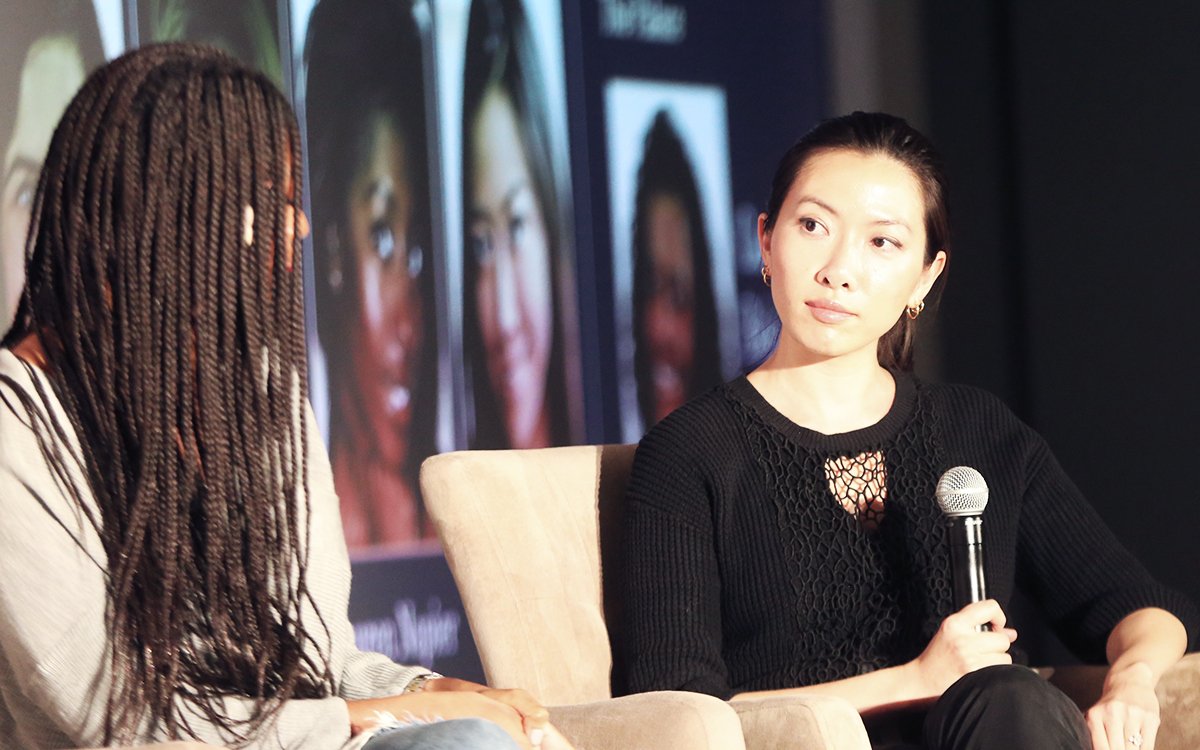
Alexandra Potora, beauty influencer
“One of the most important things to do for yourself and for your business, when you work with social media influencers, is to allow them the freedom of creativity. You’re reaching out to them because there’s something about them that you like, so you want them to bring that pizzazz and give your brand that flavor. And I know that’s very difficult because, traditionally speaking, in marketing, you want to control as much as the messaging as possible, but you are not going to get the same organic nature that compels people to come and find out who you are if you don’t enable a creative to express themselves.” She adds, “You have to let me think in my own craziness, and that will give you something that you love.”
Beauty influencer Potora
“A common mistake is that [brands] expect to work with one or two influencers and immediately get sales, and that is not how social media works initially. You have to have some form of presence that you establish. So, it might not be sales off the bat, but how does it translate into swipe-ups, clicks. Did [people] follow the brand? Did they comment on the post? Did they start engaging with it? Did they go to the website? If I see that what I did translates into a high number of any of that, that to me is a successful partnership.”
Lauren Napier, founder of Lauren Napier Beauty
“I’m very focused on social issues, and I’m very politically motivated…I talk about politics and about issues that impact women, women of color, immigrants. We’re in a really tough time right now, and people are talking about it.”
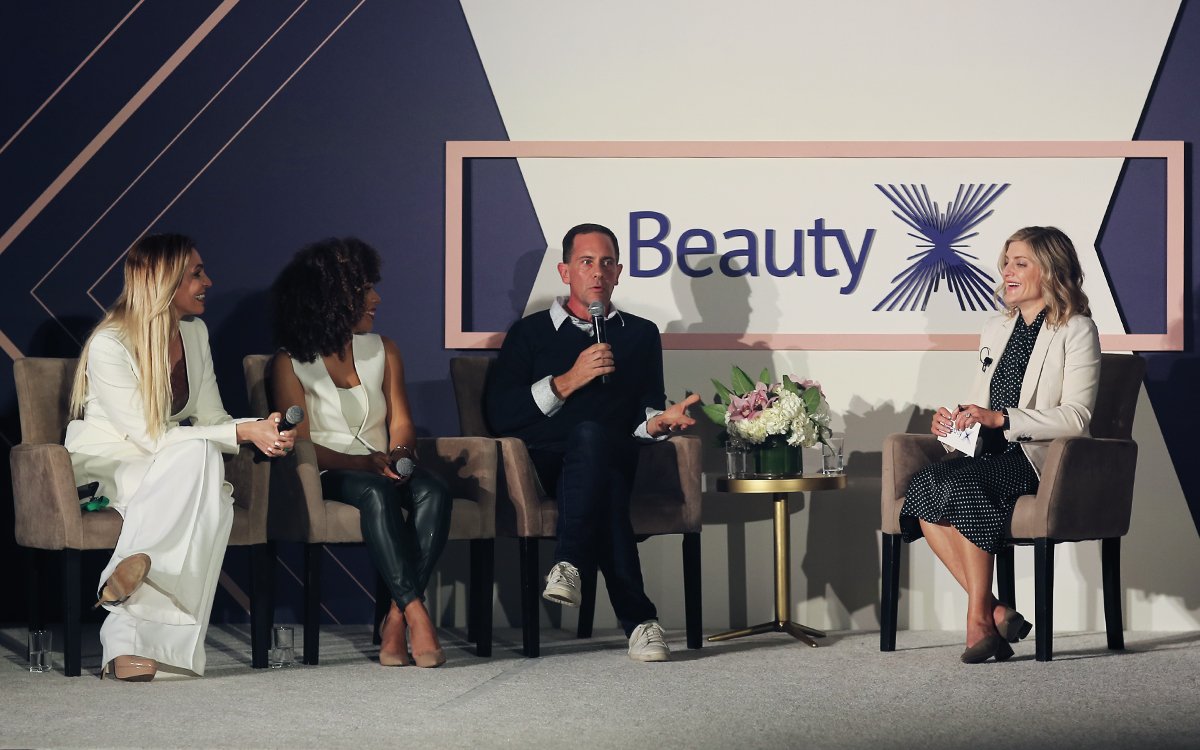
Corey Weiss, VP of marketing partnerships at Ipsy
“We don’t want a relationship to feel transactional. If it’s a one-off, it’s going to feel transactional. The way you prevent that is by establishing relationships and partnerships, and having the faces be familiar. Consumers are smart, audiences are smart, they know the influencers getting paid, but being paid doesn’t mean it can’t be authentic.”
Strand of Pixi Beauty
“The negative [reviews] I think are the ones that are the most interesting. Those are the ones we learn from. So, it’s about taking a step back, not being emotional, not being totally in love with your product or your brand, and putting on your logical hat and looking objectively at the feedback. Generally, [when] people see something wrong or they want to help you or there’s something they feel is incorrect, it’s not coming from a bad place all of the time. So, it’s about taking that in and starting that conversation where, hopefully, you can learn something and get a better product or a better brand out of it.”
Gigi Goldman, co-founder of Kopari Beauty
“It’s important, whether it be a negative review or a call-out from a gossip magazine or a social media platform, you’re always standing in your truth. And, if you communicate that truth to others, I think automatically the conversation dies. I was in marketing in my past life and, [in] crisis communication, they say, ‘Address it right away,’ because, the second you let it bloom, there’s speculation and…all of a sudden it turns into something completely different than what your intention was. So, I believe in clear, honest communication and just addressing the issues head-on.”
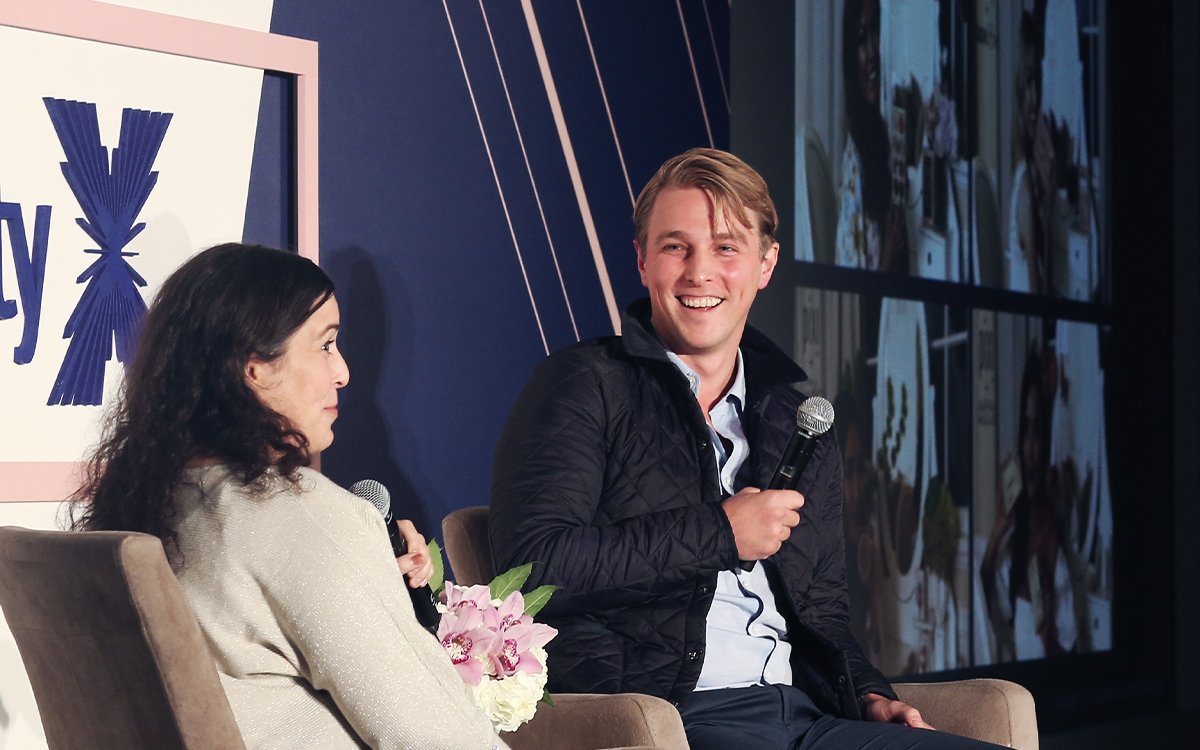
Strand of Pixi Beauty
“We want to own the relationship directly with the consumer because I think we can do a better job of telling the story by giving a 360 Pixi experience than by necessarily putting a four-foot fixture in Target or CVS. I think that’s really important. That’s why we have a store in Century City, and we have a store in London. We don’t want to be retailers, but it’s important to give people that touchpoint that they can essentially go to Pixi world and play with and experience the brand.”
The players
5 mentionedCocokind

Too Faced
Under Your Skin
Better Being
Kopari