SKIN

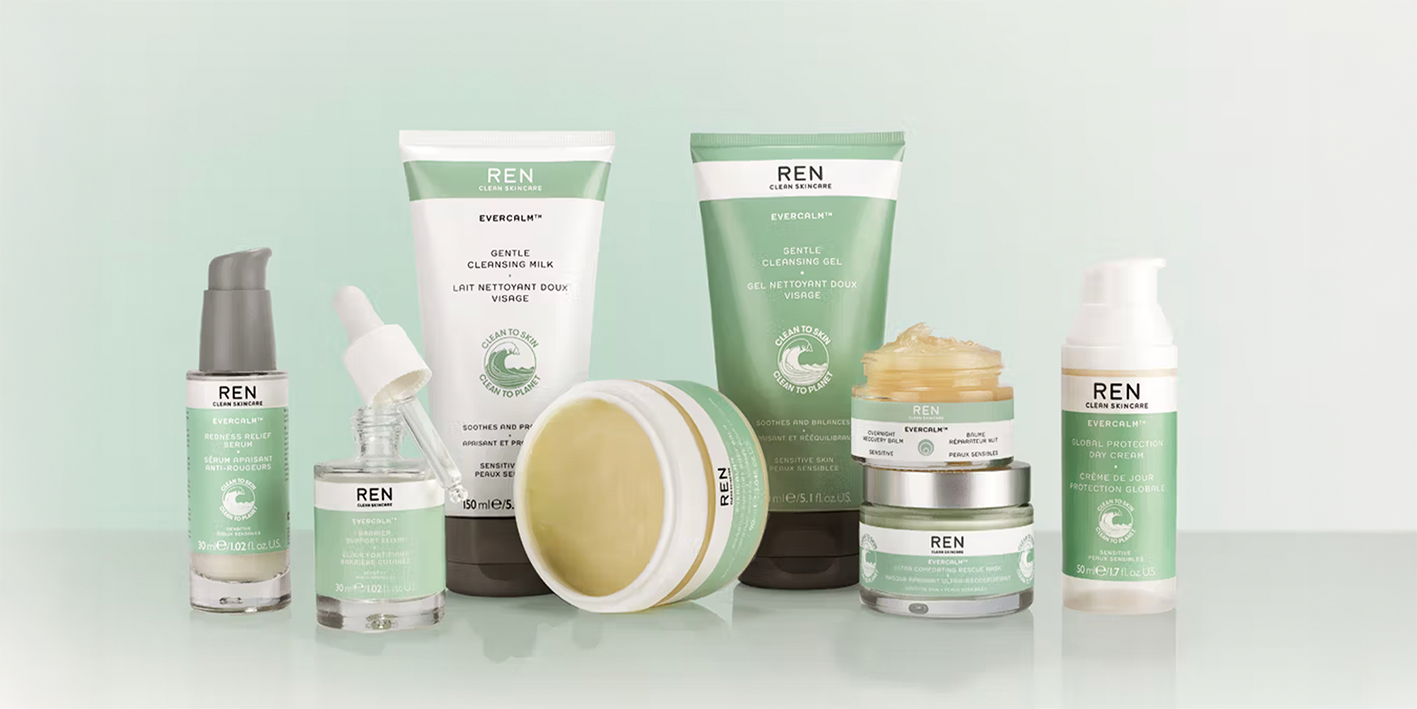
Why Unilever Closed Ren Clean Skincare Instead Of Selling It

On Thursday last week, Unilever announced it made the “difficult decision to begin formal steps to close the Ren business” by the end of the third quarter this year. The company said, “A combination of internal factors, compounded by market challenges in recent years has left the brand unable to sustain success in …
Rachel Brown·May 7, 2025·1 min read
The 30-second read
On Thursday last week, Unilever announced it made the “difficult decision to begin formal steps to close the Ren business” by the end of the third quarter this year. The company said, “A combination of internal factors, compounded by market challenges in recent years has left the brand unable to sustain success in the long term.”

The decision comes after Unilever had put Ren, a natural and sustainable clean skincare pioneer founded in 2000 by Antony Buck and Robert Calcraft, who subsequently launched Cultured Biomecare, and sold to Unilever in 2015, a year before Goop entered the skincare space and clean beauty was thrust into the mainstream, under strategic review and failed to find a buyer for it, according to reporting by the publication Women’s Wear Daily.

Exploring the dynamics behind Unilever’s failure to divest Ren and its shuttering, for this edition of our ongoing series posing questions relevant to indie beauty, we asked seven investors and investment bankers the following questions: Why was Unilever unable to find a buyer for Ren? What does the move to close the brand convey about the current market for beauty brands? Are there any lessons up-and-coming brands should draw?

The players

5 mentioned
Brand

Unilever

Brand

REN Clean Skincare

Primary CategorySkincare
Brand

AS Beauty

Founded2019
HQNew York, New York, United States
Revenue Range$150M+
Investor

T Investment

Founded2021
Investor

Unilever

TypeCorporate Venture (L'Oreal BOLD, Waldencast Ventures)
Up nextCapital
Wonderskin Raises $50M In Series A Funding To Help It Last Far Longer Than Lip Stain