What Version Of Sex Is Sexual Wellness Selling?
Not only that, but with reproductive rights and marginalized groups like the LGBTQIA+ community under attack, the distinction between the personal and the political is flimsier than ever. As a result, sex product brands are taking an activist approach and espousing their merchandise as advancing equality and combatting shame instead of simply being money-generating commodities.
The brands behind these products often have a vision of what sexual health and justice should be, and how they plan to foster healthy sex lives. What’s shaping their vision? Is it in line with what truly makes for sexual wellness and liberation? We connected with sexual wellness companies to gather their thoughts on the future of sex, and how they’re working toward creating the future they want to see.
Combating sexual shame
In a society in which many people remain afraid to talk about sex, let alone voice their desires in the bedroom, brands are stoking a dialogue with the purpose of diminishing the shame tied to sexuality. Hims & Hers, the telehealth company selling prescription and over-the-counter drugs, published a survey entitled “Let’s Talk About Sex” and related report to encourage such conversation.
The survey discovered 79% of Americans have changed their sexual behavior due to the overturning of Roe v. Wade that ended the constitutional right to an abortion. In addition, it discovered 42% of gen Z members don’t identify as heterosexual, and 83% of gen Z men and 79% of gen Z women say they’ve been sexually active in the past month. Among older generations, 81% of millennial women, 68% of gen X women and 50% of boomer women say they’ve been sexually active in the past month. Some 63% of Americans indicate their quality of life would be improved by a better sex life.
“So many women, especially older women, were interested in being sexually explorative. For so long, women have seemingly felt like they had to hide their sexual desires or fantasies or risk being unfairly labeled because they don’t follow the ‘norms’ of society,” Hilary Coles, co-founder and SVP of Brand and Innovation at Hims & Hers, told Forbes. “The fact that some women openly acknowledged that their sex lives would be drastically different if those norms were overturned is a testament to the continued shame and inequality that women face.”
Beia, a brand with intimate skincare, urges dialogue around sex through its marketing, encompassing a newsletter and articles containing sex advice. “My vision is for more people, women especially, to feel more comfortable communicating their needs,” says founder Brittany Lo.
When it comes to destigmatizing sexuality, there are products that speak for themselves. Crave, a brand with high-end sex toys, including a necklace vibrator called the Vesper, aims to combat sexual shame by offering sex toys that double as fashion statements.
Founder Ti Chang, says, “I want people to feel confident about going after the pleasure they want, and I believe that having well-made, aesthetically pleasing and elevated pleasure products changes people’s attitude towards sex from a taboo experience to one of importance, beauty, and personal identity.”

Closing the orgasm gap
Another mission sexual wellness brands share is closing the so-called “orgasm gap,” the tendency for men to experience more frequent orgasms than women, or more broadly, the gender gap in sexual pleasure. Closing the pleasure gap has been central tenet of sex toy brand Dame Products. The brand Sexy Liberation gives away free sex toys to promote orgasm equality, and Promescent, maker of ejaculation delay spray, touts its spray as sparking a greater chance of producing orgasm for all sexual partners.
SheSpot, a subscription service with sex product boxes, is pushing for orgasm equality. “Too often, women engage in performative sex, whereby they are performing for their partner—for example, faking orgasms or giving the illusion of pleasure—rather than focusing on their actual pleasure and communicating their desires to their partner,” says co-founder Holly Jackson, who advises women to uncover what they desire through masturbation so they can instruct partners and have fulfilling sex with them.
Sex toy brand Zumio designs its products to help “people with vaginas, although men love the product, too, explore their bodies, support climaxing solo or with a partner, and enjoy and achieve a heightened sexual awareness and response,” says CMO Joan Highet, citing a statistic that 10% to 15% of women have never had an orgasm. Zumio trials its products with women to understand how to assist them with consistent orgasms.
Making pleasure accessible
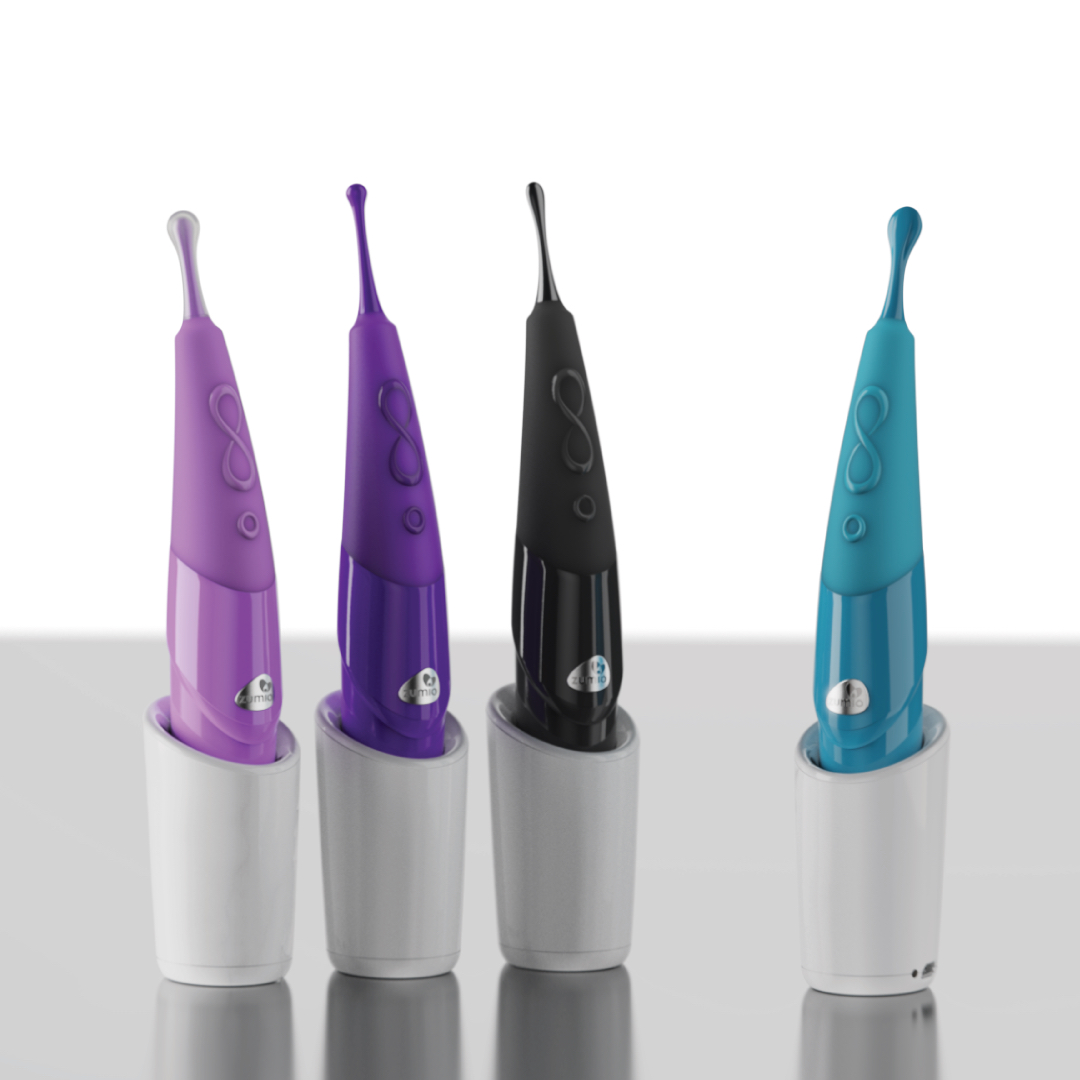
Along with women, people with chronic illnesses and disabilities, gender-nonconforming people and economically disadvantaged people get shortchanged in the sexual pleasure arena. Carolyn Wheeler, co-founder and COO of pleasure product brand Vella Biosciences, is out to enable consumers who’ve gone through menopause or who are experiencing hormonal issues to enjoy sex.
She says, “Being inclusive in the sexual wellness industry means including, whether through representation and/or product development, not only all gender, sexual and racial identities, but also ages (above that of consent), hormonal statuses, and people with outlying factors that affect their sexual function and wellbeing.”
Wheeler continues, “My vision is to see people of all (consenting) ages more open, more communicative, and overall less guarded in their private expressions of sexual intimacy, and that this dialogue will be informed by the work that companies like ours are doing to offer products that address unmet needs for previously ignored demographics and to educate around the importance of sexual health.”
Unbound is big on inclusivity, too. In particular, the sex toy brand tries to amplify financial access to pleasure and exploration by offering a number of products for under $50. Similarly, a wave of relatively affordable sexual products in the mass market from brands like Cake and Plus One are broadening the reach of sexual wellness. And there’s a burgeoning movement of sex toys, lubes and other products created specifically for LGBTQIA+ people as well.
Promoting safe sex in a broad sense
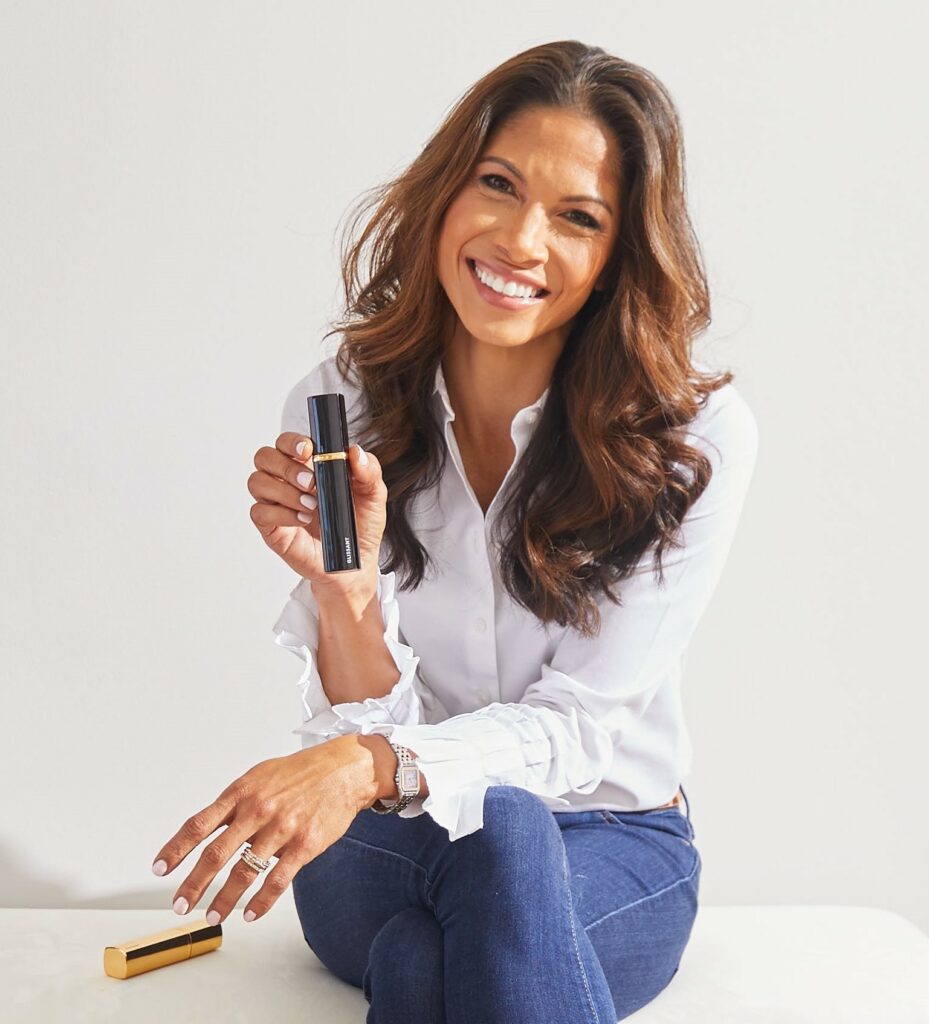
Some entrepreneurs are driven to support safer sex—and that doesn’t only refer to preventing sexually transmitted infections (STIs) and pregnancy. They’re driven to ensure people put safe ingredients in and on their bodies. That objective led urologist Karyn Eilber to develop her lube brand Glissant.
“With clean beauty being the new norm in the beauty industry, I think ‘clean love’ and ‘sexual wellness’ will be the new norms for sex,” she says. “Chemicals that used to be commonly used in cosmetics and are now banned by clean retailers are still found in many lubricants and lubricated condoms. People are going to start expecting their intimate products to be clean and free of harsh chemicals just like their beauty products.”
Plenty of brands are taking note of modern consumers’ ingredient consciousness. “We are dedicated to finding natural and healthful ingredients in our products,” says Mimi Anderson, CMO at #LubeLife, a line selling vegan lube that avoids parabens, glycerin, silicones, gluten and propylene glycol. “Our goal has been to offer consumers the safest and highest quality product at an affordable price.”
It should be noted, however, that there are scientists and regulators confident that ingredients long on the market are safe. The United States Food and Drug Administration (FDA), for instance, has classified propylene glycol as generally safe for drugs, flavorings and cosmetics.
Encouraging more sex
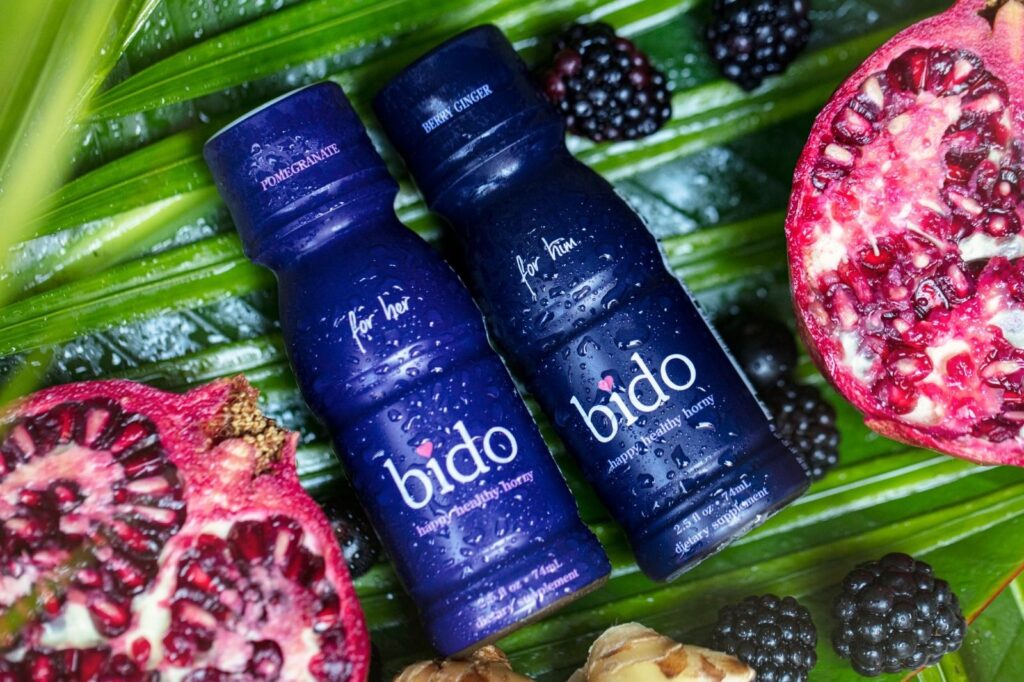
Sex product companies are responding to data revealing people aren’t having as much sex as they used to. At Bido, a brand selling libido-boosting beverages, advocates sex for health reasons. “Sexual activity affects health, happiness and overall quality of life,” says co-founders Didrik Stove Lorentzen and Andreas Wikborg. “Many people live their lives thinking that a low sex drive is something they can’t do anything about, and don’t know the reason for their lack of desire. We want to educate people on the factors that contribute to this and help them to reignite their desire.”
Likewise, Unbound advances the idea that people should find space for pleasure in their lives. “Opportunities for pleasure are decreasing. We’re spending more time working and less time in places that are not home or work,” says co-founder and CCO Sarah Jayne Kinney.
Unbound argues people should experience pleasure in ways that are right for them rather than endorsing a specific concept of what a good sex life should be like. “Our vision is to loosen up the meaning of sex to people and focus more on the experience and spirit of pleasure,” says Kinney.
How can brands effectively promote their visions of sex?
Sex product brands’ visions for sex can become problematic when they’re presented as ideals to strive for and not mere options. Unfortunately, the nature of marketing is that it can make people feel inferior if they don’t meet the ideals that brands disseminate.
“A major issue I see with selling a ‘vision of sex’ is whether any particular product or consumerism in general is [what’s] required for that vision to become reality,” says sociologist and clinical sexologist Sarah Melancon. In other words, if people have to buy something in order to attain equality in the bedroom, then it isn’t true equality.
Sex product marketing can cause people to believe their sex lives should be constantly progressing. “While a majority of people have some issue with sexuality or another and certainly do need help, continually striving towards the next thing may in fact be part of the problem,” says Melancon. “The mere existence of the sexual wellness market can make it seem as if one’s body or sexuality is not ‘good enough’ on its own, that it needs extra products to be complete.”
To minimize these issues, Melancon recommends brands be clear about who their products are for and who they’re not for, stick to realistic claims (by saying, for example, “this product may increase sensitivity and some users report stronger orgasms”), eschew shaming language, and listen to feedback from customers.
“Ask consumers why they purchase and whether/how the product helped,” suggests Melancon. “Stay close to consumer experience, understand the circumstances where your product did not help as hoped and learn from mistakes.”
Feature photo image credit: Vella Biosciences
The players
5 mentionedBetter Being

Counter
iS Clinical
Too Faced
AS Beauty