Bustling Wellness Clubs Replaced Bars. Now Solitude Makes A Comeback
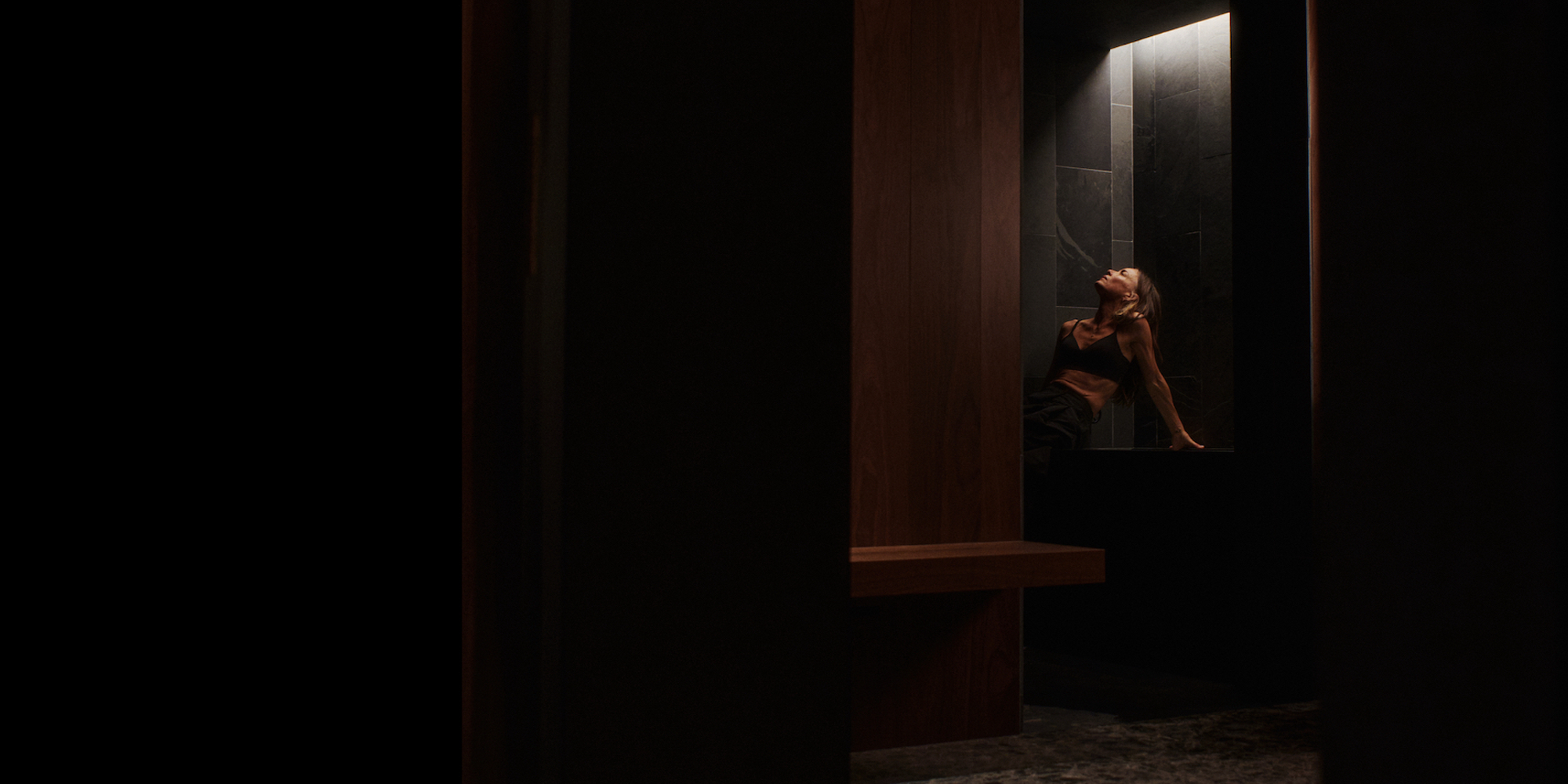
While the idea of “social wellness” took over as consumers prioritized connection and community coming out of the pandemic, often replacing bar or club outings as alcohol consumption declined, a rave-style sauna session or fitness class isn’t for everyone, and the pendulum is swinging back to solitary, more restful wellness pursuits. As Saint co-founder Alex Feldman says, “Who we are is about the solitude. That’s a critical piece.” Welcome to the dawn of anti-social wellness.
The pullback from the fitness studio- or spa-turned-club phenomenon is a response to overstimulation and the always-on digital existence most Americans find themselves in, with consumers seeking privacy, control and low-sensory environments. At the same time, the wellness scene is maturing, with businesses burrowing into emerging niches and consumers diversifying their choices, opting one day for a high-energy bathhouse and the next for solitude in a private sauna, solo treatment or quiet, no-phone session.
In consumer intelligence agency FS’s 2026 report Future Of Wellness—A Five-Year Forecast, one of 10 emerging trends listed is “sensorial pause,” which is characterized as a movement away from constant connectivity and sensory overload toward wellness designed with less stimulation.
It’s not just sauna studios helping wellness consumers dive into deprivation. Called out in FS’s report, Within’s six- to seven-day “darkness retreat” is emblematic of the anti-social wellness movement. Priced at $2,400 to $2,800, it features three or four days of total darkness inside a personal cabin, meditation and breathing exercises to improve sleep and brain plasticity and reduce stress. The FS report included data from search insights firm Spate’s Popularity Index revealing that interest in sensory deprivation experiences has risen 198.7% year over year and digital detoxes have experienced 766.1% growth on Instagram.
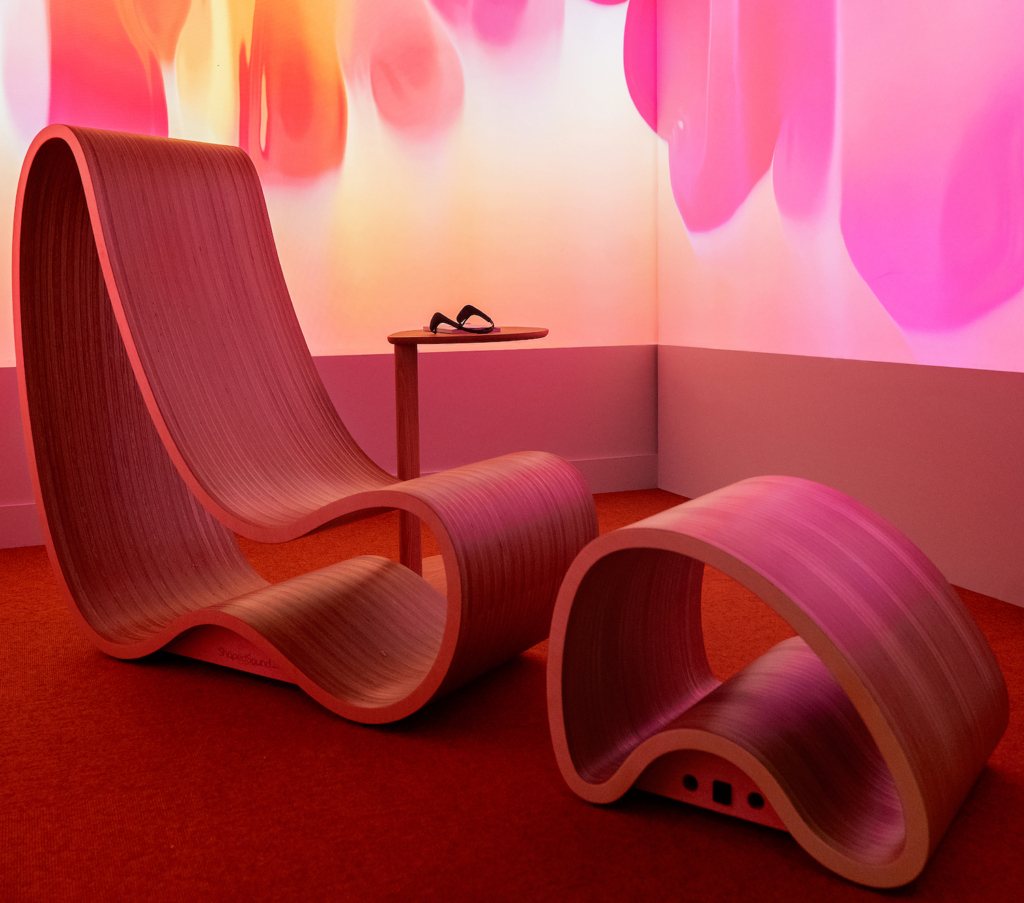
Designed by architecture firm Snøhetta, experiential New York City wellness destination 113 Spring is a store, cafe and event space with classes, workshops and other offerings to help visitors build their own wellness and longevity protocols. Everything in it, from the food to the lighting, is tied to a theme. The current one is presence. At 113 Spring, customers can treat themselves to Emergence, a 75-minute solo treatment created in partnership with neuroscience-centered creative studio Kinda, featuring personalized meditation that blends neuroaesthetics with EEG biofeedback. Customers receive a five-minute recording of the session to recreate the meditation at home.
Melissa Bunning, director of programming and partnerships at 113 Spring, emphasizes it wasn’t created for a viral moment, but for something more enduring. “It’s a place to ground yourself in the present moment and then discover something for yourself, and we’re really seeing that that’s coming true,” she says. “People aren’t on their phones when they’re in this space. They’re not just taking selfies. People are there to unwind and get in touch with themselves more.”
Concepts like 113 Spring’s have been bubbling up for several years as the anti-social wellness wave began cresting with an influx of pod-based wellness protocols, including hyperbaric chambers, photobiomodulation pods and solo rest cabins offered in spas, hotels and wellness centers worldwide.
Numerous new wellness-oriented pod concepts have launched since then. The $160,000 Ammortal chamber, with PEMF, near-infrared and red light therapy, molecular hydrogen inhalation, vibration, oxygen and ozone therapy, and voice-guided breathwork and meditation in a single 50-minute session, was soft-launched last year. The most affluent wellness enthusiasts are making the ultimate anti-social wellness move by bringing one-person health and recovery technology into their homes such as red-light paneling, hyperbaric chambers, infrared saunas and chill tubs.
Spa industry consultant Lisa Starr sees many contrast studios calling themselves “social wellness clubs,” a model more favorable to a business’s bottom line, but she notes there seems to be a generational schism between consumers who are all-in on the communal aspect of steaming and swimming. She points out that even Remedy Place, a luxury wellness studio with locations in New York and Los Angeles that popularized the term “social wellness,” has introduced private suites to its clientele.
“The older cohort doesn’t want to go in a group of 30 people. They want to do it on their own,” says Starr. “Not all clients want to be cozy with people that they don’t know, especially when you’re in a state of undress.”
The question of hygiene, with other people’s hygiene being an unknown, is top of mind for many consumers who are paying a premium to sit next to sweaty strangers, and it fuels the desire for a solitary experience. Last year, popular Brooklyn spa Bathhouse made headlines when visitors claimed they contracted a urinary tract infection from the hot tub, and others complained of mold in the facility. Saint and Lore stress that they take extensive steps to keep their facilities pristine.
Lore co-founders James O’Reilly and Adam Elzer highlight technologies designed to keep the facility’s pools and saunas sanitary, including UV-treated water, advanced filtration systems and sauna ventilation that cycles air multiple times per hour. “That makes a big difference in how you feel while you’re in there,” says O’Reilly. “A lot of older sauna facilities just didn’t have that built into the equipment.”
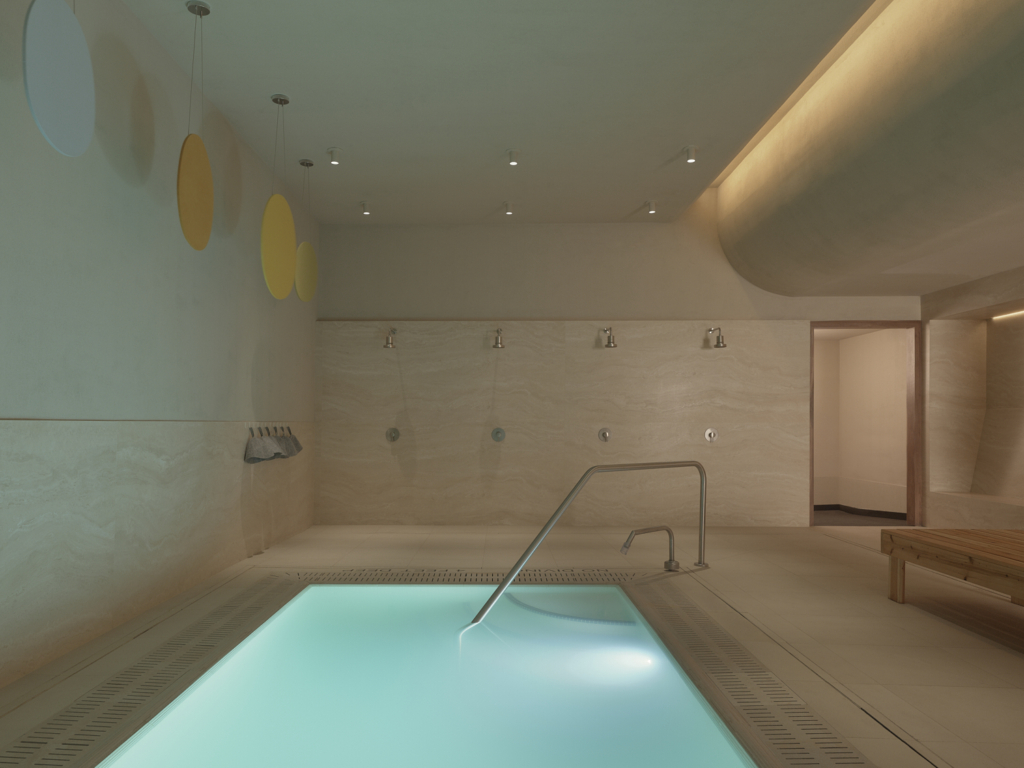
As sauna culture is still nascent in the United States compared to Europe, many newcomers have yet to learn proper spa etiquette such as towel use and placement. “Americans need to learn about not letting their body touch the wood,” says Starr. “We’re not that well-versed in that, but we will get there.”
Some of the pushback to the American interpretation of sauna culture, often criticized as performative or overly optimized, has come from people in countries where these rituals are deeply embedded in daily life. In January, The New York Times featured Europeans flummoxed by behaviors like yoga poses or selfies in saunas. One interviewee mentioned she would stick to using a sauna at home.
Wellness destinations must offer a range of services, for example, 113 Spring’s communal cafe alongside its solo Emergence treatment, to serve consumers across the preference spectrum. Member feedback has informed Lore’s co-founders how much personal preference shapes how stimulating or social a wellness experience they want. Though the music played in the facility is an intentionally chosen mix of 528-hertz tones at a subtle volume, select guests want it to be quieter and request designated quiet times with no music and mandatory no-talking rules. Others want more of a party vibe, at least occasionally.
Elzer says, “We don’t like to get too prescriptive about what people should do in there.”