What Should Emerging Brands Draw From L'Oréal's $2.5B Deal For Aesop?
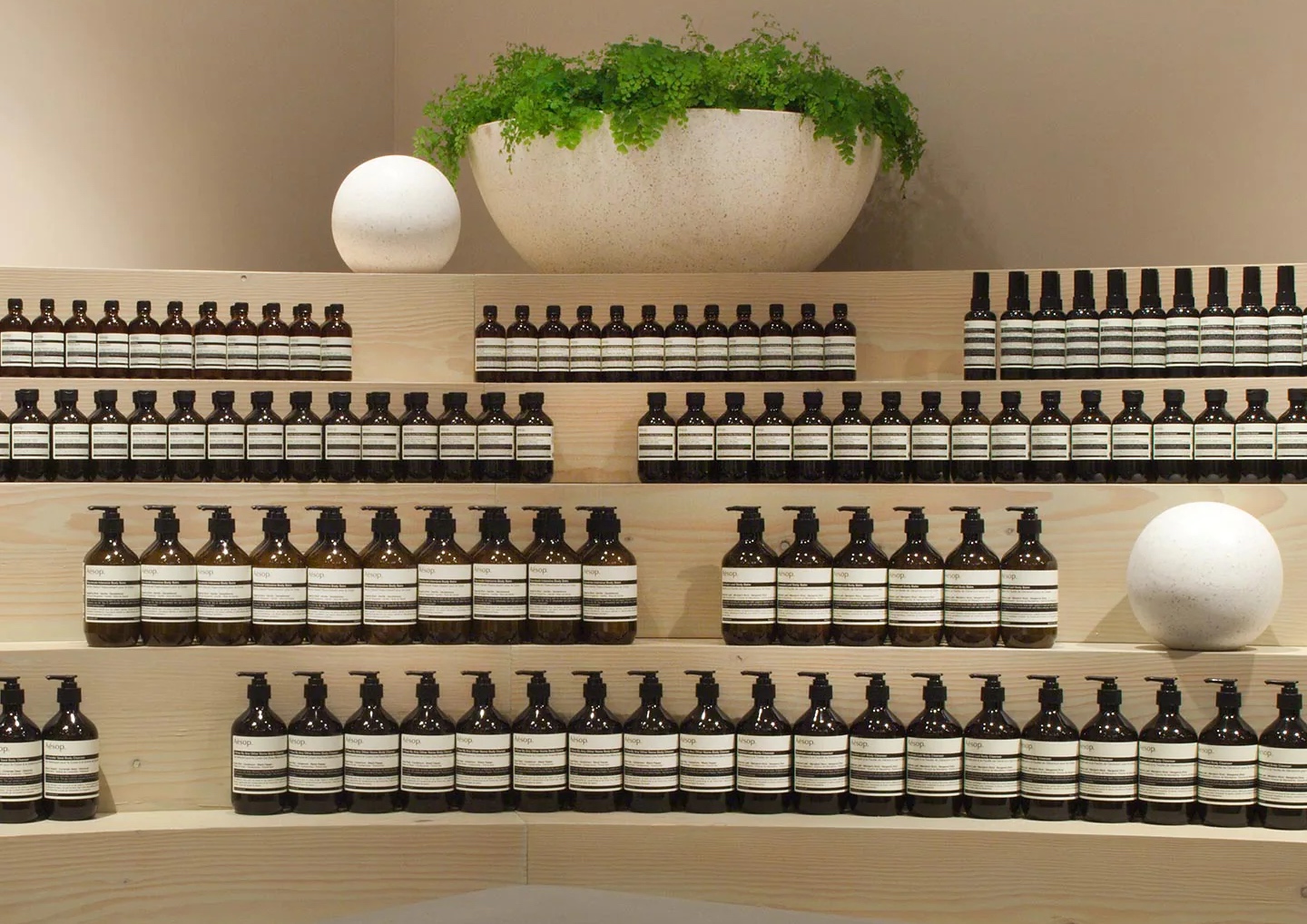
Aesop was founded as Emeis, the Greek word for “us,” in 1987 by Dennis Paphitis, a hairdresser who began mixing products in his Melbourne salon that would later be the basis for hundreds of high-design stores around the world and bathroom candy broadcasting cool sophistication in countless chic homes and hotels. In 2009, American firm Harbert Private Equity scooped up 26% ownership in the brand and put it on a path toward scaling on its own terms by eliminating distributor arrangements.
According to Natura, Aesop’s sales have multiplied by nearly 20 to go from $28 million in 2012 to $537 million in 2022. L’Oréal, which bested Shiseido, Clarins, LVMH Moët Hennessy Louis Vuitton, Permira and Primavera in the battle to win Aesop, is looking to further multiply the brand’s sales by expanding it in China and travel retail. The company expects it to precipitously reach $1 billion in sales.
Aesop’s trajectory is the stuff of founders’ dreams. To understand a bit about what they should learn from it and its huge exit, for the latest edition of our ongoing series posing questions relevant to indie beauty, we asked 12 beauty industry investors, investment bankers and experts the following questions: What does L’Oréal’s acquisition of Aesop say about beauty M&A today, and what does it mean for it? What should emerging brands take away from it?
The players
5 mentionedLVMH Moët Hennessy Louis Vuitton

Aesop
AS Beauty
L'Oréal
T Investment