Wellness And Beauty Brands Are Increasingly Creating Products For People With PCOS Seeking Solutions Outside Of Traditional Healthcare
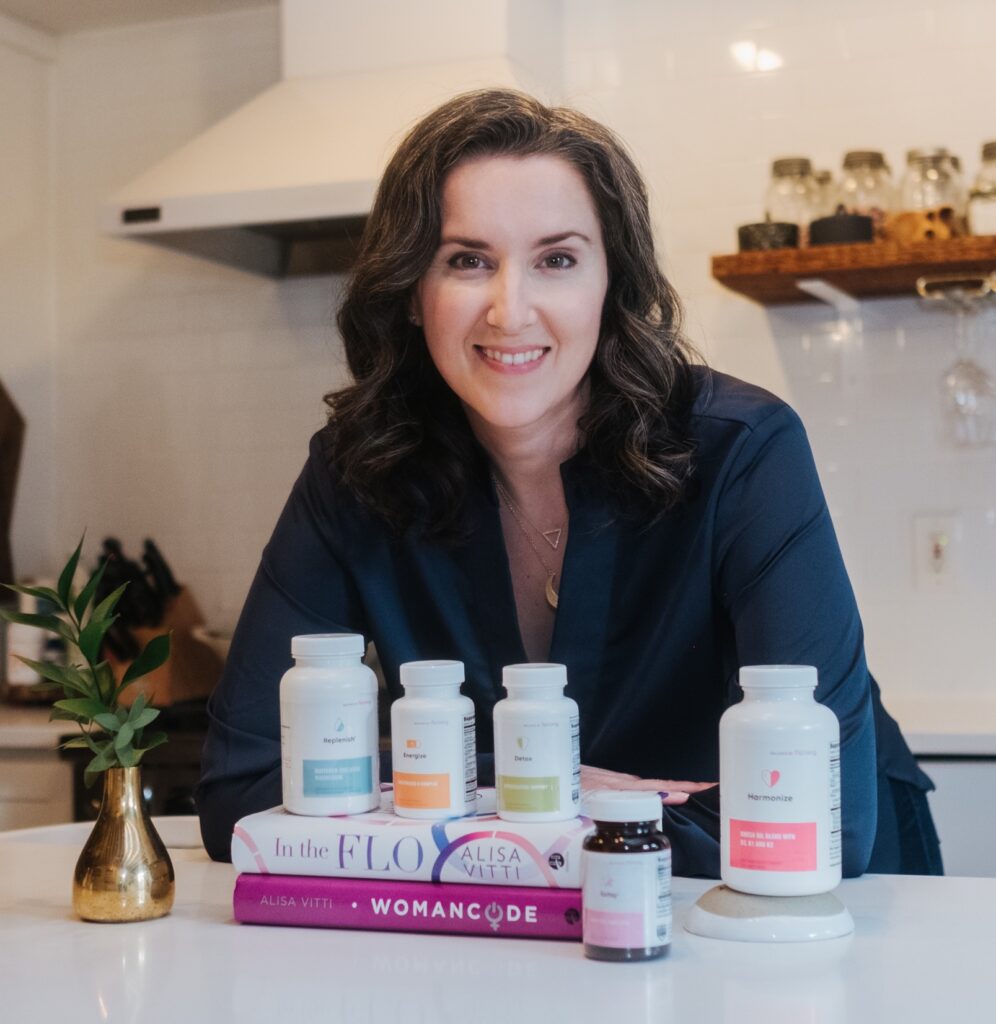
“I saw firsthand how the conventional model of care falls short not only for women with PCOS, but for women with all hormonal issues,” says Vitti. “Though more research is needed when it comes to women’s hormones, we do have a tremendous amount of published research showing how effective dietary and lifestyle interventions are.”
In a 2017 study, a third of women with PCOS reported it took over two years to receive a diagnosis. Even for someone who’s diagnosed, the best that doctors can offer is often a solution like birth control for managing symptoms. PCOS is considered incurable. Partially because of the gap in PCOS care left by the medical establishment, several wellness brands are aiming to address the hormonal issues underlying PCOS and its symptoms, particularly appearance-related symptoms such as atypical hair growth and acne.
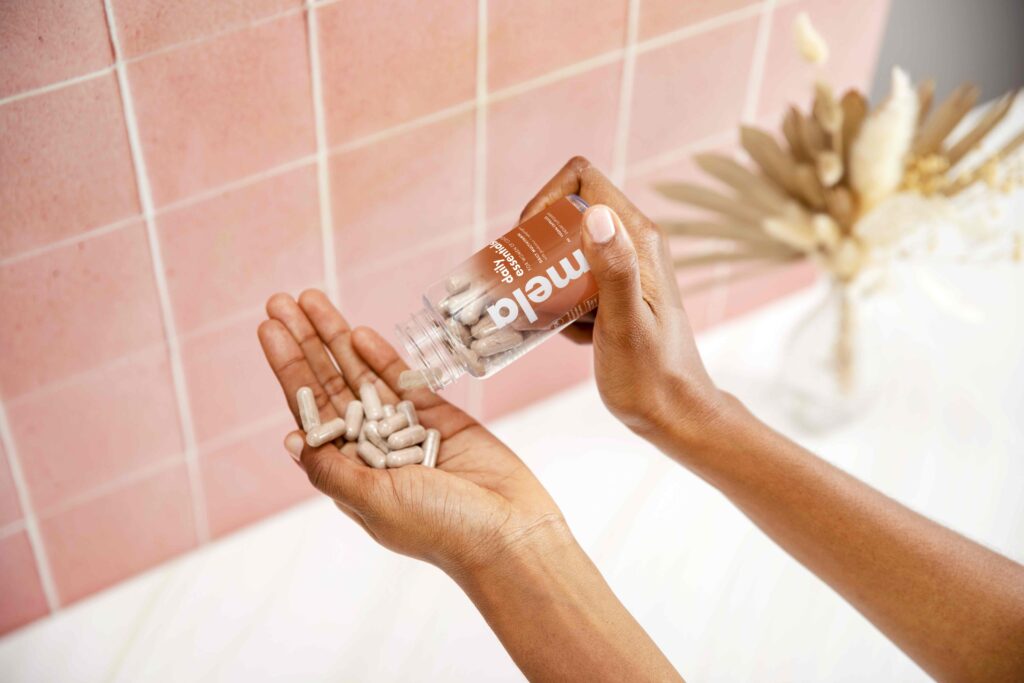
Ashley Harmon, founder and CEO of the women’s supplement brand Mela, has PCOS and experienced bloating, acne and debilitating fatigue as a result. She didn’t get relief from medications, but a mix of supplements were beneficial, and she created her brand to combine all the supplements that helped her into one vitamin.
“I started researching and developing my own supplements as a way to heal my own symptoms and have been doing it for over a decade now,” she says. “Through all of my research and collaborating with healthcare providers, I learned that women of color are also more frequently and severely impacted by PCOS and tend to have worse symptoms and greater risk of heart disease and Type 2 diabetes as a result. This was all part of my motivation to launch Mela Vitamins.”
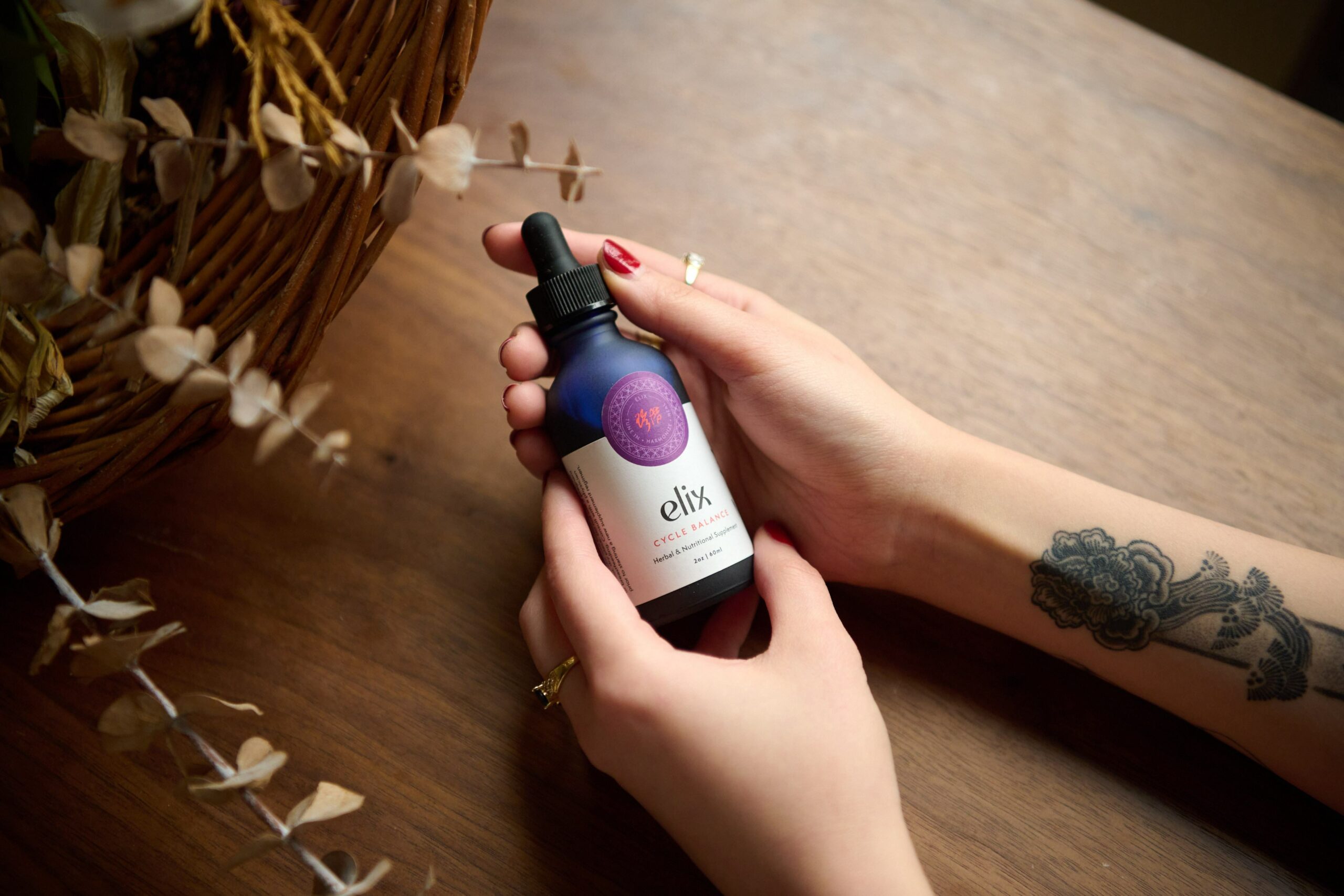
Lulu Ge’s hormonal struggles motivated her to launch Elix Healing, a brand specializing in herbal formulas based on traditional Chinese medicine that aid with period issues. Elix’s website has an online health assessment to direct people to products that could work for them and features health coaching.
“About half of Elix’s users identify as people of color, who suffer disproportionately from implicit bias, poorer health outcomes, gaslighting, delay in care, unnecessary pain and blame for chronic conditions,” says Ge. “The reality is that chronic menstrual conditions are often overlooked in our society, even while they are on the rise. Many people find that they are going it alone for PCOS care, with little support from their doctors due to a lack of PCOS education within mainstream medicine.”
Perelel sells a vitamin for people with PCOS and other hormonal imbalances. Banafsheh Bayati, an OB-GYN and medical co-founder at the supplement brand, says metabolic imbalance is increasing and can trigger PCOS. A 2020 meta analysis discovered that PCOS affects up to approximately 21% of reproductive-age women worldwide. The percentage of women affected by it has jumped over the last decade, and most with it go undiagnosed. It’s unclear exactly what instigates PCOS, says Bayati, making it difficult to treat directly.
“Diet, exercise and modifications of stress management along with improving glucose metabolism are often the first approaches to management,” she says. “Supporting metabolic health is key during reproductive years and beyond.”
The surge in brands with PCOS products is part of a larger turn toward holistic wellness. Growing awareness of the undesired side effects of hormonal birth control, for instance, has led more people to seek out natural solutions for menstrual issues. Vitti says, “We must do away with hormone suppression, aka oral contraception, as the go-to first treatment for period problems of every type, from PMS to PCOS and fibroids, and embrace dietary and lifestyle intervention as the first line of treatment.”
Harmon says, “I have personally found that naturopathic doctors have been the best at helping me understand PCOS and what natural solutions are available and effective. People with PCOS really cannot get a full understanding of their health from a yearly checkup and high-level blood test, which is what most mainstream doctors focus on.”
Reproductive endocrinologist Aimee Eyvazzadeh points out that natural PCOS solutions are validated by science. She says, “There are several published papers in peer-reviewed journals that show supplements like inositols, alpha-lipoic acid and berberine have positive effects of glucose metabolism and thus can help women with PCOS manage their glucose metabolism and insulin resistance, and this helps reduce symptoms.”
However, there are downsides to relying on non-medical products to treat PCOS. “Many of the brands have special cocktails of ingredients and might contain more than you need,” says Eyvazzadeh, adding that many of her patients end up needing both supplements and medications. She warns against blends in products that don’t list how much of each ingredient is used.
Harmon cautions that some brands depend on low-quality ingredients, and not all solutions are grounded in scientific studies. She says, “It really puts the responsibility on consumers to research the companies they are buying from and products they are using and to discuss any questions or potential impacts with their healthcare provider.”
Eyvazzadeh agrees, saying, “A lot of the brands in the supplements space are trying to be that voice of the woman and help educate her. The problem is they educate to help her buy their products, which she might not need. When patients come to me, the first thing I do is test their hormones to help personalize their treatment plan. So, I would recommend all women test their hormones with a brand like Proov prior to getting any treatment, whether that is a new supplement or a new medication.”
On top of brands, Eyvazzadeh advises people with PCOS not to trust just any treatment protocol they encounter on TikTok and carefully identify a doctor knowledgeable about the condition. She says, “Not all doctors know how to treat PCOS, so finding a specialist that listens and understands where you are in life is essential.”
Beauty brands are joining wellness brands in innovating for and marketing to people with PCOS. The condition can prompt appearance concerns involving acne, hair loss and hair growth on the face, neck, chest and torso. Emma Zwissler, founder of skincare brand The Sunday Standard, has spoken about how her struggles with PCOS-related acne inspired her offerings. The hair removal brand SmoothSkin created a PCOS awareness campaign last September—September is PCOS Awareness Month—relaying stories on its site and TikTok of customers with PCOS-related hair growth.
Ulike, maker of a hair removal device, recently initiated a PCOS awareness campaign and is sharing people’s accounts of PCOS on Instagram and in a series of YouTube videos. There’s a page on Ulike’s site with information about PCOS.
“We have been incredibly fortunate to receive voluntary comments from PCOS patients on our advertisements, social media posts and direct messages, where they openly share their genuine feedback on how Ulike has positively impacted their lives,” says Ulike overseas brand manager Dorothy Xiao. People with PCOS often have faster and thicker regrowth after removing hair, leading to distinct hair removal needs.
“As an industry, the hair removal sector possesses deep knowledge about body hair, which places a responsibility on us to educate the general public about the potential connection between excessive hair growth and PCOS,” says Xiao. “By raising awareness and promoting understanding, we can garner more support and empathy from the public. Simultaneously, it is crucial to provide education to individuals with PCOS on appropriate hair removal methods, empowering them with the knowledge to manage their condition effectively and boost their confidence.”
She continues, “Manufacturers and brands have recognized the market potential and have been motivated to create and offer a wide range of products aimed at addressing various aspects of PCOS such as hormonal balance, fertility, skincare and overall well-being. Moreover, the support and advocacy from PCOS communities and organizations have played a significant role in driving the demand for specialized products.”
Online discussions about women’s health are driving the demand for specialized products as well. “Conversations around PCOS are on the rise in social media, with hundreds of hashtags and an estimated 2 billion-plus (and growing) impressions on content,” says Ge. “It shows that people are taking their health into their own hands when they feel the traditional healthcare system has failed to support them.”
Harmon predicts that there will be a greater and greater number of products geared to PCOS on the market as more people learn about the condition, talk about it with their doctors and get diagnosed. Research on the condition is anticipated to mount, too. Vitti says, “We are living in exciting and historic times when it comes to women’s health research and women’s healthcare, and we are just in the nascency.”
The players
3 mentionedPerelel

AS Beauty
Too Faced