A Way To Keep Your Founder-Led Beauty Brand Going? Sell To Another One.
Over coffee, Reynolds asked Foster-West, “You’ve worked so hard for five years creating this company, is that really what you want?” In fact, Foster-West wanted to find a way to keep Miiko alive in some form—and Reynolds was a solution to doing that. Elate ended up acquiring Miiko, giving it a stylish rebrand under the name Foster and accelerating its sales in refill shops.
Elate’s takeover of Miiko is illustrative of larger trend in the indie beauty segment. Founders are increasingly turning to founder peers to execute deals that allow their creations to endure in trusted hands. While a significant number of indie brands have shut down in the past few years due to high acquisition costs, barriers to funding, fierce competition and founder burnout, among a myriad of causes, selling to another indie brand that’s often weathered business hurdles better offers an escape valve that can advantage the buyer by enlarging its customer base as well as the seller looking to move on.
For the acquisitive brands, cross-category deals can provide an avenue to branch into categories they haven’t yet branched into, and brand purchases within the same category can optimize strength in that category. Same-category acquisitions have been multiplying within the sexual wellness and period care spaces, where Somedays acquired Aisle, &SISTERS acquired Mooncup, and sexual wellness brand Dame acquired Emojibator.
Acqui-hire possibilities are particularly ripe in same-category deals. When Dame assumed Emojibator, Emojibator founder Joe Vela joined Dame as direct of sales. Alexandra Fine, co-founder and CEO of Dame, helms day-to-day operations at both Dame and Emojibator. She says, “Emojibator was really interesting to me because it lines up so much operationally with what Dame does, but it speaks a slightly different language and tone to a different audience.”
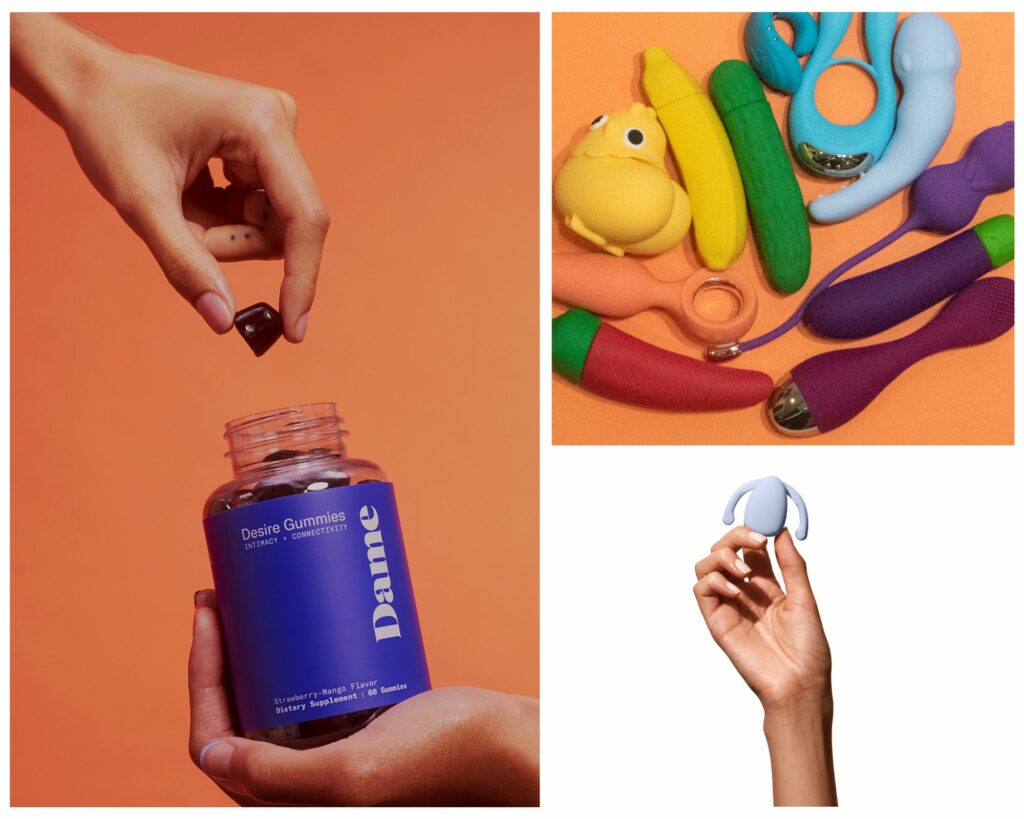
Selling to a founder within the same category, especially a niche category like sexual wellness, can lead to a combination of brands that understand the category’s dynamics. Fine says, “People love their brand, and they want to see their brand continue on, and some people are really excited to link up with a like-minded brand and founder versus just selling to a PE [private equity] firm that’s going to just be bottom line-focused both in how they’re valuing the brand now and what they want for the brand in the future.”
For an aspiring seller, pinning down a good match is important. Founders seek people who “get it,” emphasizes Fine, and frequently nobody “gets it” more than other founders. They grasp the passion poured into developing an entrepreneurial brand from scratch and the challenges an entrepreneurial brand faces in a market still dominated by huge conglomerates.
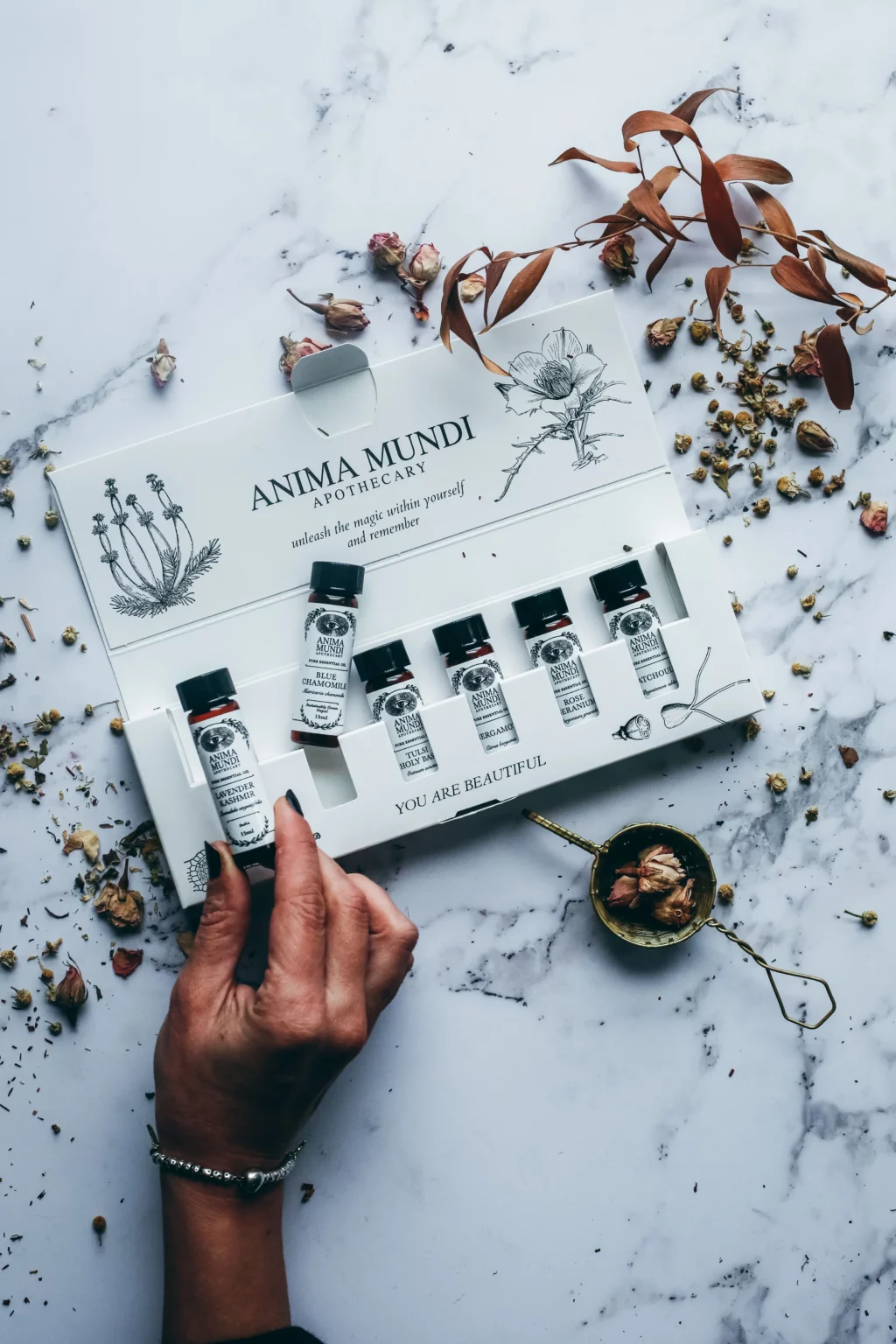
Essential oil company Floracopeia was on the brink of closing when Anima Mundi founder Adriana Ayales swooped in to buy it last October. Prior to the deal, Floracopeia founder David Crow reached out to people in his their network to gauge interest. Ayales used the brand’s products her entire life and admired founder David Crow’s distillation approach. Since the acquisition, Ayales has handpicked over 20 of Floracopeia’s essential oils to add to Anima Mundi’s herbal product range, and Crow joined Anima Mundi as chief aromatic officer.
“Floracopeia had to close officially as a product because of their financial situation, so we had to put it under our own label, which we preferred,” says Ayales. “I’ve loved David as a teacher for so many years, and it was fundamental to keep his legacy going.”
Joy Yap is following Crow’s lead. She’s put feelers out in clean beauty Facebook group to locate potential buyers for her skincare brand Wyld Skincare. In 2020, Yap came to conclusion she should sell her brand after realizing she enjoys building a brand, but not running its business. Eight-year-old Wyld was profitable every year up until 2021, according to Yap, who discloses its sales have risen 100% year-over-year since it started in 2006.
At the height of the pandemic, Yap says, “The company was making more money that it ever had, and one day I was in a meeting with four faces from my team starting at me waiting for me to make a decision, and I felt all of this pressure. I never wanted to have a big team. I like to live with less responsibilities and answering to myself, so even with the business growing really quickly, I decided to take a step back for my health.”
Yap desires to identify a buyer for Wyld that will nurture what has been her “baby.” A fellow founder would be ideal. She says, “Somebody who already has some entrepreneurial background or experience really helps because then they already know what to expect, and they’re not starting from the ground up.”
Although it’s relatively easy for brands to enter the market today, Patrick O’Quinn, founder of strategic advisory company Axcel, points out scaling them can be incredibly difficult, and founders are waking up to the harsh reality that they may not be able to scale their brands without an injection of funds. With traditional investment scarcer, hard-pressed brands are pursuing alternative arrangements like selling to or merging with an existing brand.
“I hope that there’s an opportunity for a lot of these brands to live on,” says O’Quinn. “It may not be as an independent entity, it may be in a different shape or form than the founders initially envisioned, but certainly a lot of money and a lot of heart and soul has gone into building brands, and I think our collective hope on this end is that those brands that aren’t able to sustain themselves as independent businesses are at least able to align themselves with partners that can enable the brand to live on.”
With founder-to-founder transactions, beauty entrepreneurs can sidestep investors who have stringent requirements for deals and may be reluctant to jump into niches like sexual wellness. Discussing the tough investment environment for smaller brands, Fan Bi, an angel investor and co-founder of The Hedgehog Company, notes there are more sellers than buyers in 2024 because the brand landscape is awash in brands with soft underlying performance and expensive debt.
He says, “A lot of brands are now selling because they’re having a harder time operating and asking themselves, ‘Is it going to get better soon? And if it’s going to be like this for the next three years, should I just go out now?’”
Katie Moloney, who sold Aila, the pre-workout supplement brand she founded, to Andrew Steele and Greg Rutherford, a pair of former Olympic athletes, in 2023, was asking those questions. Aila received capital from angel investors and accelerator Jumpstart Foundry, but it wasn’t enough to supercharge the brand amid the crowds and lofty customer acquisition costs, and Moloney didn’t envision funding circumstances shifting. She considered shuttering Aila altogether in advance of Steele and Rutherford buying it.
She says, “At the end of the day, I felt so strongly that it deserved a place in the world and with someone with perhaps access to more funding or was already kind of building something that it went along well with.”
The players
5 mentionedDavids

Better Being
AS Beauty
Too Faced
T Investment