Treat Culture Is Driving Fragrance Prices And Sales Up—And Could Do The Same For Other Beauty Categories
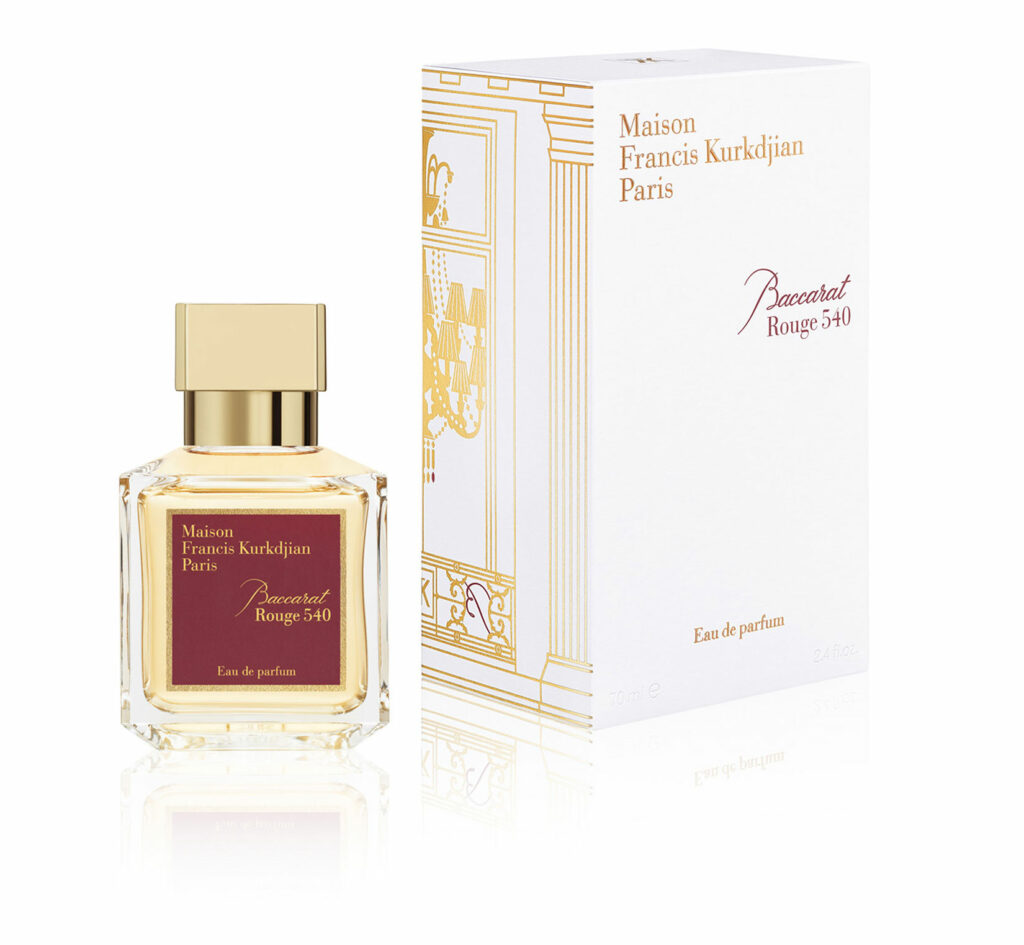
The popularity of Baccarat Rouge 540, which runs from $300 for a 70-ml. eau de parfum to $825 for a 200-ml. extrait de parfum, is indicative of a wave of indulgence sweeping the fragrance segment that has consumers flocking to expensive perfumes. While the inflation rate in the United States hit 7% in December, a 39-year high at the time, the surge in high-end fragrance prices outpaced it. NPD estimates upscale fragrance prices jumped 15% in 2021 to boost their price tags by $10. In the two years before 2021, prices rose on average 5%.
“It’s not that the price of what consumers are buying is 15% more, it’s that more consumers are buying more expensive fragrances. It’s a bit different than the inflation story,” says Larissa Jensen, VP and industry advisor at NPD. “They’re buying the $300 perfume, they’re not buying the $80 to $90 perfume. It’s not like the $80 perfume increased 15%.”
Although the year-to-date price hike for prestige fragrances has declined a bit to 8%, it’s still above the price gains of other beauty categories. Jensen points out makeup and skincare prices have climbed 3% to 4% year-to-date. Fragrance, haircare and makeup have been the hottest categories in prestige beauty. In 2021, NPD figures prestige fragrance sales were up 49%, prestige haircare sales were up 47%, and prestige makeup sales were up 23%.
Jensen says prestige beauty has been characterized by a fragrance effect instead of a lipstick effect, the term coined by Leonard Lauder, chairman emeritus of Estée Lauder, to illustrate the appeal of inexpensive luxuries during economic crises. She explains, “There’s an element of trading up, and I think that it is very much tied to this indulgence, treat-yourself mentality that we saw in a big way last year, and we see that it is continuing.”
The idea of consumers treating themselves is a shift from the self-care approach that has dominated beauty discussions. With the self-care approach, beauty was cast as a serious mental health practice to be routinized. In contrast, the idea of beauty products as treats turns them into welcome reliefs from humdrum routines.
In a recent article in The New York Times about the relevance of treats to post-pandemic consumers, Tracy Llanera, a philosophy professor at the University of Connecticut, describes them as reliable pleasures amid ongoing helplessness and grief. “Something about treat culture is that you’re always regularly going to get the treat,” she told the newspaper. “You can depend on that, at least. There’s a guarantee that this small little ritual that you have every week will at least satiate something in you.”
Beauty product development consultant Pamela Vaile reasons consumers yearn for fantasy and luxury after the isolation and drudgery of pandemic lockdowns. “We seek joy, optimism, freedom and self-indulgence. We are desperate to pamper ourselves, to splurge, to embrace our deepest desires,” she says. “What better to immediately feel better than with a highly crafted, elegant fragrance?” She mentions the units sold of fragrances priced over $175 doubled last year.
Ashlee Posner, founder of forthcoming fine fragrance brand State of Change and custom fragrance event company The Perfume & Cologne Bar, thinks the emotional payoff of perfumes is integral to the heightened value consumers are placing on them. “It is not just smell any more, but how scents can elevate your mood and day,” she says. “Even the Lauder collection that launched last year references their third-party neurosensory studies [on] functional ingredients. So, if something puts you in a better mood, and 80% of consumers say they will pay more for a scent they like, it makes sense for prices to rise.”
Judah Abraham, founder and CEO of fragrance brand incubator and agency Slate Brands, underscores advancement in digital marketing by fragrance brands has been critical to communicating the covetable properties and justifying the prices of their products. “This ranges from creating better visuals on their website to partnering with influencers and ultimately creating many motivations for purchase,” he says. “An increased focus on the benefits fragrance can provide—the feelings it evokes, how much it lasts, the compliments expected, the use of better raw materials—adds a value brands expect to be compensated for.”
Fragrance brands are responding to and stoking the demand for pricier fragrances with uber-luxe collections and intensified concentrations. Jensen cites Chanel’s Les Exclusifs de Chanel line of perfumes priced from $250 to $400—in comparison, Chanel No. 5 is $90 to $146—and Dior’s Sauvage Elixir, which is priced at $159 versus $132 for Sauvage Parfum, as examples.
“It’s about consumers pampering themselves with a product that’s special,” says Vaile. “A lot of the commodity fragrances are consumer tested to death. When you test something to death, you get the watered down commercial version everyone likes. The niche brands don’t test. They put out beautiful, intoxicating fragrances at very high prices. The consumer can find more uniqueness.”
Vaile argues the premiumization of fragrance is the converse of the massification of beauty demonstrated by SpaceNK’s, Ulta Beauty’s and Sephora’s partnerships with Walmart, Target and Kohl’s, respectively. She maintains prestige brands are trying to redraw the boundaries between luxury and the rest of the beauty that have become blurred. “What’s happening at the high-end is that brands are really trying to differentiate themselves,” she says. “A brand I’m working with is priced at $420 for 100 milliliters. Consumers are wanting that in luxury now. The wealthier consumers don’t mind spending the money.”
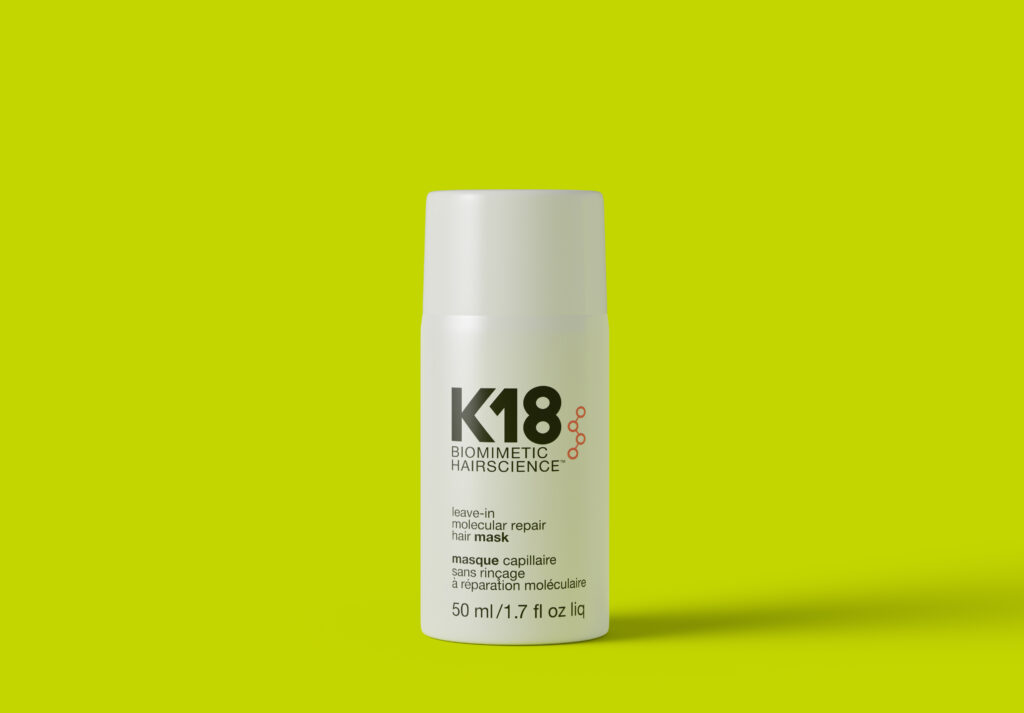
Jensen says the premiumization of fragrance is replicable elsewhere in beauty. She highlights intricate refillable packaging commanding elevated prices in cosmetics and advanced technology haircare consumers are clamoring for as evidenced by K18, the brand charging $75 for a biotech-powered 50-ml. repair hair mask on track to generate over $100 million in 2022 sales. Jensen advises brands ask themselves, “How can you differentiate yourself and position yourself as a brand to indulge in?”
In a recession, expensive indulgences can seem crass—and the movement toward extravagant fragrances could undoubtedly dissipate if the U.S. plunges into an economic slump, as has been speculated. Jensen keeps a close watch on consumer sentiment, an indicator that’s been slipping as consumers confront inflationary pressures. She says, “We might see the return of the lipstick index because there’s a very clear correlation that, when you look at the trending down of consumer sentiment, there’s been a trending up of the performance of lipsticks, and that’s how potentially consumers could be treating themselves.” She emphasizes, “At the end of the day, consumers look to our industry to feel good about themselves and to feel better in difficult times.”
Should economic conditions worsen, fragrance brands transitioning to pricier merchandise may have advantages. Eric Korman, CEO of contract beauty manufacturer The Goodkind Co. and founder of the fragrance brand Phlur, believes wealthier consumers insulated from market shocks could prop up the luxury fragrance market if towering inflation persists and an economic slide ensues. “Folks that have relatively a lot of disposable income won’t change their luxury fragrance shopping habits as much as the mass consumer, who could easily sit out buying a fragrance bottle or trade down to a product that has dual purpose,” he says. “They may use a moisturizer that has a really lovely fragrance built into it instead of using an EDP.”
The players
5 mentionedEstée Lauder

Phlur
Ritual
Commodity
Better Being