How Challenger Brands Turn Fragrance Into Consumer Permission And Exit Value
The setup
For most of the 2010s, the indie beauty story was a skincare story. Glossier, Drunk Elephant, Beautycounter, The Ordinary — all of them built moats out of formulation, ingredient education, and minimalist branding. By 2024, that lane was saturated. Founders entering skincare today face Sephora shelves stacked with established names, retailer attention spans measured in quarters, and CACs that have tripled in five years.
Fragrance is the inverse. Production is forgiving — a perfumer and a contract bottler can take a brand from idea to launch in twelve months. Consumers don't demand 17-page ingredient breakdowns; they demand a story and a scent that matches it. And every indie brand that breaks through gives the next one permission to try.
The economics
Fragrance margins outpace every other beauty category — typically 75–80% gross, against 55–65% in skincare and 50–60% in color cosmetics. The math is structural: alcohol-based juice is cheap, the bottle and box do the heavy lifting on perceived value, and pricing power compounds with brand equity rather than ingredient cost.
14%
Fragrance CAGR (2022–2025)
Fastest-growing beauty segment globally; ~$70B category as of 2026.
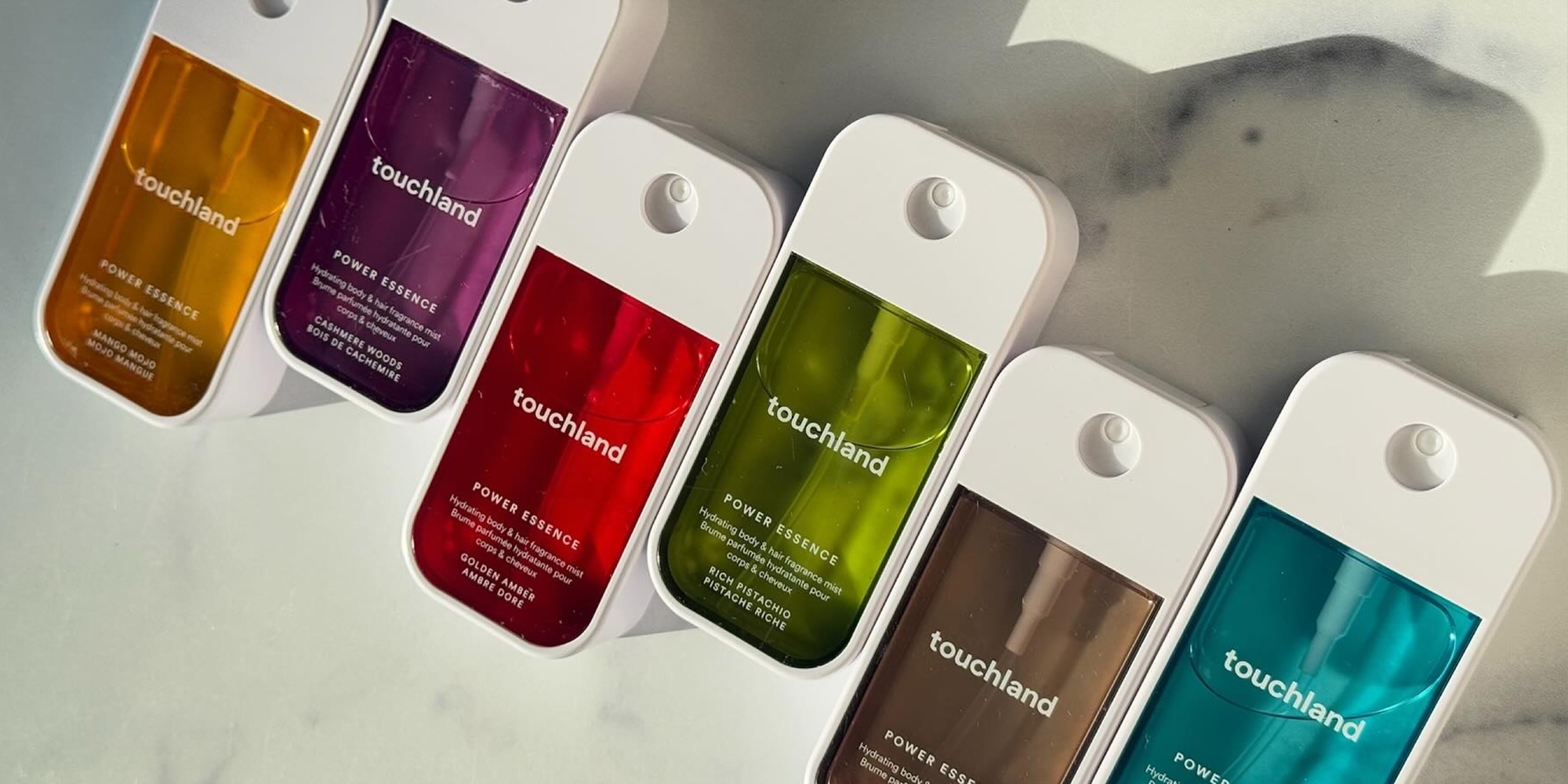
For investors, that translates to capital efficiency. The new wave of indie fragrance brands — Phlur, Vyrao, Boy Smells, D.S. & Durga at scale — have reached $20–50M revenue without consuming the kinds of marketing budgets skincare brands need at the same stage.
The exit math
Strategic acquirers know the economics, and they're paying for them. Recent transactions cluster at 4–7x trailing revenue: Estée Lauder bought Le Labo at the top of that range; Puig acquired Byredo and Penhaligon's on similar terms; Inter Parfums has been quietly stacking smaller indie names at the lower end.
Compare with skincare, where the post-Drunk-Elephant world has seen multiples compress to 2–3x revenue, and color cosmetics deals price even lower. Fragrance is currently the only beauty subcategory where indie founders can build with conviction that the exit will reward the risk.
The moat
What protects a fragrance brand at scale is the thing that makes it cheap to start: emotional resonance. A skincare brand can be reformulated; a fragrance can't. The juice itself becomes the IP, the brand voice becomes the marketing, and once a consumer commits to a signature scent the switching cost is psychological, not financial.
For the next twelve months, expect more indie launches, more $30M–$80M acquisitions, and a continued widening of the gap between fragrance and the rest of beauty. The permission window is open.